NASA's Habitable Worlds Observatory: 5 key features of the upcoming mission to search for alien life
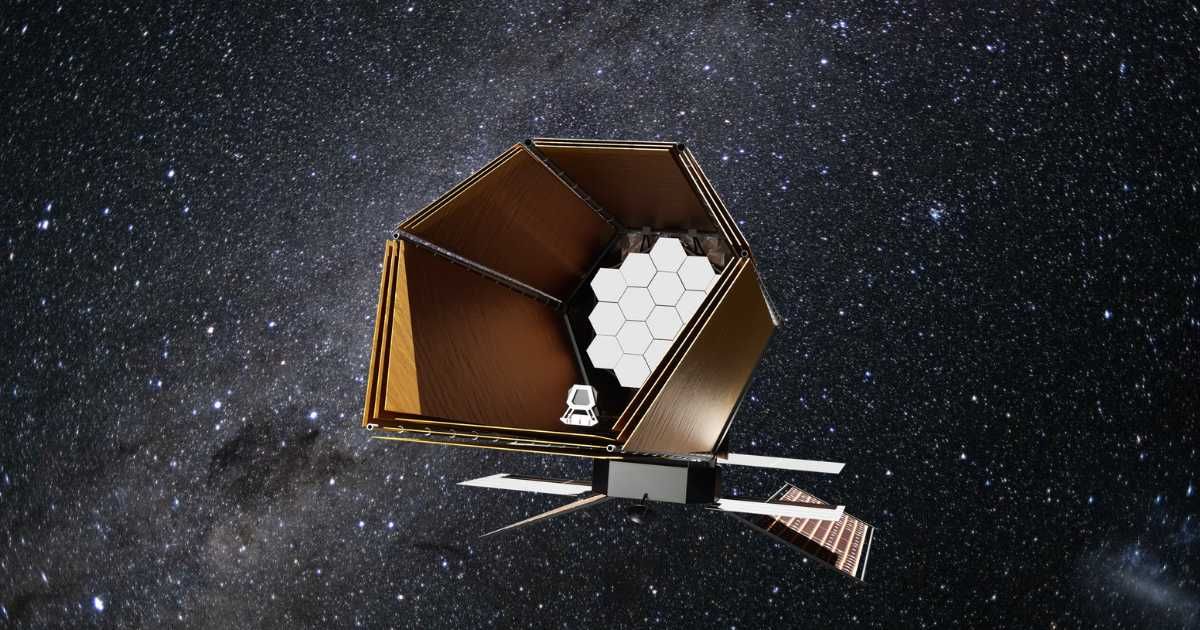
NASA has already divulged many of its ambitious objectives for the Habitable Worlds Observatory (HWO), even if launch is still quite a ways away. While the mission is slated to launch in the 2040s, the first concrete steps are being taken ahead of its development. This year, the agency awarded contracts to seven different companies to contribute to the technological capabilities that HWO will require to fulfill its lofty aim of finding signs of life on far-off exoplanets. Thanks to the technological leaps that are projected to be made in the intervening years, the space telescope will exceed the capabilities of current observatories by some distance. The telescope is ultimately meant to help humanity answer the age-old question — "Are we alone?"
Picometer stability and advanced light blocking
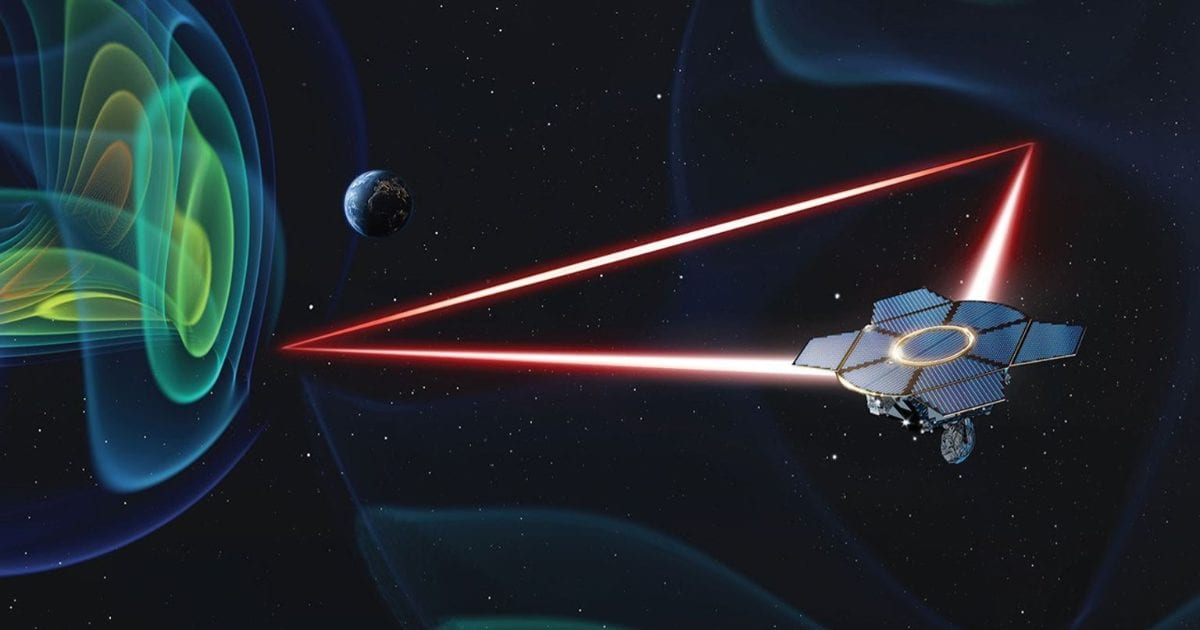
According to L3Harris, one of the aforementioned companies, the telescope requires an unprecedented level of optical and thermal control. It therefore needs a system that stays steady down to measurements smaller than the width of a single atom, which is measured in picometers. To detect dim light from faraway space objects, and identify chemical clues for habitability like water vapor, molecular oxygen, ozone, and methane, the observatory must prevent even the tiniest movements induced by temperature variations. Additionally, the mission requires a next-generation coronagraph that will serve to block out the glare from a host star.
We're developing critical thermal and optical technologies for @NASA's Habitable Worlds Observatory, a mission designed to search for signs of life on distant planets. Learn more: https://t.co/AW7S5hc1FY
— L3Harris (@L3HarrisTech) June 29, 2026
Credit: NASA's Goddard Space Flight Center Conceptual Image Lab pic.twitter.com/4SI4UtEMhC
A massive mirror
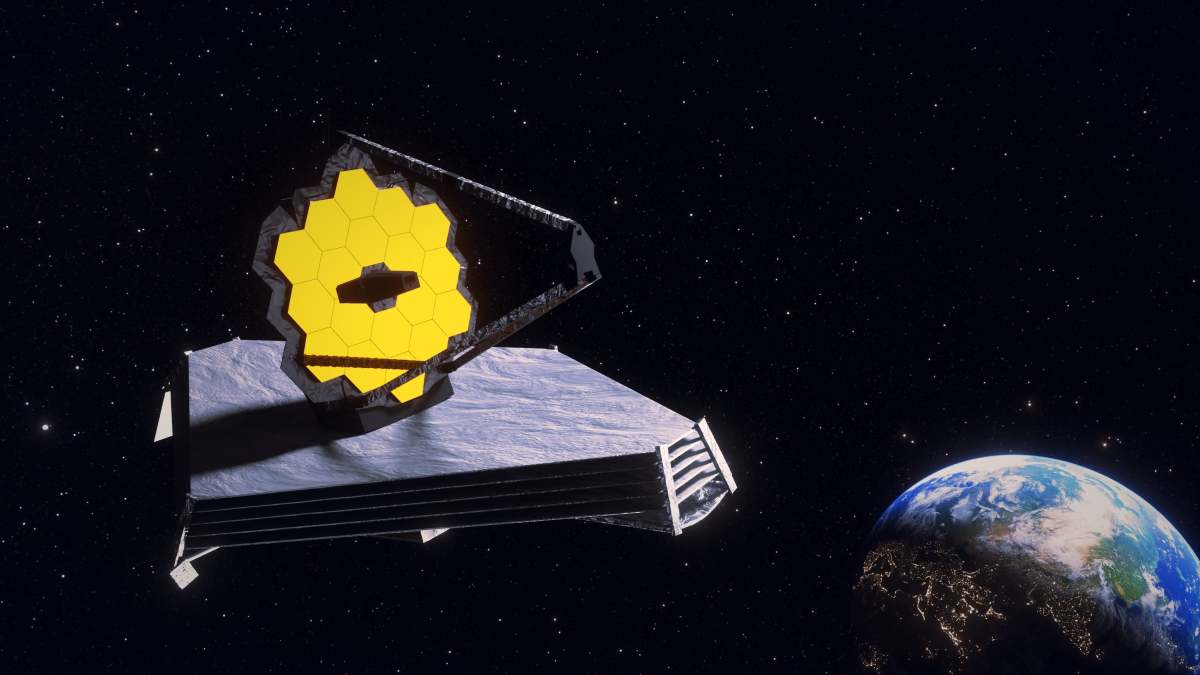
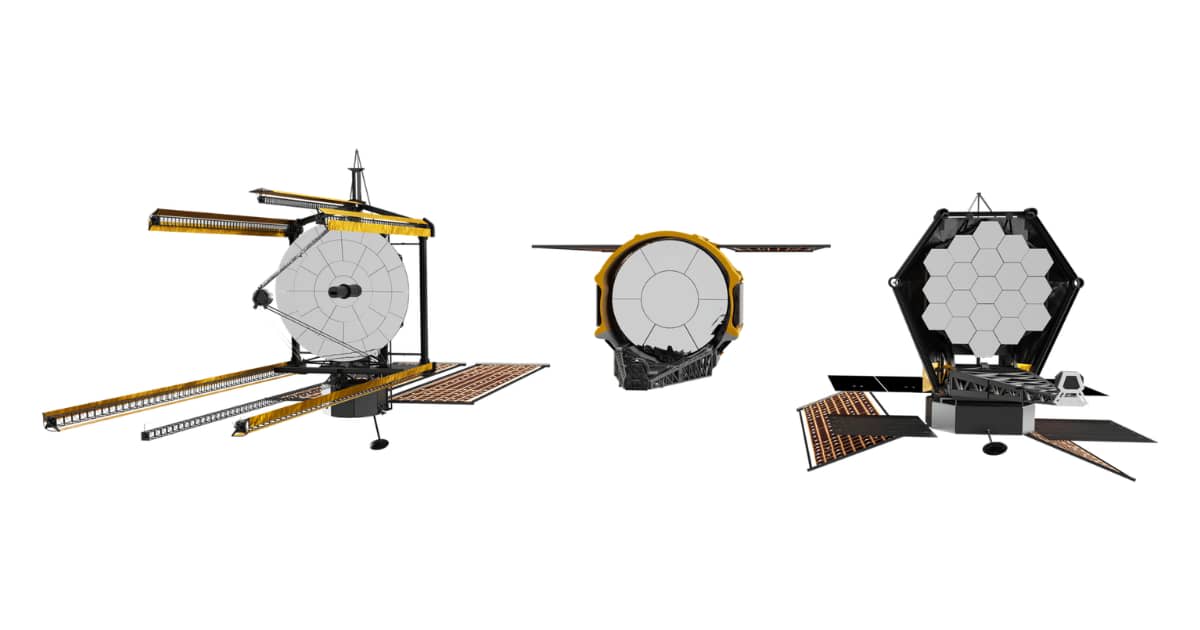
The mission calls for a space telescope with a large primary mirror. According to NASA, the primary mirror could end up being somewhere between 20 to 26 feet (6 to 8 meters) in diameter. Such an enormous mirror will be large enough to detect incredibly faint signals from distant, Earth-like planets and analyze their atmospheres for signs of life.
A leap in spectroscopic sharpness
A research team has suggested equipping the observatory with a high-resolution spectrograph operating at a resolving power of 45,000. This will make HWO more than 12 times sharper than what the James Webb Space Telescope (JWST) can offer at the moment. This pristine clarity will allow HWO to make revolutionary discoveries in the study of exoplanet science, thanks also to its ability to see across ultraviolet, optical, and near-infrared light. The capability to observe in these wavelengths was specifically recommended by the Astro2020 Decadal Survey, an independent assessment conducted by the National Academies of Sciences, Engineering, and Medicine.
Are we alone? 🔭
— Lockheed Martin Space (@LMSpace) May 1, 2026
We’re working with @NASA to advance the Habitable Worlds Observatory by developing ultra-stable tech needed to detect Earth-like planets beyond our solar system.
Direct imaging of Earth-like worlds
HWO will search for exoplanets orbiting in the habitable zones of their host stars. Due to the ideal distance from the star, liquid water could feasibly exist on a planet orbiting within this zone. HWO will directly image these worlds using the light reflected from their host stars. This light filters through the planet's atmosphere and contains signatures of its composition, which may exhibit signs of biosignature gases produced by life forms. Because Earth's atmosphere has changed drastically over time—with no oxygen in its infancy while early microorganisms produced gases like methane—all biosignatures must be carefully weighed to rule out false positives.

Architecture that's built to last
Engineers will be designing the telescope using what are known as 'Engineering Architecture Concepts' (EACs). This means multiple distinct virtual telescope models are put through simulations to balance size, sensitivity, and stability. This optimization process has been described as being similar to designing a high-performance car, where speed, safety, and endurance must be accounted for, and trade-offs must be made to find the perfect balance. Moreover, thanks to lessons learned by NASA while operating the JWST and Hubble Space Telescope, the investment into this mission will be protected for decades, since HWO is being designed with future in-space servicing in mind.
NASA Administrator Jared Isaacman, speaking in January about this mission, said, "Humanity is waiting for the breakthroughs this mission is capable of achieving and the questions it could help us answer about life in the universe. We intend to move with urgency, and expedite timelines to the greatest extent possible to bring these discoveries to the world." Looking beyond the search for alien worlds, HWO will also help with the understanding of how planetary systems form and evolve over time. It will observe numerous other planetary systems to find our own solar system's place within the context of similar systems across the entire galaxy. This will be done via comparisons between our neighborhood of planets, moons, and small bodies to those in other stellar systems. What's more, the highly precise observations of HWO will also help support future human exploration missions to Mars and deep space by expanding our fundamental knowledge of the broader solar system.
More on Starlust:
Habitable 'super-Earth' discovered less than 20 light-years away, fueling search for alien life