SpaceX scripts history by catching Starship’s upper stage using launch tower for the first time
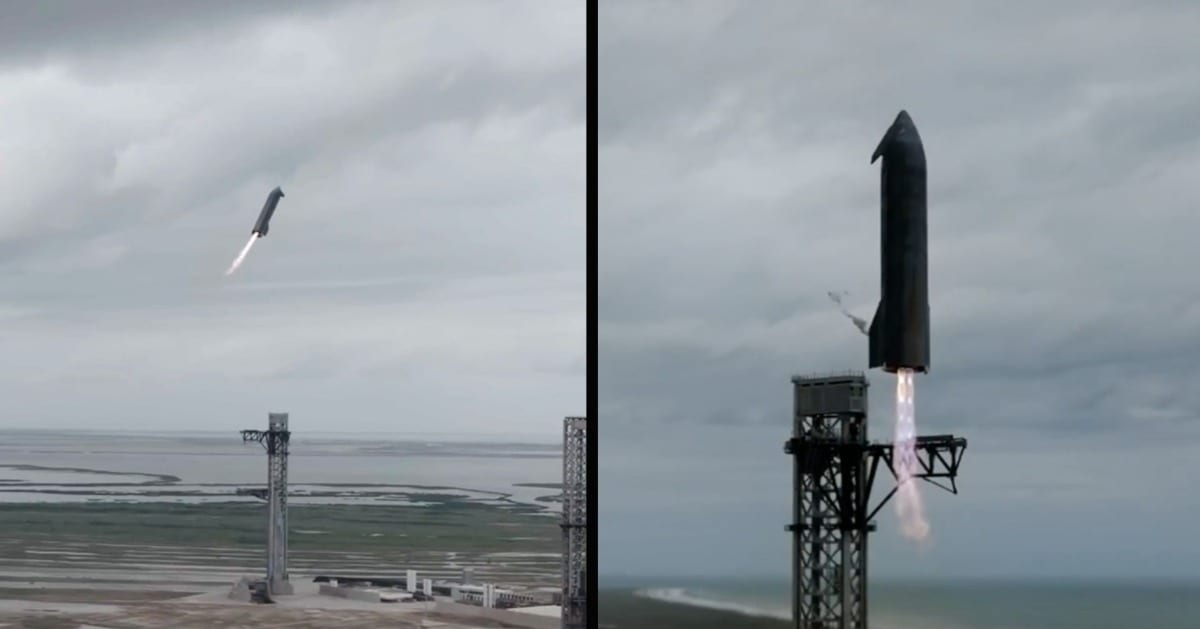
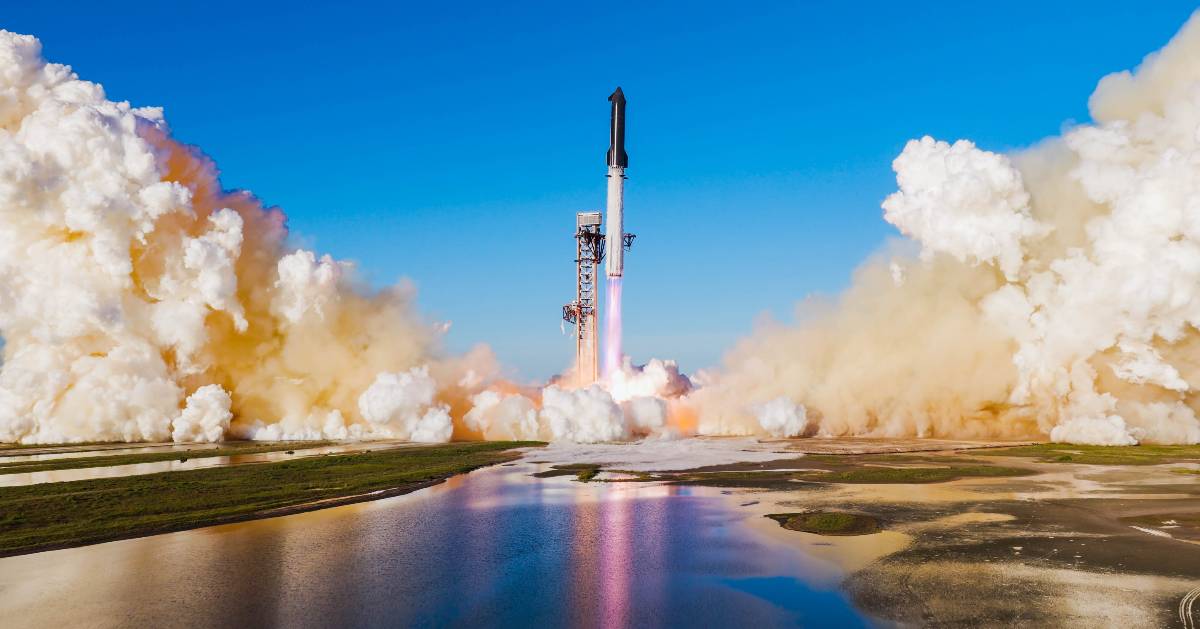
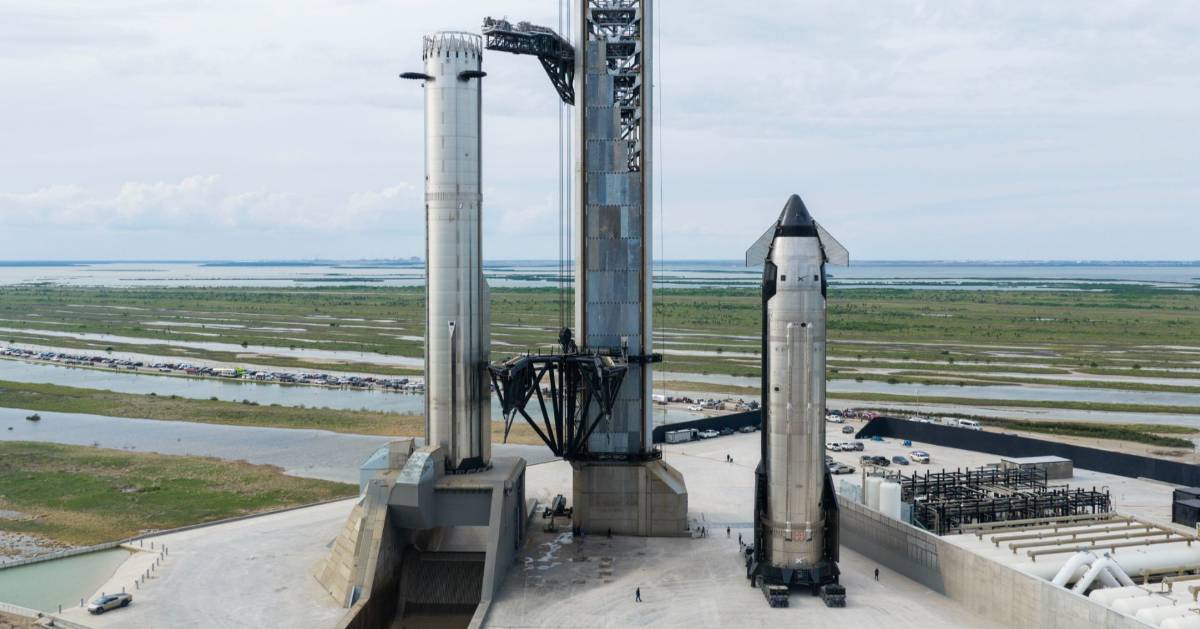
SpaceX has done what seemed impossible to many. It successfully caught Starship’s upper stage using the launch tower for the first time on the rocket's 15th integrated test flight. The upper stage or Ship 42 started reentering Earth’s atmosphere after coasting in space for more than 21 hours and placed itself perfectly between the tower’s chopstick arms at T+22 hours and 32 minutes. The mega rocket lifted off at 4:47 p.m. CST from Starbase, Texas, on November 13 and reached orbit for the second time ever.
Mechazilla catches Starship! Congratulations to the entire SpaceX team on this incredible achievement! https://t.co/YJzmGUZb2B
— SpaceX (@SpaceX) November 14, 2026
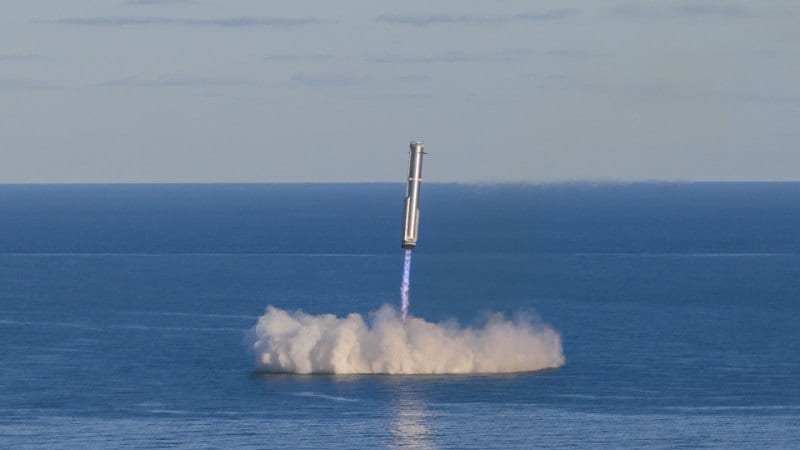
SpaceX had initially planned to catch both stages of the rocket using the launch tower but the Super Heavy Booster diverted itself for an offshore landing in the Gulf of America. According to SpaceX CEO Elon Musk, the Super Heavy Booster was “slightly low on fuel” and also faced issues with its Guidance, Navigation and Control (GNC) system. It basically realised it wasn’t at the right spot which made the catch infeasible, and automatically aborted the catch.
Super Heavy has diverted to an offshore splashdown in the Gulf https://t.co/1M2xn7NYJA
— SpaceX (@SpaceX) November 13, 2026
As the Booster hovered over the Gulf, it triggered the flight termination system causing it to explode and fall into the sea. Musk, while explaining the green flame noticed by many from the Booster, said that the engines underperformed on this flight and mentioned a few changes that they may undergo before future missions.
“The booster is meant to land with tiny residuals, so the solution is to improve engine performance and performance consistency (underway with Raptor V3.2), as well as adjust flight software to do MECO1 about one second earlier to ensure enough propellant for boostback and landing (tiny change),” Musk posted on X. However, he said that initial conclusions may be wrong and that a flight review will trace the problem more accurately. Musk didn’t seem too worried about the missed Booster catch opportunity because he believes losing the tower if something went wrong during the catch would have cost SpaceX 2-3 months.
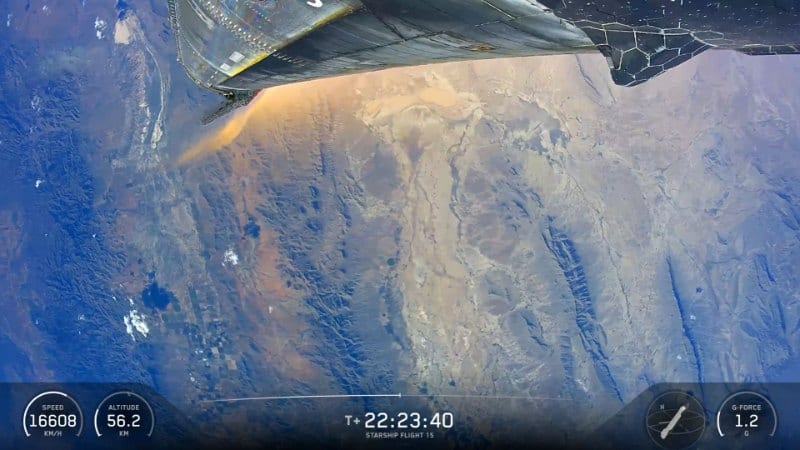
As for the upper stage, it carried on towards orbit flawlessly and successfully deployed 26 Starlink V3 satellites after crossing the 170 mile (275 km ) mark. During its 21-hour coast phase, it passed several contingency splashdown locations as all systems worked exactly as expected. Starship began its reentry into Earth’s atmosphere T+22 hour mark and teams conducted systems check before giving a go-ahead for it to proceed towards sparsely populated areas in northern Mexico and southern Texas. SpaceX COO and President Gwynne Shotwell had said last month that Starship’s may start reflying by early 2027. Moreover, Musk believes will fly weekly in the first half of 2027, and today’s success seems a major step toward achieving that goal.
More on Starlust
Rocket Lab completes 100th mission of Electron rocket faster than any commercial launch vehicle
ISRO completes key test for GSLV rocket’s cryogenic engine for next navigation satellite launch