ULA’s Vulcan rocket suffers anomaly on return flight, fails to deploy 40 Amazon Leo satellites
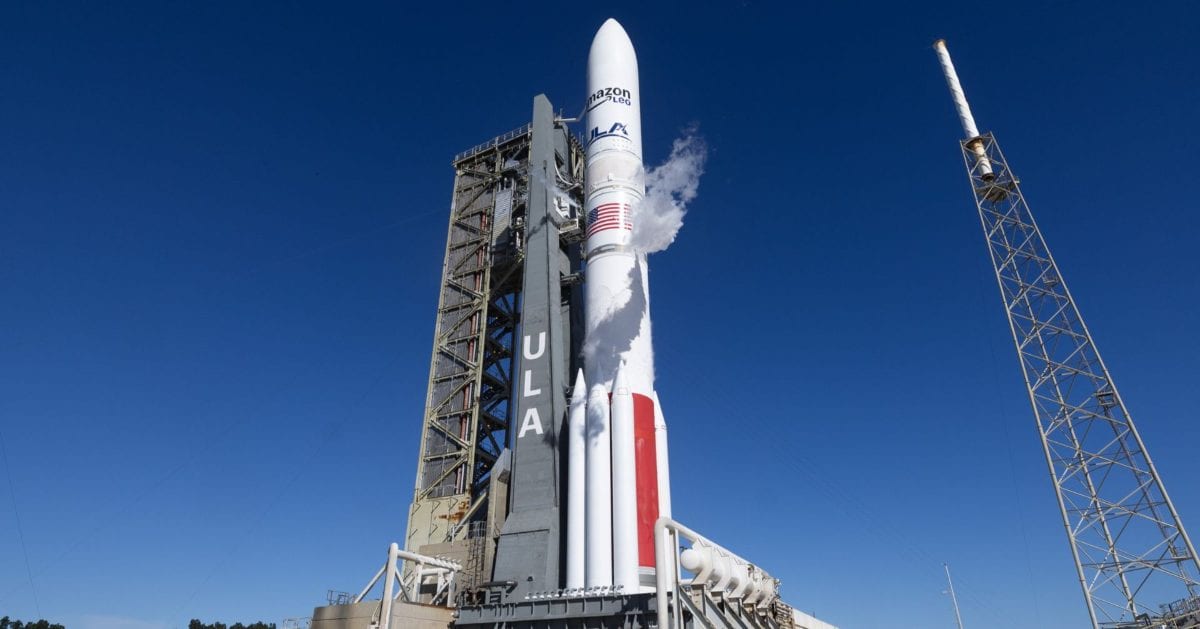
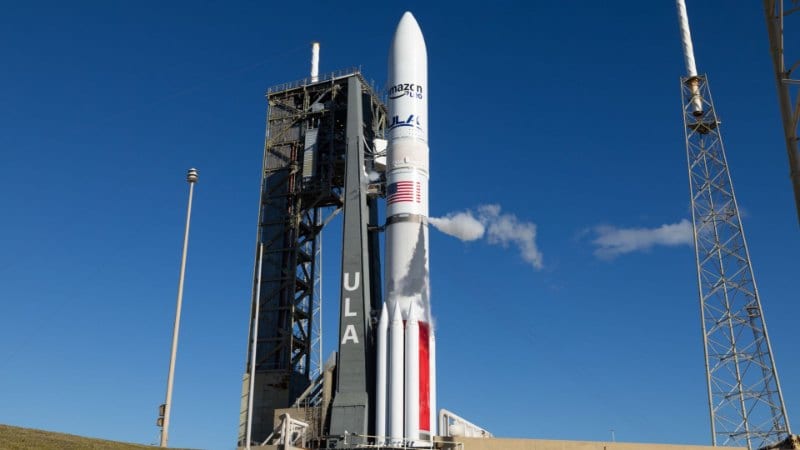
The United Launch Alliance (ULA) has confirmed that its Vulcan rocket, which launched with 40 Amazon satellites at 12:40 p.m. EST on Sunday, November 15, suffered an anomaly shortly after lift-off, causing the mission to fail. In a statement, ULA said that the anomaly occurred just 10 minutes after launch and that an investigation is underway to find the cause. The batch of satellites Vulcan was carrying was the largest yet for Amazon’s Leo broadband constellation.
Based on data received by our Launch Director, we confirm that the Vulcan vehicle launched from Space Launch Complex 41 suffered an anomaly 10 minutes into the flight and failed to deliver the Amazon mission to orbit. Every flight generates data, and every flight teaches us something. Since the anomaly just occurred, we don’t have any specific data yet to understand what occurred today. ULA exists to provide assured access to space for our nation and for the customers who depend on us. That purpose is why we take on some of the hardest missions in spaceflight, and why we hold ourselves to the standard of mission success. Today, we did not meet that standard. We will work closely with our customer and other appropriate organizations to find the cause, determine the appropriate corrective action, and return to flight as quickly as possible. ULA is committed to full transparency with our customers, and they will have visibility into the investigation process, which utilizes rigorous methodology and corrective action. We will provide further updates when new information becomes available.
— ULA (@ulalaunch) November 15, 2026
“Based on data received by our Launch Director, we confirm that the Vulcan vehicle launched from Space Launch Complex 41 suffered an anomaly 10 minutes into the flight and failed to deliver the Amazon mission to orbit,” ULA said in its statement shared on X. “Every flight generates data, and every flight teaches us something. Since the anomaly just occurred, we don’t have any specific data yet to understand what occurred today.” The company further vowed to find the cause and return to flight as soon as possible. SpaceX CEO Elon Musk reacted to ULA’s statement on X, hoping to see them fly again soon. “Sorry to hear this. Hope you are back to flight soon,” he posted.
And LIFTOFF of the first Vulcan Amazon Leo mission, carrying 40 broadband satellites to low Earth orbit! https://t.co/dv1MSjJUMF
— ULA (@ulalaunch) November 15, 2026
The launch vehicle for this mission—the Vulcan VC6L rocket—returned to flight nine months after its previous mission. Standing 215 feet (65.5 meters) tall, the rocket has launched four missions so far and was flying the first of 38 missions for Amazon to expand its satellite constellation. The previous eight ULA launches for Amazon were carried out by Vulcan’s predecessor, Atlas V. Apart from the core stage booster, Vulcan is powered by six solid rocket boosters. Its second stage, the LEO-optimized Centaur V, is likely where the flight problem occurred.
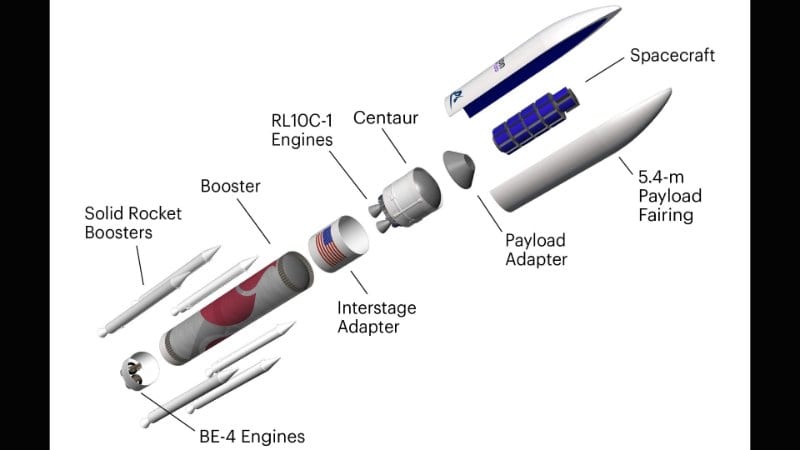
The solid rocket boosters appeared to work fine and were jettisoned from the rest of the vehicle after burning out. The two Blue Origin-built BE-4 engines continued to power the rocket, but reportedly appeared to burn for longer than planned. This was followed by stage separation and Centaur firing. Amazon Leo is supposed to compete with SpaceX’s Starlink in providing internet from space. Its constellation will consist of more than 3,000 satellites, although it is significantly lower than Starlink’s more than 11,000 satellites.
Besides Vulcan, Amazon has booked missions on Europe's Ariane 6, Blue Origin's New Glenn and even SpaceX’s Falcon 9 to launch its Leo satellites. Now that the Vulcan is effectively grounded until an investigation into the anomaly is complete, it’s possible Amazon will look for other providers to continue building its broadband constellation. Prior to today’s launch, Vulcan had experienced problems with its solid boosters on its second and fourth flights in October 2024 and February this year. The rocket, however, was still able to deliver its payloads to orbit. That said, one of its customers—the U.S. Space Force—wanted the problem fixed before committing to more national security launches on the Vulcan.
More on Starlust
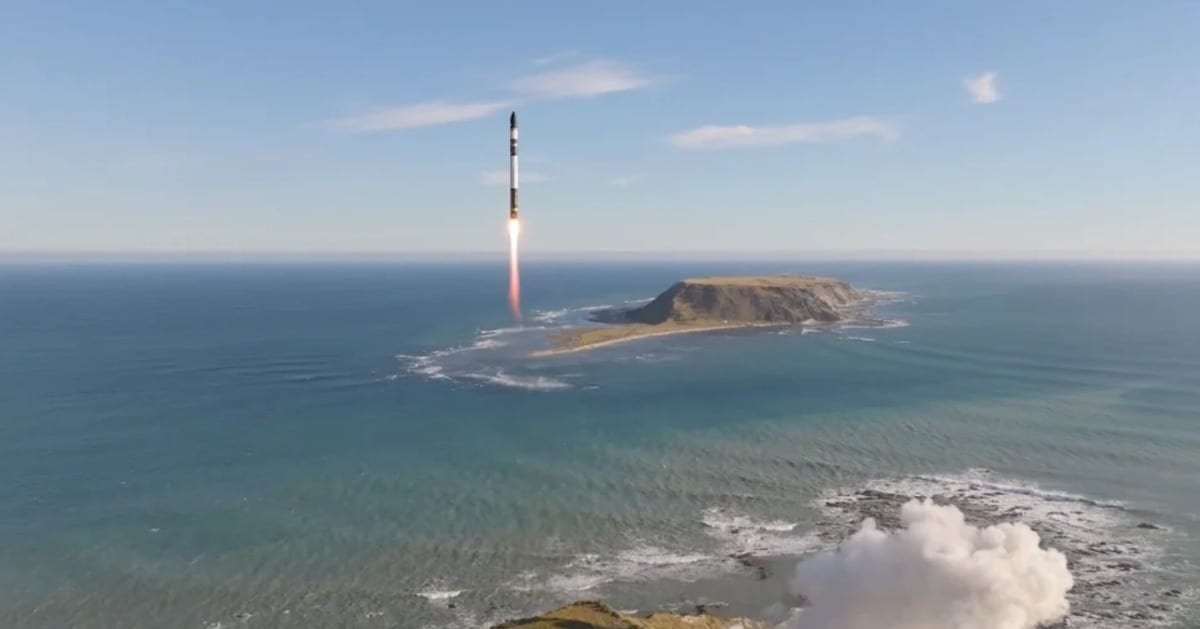
Rocket Lab completes 100th mission of Electron rocket faster than any commercial launch vehicle
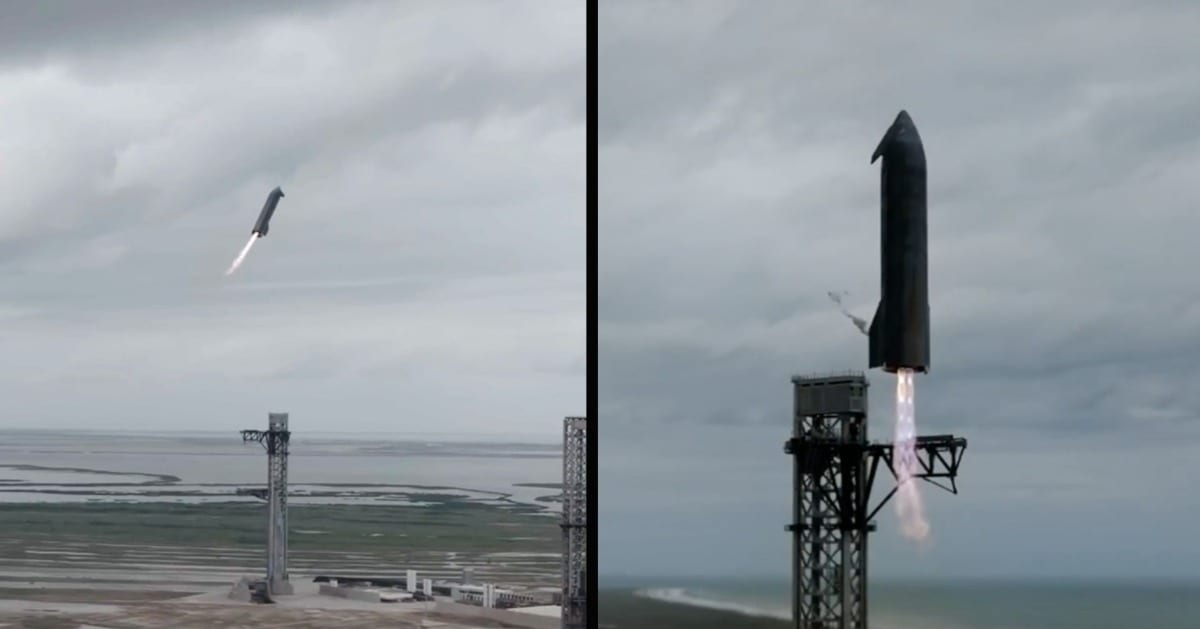
SpaceX scripts history by catching Starship’s upper stage using launch tower for the first time