Blue Origin CEO defers as ULA investigation attributes Vulcan failure to BE-4 engines
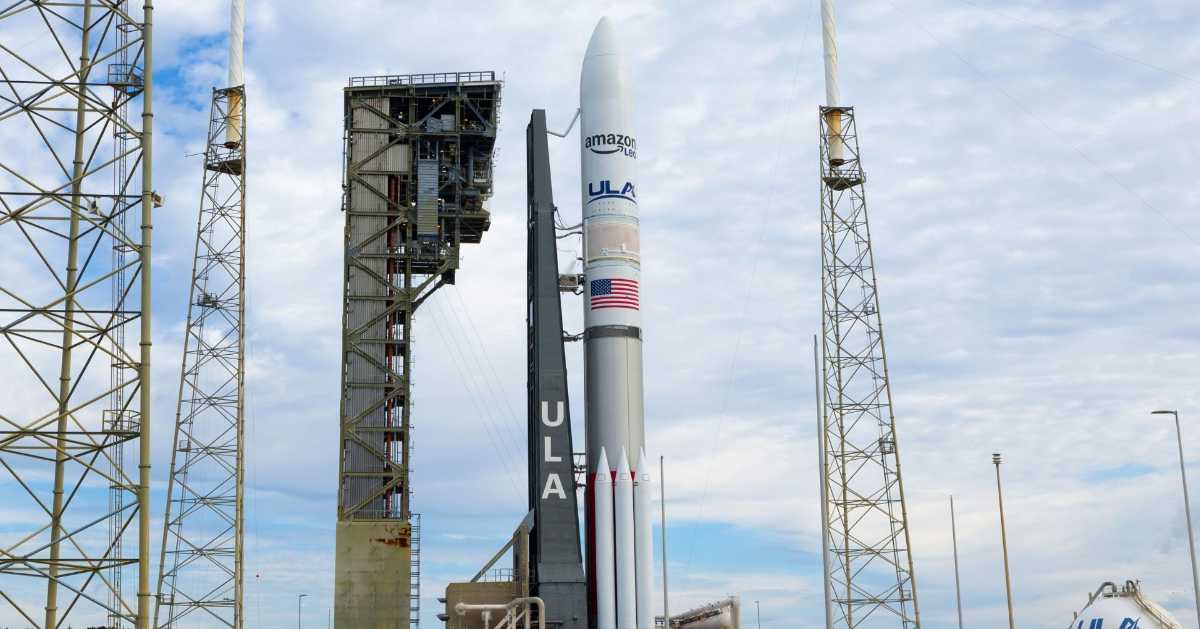
United Launch Alliance (ULA) has shared an important update about the Vulcan rocket which failed to deploy the 40 Amazon Leo satellites it was carrying on November 15. The initial statement that the company released about an hour after launch said that the vehicle suffered an anomaly 10 minutes into the flight, indicating that the problem might have originated in the second stage—the LEO-optimized Centaur V. Following a preliminary investigation, however, the company said that the rocket suffered an anomaly in its core stage booster, which eventually led to the mission failure.
Based on data received by our Launch Director, we confirm that the Vulcan vehicle launched from Space Launch Complex 41 suffered an anomaly 10 minutes into the flight and failed to deliver the Amazon mission to orbit. Every flight generates data, and every flight teaches us something. Since the anomaly just occurred, we don’t have any specific data yet to understand what occurred today. ULA exists to provide assured access to space for our nation and for the customers who depend on us. That purpose is why we take on some of the hardest missions in spaceflight, and why we hold ourselves to the standard of mission success. Today, we did not meet that standard. We will work closely with our customer and other appropriate organizations to find the cause, determine the appropriate corrective action, and return to flight as quickly as possible. ULA is committed to full transparency with our customers, and they will have visibility into the investigation process, which utilizes rigorous methodology and corrective action. We will provide further updates when new information becomes available.
— ULA (@ulalaunch) November 15, 2026
“While we appear to have lost telemetry and the mission at approximately 10 minutes into flight, early indications are that just after liftoff the launch vehicle experienced low booster performance, resulting in stage separation occurring when the vehicle was low in altitude and below minimal velocity to reach orbit,” ULA said in an update. It further revealed that the second Centaur stage was working nominally after a successful stage separation but couldn’t compensate for the booster’s underperformance. The solid rocket boosters strapped to the core stage, which have faced issues in previous missions, also worked well, ULA said.
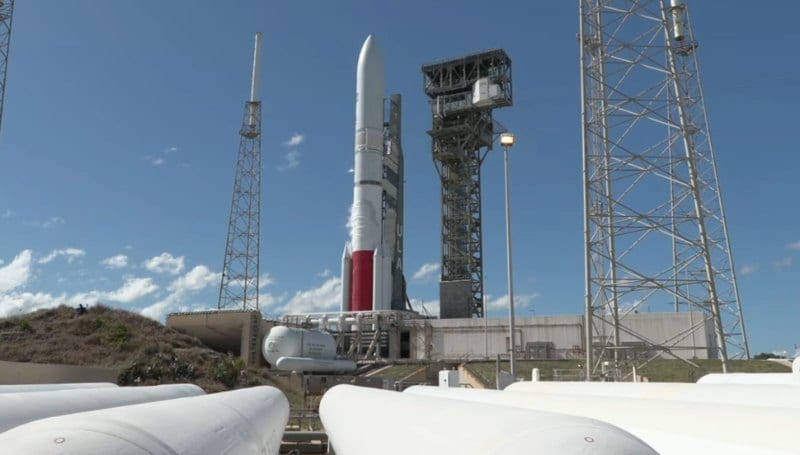
The investigation, which began soon after the launch, is still underway and is being overseen by the Federal Aviation Administration (FAA). “It is very early in the process, and we want to focus on the data and avoid speculation until the investigation is complete,” ULA said.
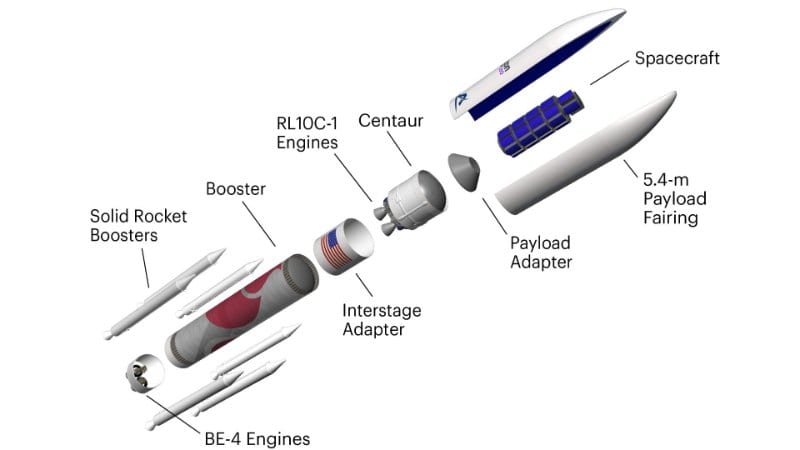
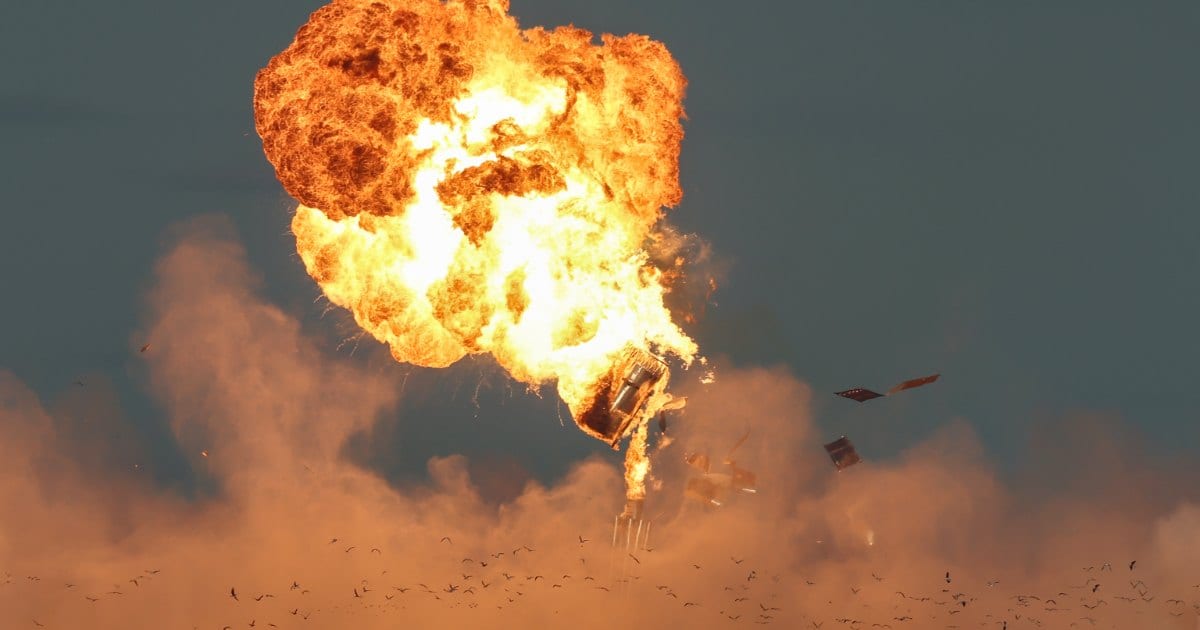
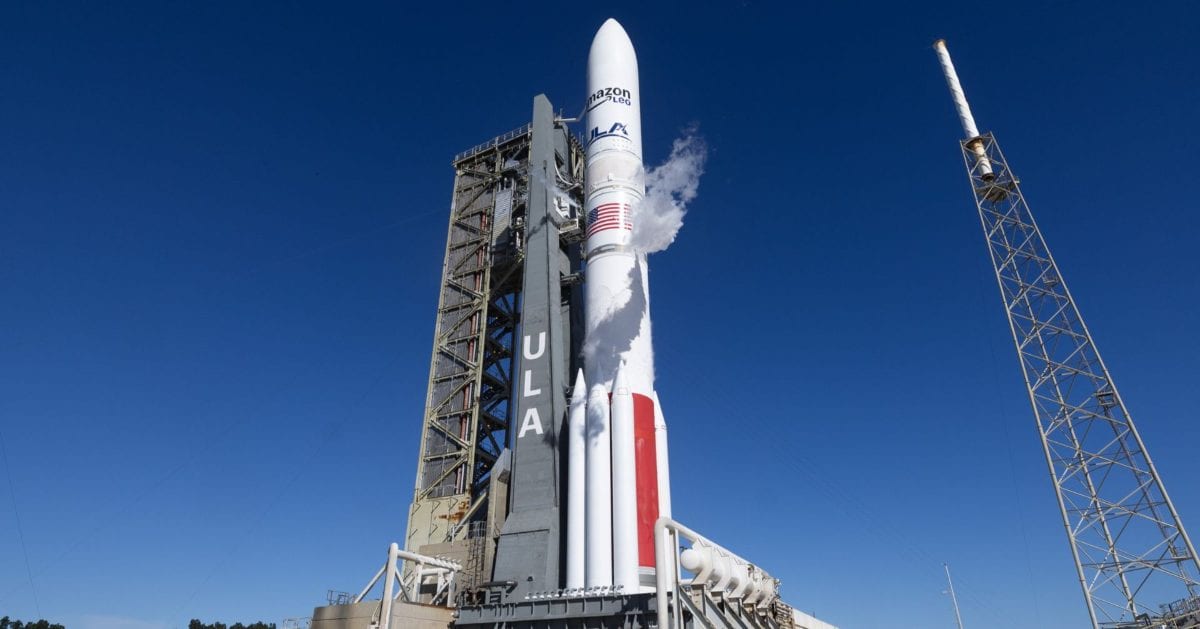
The rocket flown on the mission was the 215-foot (65.5-meter)-tall VC6L launch vehicle, which has six solid rocket boosters. Its core stage is powered by two BE-4 engines supplied by Jeff Bezos' Blue Origin. Interestingly, Blue Origin CEO Dave Limp was questioned about an update or lack thereof on the launch failure on X, to which he responded, "It is ULA’s mission, so they should provide the updates. We are supporting them with data and analysis from the BE-4s. Team Blue continues to ready the pad and New Glenn for our return to flight.” The BE-4 engines (seven of them) power the New Glenn as well, which suffered a disastrous explosion during a hotfire test in May, just days before it was supposed to launch with its own batch of Amazon Leo satellites. The vehicle has been recovering ever since.
@endless_frank @ulalaunch It is ULA’s mission so they should provide the updates. We are supporting them with data and analysis from the BE-4s. Team Blue continues to ready the pad and New Glenn for our return to flight.
— Dave Limp (@davill) November 17, 2026
The recent launch was the first of 38 missions Amazon has booked to expand its high-speed broadband satellite constellation. With Vulcan effectively grounded until the investigation is complete, 36 Leo satellites will launch aboard Arianespace’s Ariane 6 rocket on the next mission. The launch is scheduled on November 23 from Europe's Spaceport in French Guiana, and it will involve Ariane 6’s most powerful configuration—Ariane 64—equipped with four P160C solid rocket boosters. “This will be Arianespace's fourth launch for Amazon Leo, continuing the deployment of its satellite constellation to bring connectivity to more people around the world,” Arianespace said in its announcement. Amazon has booked several launches on SpaceX's workhorse Falcon 9 as well.
🚀 The launch window is set for VA271/LE-04! Ariane 6 is preparing for its 10th flight, carrying 36 Amazon Leo satellites into low Earth orbit. 📅 Liftoff is scheduled for November 23, 2026, from Europe's Spaceport in French Guiana, within the following window: - 06:09 - 06:38 (Washington, D.C.) - 08:09 - 08:38 (Kourou) - 11:09 - 11:38 (UTC) - 12:09 - 12:38 (Paris/Berlin) For this mission, Ariane 6 will fly in its most powerful configuration, Ariane 64, equipped with four P160C solid rocket boosters. This will be Arianespace's fourth launch for Amazon Leo, continuing the deployment of its satellite constellation to bring connectivity to more people around the world. Stay tuned as we get closer to liftoff! #LaunchingAmbitions #Ariane6 @AmazonLeo @ArianeGroup @CNES @esa @EuropeSpacePort
— Arianespace (@Arianespace) November 17, 2026
Amazon plans to build its constellation with more than 3,000 satellites that will provide high-speed internet similar to SpaceX’s Starlink. The company, however, has only seen about 400 of its satellites reach orbit across 14 launches since 2025.
More on Starlust
Elon Musk inspects Starship Flight 15 upper stage—'Could refly within weeks of refurbishment'
Rocket Lab completes 100th mission of Electron rocket faster than any commercial launch vehicle