'Heavily dependent on SpaceX': Meridian Space CEO talks launch crunch, satellite ownership and more

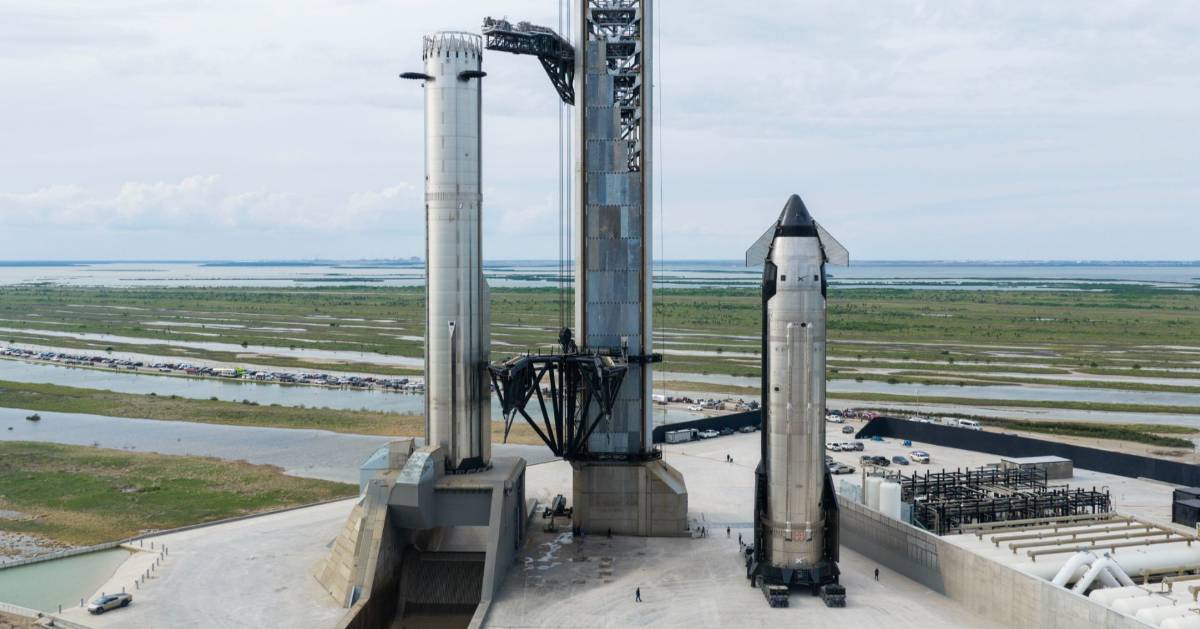
Last year, SpaceX executed a total of 165 orbital launches. This translates to nearly 51% of the global total number of launches and 85% of all satellite launches last year, according to the leading space research firm BryceTech. And even though the company's own Starlink satellites accounted for most of them, the next private launch provider on the list was Rocket Lab, which executed just 18 orbital launches last year. So it's clear that satellite operators rely heavily on SpaceX, but they're afraid they won't be able to do that for long, with the company planning to wind down operations of its workhorse Falcon 9 rocket and devoting the 407-foot Starship, which launched on Flight 15 past weekend, to primarily deploy its own payloads once it becomes fully operational. Massimiliano Ladovaz, the CEO of Meridian Space—a space infrastructure company based out of Long Beach, California, that is enabling organizations to control their own satellite networks—recently spoke to Starlust.org about the launch capacity crunch and how it's looking to address it.

Elon Musk recently announced plans for weekly Starship launches by next year. How do you think this could change launch strategies for satellite companies?
While weekly Starship launches would be a significant milestone for SpaceX, I don't believe they will materially change the situation for commercial satellite operators. SpaceX has enormous internal launch requirements, from Starlink and Starshield to its Direct to Device ambitions, so it is likely that much of Starship's increased capacity will be absorbed by these programs rather than made available to commercial customers. The real opportunity lies in developing new satellite technologies that dramatically reduce our dependence on launch capacity. At Meridian Space, we’ve designed smaller, lighter, more power-efficient satellites that make it possible to deploy an entire dedicated constellation in far fewer launches. This fundamentally changes the economics of satellite networks, enabling our customers to deploy their own infrastructure faster and more affordably, with greater control over their connectivity and less reliance on shared infrastructure.
How serious is the launch capacity crunch for satellite companies and how dependent is the industry on SpaceX?
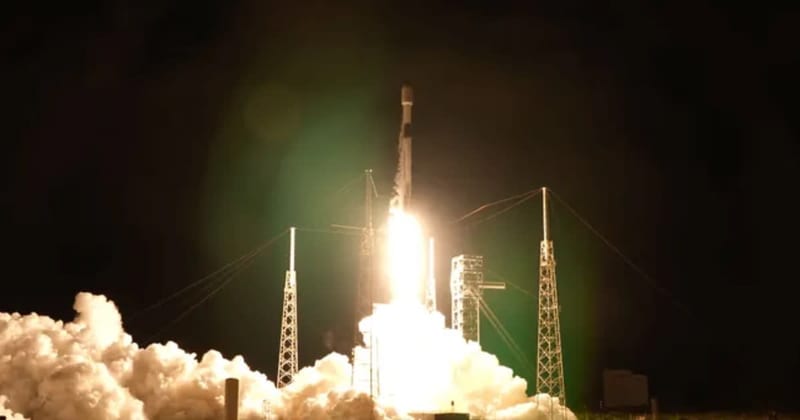
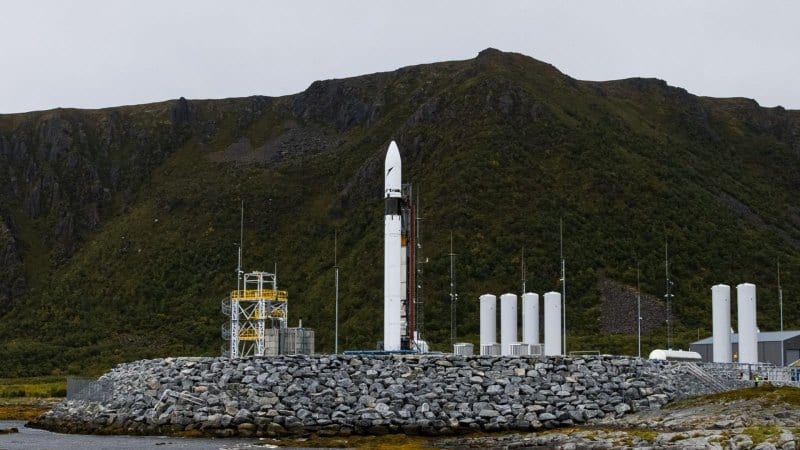
The launch capacity crunch is becoming one of the most serious challenges facing the growth of the satellite industry. The commercial market remains heavily dependent on SpaceX, which provides a significant proportion of available launch capacity. And with SpaceX's own launch requirements growing and alternative providers not yet operating at sufficient scale to meet demand, I don’t believe constraints will ease significantly before 2029. This is particularly important for Europe. I recently spoke at Luiss University about the need for greater European independence in space, especially as satellite infrastructure becomes increasingly critical to national security. Europe has exceptional engineering talent, but we need to move faster, encourage investment, encourage risk-taking, and build the capabilities to compete internationally. Companies like Germany's Isar Aerospace are positive examples of that progress. At Meridian Space, we're tackling this challenge by making it possible to deploy entire satellite constellations with dramatically fewer launches. Our vision is to fundamentally change the dynamics of the industry and reduce dependence on launch availability. We want to open the door to more countries and organizations to establish and control their own satellite infrastructure.
But why would a customer choose to own a satellite constellation rather than pay an established provider for connectivity?
For most, it comes down to control. When you buy connectivity from an established provider, you're relying on infrastructure owned by someone else, with that operator ultimately determining pricing, capacity allocation, and network priorities. Owning a constellation gives governments and commercial organizations control over their coverage, capacity, security, and operations. It can also offer significant long-term economic benefits, particularly for customers who plan to generate revenue directly from their infrastructure. Historically, the cost of deploying a dedicated network made ownership inaccessible to most organizations. Meridian is changing that through smaller, simplified satellite technology that significantly reduces deployment and running costs.

Do you think this model will be feasible and economical for the people in the U.S. and U.K.? What kinds of customers are you actually targeting?
We're not targeting individual consumers, but governments, defense organizations, telecommunications providers, and commercial enterprises that require dedicated, reliable connectivity. The U.S. and U.K. are particularly important markets given the growing demand for secure, resilient communications infrastructure. We also see significant opportunities for GEO (geostationary orbit) satellite operators looking to expand their capabilities into LEO. Meridian enables these organizations to own and control dedicated satellite constellations, tailored to their specific operational, geographic, and commercial requirements, rather than depend entirely on third-party networks. Our technology is fundamentally changing the economics of satellite ownership, making it possible to establish an entire LEO constellation at a cost comparable to that of a traditional GEO satellite system. This opens up opportunities for organizations that previously would not have considered owning their own satellite network.

How has SpaceX changed the way satellite companies operate over the past three years?
Beyond increasing accessibility and frequency of launches, SpaceX has fundamentally changed the mindset of the space industry. It has challenged the traditional approach to designing, developing, manufacturing, and operating space systems, demonstrating that things can be done faster, more efficiently, and at dramatically lower cost. That mindset has been contagious and has influenced an entire generation of space companies, including Meridian Space. It has encouraged us to question established approaches and develop new technologies that challenge what was previously considered possible. Our First Customer Link mission, which launched entirely new satellite technology aboard SpaceX's Transporter-18 in October 2026, is a clear example of this approach. Ultimately, this kind of competition and willingness to rethink how things are done benefits the entire industry.

Is Europe's growing space industry being driven more by commercial opportunities or by the need to reduce dependence on the U.S.?
I think both factors are increasingly connected. Europe has a strong satellite and telecommunications heritage, with significant commercial opportunities as demand for secure, resilient connectivity grows. At the same time, governments increasingly recognize that satellite communications are strategically important, and relying entirely on infrastructure controlled elsewhere creates dependencies. Instead of moving away from the U.S., which remains a vital partner in space innovation, it's important to ensure Europe has greater control over its critical infrastructure. Making dedicated satellite networks more affordable helps address both the commercial opportunity and the strategic need for greater independence and control.
If reducing dependence on the U.S. is one of the driving forces, how could owning satellite infrastructure help Europe achieve greater connectivity independence in the near future?
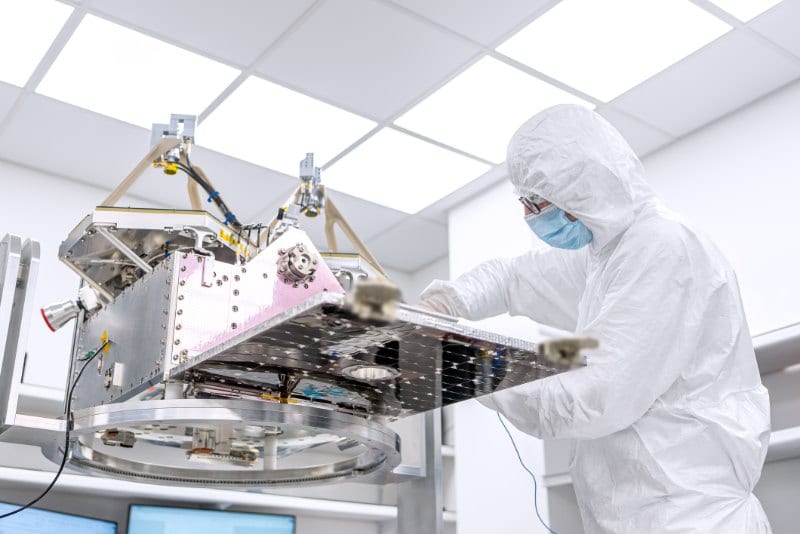
Ownership gives governments and organizations direct control over their communications infrastructure, rather than relying on another operator's commercial decisions or network priorities. With a dedicated constellation, customers can determine coverage, capacity, security, and operational requirements. Meridian's architecture also keeps intelligence, routing, and security processing within the customer's own ground infrastructure. Crucially, we're working to make this economically achievable so that dedicated networks can be accessible to more organizations. Ownership won't eliminate every external dependency, but it represents a significant step towards greater connectivity independence.
Your first prototype is now operational in orbit. What has it achieved per expectation and what are the key milestones before you can start delivering your proposed service to customers?
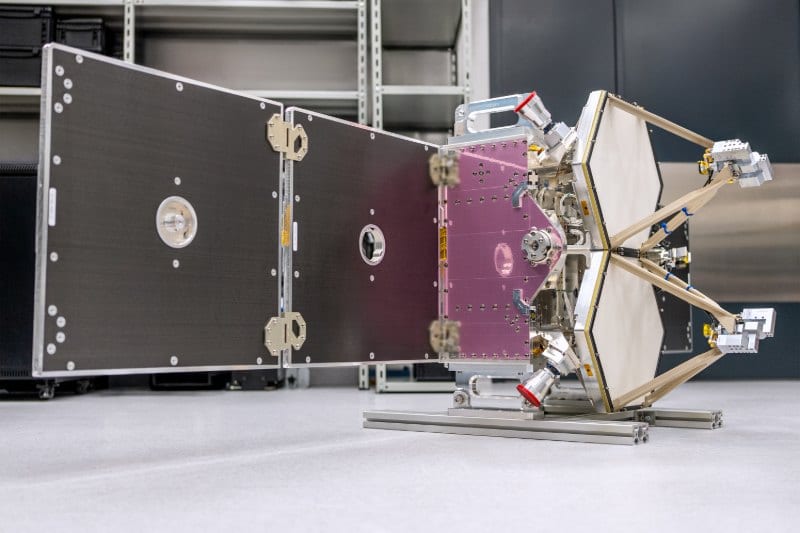
Our First Customer Link (FCL) mission successfully launched on October 1 (2026), and the satellite is operating as planned following the initial activation of our communications payload in orbit. This is a significant achievement for Meridian Space and marks the culmination of five years of development and testing of our proprietary reflectarray antenna technology. The next major milestone is establishing a live communications link, followed by further in-orbit testing to validate performance against our ground results and identify any refinements needed. Importantly, FCL is more than a technology demonstration. It establishes the foundation for our first commercial satellite offering, built around a standardized, repeatable architecture that can be deployed and scaled to meet different customer requirements. By leveraging a common satellite design, we can significantly reduce development timelines, costs, and technical risk compared with traditional bespoke constellation programs. We are targeting initial customer deliveries beginning in mid-2027, with the ability to support progressively larger deployments as we scale production.
More on Starlust
"Starship 2-3 years away from hourly flights": SpaceX CEO Elon Musk reaffirms launch cadence goals
SpaceX seeks FAA approval for over 450 Starship launches per year from Starbase in Texas