As SpaceX makes history, Elon Musk recalls how the company started: '90 percent chance of failing'
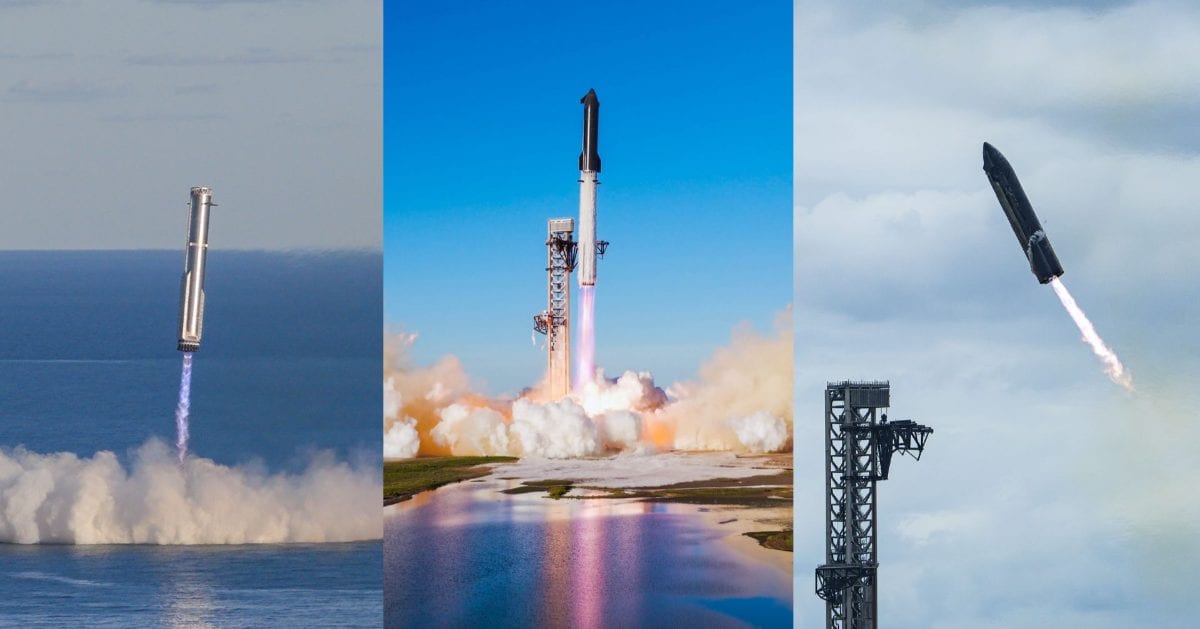
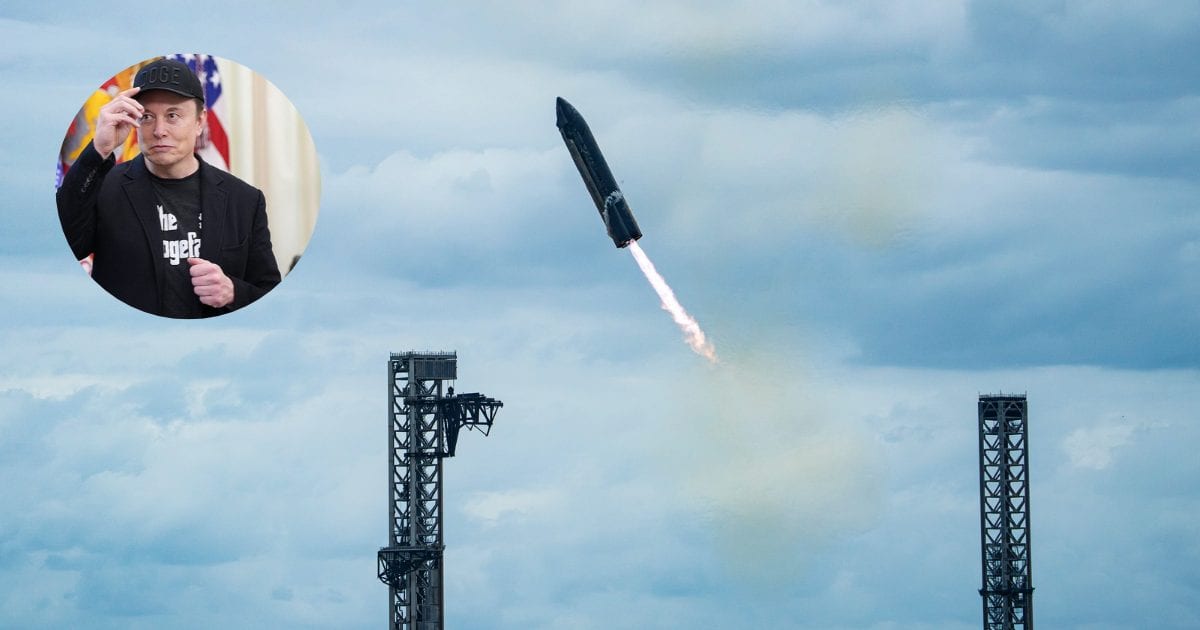
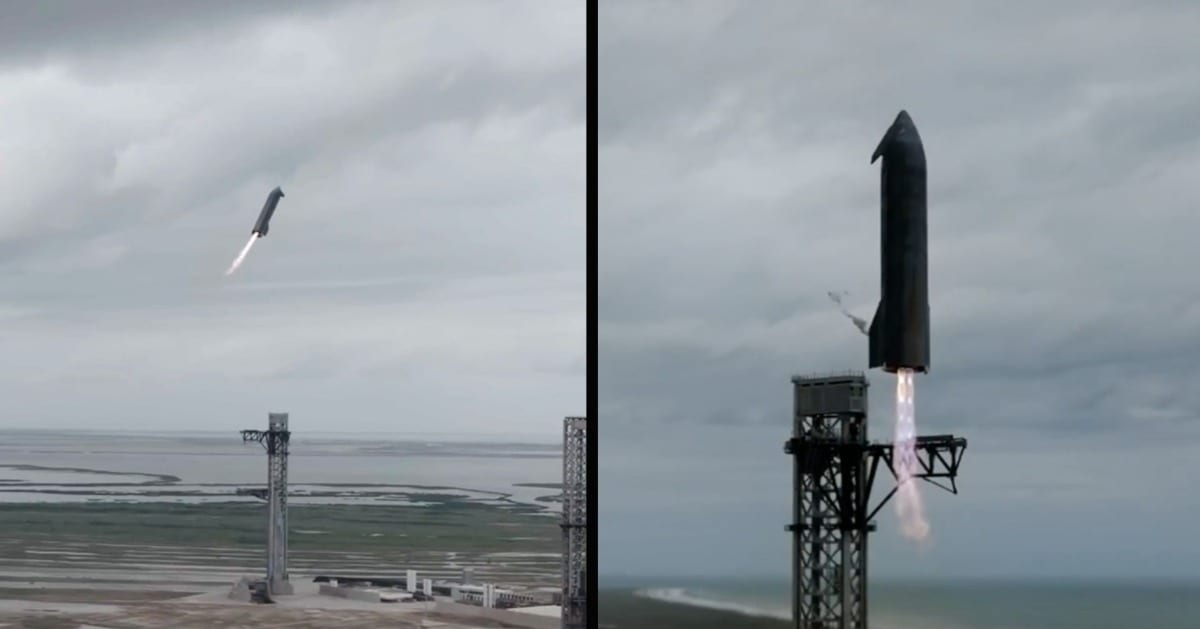
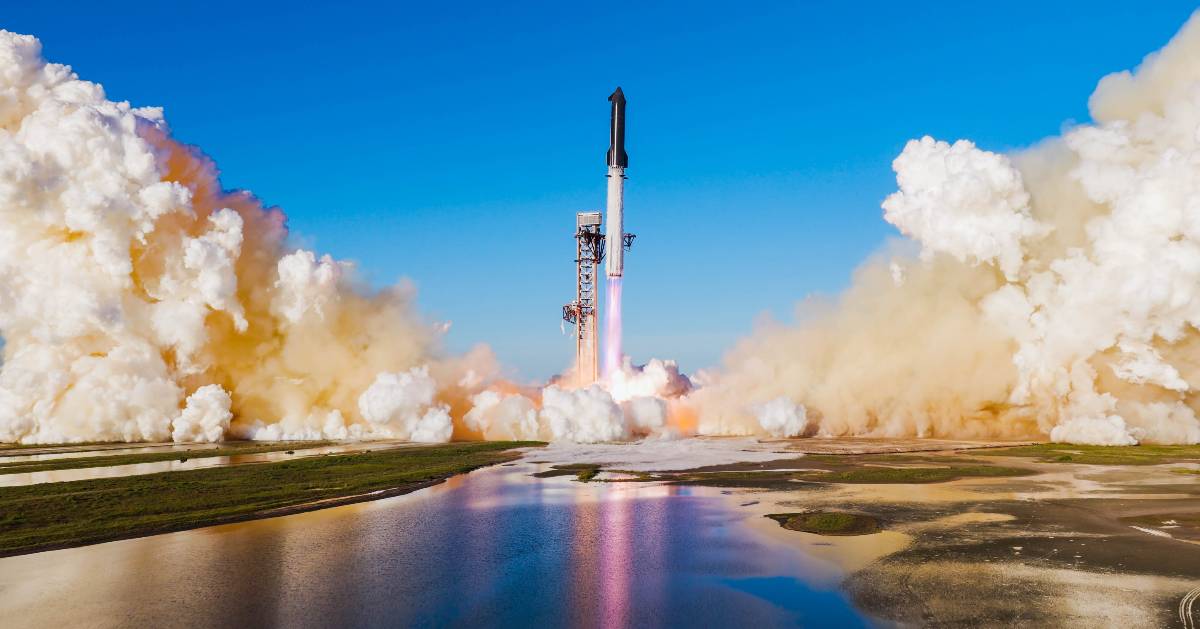
SpaceX recently made history by achieving a successful catch landing of Starship's upper stage with Flight 15. This could spell the start of a new era for spaceflight—one that involves rapid reusability of rockets and reduced launch costs. That said, success hasn't always come easy for SpaceX. In a 2025 talk by the company's founder, Elon Musk, which resurfaced on X a few days after Flight 15 success, recalls some of the challenges of setting up what is now the most prolific launch provider in the world. Musk retrospectively put the odds overwhelmingly in favor of failure for the company—officially referred to as Space Exploration Technologies Corp. "So SpaceX, I started that in mid-2002 expecting to fail. Probably 90 percent chance of failing," said the CEO of the trillion-dollar company.
That’s how it happened
— Elon Musk (@elonmusk) November 16, 2026
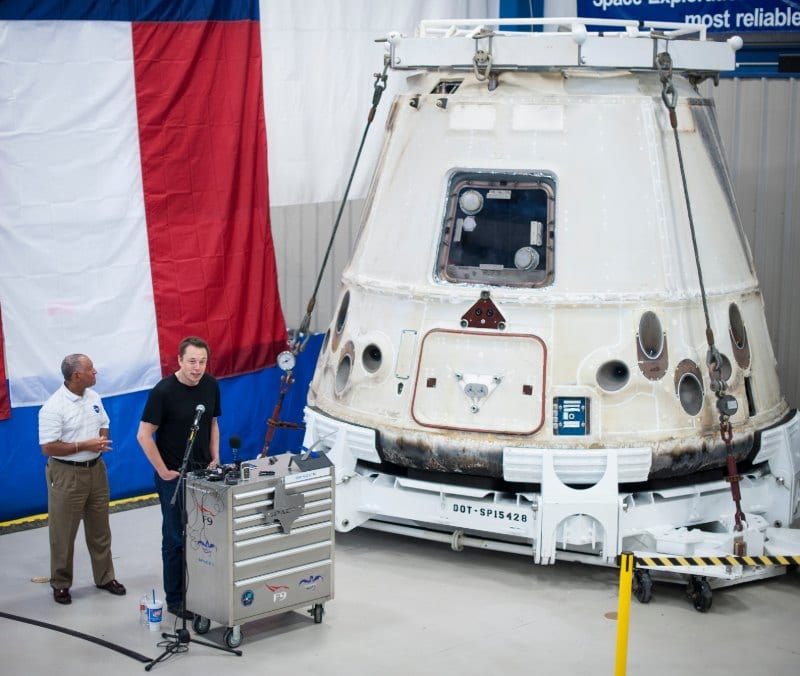
Musk described how difficult it had been to get the company up and running, especially when it came to recruiting the right people. “I ended up being chief engineer of the rocket, not because I wanted to, but because I couldn’t hire anyone who was good. None of the good chief engineers would join, because they’re like, this is too risky, you’re going to die," Musk recalled. Some of the first employees that Musk hired were Gwynne Shotwell (current President and COO of SpaceX) and Tom Mueller, who left SpaceX to create another company, Impulse Space. "When recruiting people, I didn’t try to make out that it would work," added Musk.
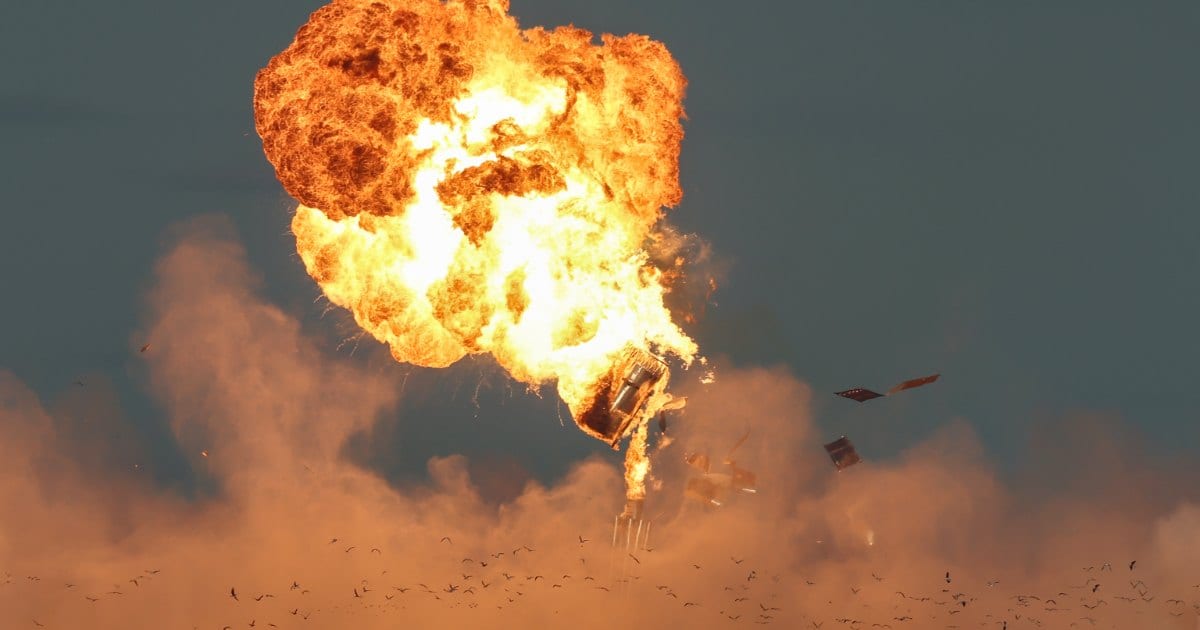
The risk being alluded to has been ever-present in the industry, and in the exploration of space at large. SpaceX experienced this when its first three test demonstrations of the Falcon 1 rocket failed to execute their missions between 2006 and 2008. The first of those tests ended roughly 30 seconds after liftoff. Even though the company eventually managed to achieve orbital flight—coming dangerously close to insolvency in the process—there was considerable backlash. The latter was a result of safety concerns that many veterans in the field of spaceflight perceived amid a climate of increased reliance on commercial partners for trips to space.
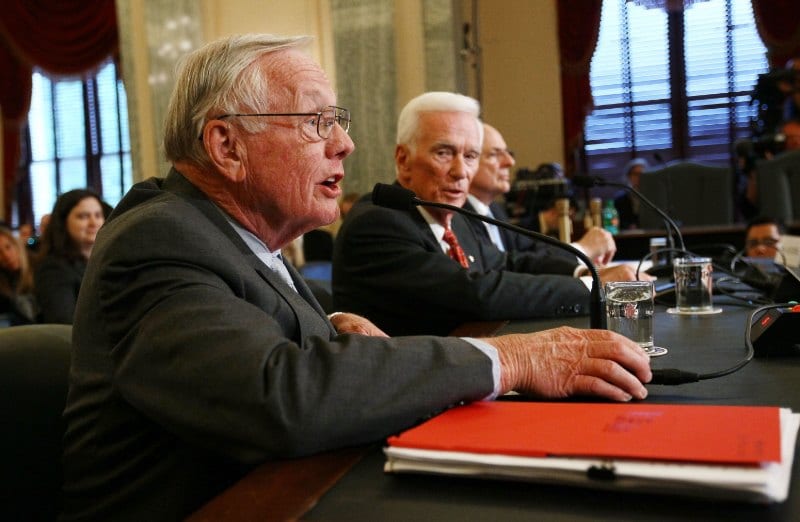
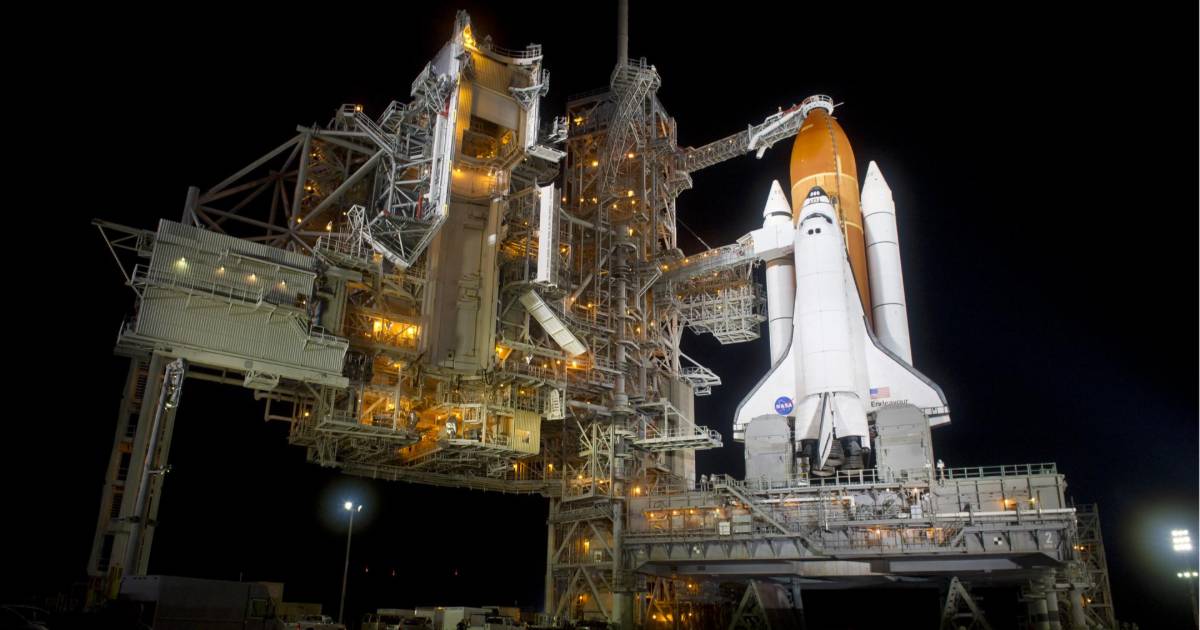
This manifested in the form of Congressional testimonies from Apollo astronauts Neil Armstrong and Gene Cernan in 2010, who questioned the safety and readiness of relying on commercial partners for human spaceflight. Ahead of the Space Shuttle's planned retirement in 2011, NASA had already begun investing in private alternatives—awarding SpaceX a Commercial Orbital Transportation Services (COTS) development agreement in 2006, followed by an operational Commercial Resupply Services (CRS) cargo contract in 2008. Skepticism began to fade by May 2012, when SpaceX accomplished the first commercial launch and berthing of its Dragon cargo capsule with the International Space Station (ISS) atop a Falcon 9 rocket.
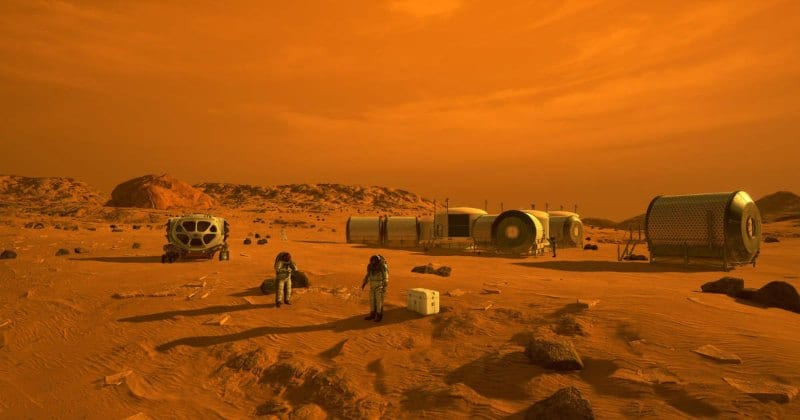
SpaceX has its roots in Musk's fascination with making humans a 'multi-planetary species'. The story goes that, around the time when SpaceX was being conceived, Musk went to Russia in an attempt to buy intercontinental ballistic missiles (ICBMs). The idea was to repurpose them into low-cost launch vehicles to send a small greenhouse to Mars. While Musk was not able to secure an ICBM owing to how expensive they were, he turned SpaceX's focus towards making space travel cheaper and more accessible than it had been. The company's latest efforts with Starship serve as an indication of what that future envisioned by Musk could look like. Starship is being developed as a completely reusable spacecraft that can put massive amounts of cargo into space in one go—serving immediately as a lunar lander for NASA's Artemis program and Musk's newly prioritized Moon base, before eventually serving as a platform for building a self-sustaining Martian civilization. "I said we’re probably going to die, but there’s a small chance we might not die, and this is the only way to get people to Mars and advance the state of the art," reminisced Musk.