Life on Jupiter's moon Europa may be harder to find than scientists hoped, new study suggests
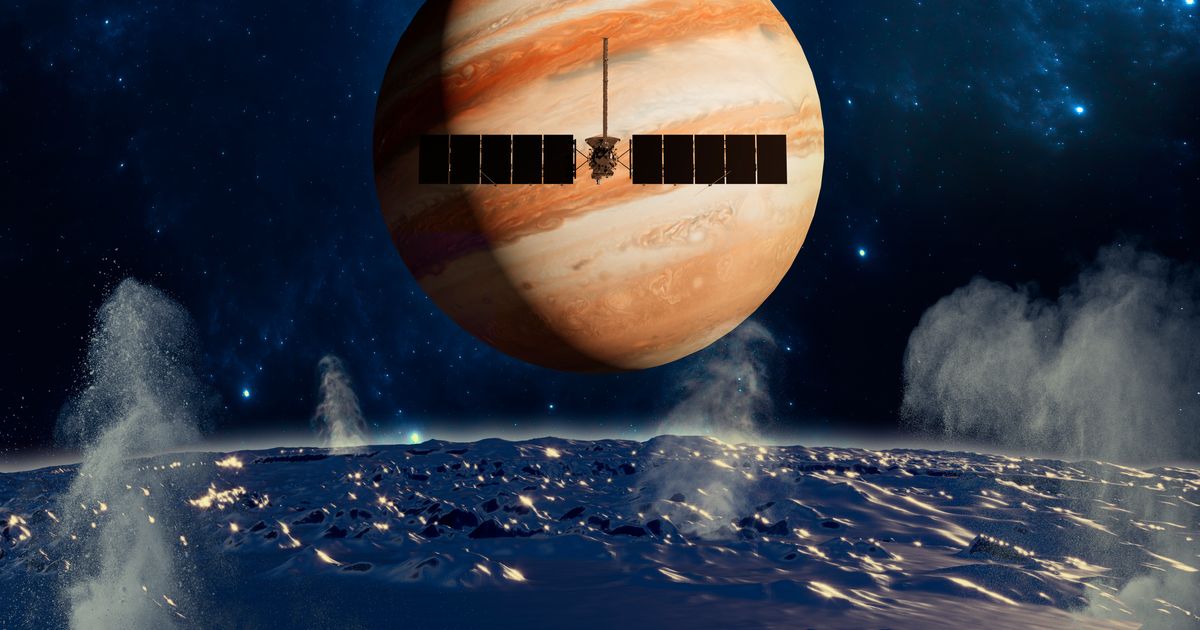
Jupiter's moon Europa has long been studied as one of our best bets for finding life beyond our planet. This is largely because of the vast ocean scientists believe is hiding under its icy shell. But now, new research suggests that the ocean we are looking for might be a lot harder to reach, or even detect, than anyone had assumed. To find out why, the researchers focused on one key question. Lead researcher Lujendra Ojha, an associate professor in the Department of Earth and Planetary Sciences at the Rutgers School of Arts and Sciences, sought to answer a key question: "Can liquid water rise from Europa's deep ocean toward the surface without freezing along the way?"
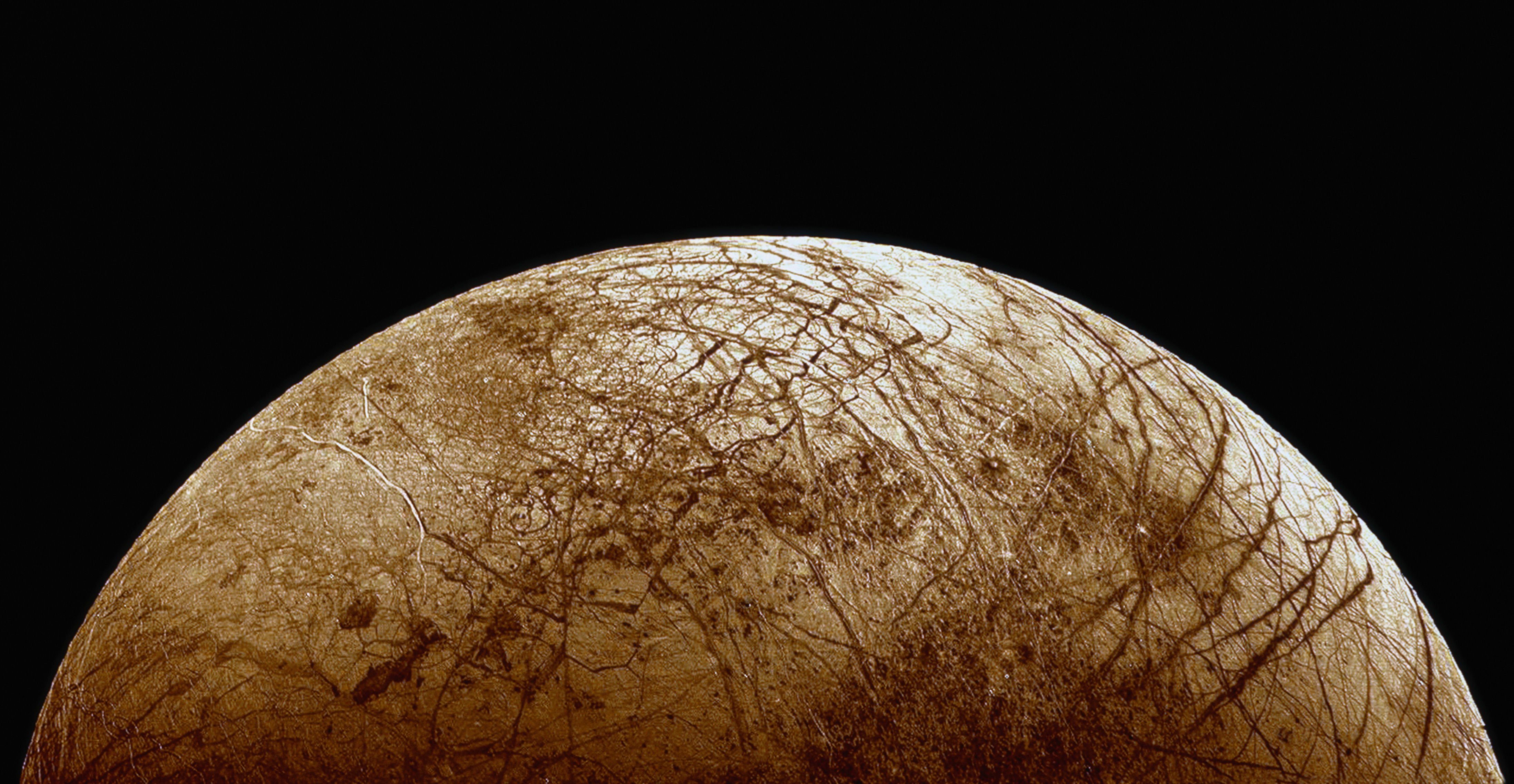
To find out, the team ran computer simulations to test if water from that buried ocean could actually travel upward through cracks in the ice and pool closer to the surface, where a future spacecraft could sample it. Based on the findings, which are now published in Nature Astronomy, the answer is largely no. "There's an icy shell, there's water underneath, and there's all this speculation about how that water can come from deep underground and make its way all the way up without freezing en route," Ojha noted. "That's really what we think we disproved."
But why does the water keep freezing before it gets anywhere?
The researchers studied dikes, which are narrow cracks in the ice that could potentially work like pipes and push ocean water upward. Earlier models assumed this water flowed in a smooth and steady way (laminar flow). But Ojha's team found that the flow was actually more turbulent and unpredictable. So, instead of moving calmly, the water would constantly swirl and churn as it mixed against the freezing walls.
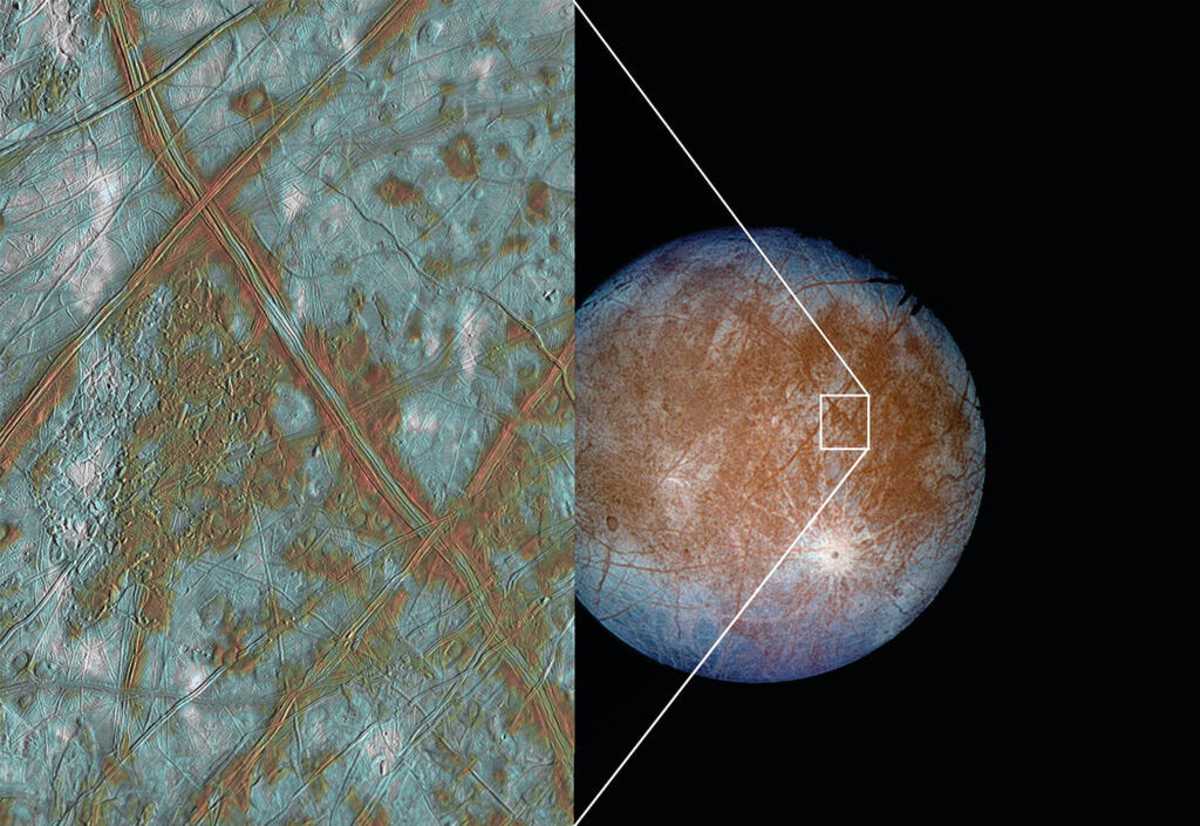
"This water that's going to come up, it's going to be turbulent," Ojha said. "It's going to be left and right, it's going to be up and down, it's going to have a swirling motion. And when that happens, that liquid water is going to cool very, very fast as it approaches the surface." Because of this rapid cooling, the water dips below its normal freezing point while staying liquid—a state called supercooling that allows small ice crystals called frazil ice to form and quickly clog the fracture.
So what does this mean for our search for life on Europa?
Scientists have been studying Europa for years, mainly because it appears to have liquid water as well as the right chemicals and energy needed to support life all in one place. If there are actually shallow pockets of water near Europa's surface, this study suggests they probably didn't come up from the deep ocean. Instead, they may have formed when parts of the ice shell melted in place. And if that's true, those pockets of water would be much less useful for learning about what Europa's deep ocean is really like. Explaining this, Ojha said, "Our work suggests that Europa's ice shell may be a stronger barrier between the ocean and the surface than previously assumed. This helps future missions interpret what they find and better understand where to look for signs of habitability."
What’s next in the search for life on Jupiter’s Moon?
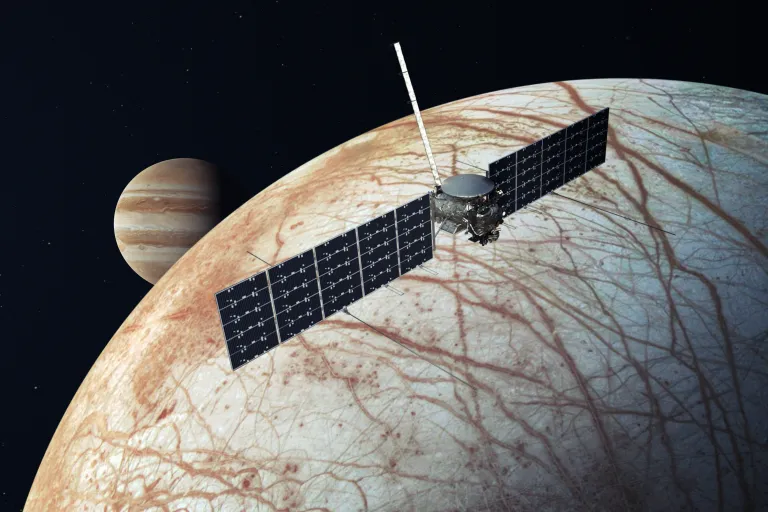
Currently, there are two missions already on their way to Jupiter. The first is NASA's Europa Clipper, launched in October 2024, which is due to arrive in April 2030 and will make 49 close flybys of the moon. Second is ESA's JUICE mission, launched in April 2023, which is expected to reach Jupiter in July 2031. Radar instruments on Europa Clipper should help researchers figure out whether shallow reservoirs actually exist, and if they do, how big and how deep they run. With this new modeling in hand, scientists will have a better sense of what any shallow water they detect can, and can't, tell them about the ocean far below.
More on Starlust:
We may have overlooked one of the biggest clues to alien life, says expert
Astronomer reveals one of the biggest misconceptions about alien life