$2 billion boost to speed up Artemis: White House seeks additional funding for NASA from Congress
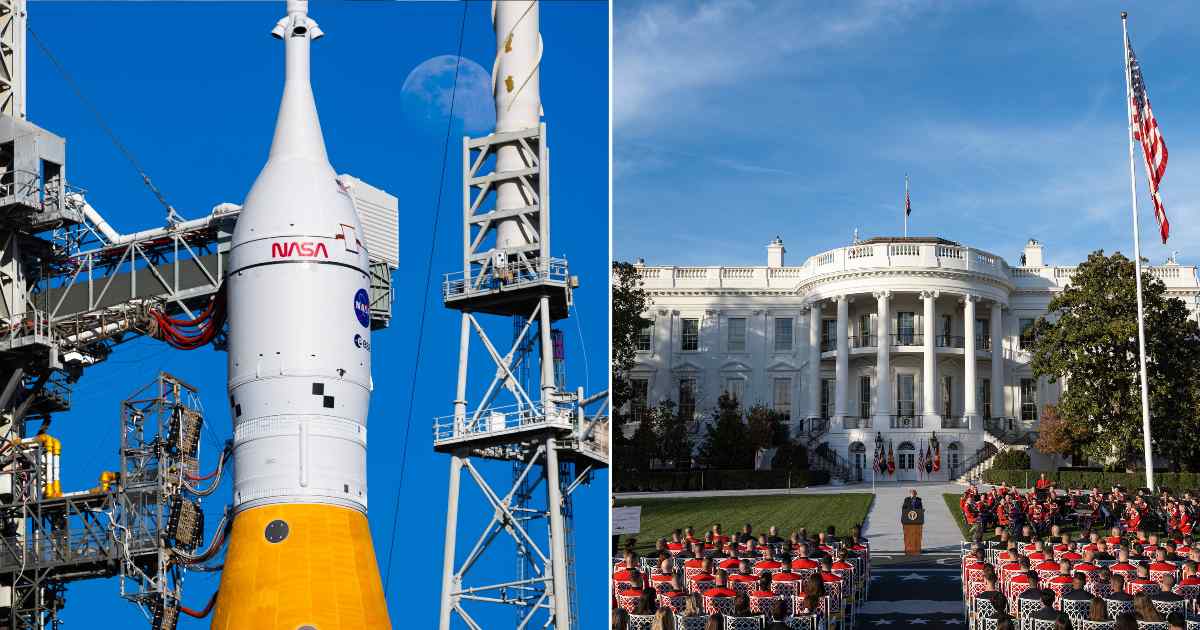
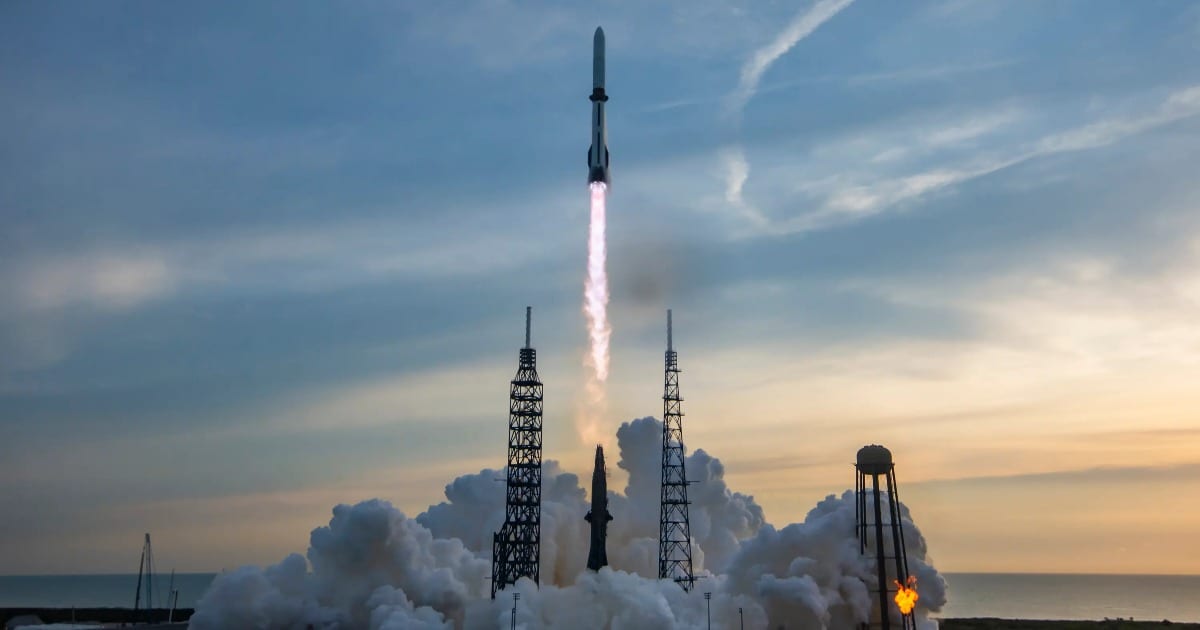
The White House has sought approval from the U.S. Congress to raise the annualized funding rate by $2 billion to meet the schedule for NASA's Artemis program. This increase could amount to a roughly 25 percent boost to Artemis's expenditures above the previous financial year's level of $7.8 billion, part of NASA's $24.4 billion overall budget. The added funding is meant to accelerate the agency's supply chain through in-house manufacturing as well as modernize its capabilities in producing spacecraft thrusters and hardware related to its Space Launch System (SLS) rocket. This boost in Artemis funding, if approved, could put the agency and its partners in good stead for beating China to the Moon and establishing a human presence near the lunar south pole.
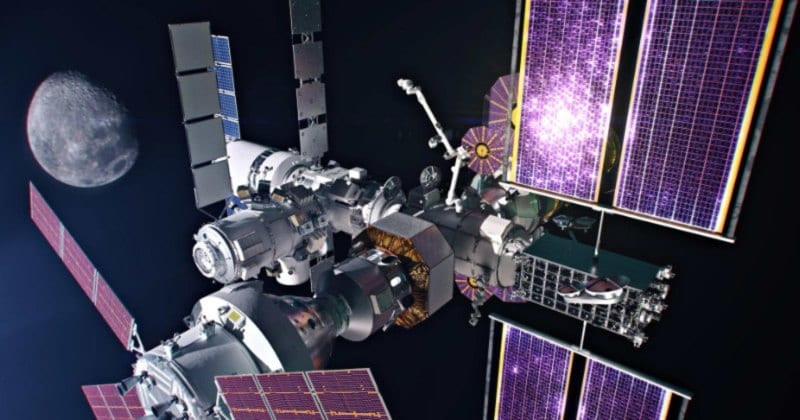
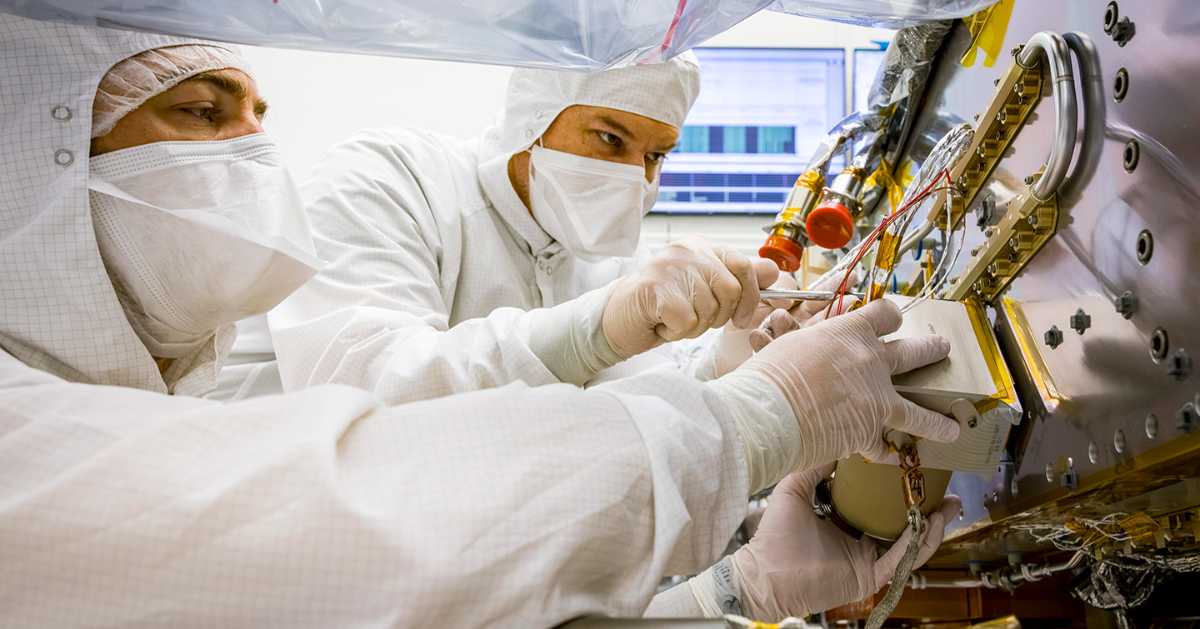
Some of the other areas of improvement for NASA that the White House document identified relate to lunar surface infrastructure as well. At the moment, the upcoming surface systems NASA could potentially use include Northrop Grumman's Lunar Infrastructure Demos. These pieces of hardware will repurpose technology from the HALO module of the Gateway lunar space station, which the agency shelved in favor of building a Moon Base on the lunar surface. However, delivery of this surface hardware depends on NASA's ability to work around industry-wide bottlenecks across its aerospace contractors. As explained by the White House document, shared by Ars Technica, "With the intersection of NASA’s supply chains with those of other agencies’, NASA needs to build and retain the ability to manufacture complex low-rate components and major assemblies both to meet its mission but also to offload supply chains for other national priorities." The document also stressed how the agency must modernize its development and production processes along with the speed with which it does this so as to provide appropriate value back to the taxpayer. "Without this funding, activities would be delayed, missing the required operational need date," it warned.
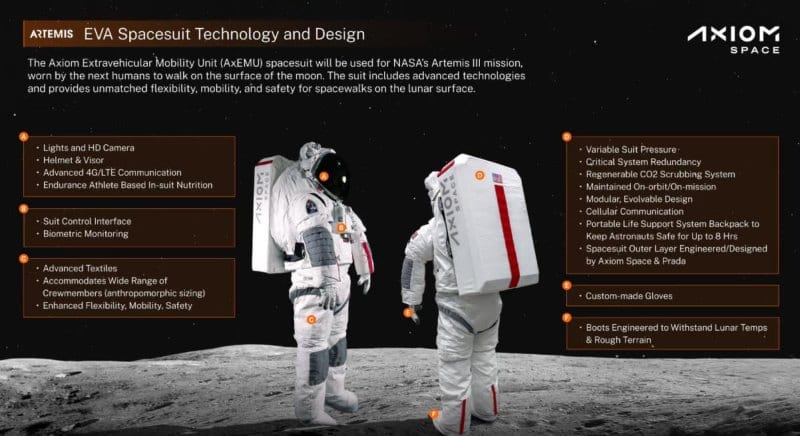
The increase in funding could also help NASA improve its spacesuit development timelines. One of the delays that could possibly rear its head for the agency proceeding with its Artemis plans lies in this domain, as described earlier this year in a NASA Office of Inspector General (OIG) report. It alerted against possible hurdles in the development of next-generation spacesuits. At present, NASA is poised to rely on next-generation suits being built by its contractor Axiom Space, called AxEMU. NASA paid heed to that OIG report by later asking Axiom to revise the spacesuit design to a simpler "sortie" suit for the Artemis IV Moon landing in 2028.
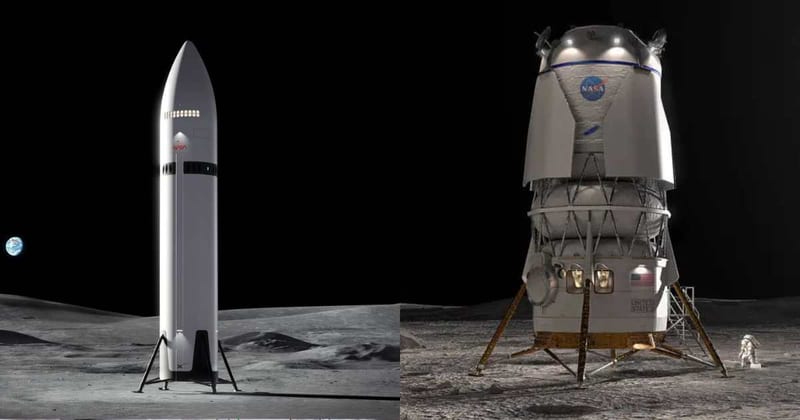
Similar pressures have also been a feature of the development timelines for the lunar landers themselves. NASA is relying on Human Landing System spacecraft being built by SpaceX and Blue Origin to have humans land on the Moon after more than 55 years. SpaceX's plan involves demonstrating a landing through an uncrewed Starship mission before the end of 2027, while Blue Origin is targeting its own uncrewed demonstration in the first quarter of 2028. The final HLS vehicles by both companies will need to keep up with these time frames in order to qualify the spacecraft in time for the Artemis IV and V missions. In this light, NASA has stepped in to help both partners deal with supply chain bottlenecks, knowing that any delays in lander development could threaten the agency's objectives.
The White House also highlighted the request, if approved, would allow NASA to fulfill its priorities in accordance with the National Space Policy. The latter, outlined by the Trump administration in December 2025, called for the agency to lead international cooperation on mutually beneficial space activities and ensure American superiority in space. This will be done by extending human economic activity into deep space, not only through the establishment of the Moon Base, but also by working with private industry and international partners to send human missions to Mars. In the context of the space race with China, top officials at NASA—including Administrator Jared Isaacman—have expressed fears about the U.S. falling behind its geopolitical rival amid broader fiscal pressures, which could possibly lead to China setting up an off-limits zone around its own lunar station.
More on Starlust
'Dodged a bullet': NASA chief Jared Isaacman relieved by delay in China's Chang’e-7 Moon mission
Robot dogs on the Moon? China could use them to build and guard permanent lunar bases, says report