Cygnus XL packed in SpaceX Falcon 9 for final cargo mission of 2026 to ISS—here's how to watch live
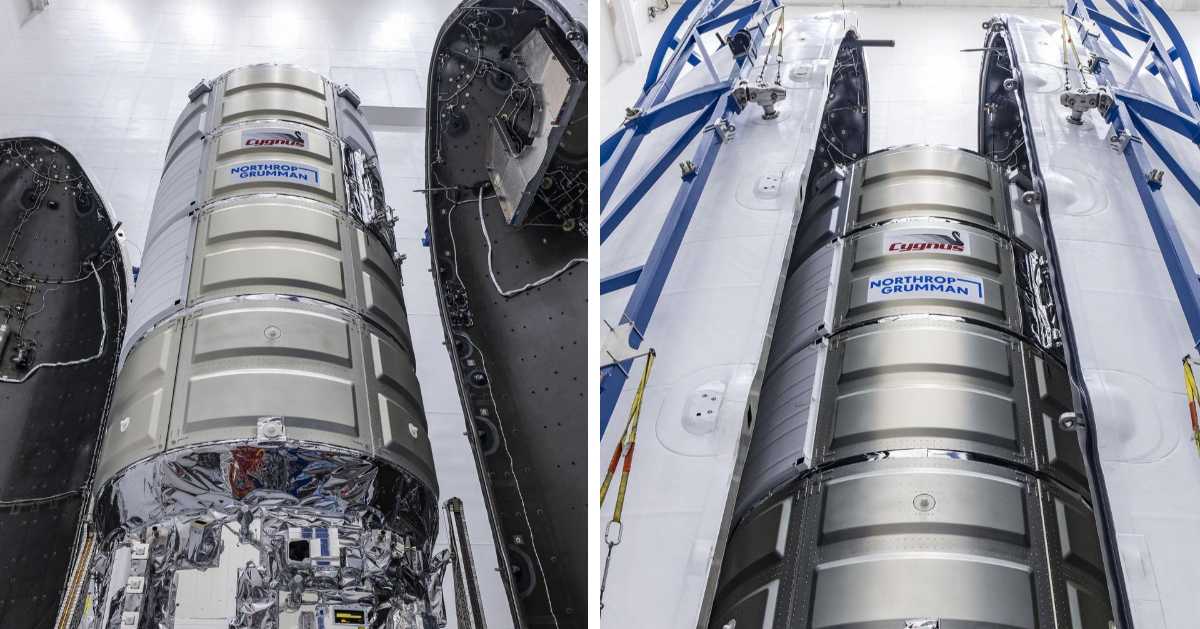
SpaceX is all set for the final cargo delivery mission of 2026 to the International Space Station (ISS). A SpaceX Falcon 9 rocket is scheduled to lift off with Northrop Grumman’s Cygnus XL spacecraft at 10:47 pm EST on November 29 from Space Launch Complex 40 at Cape Canaveral Space Force Station in Florida, with a backup opportunity available at 10:24 am EST the next day. Taking to X, SpaceX shared pictures of the Cygnus spacecraft, which has been encapsulated inside the Falcon 9 rocket’s payload fairing.
Teams encapsulated the Cygnus XL spacecraft earlier this week ahead of Falcon 9’s launch of @northropgrumman's commercial resupply mission to the @Space_Station. Liftoff is targeted for 10:47 a.m. ET on Sunday, November 29 → https://t.co/7HN2qI13he https://t.co/Nk2DIJ4rvY
— SpaceX (@SpaceX) November 25, 2026
The upcoming mission will mark the ninth flight of the Falcon 9 first stage booster, which previously launched KF-01, IMAP, NROL-77, GPS III-9, CRS-34, NROL-95, CRS-35, and one Starlink mission. The booster will land on Landing Zone 40 (LZ-40) at Cape Canaveral after separating from the upper stage. The launch will be broadcast live on SpaceX’s website and X profile starting about 20 minutes prior to liftoff. You can also watch the event on NASA’s X handle, YouTube, and NASA+.
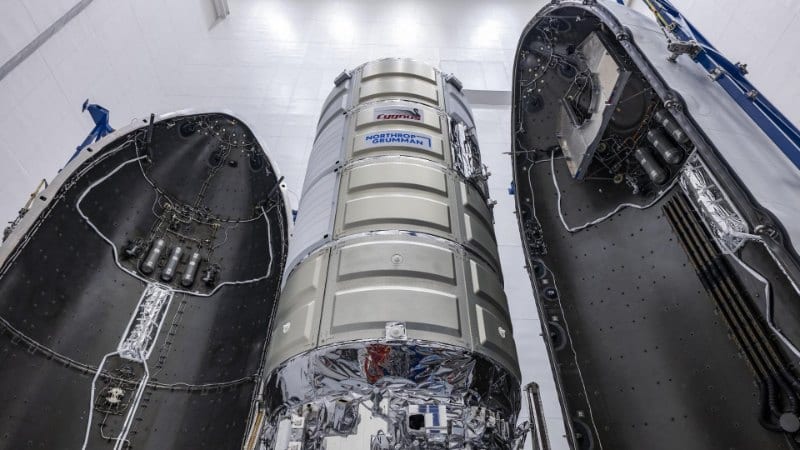
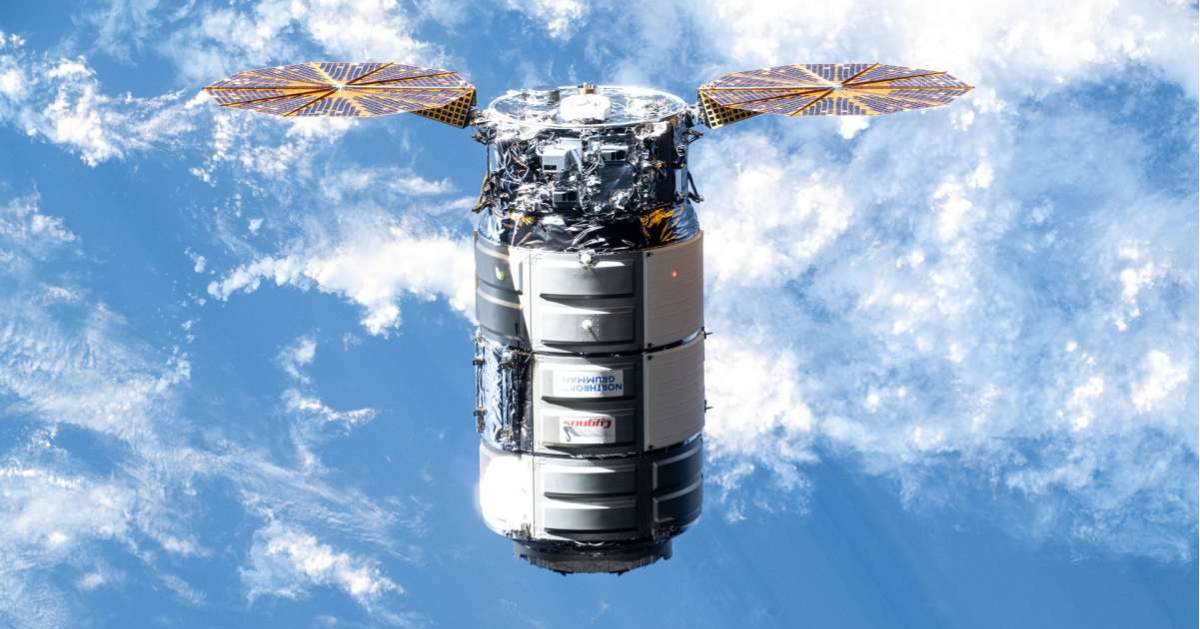
According to NASA, the Cygnus spacecraft will be carrying more than 11,000 pounds of science investigations, supplies, and equipment to the space station. “After arriving at the International Space Station, NASA astronauts Jessica Watkins and Luke Delaney, who are living and working aboard the space station, will use the Canadarm2 robotic arm to capture the Cygnus XL on Tuesday, December 1,” the agency said in a statement. “Ground controllers then will install it to the Unity module’s Earth-facing port for cargo unloading.”
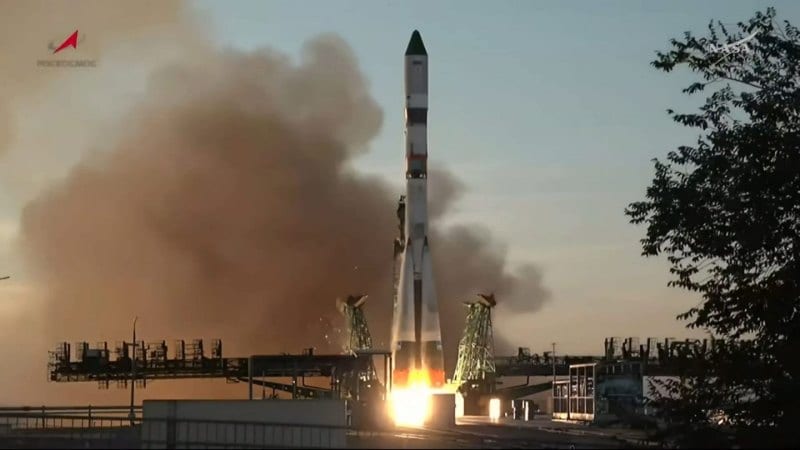
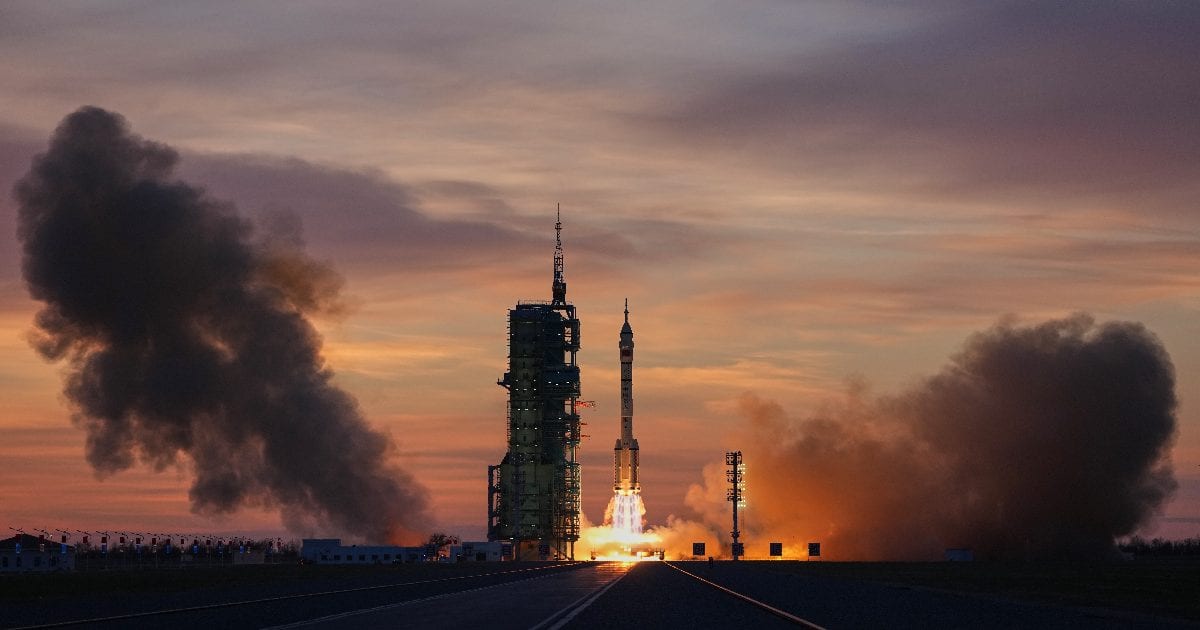
There’s another cargo spacecraft currently on its way to the orbital lab. On Tuesday, November 24, the Russian space agency Roscosmos’s Progress 97 spacecraft lifted off at 5:17 am EST on a Soyuz rocket from the Baikonur Cosmodrome in Kazakhstan, and it’s scheduled to dock at the Rassvet module at 7:11 am on November 26. This Thanksgiving delivery includes about three tons of food, fuel, and supplies for the Expedition 75 crew living aboard the station. The coverage of the spacecraft’s arrival and docking will begin at 6:30 am on NASA+, YouTube, and X.
Upcoming SpaceX mission
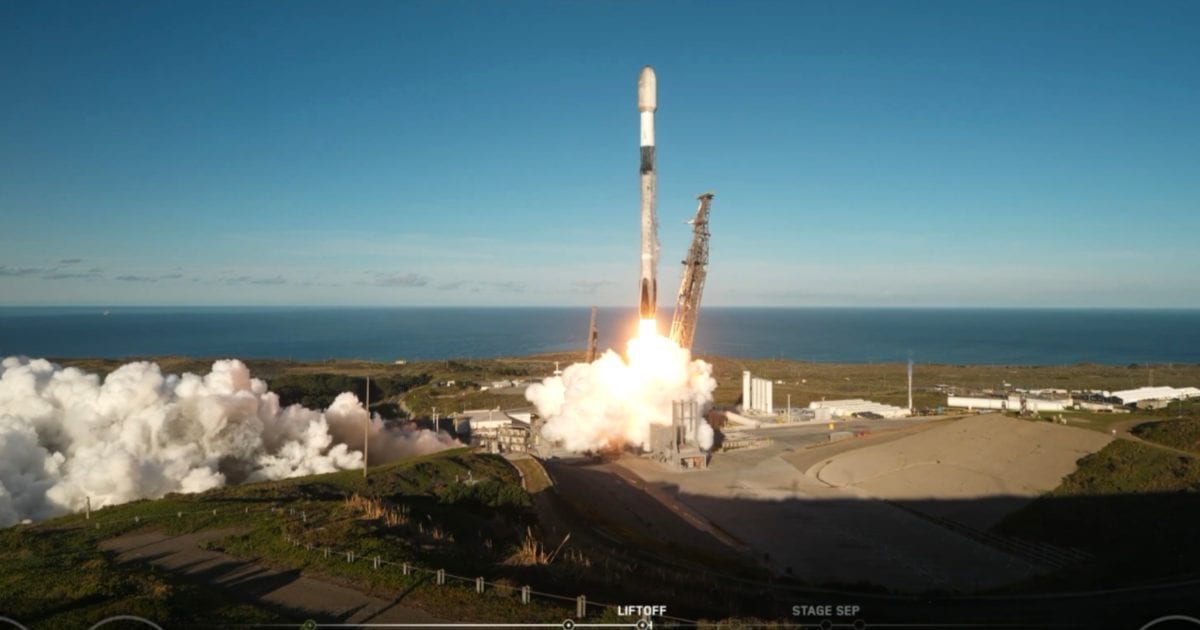
SpaceX has another mission lined up this month. It is the USSF-380 for the U.S. Space Force that is targeted for launch on Saturday, November 28, within a four-hour launch window that opens at 8:39 pm PST from Space Launch Complex 4E at Vandenberg Space Force Base in California. There's a backup opportunity the next day as well, but that window will open at 6:26 p.m. PST. It will mark the 27th flight of the Falcon 9 booster, which has previously launched USSF-62, OneWeb Launch 20, NROL-145, Transporter-18, and 22 Starlink missions. As always, SpaceX has not disclosed any details about the payload due to its confidential nature.
Liftoff! https://t.co/9wGDVxiG4O
— SpaceX (@SpaceX) November 24, 2026
Yesterday, it launched the USSF-266 mission from Vandenberg, completing the 29th flight of the first stage booster. Just last Sunday, SpaceX broke the record for the fastest turnaround time between two missions from the same launch pad in California. It launched back-to-back missions just 32 hours and 3 minutes apart, breaking the previous record of 45 hours between two launches from Cape Canaveral.