Shenzhou-24: China launches crew of three including Pakistan's first astronaut to Tiangong Space Station
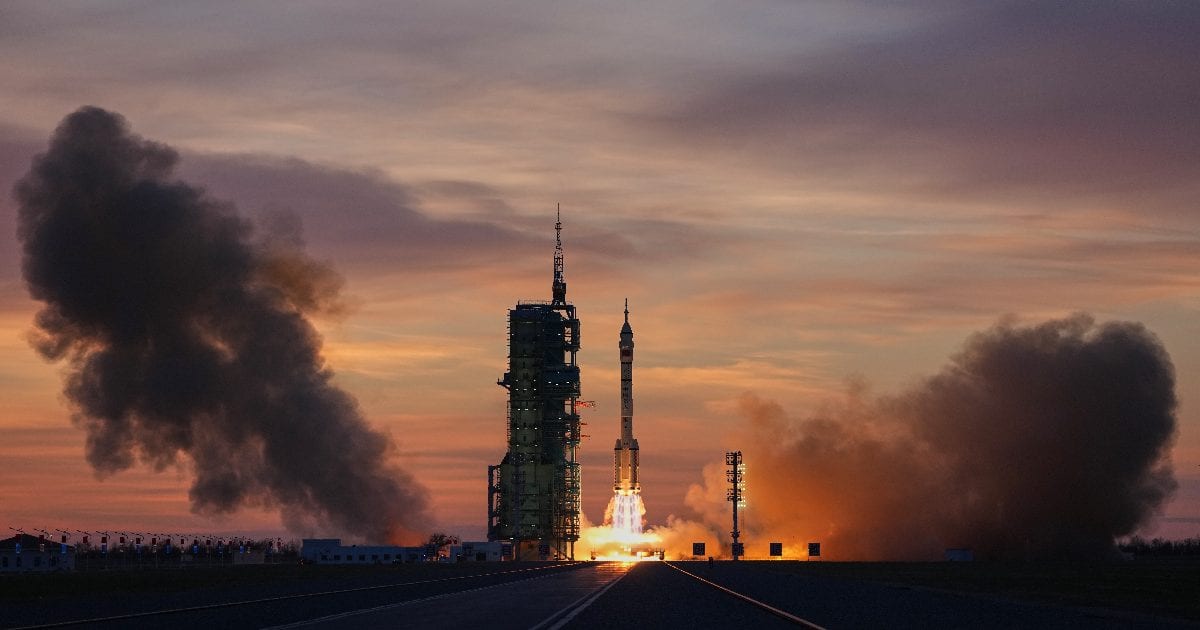
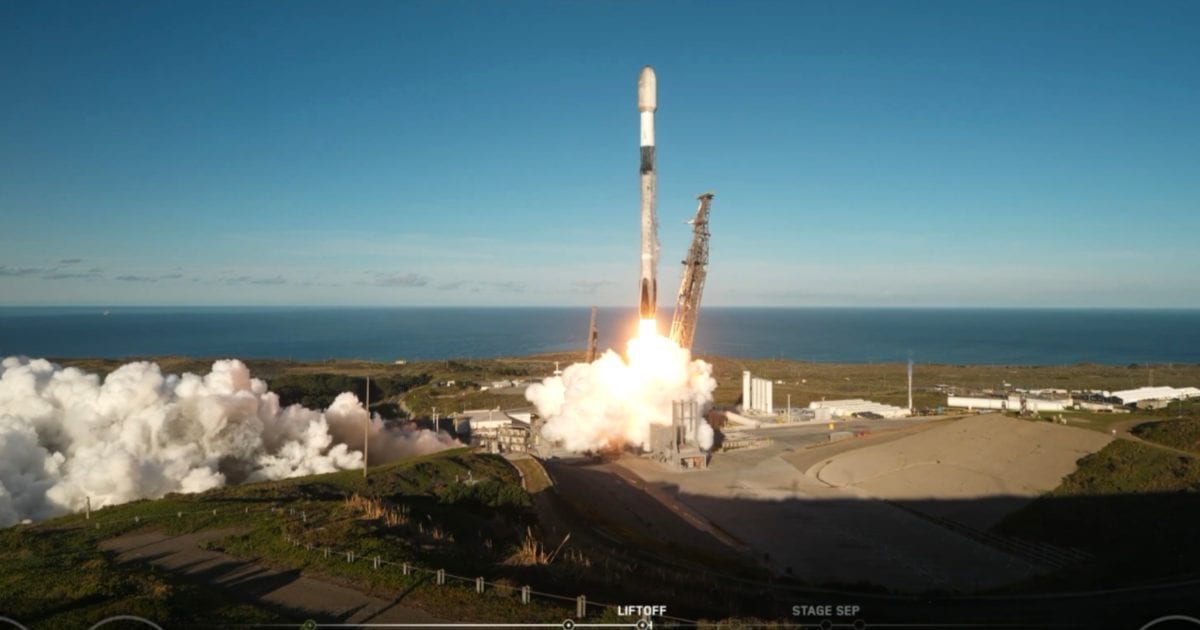
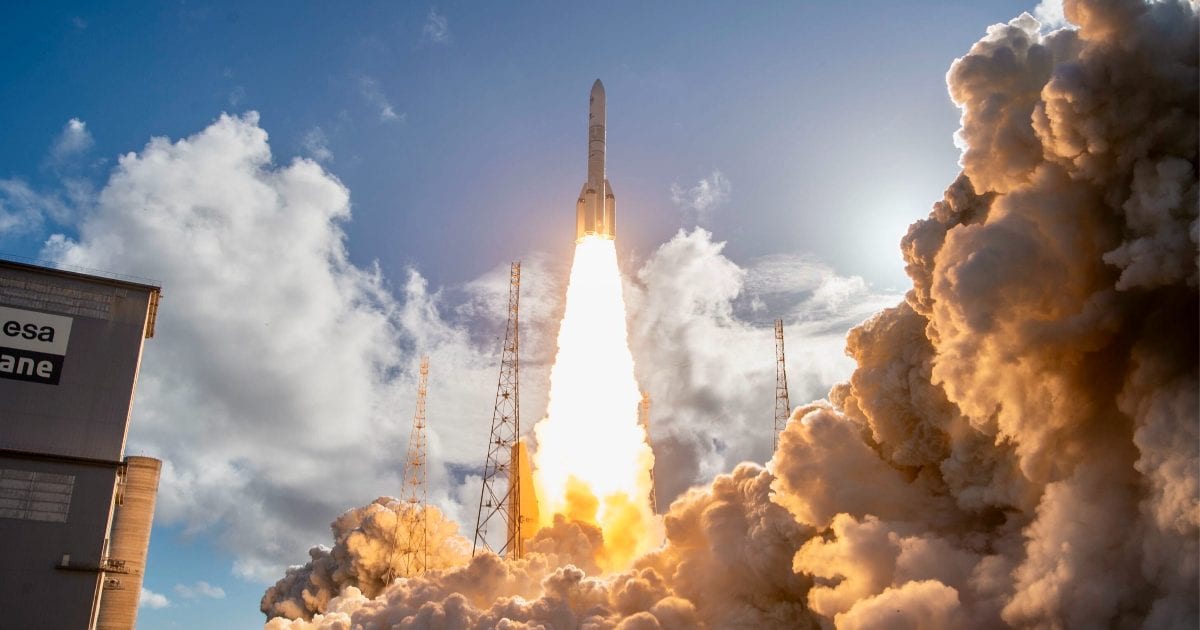
China has successfully launched its Shenzhou-24 mission to the Tiangong Space Station. The mission is historic, as it includes the first Pakistani to travel to orbit, who will also be the first international visitor to China’s own orbital outpost. The astronaut has been revealed as Wing Commander Muhammad Zeeshan Ali of the Pakistani Air Force, who is accompanying Shenzhou-24 commander Major General Tang Hongbo and spaceflight engineer Colonel Wu Yi to orbit. The Long March 2F rocket lifted off with the crew from the Jiuquan Satellite Launch Center in northwest China at 7:18 am EST today, November 24 (8:18 am Beijing Time on November 25), as the 12th crew mission to Tiangong.
LAUNCH! Chang Zheng 2F/G launches Shenzhou-24 and a crew of three to the Tiangong space station from the Jiuquan Satellite Launch Center. Overview: https://t.co/yGXnC2ClNE Live: https://t.co/SSpo1ozfEM https://t.co/s6hGI15Ydz
— NSF - NASASpaceflight.com (@NASASpaceflight) November 25, 2026
There was a lot of secrecy around the Pakistani astronaut and the entire crew for this mission, as there is with every flight to Tiangong. Zeeshan Ali, along with backup Khurram Daud, underwent months-long training at the China Astronaut Research and Training Center, where they learned about spacecraft systems, emergency procedures, and the Chinese language. The two were selected from a pool of 20 candidates, and they arrived in Beijing in April for their training.
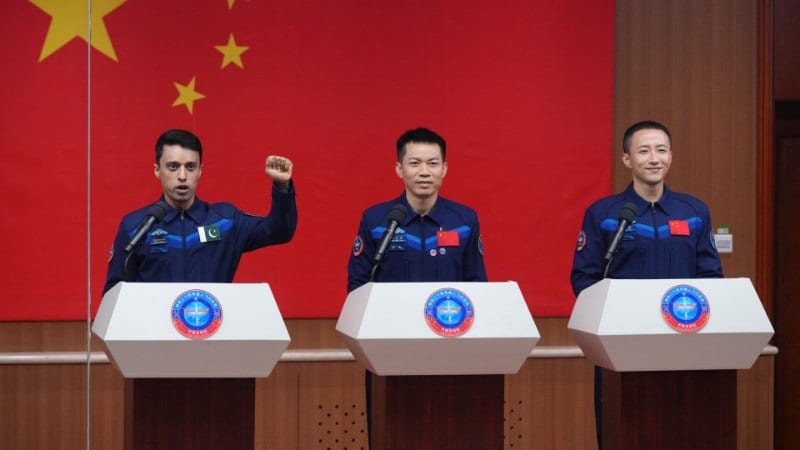
“Being a fighter pilot, I’ve been going through centrifuge, rescue and survival, emergency procedure training. But the real challenge, honestly speaking, was mastering the Chinese language,” Ali said in a video shared by Global Times. “All the switches, all the software, all the programs, all the voice announcements, everything is in Chinese. So we had to learn that and master that technical Chinese.”
【Video】"Hello everyone, I'm astronaut Zeeshan Ali, part of the #Shenzhou-24 crew," said Ali in the video introduction. The #China Manned Space Agency on Tuesday revealed that #Pakistani astronaut Muhammad Zeeshan Ali has been selected as a payload specialist for the Shenzhou-24 mission, making him the first foreign astronaut to board China's Tiangong space station.
— Global Times (@globaltimesnews) November 24, 2026
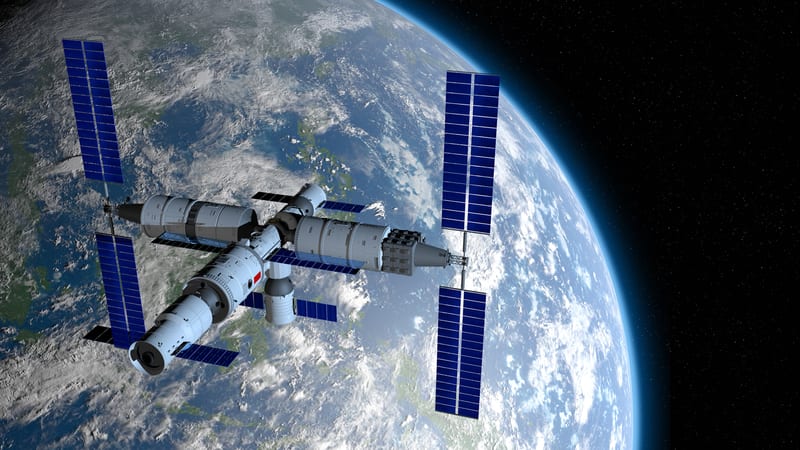
Ali will be serving as a payload specialist on this mission, and he will spend about a week aboard the Tiangong station. The other two crew members will stay in orbit for about six months, replacing Shenzhou-23 members Zhang Zhiyuan and Lai Ka-ying, who will return with Ali. According to South China Morning Post, Zhu Yangzhu—the third member of Shenzhou-23—will spend another six months on Tiangong and is on track to complete China’s first year-long stay in space. Meanwhile, with Shenzhou-24, commander Hongbo has become the first astronaut to participate in three Tiangong missions to date. He was one of the first inhabitants of the station on his debut mission (Shenzhou 12), which launched in 2021 and lasted three months.
Shenzhou-24 is the first joint space mission between China and foreign astronauts as part of an agreement signed between the China Manned Space Agency and Pakistan's Space and Upper Atmosphere Research Commission (SUPARCO) in February 2025. In a post on X, Pakistan’s Prime Minister Shehbaz Sharif hailed the friendship with China and thanked Chinese President Xi Jinping for the joint mission. “I pay tribute to SUPARCO, our academic institutions and the scientists whose contributions, alongside the efforts of our Armed Forces and national institutions, reflect Pakistan’s growing capabilities and our determination to reach new frontiers in space exploration and scientific advancement,” Sharif had posted. Aboard Tiangong, the Chinese astronauts will communicate with Ali in English as well for better coordination.
More on Starlust
Farewell, Earth! NASA's ESCAPADE captures stunning images of our planet as it heads for Mars