Northrop Grumman to reuse components of postponed Gateway lunar space station for Moon Base missions
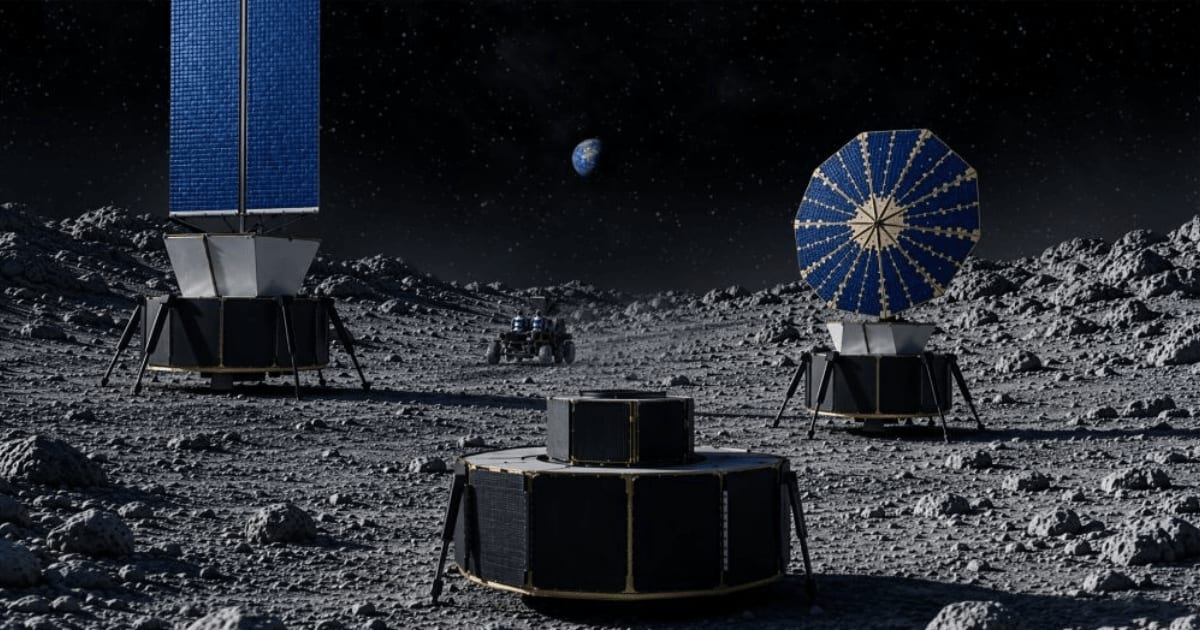
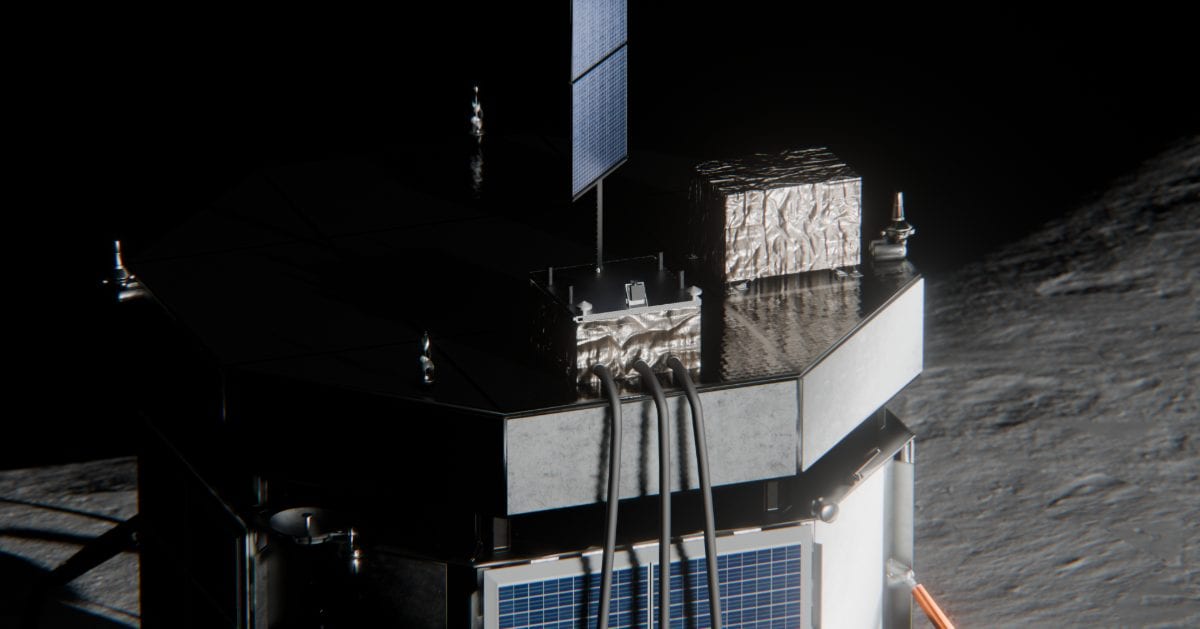
Aerospace firm Northrop Grumman is set to repurpose some of the hardware it built for what was to be a space station in orbit around the Moon. The company's August 4, 2026 statement went on to describe a series of three missions as a part of the Lunar Infrastructure Demos, named LID-1, LID-2, and LID-3, respectively. Besides the physical components, technology that would have been vital to the functioning of the lunar Gateway outpost will also serve as a starting point for these new missions. Broadly speaking, they aim to support humanity's bid to establish a sustained presence on the Moon.
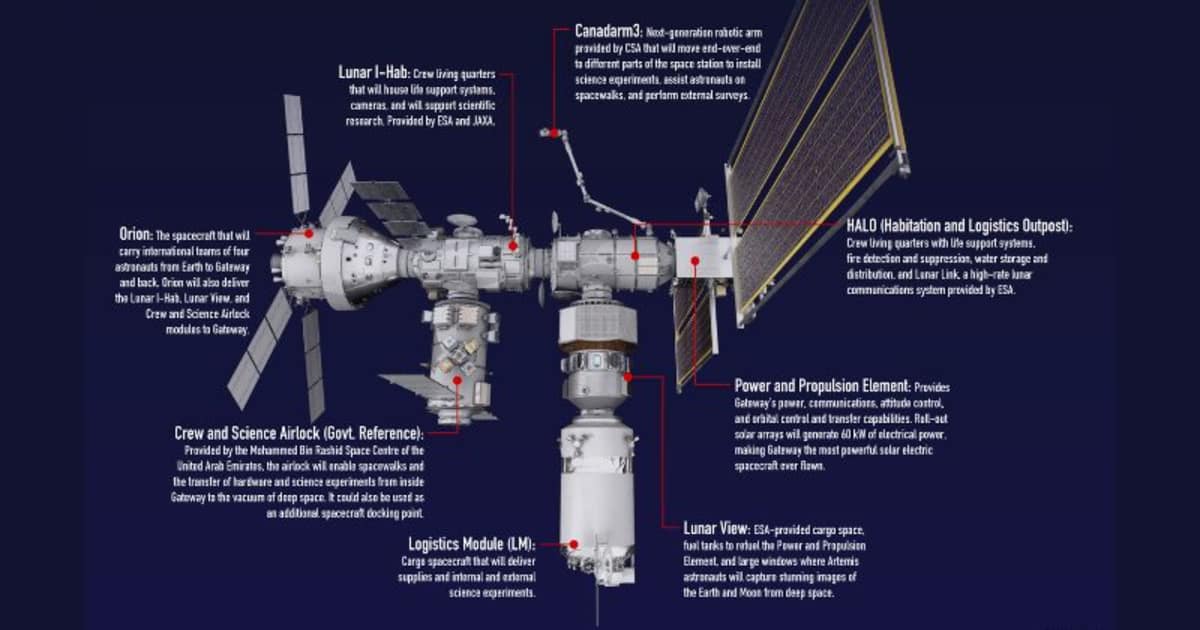
The long-standing NASA contractor has outlined surface power, thermal energy, autonomy, communications, and hosted payload services as the primary objectives for these missions. Specifically, the three missions are designed to mature the infrastructure that future inhabitants will rely upon in the face of the Moon's resource-sparse and extremely inhospitable conditions. This includes lunar rovers, habitation modules, and hardware for harnessing power and maintaining communications with Earth, which will be used long-term by NASA. For instance, the technology deployed during these LID missions will become a proving ground for future infrastructure by allowing engineers to test and gather real data on the various power, data,and mechanical interfaces that were initially supposed to be a part of the Habitation and Logistics Outpost (HALO) module of Gateway.
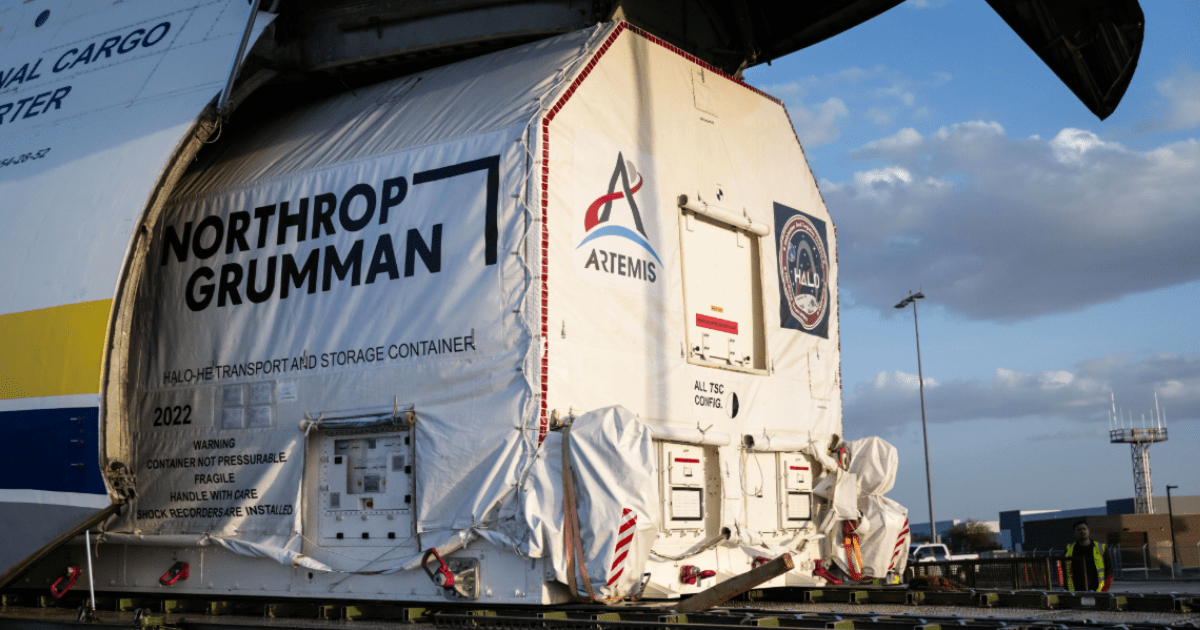
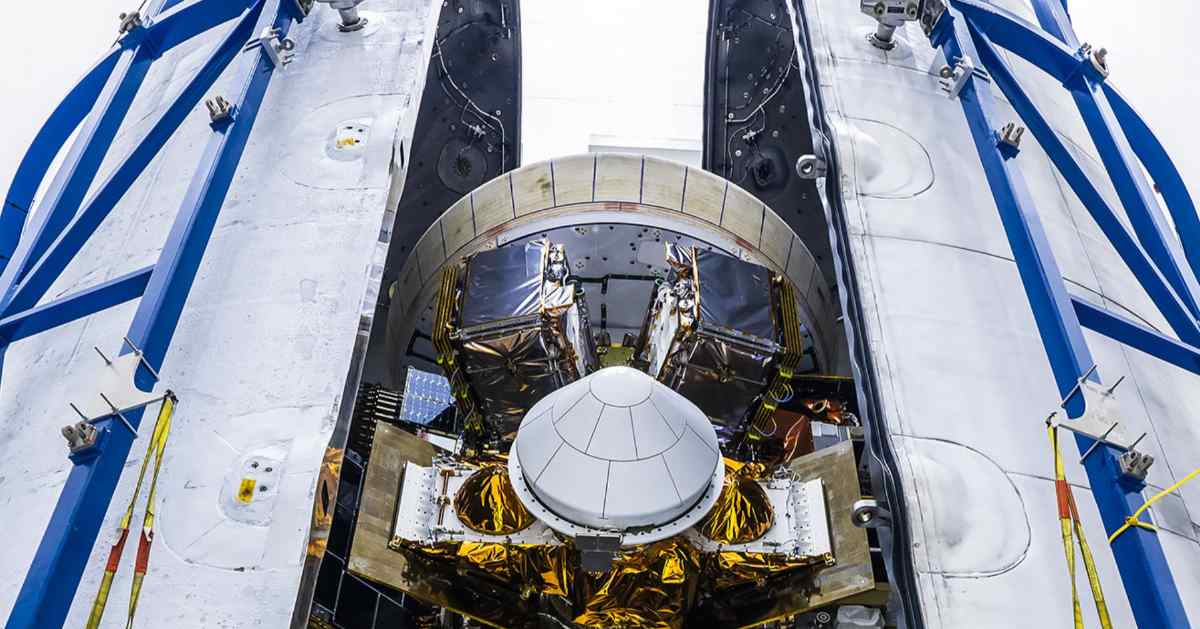
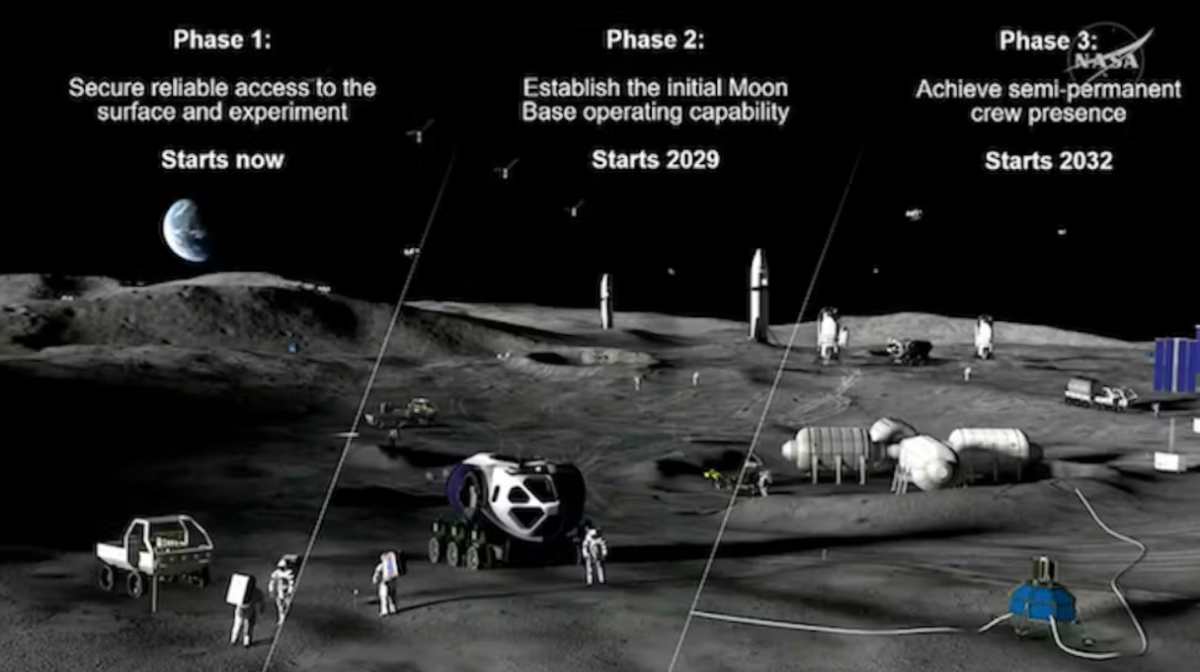
This HALO module arrived for its final outfitting at Northrop Grumman's facilities in Gilbert, Arizona, all the way from Italy last year. This was prior to NASA going back to the drawing board with its approach to establishing a route back to the Moon. In the days leading up to the Artemis II mission earlier this year, NASA shifted its sights from building the Gateway space station—with Administrator Jared Isaacman indefinitely pausing the orbital program—to establishing a direct, ground-based outpost called Moon Base. To set it up, the agency put forward a three-phase plan, the first of which has already begun, with robotic missions slated for around the turn of the year.
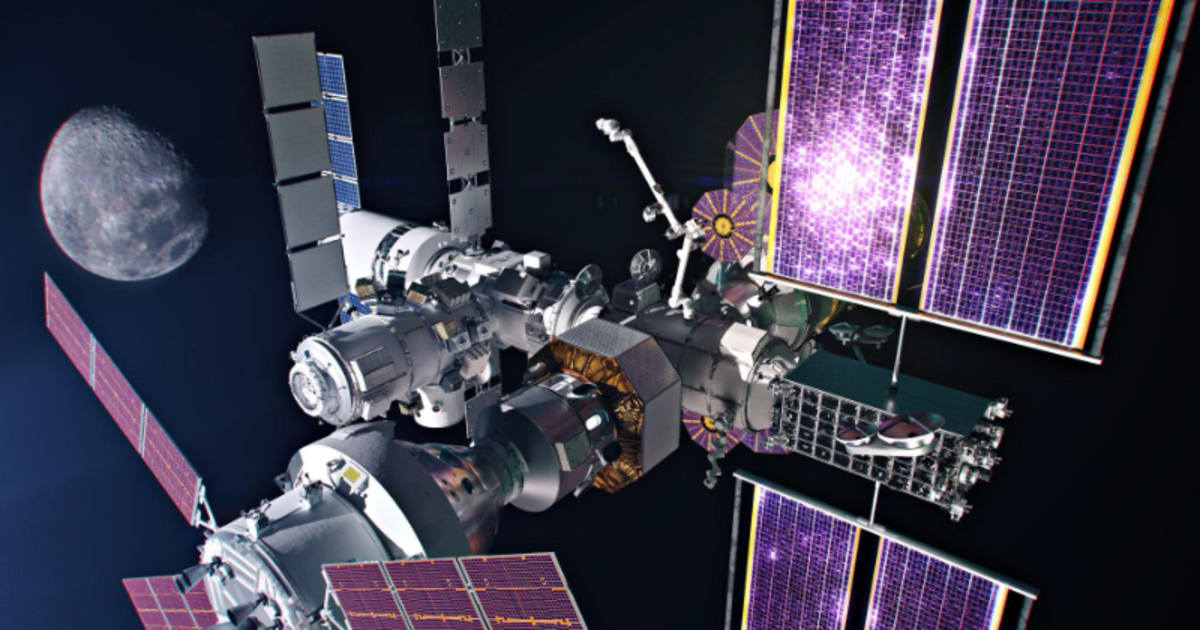
While a timeline has not been specified for when these LID missions will launch, David Schiller, vice president of civil space and sciences at Northrop Grumman, appeared to suggest that the repurposed tech will expedite things for the publicly-funded agency. "Our ready‑to‑fly, reliable HALO technologies allow NASA to move faster, putting in place robust infrastructure that can endure the lunar night and establish a strong blueprint for a future Moon Base," said Schiller. This means the Virginia-based company could complement the operations in the lunar south polar region which are set to begin soon—the likes of which include landers by Firefly, Voyager Technologies, and Intuitive Machines, all of which are in advanced stages of development.
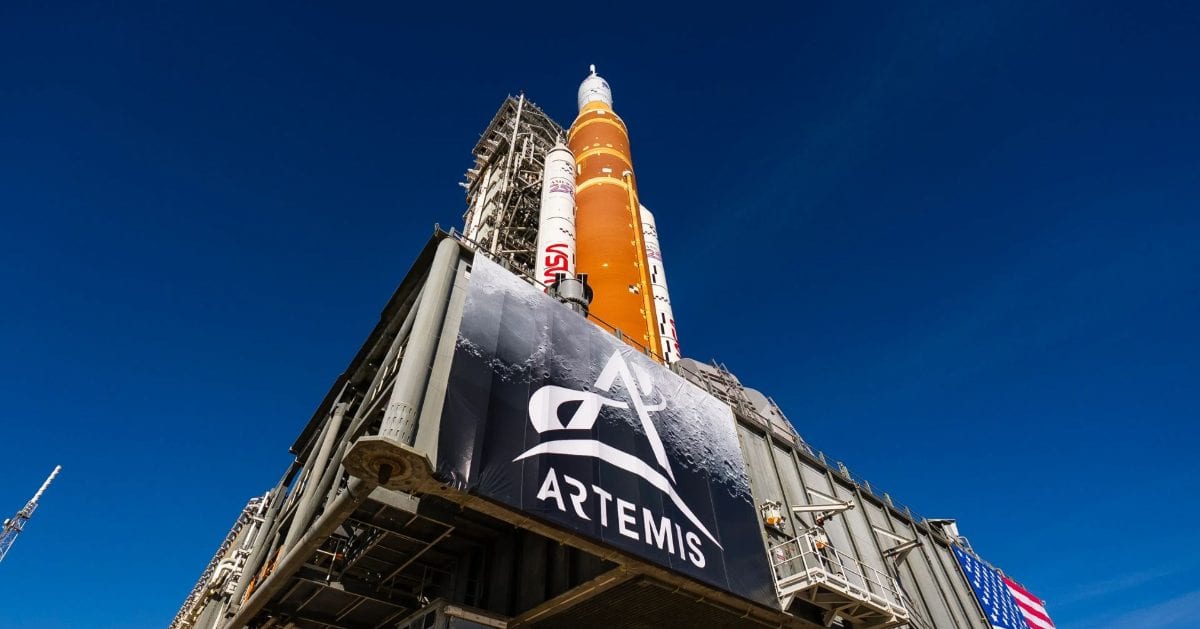
With the Artemis III Space Launch System rocket already stacking up, the success of this mission next year will bring the planned crewed lunar landing of Artemis IV the year after into immediate focus. With that in mind, NASA and its industry partners are already spinning various plates to make the lunar surface as ready as possible for human arrival and exploration. Through these LID missions by Northrop Grumman, it appears the agency is preparing for the long-term sustainability of Moon Base as well. "As America embarks on the next chapter in human space exploration, our Lunar Infrastructure Demos will help turn the Moon into a place where astronauts can stay, work and make discoveries that benefit humanity," added Schiller.
More on Starlust:
NASA Moon Base Update: Major progress revealed on Blue Origin, Firefly, and other landers
NASA reveals finer details of how Artemis III's design will shape future crewed lunar missions