ESA’s Hera spacecraft captures first-ever close-up images of stadium-sized crater on Dimorphos
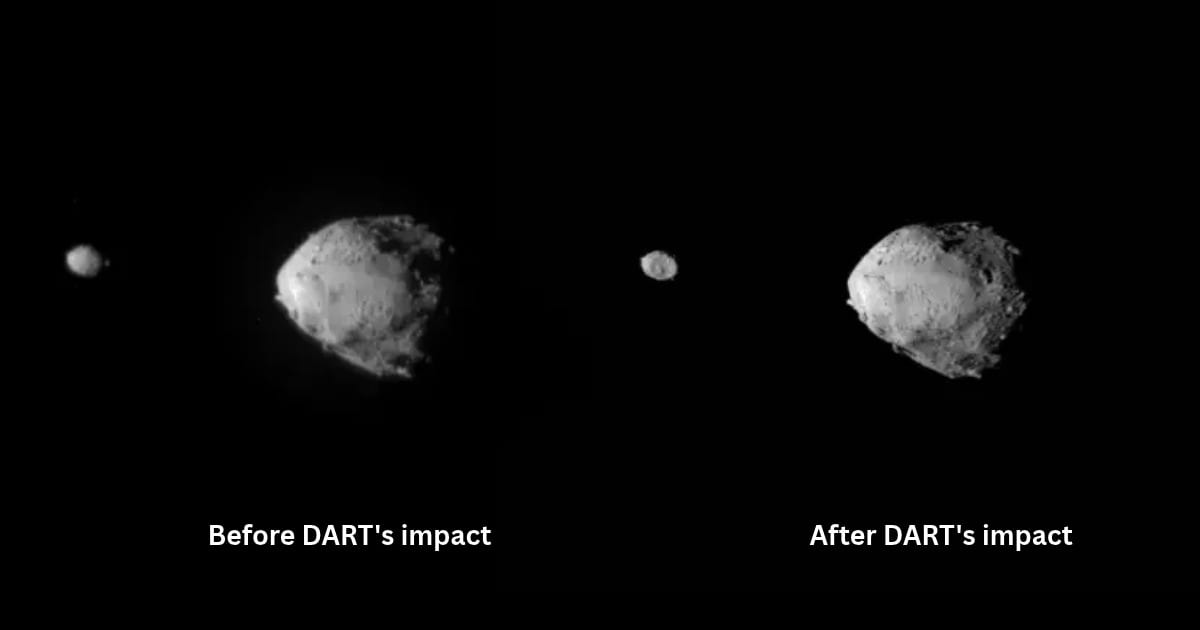
In September 2022, NASA deliberately crashed its spacecraft, called DART, into a small asteroid called Dimorphos to find out whether humans could ever push a space rock off its path. We now have our first close-up look at the asteroid, after the European Space Agency released images captured by its Hera spacecraft. According to ESA, it left behind a crater roughly the size of a sports stadium. The images also show that the impact caused some major changes to the asteroid that weren't visible at the time.
BIG NEWS! We have a whole new look at Dimorphos, the first asteroid humans have ever moved 👀☄️ @ESA_Hera mission has captured Dimorphos completing a full orbit around its larger companion, Didymos. Look closely and you will see the impact site come into view, and Dimorphos disappear into Didymos’s shadow. In 2022, @NASA's DART changed Dimorphos’s orbit by 33 minutes but couldn’t show us exactly what happened to the asteroid itself. Now Hera is there to find out. Our first planetary defence mission is investigating the impact up close and helping us learn how asteroid deflection could one day protect Earth 🌍
— European Space Agency (@esa) November 25, 2026
Dimorphos is a moonlet about 151 meters (roughly 500 feet) wide that orbits a larger asteroid called Didymos, which measures about 730 meters across. After the NASA mission, researchers had three different ideas about what might have happened. They believed the impact could have left behind a crater, reshaped the asteroid, or changed very little. But now, thanks to Hera's close-up images, we know that all three things happened at once.
Commenting on this discovery, Hera principal investigator Patrick Michel said in an official release, "Much to our surprise, the answer turns out to be all three at once! The face struck by DART has been flattened into an impact crater the size of a sports stadium, which extends across the asteroid's entire width." Interestingly, the impact also shortened the time Dimorphos needed to circle Didymos by about 33 minutes.
In September 2022, @NASA's DART spacecraft crashed into Dimorphos and shortened its orbit around its bigger companion, Didymos, by about 33 minutes. Telescopes on Earth saw the orbit change. What the impact actually did to the asteroid itself is still unknown. Hera has travelled for two years to find out.
— European Space Agency (@esa) November 25, 2026
The crash has also changed how Dimorphos moves
Sabina Raducan, a planetary scientist on the Hera team, explained, "Before the Dart impact, Dimorphos was more like our own Moon - so it was always showing the same face to Didymos, and it was behaving quite nicely." She added, "Now it's very, very chaotic - it's tumbling. Imagine a barrel that you throw down the stairs, and the barrel is rolling, and it's moving, and basically that's what Dimorphos does right now around Didymos." Hera will also measure Dimorphos's mass.
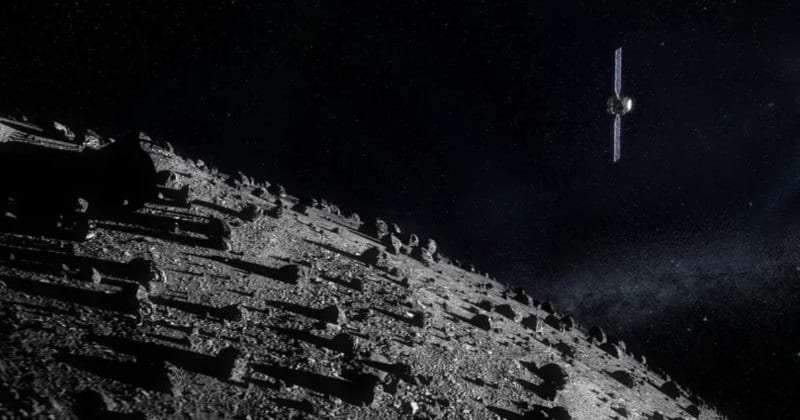
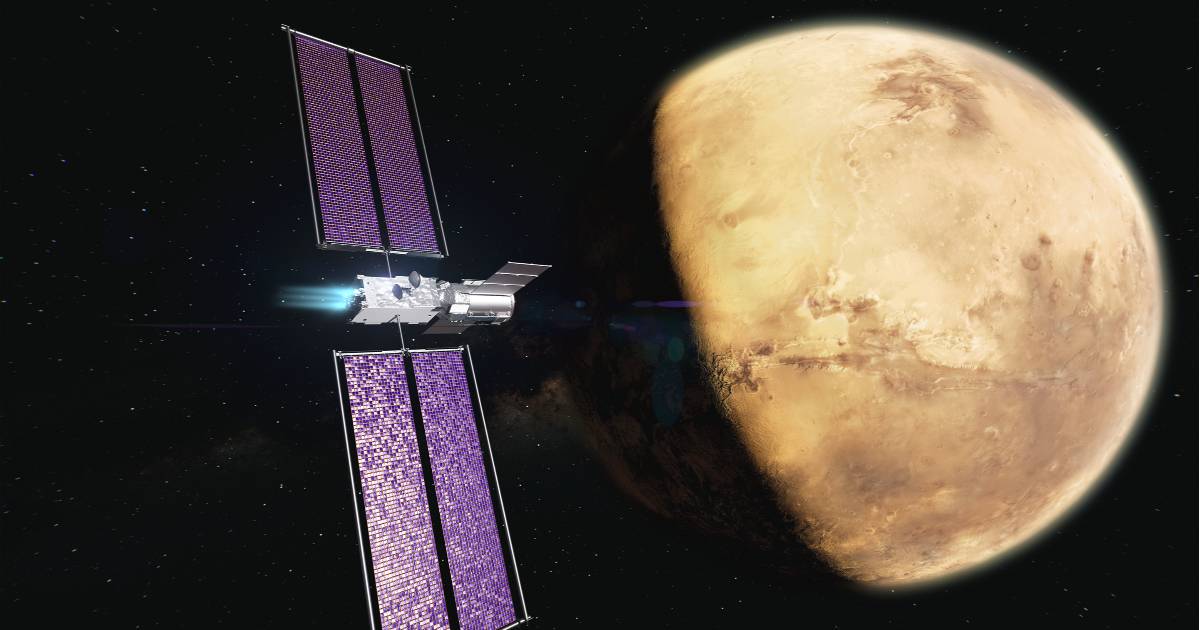
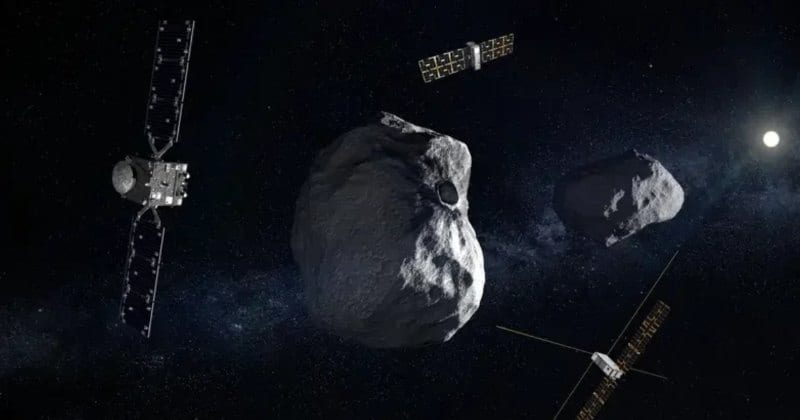
According to ESA, Hera is about the size of a small car. The spacecraft carries a total of three instruments. The first one is a black-and-white camera, the second is a camera that records 25 colors at once, and the third is JAXA’s heat sensor that measures surface temperature. The spacecraft stays roughly 25 to 30 kilometers from the pair.
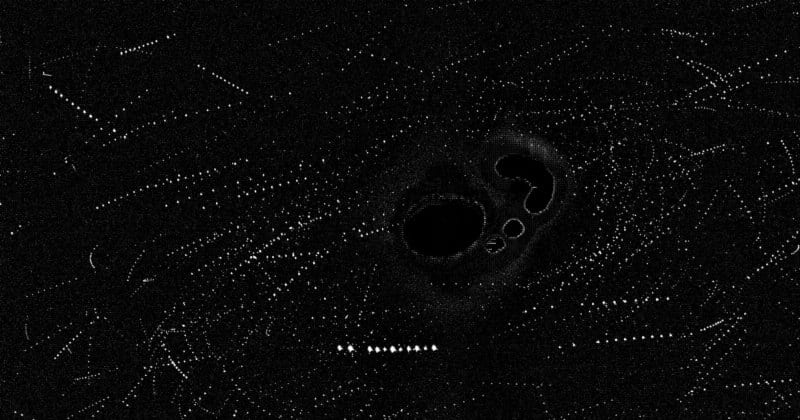
In addition to the changes, the camera has spotted hundreds of boulders that were previously unknown. These are only a few meters wide, and many are circling the two asteroids. As per Mission team member Naomi Murdoch, the gravity on the surface of Didymos is about 40,000 times weaker than on Earth.
What comes next for Hera?
Next up, in December 2026, Hera is expected to move to about 13 kilometers from the asteroids and return sharper images. Then in January 2027, it will release two shoebox-sized satellites, called CubeSats, that will fly closer still. Mission manager Ian Carnelli said, "Sixty-six million years ago, an asteroid impact changed the course of life on Earth. Today, for the first time in history, humanity is validating how to prevent such an event from happening again.” Over the next six months, Hera will keep studying both asteroids from closer range.