'Dodged a bullet': NASA chief Jared Isaacman relieved by delay in China's Chang’e-7 Moon mission
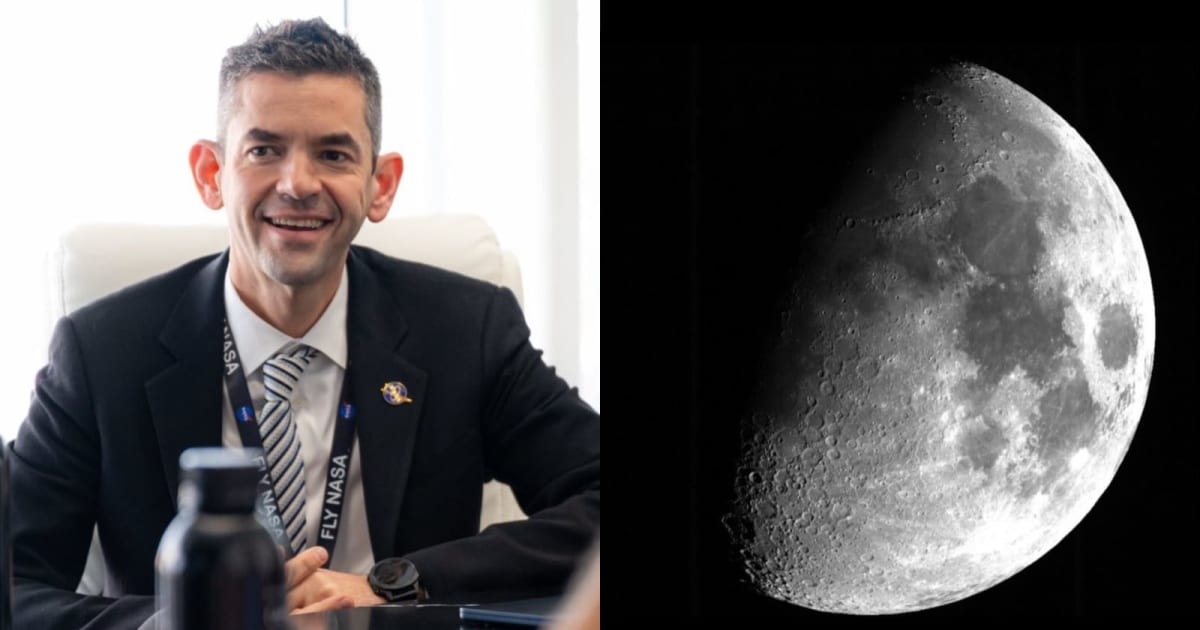
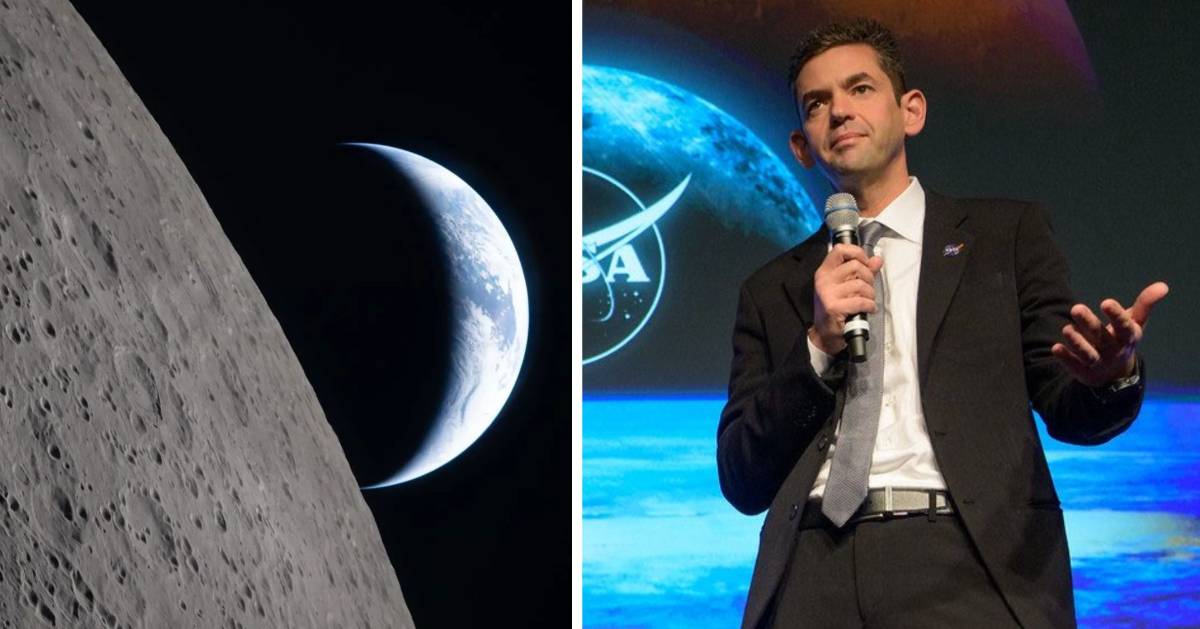
NASA Administrator Jared Isaacman seems to be relieved by the unexpected delay of China’s Chang’e-7 mission, which was supposed to launch in August. While speaking at the Off World conference in Houston on Wednesday, Isaacman said that NASA may have “dodged a bullet” because China expanding its presence at the lunar South Pole may not have boded well for U.S. interests.

Chang’e-7 is China’s most ambitious lunar mission to date, featuring an orbiter, a lander, a rover, and a small hopping spacecraft. In a statement, the China Manned Space Agency (CMSA) cited unfavorable conditions for the launch, which has reportedly been delayed until next year. The mission was supposed to land near the Shackleton Crater at the lunar South Pole, a region that is believed to have water-ice deposits and other volatiles.
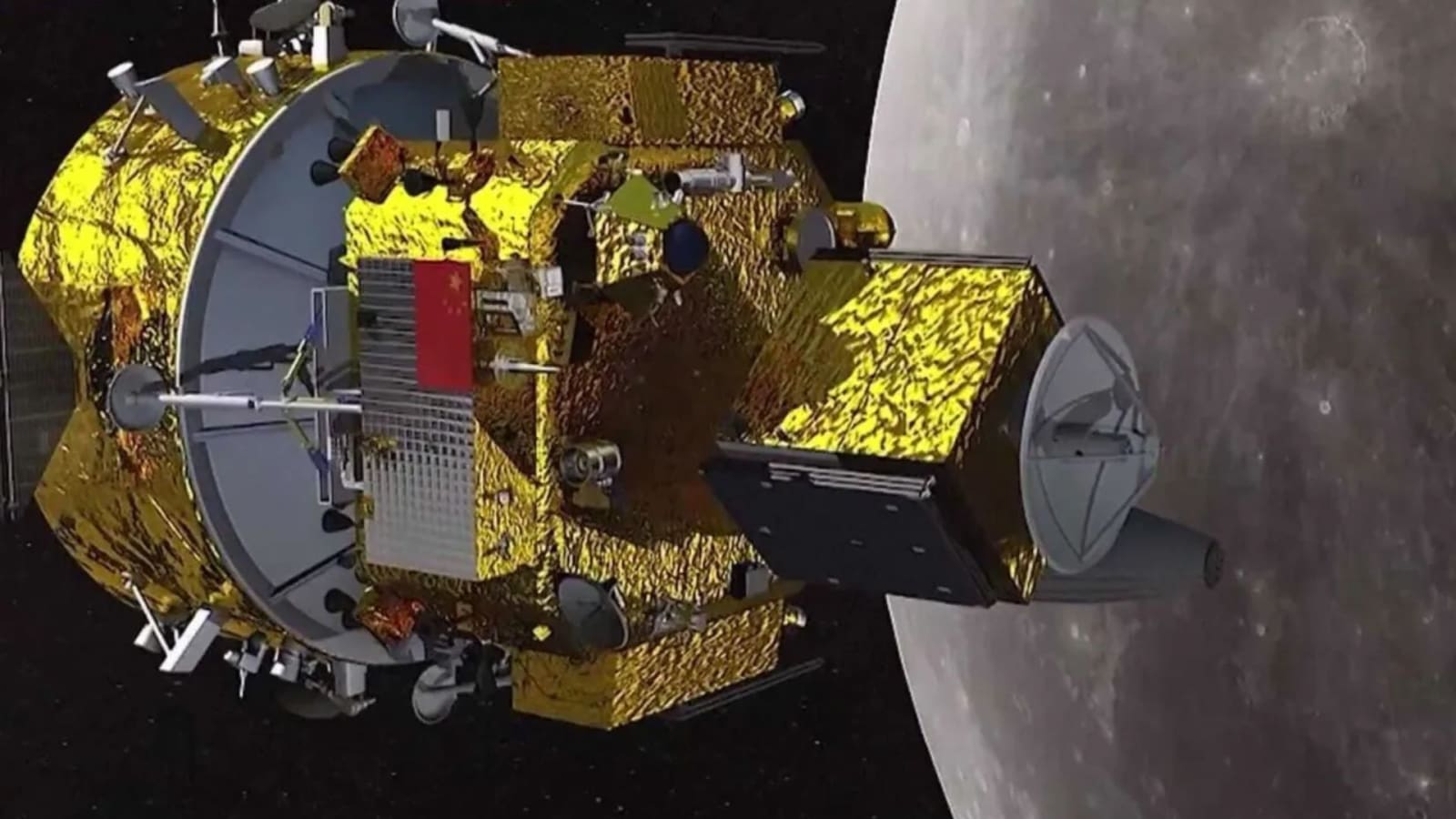
“They are targeting the exact same location on the lunar south pole. We may have dodged a bullet with the Chang’e 7 mission a couple of weeks ago because that would have gone to the Shackleton crater,” Isaacman said according to SpaceNews. He even stated that China might limit America’s access to “some of the most interesting spots” at the lunar South Pole—a preferred target for its resources, which could be used to produce drinkable water, oxygen, and even rocket fuel.
NASA leaders wary of China's lunar ambitions
Isaacman has echoed the statements of his predecessor, former Administrator Bill Nelson, who during his tenure publicly acknowledged an ongoing space race against China. In a 2023 interview with Politico, Nelson also warned about China’s territorial goals on the Moon, drawing parallels to Beijing’s claims in the South China Sea. Nelson also has a memoir called Space Odyssey releasing in January 2027, in which he describes China as untrustworthy. “China is not a partner to be trusted. Partnership requires trust, and trust is founded on transparency. With China, despite repeated efforts to build verifiable, rules-based cooperation and set commonsense guardrails for engagement, there has never been much of either,” Nelson's book says, per an Ars Technica report.

As for Isaacman, he has stressed on multiple occasions how important it is for the U.S. to get to the Moon before China this time, despite having already done so from 1969 to 1972. China has plans to land one of its astronauts on the Moon by or before 2030, and so does NASA. If China gets there first in what is being seen as a second space race, Isaacman says, “That will call into question, in every other country around the world, whose security guarantees should I trust?”
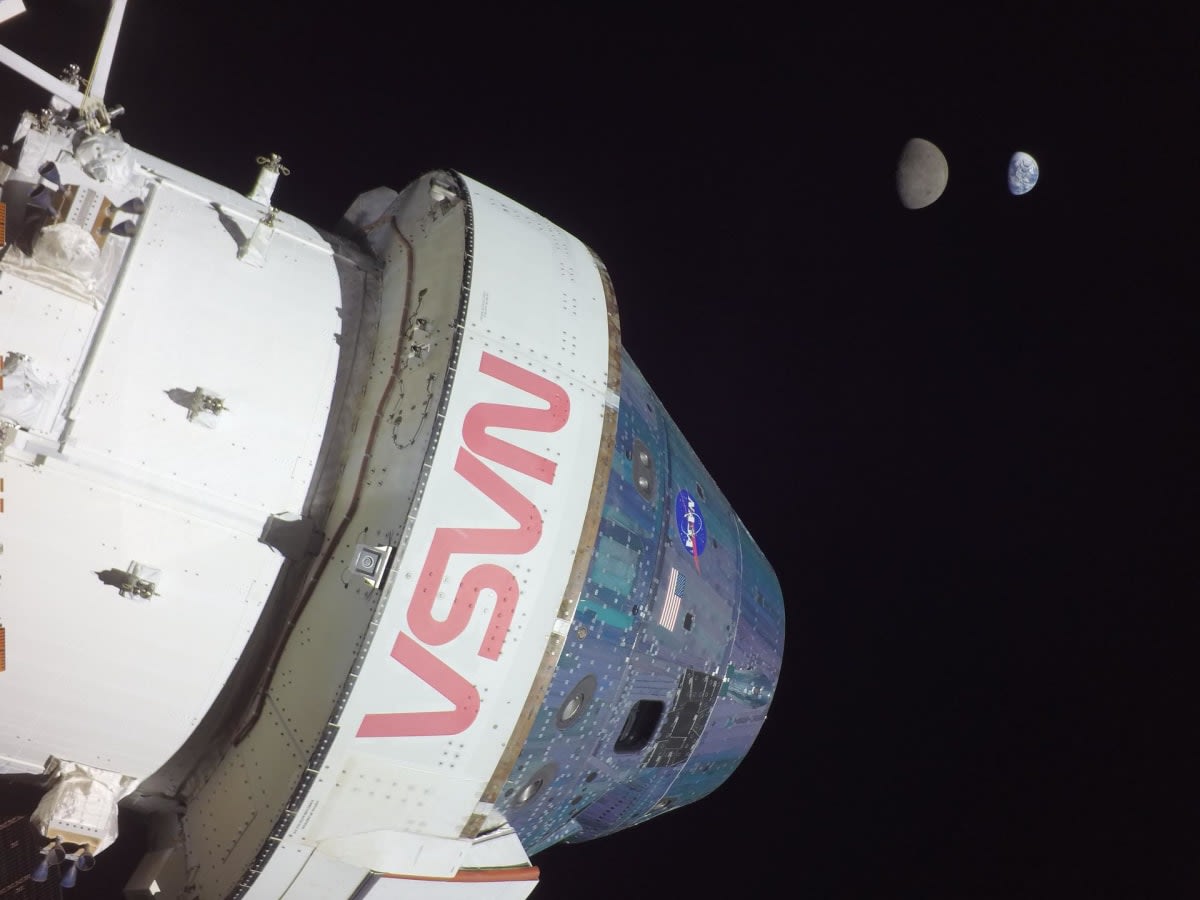
NASA is currently assembling the hardware for the Artemis III mission to test docking technologies in Earth orbit to prepare for Artemis IV, when astronauts will actually land on the Moon. In a recent memo to agency employees, Isaacman reportedly said that the best-case scenario to launch Artemis III is the summer of 2027, and that there are two lunar landing opportunities in 2028. He also pointed out that they are approximately three months behind on the Artemis III schedule but did not clarify the reason for it.
More on Starlust
Robot dogs on the Moon? China could use them to build and guard permanent lunar bases, says report