Next-gen spacesuit delays threaten NASA's Artemis program and ISS operations, report warns
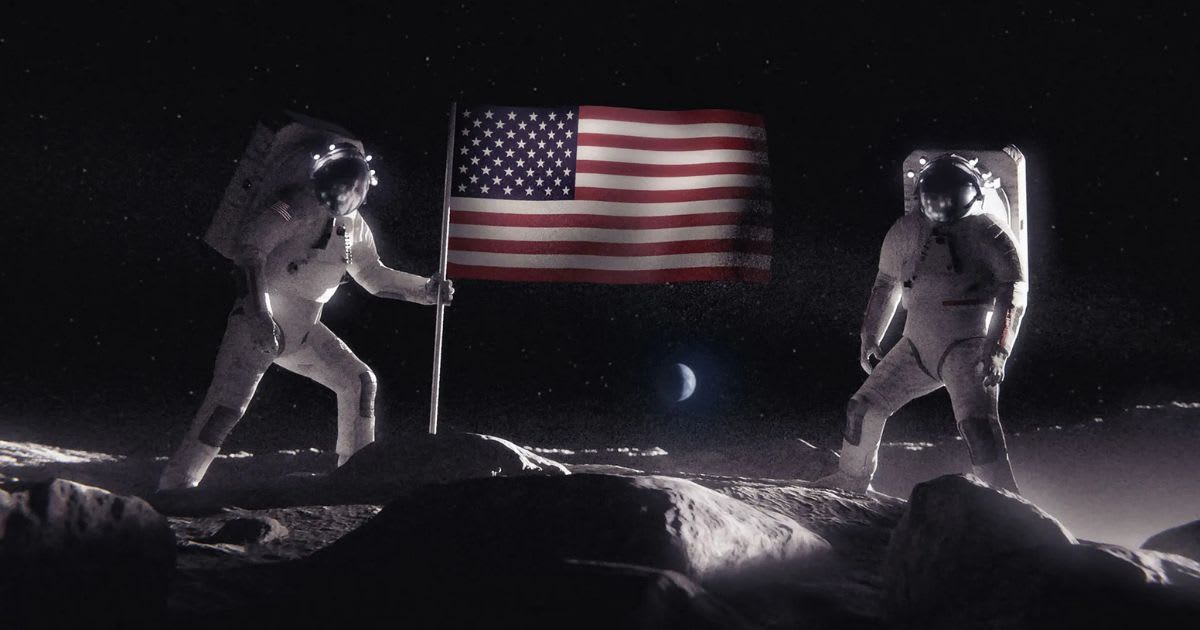
The NASA Office of Inspector General (OIG) has released a detailed report calling out the delay in the development of next-generation spacesuits. The suits were commissioned keeping Artemis missions and the International Space Station (ISS) in mind, but they are still not close to readiness despite some fast-approaching deadlines. The watchdog report warns of growing risks associated with this spacesuit issue, suggesting that they may not be ready for demonstrations until 2031. The most immediate concern, arguably, is with Artemis III, which intends to test the Axiom Extravehicular Mobility Unit (AxEMU) spacesuit.
After nearly two decades, NASA's next-generation spacesuits remain incomplete. Today, the Agency continues to face delays and is reliant on Axiom Space to develop both the Artemis lunar suits and updated ISS suits. Read our new report to learn more: https://t.co/2fo1LZZmYc pic.twitter.com/CuaM6o7OBl
— NASA Office of Inspector General (@NASAOIG) April 20, 2026
No next-gen spacesuits until 2031?
The new report titled “NASA’s Acquisition of Next-Generation Spacesuit Services” focuses on the agency’s Exploration Extravehicular Activity Services (xEVAS) program. It all started in 2022 when NASA awarded contracts worth up to $3.1 billion to two companies—Axiom Space and Collins Aerospace—for delivering spacesuits meant to be used on the lunar surface and ISS spacewalks. However, by 2024, Collins was no longer part of this deal, which left NASA to solely depend on Axiom for both the suits.

The report suggests that NASA’s original timelines were “overly optimistic,” considering that the lunar suits were supposed to be delivered by 2025, and the ISS suits by 2026. However, now Axiom is reportedly targeting late 2027 for spacesuit demonstration readiness, but the OIG report warns, based on historical averages, that the demonstrations may not take place before 2031. The report suggests NASA make use of the “on-ramp” clause in the xEVAS contracts that may allow new parties like Genesis, ILC Dover, and SpaceX to come into the picture and reduce the agency's reliance on one single provider.
Aging spacesuits and contract problems
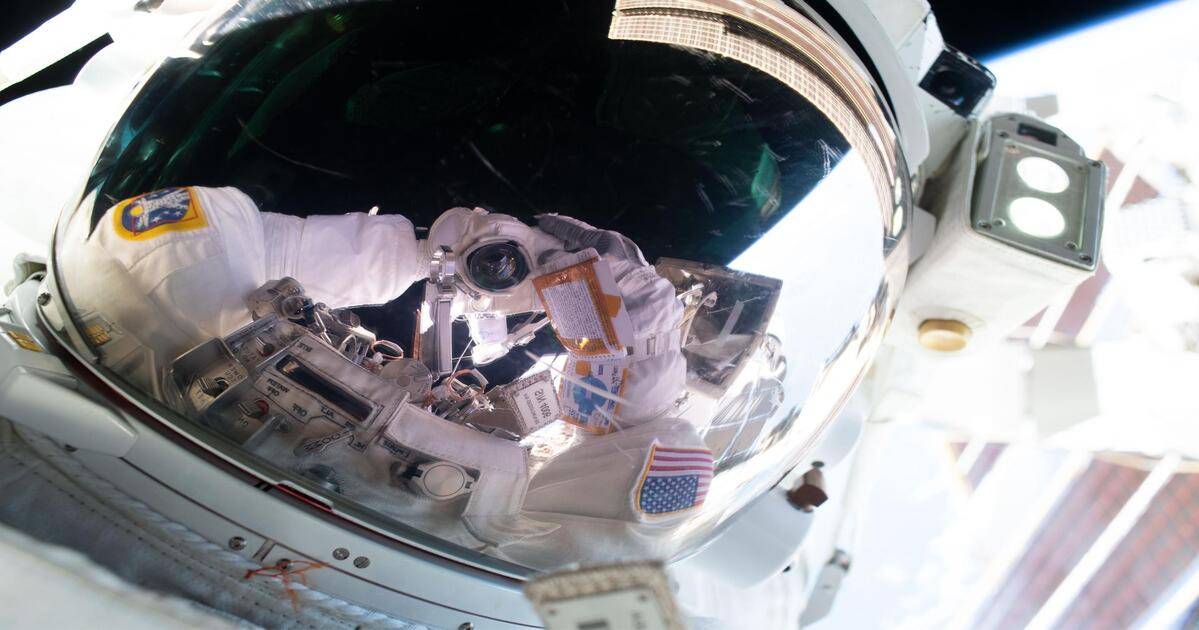
A new generation of spacesuits has been long overdue for NASA, given that the agency is still using EMUs, short for Extravehicular Mobility Units. These were originally designed over half a century ago and have not undergone a major redesign in the last two decades. The OIG report talks about persistent issues in these existing suits such as water leaks in helmets, thermal regulation problems, and a general difficulty in replacing aging components. The possibility of suit demonstrations not happening till 2031 is alarming for ISS operations since the orbiting laboratory is scheduled to be retired in 2030, which potentially means NASA would have to use EMUs till then. Artemis IV, which aims to land astronauts on the surface of the Moon in 2028, too could be affected by this delay.
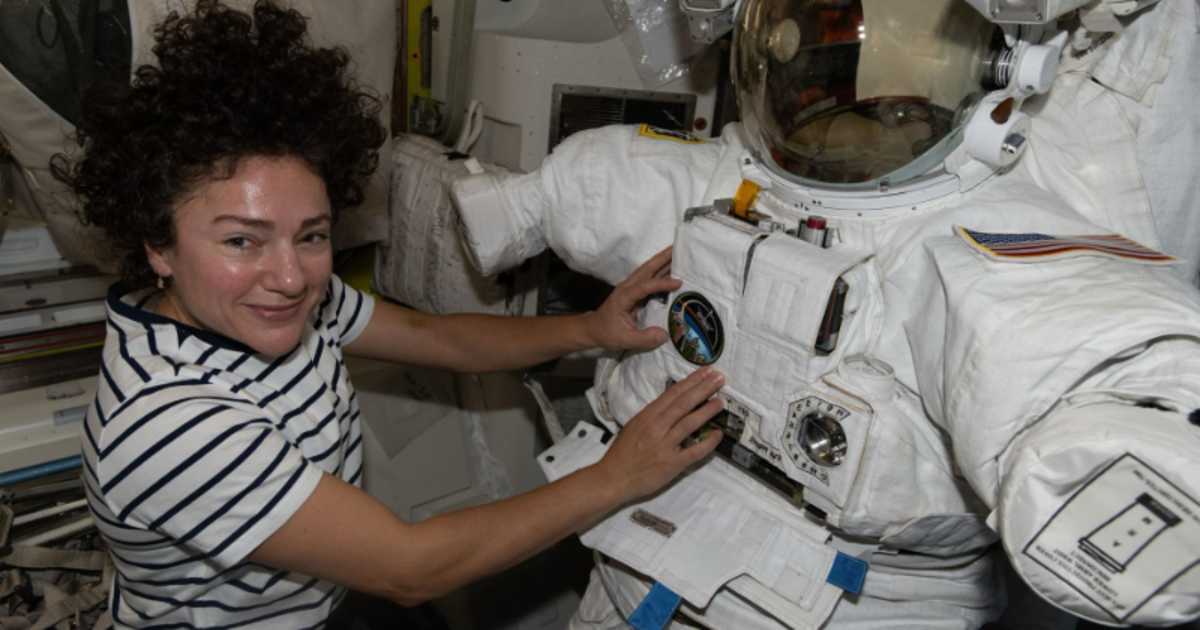
NASA commissioned the xEVAS suits via a firm-fixed-price, service-based contract model. Simply put, the agency will not own the suits and instead will purchase EVA capability as a service from the contractors. However, the OIG report notes that "NASA’s attempt to replicate other space flight service-based acquisitions by 'renting' spacewalking services from a provider was risky because there was no commercial market for spacesuits prior to the xEVAS effort."
NASA agrees to fix Artemis and ISS spacesuit delays
The fact that only two companies bid for developing the lunar and ISS suits was already a concern. "Overly burdensome requirements like requiring offerors to bid on both microgravity and lunar spacesuits further constrained an already limited pool of applicants that were capable of and interested in developing new suits," reads the report. And after Collins left, there is even more dependency risk with just Axiom as the sole provider. The OIG report points out Axiom’s ongoing development hurdles, such as meeting mass constraints, managing oxygen, water, and power requirements. Furthermore, it also highlights missing interoperability standards, as the future suits must be compatible with lunar landers, rovers, and other surface systems across Artemis missions.
Very much appreciate the OIG work. As I posted months ago, NASA is not taking a passive role in any component of America’s return to the lunar surface and building a Moon base. We are reviewing where NASA can do better, how we can provide relief where appropriate to burdensome…
— NASA Administrator Jared Isaacman (@NASAAdmin) April 21, 2026
The report ends with the OIG recommending two main solutions: one, to seek industry input on current xEVAS contracts to restore competition; and two, to develop clear interoperability standards between Artemis vehicles and spacesuits. NASA has agreed to both recommendations with an estimated completion date of December 31, 2027, to implement them. Responding to the OIG report, NASA Administrator Jared Isaacman wrote on X, "I am confident that when NASA is ready to land on the Moon in 2028, our astronauts will be wearing Axiom suits." Only time will tell if his confidence is misplaced or not.
More on Starlust
Build, buy or outsource? NASA recalibrates its acquisition strategy in the 2025 safety report
What sets the Artemis II crew's bright orange spacesuit apart from past missions' gear