Here's what NASA is planning for Artemis IV and V now that the roadmap to the Moon has been revised

Following NASA’s press briefing at the Kennedy Space Center on Friday, the next lunar landing blueprint has taken new shape. NASA Administrator Jared Isaacman and his team announced their plans to reset the Artemis program with massive changes to mission plans and timeline. The changes will see Artemis IV and Artemis V land humans on the Moon again—and not Artemis III, as planned earlier. Borrowing from the Apollo program, the space agency’s strategy is clear: increase mission cadence and standardize the SLS (Space Launch System) rocket configuration.
We have increased the cadence of Artemis missions.
— NASA (@NASA) March 3, 2026
In 2027, the Artemis III mission will test one or both commercial landers from SpaceX and Blue Origin in low Earth orbit. In 2028, Artemis IV will become the first Artemis lunar landing. pic.twitter.com/X4rwPFK2nI
Isaacman specifically called out the long gap between Artemis I (which launched in 2022) and Artemis II and reiterated the need to bring launch cadence to at least one year or ten months. "Launching a rocket as important and as complex as SLS every three years is not a path to success. A component of that is when you are launching every three years, your skills atrophy. You lose muscle memory," Isaacman explained in the press briefing held on February 27.
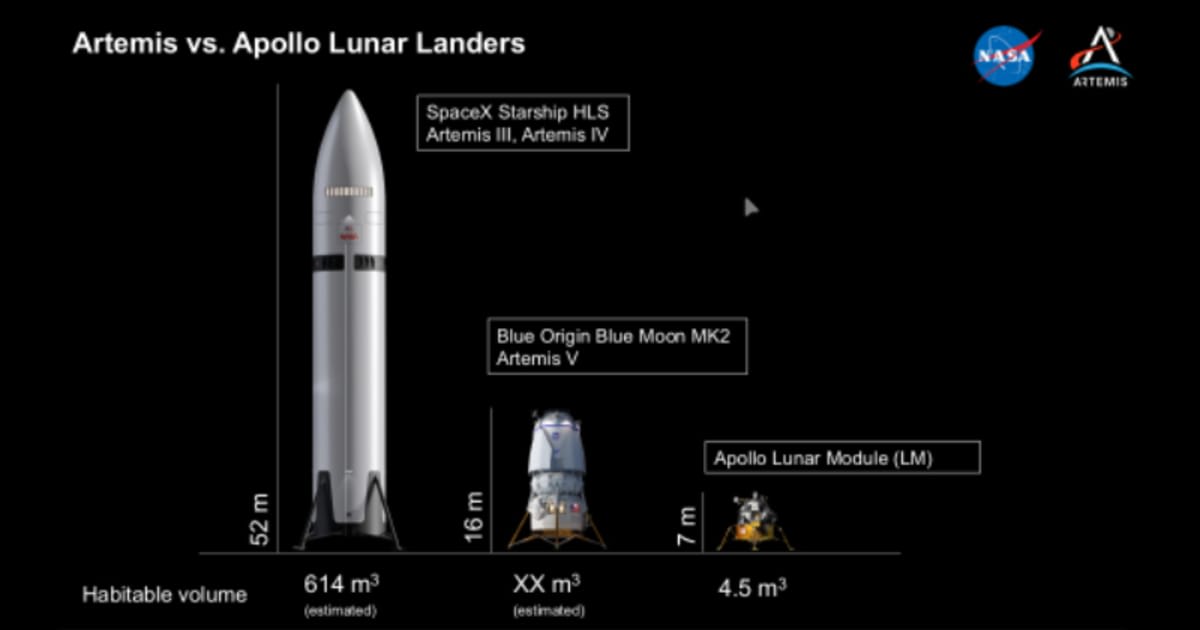
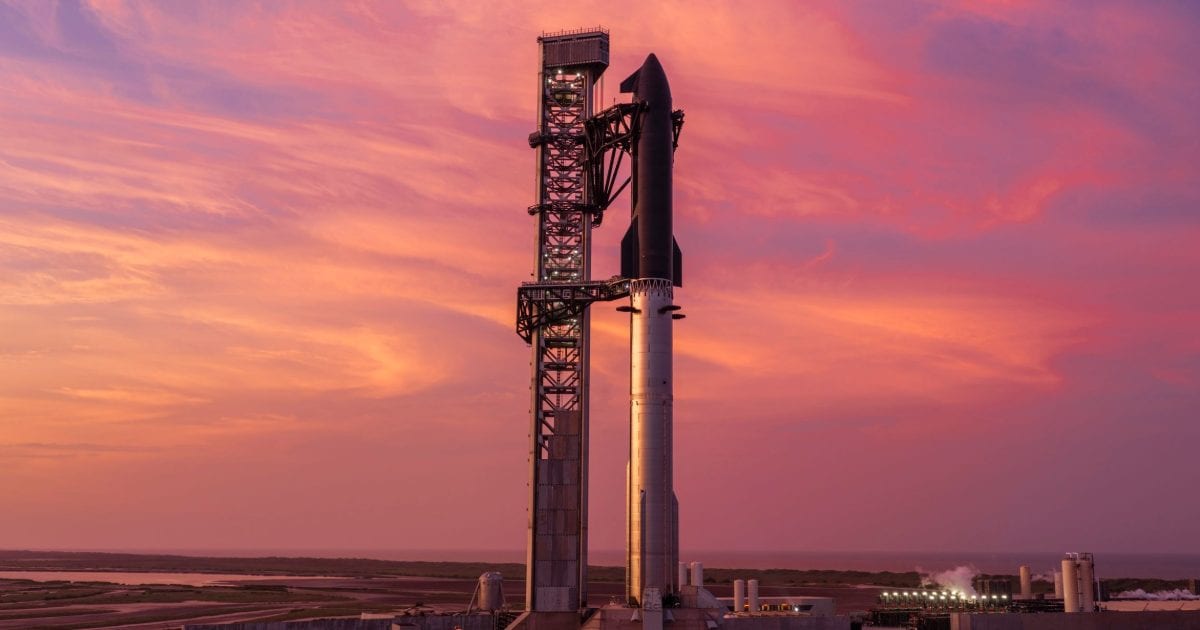
Now set to be the first lunar landing mission of this generation, Artemis IV, now scheduled for early 2028, will see astronauts fly aboard the Orion spacecraft on NASA’s SLS rocket. Once they enter lunar orbit, they will rendezvous and dock with either of the two commercial landers: SpaceX’s Starship Human Landing System (HLS) or Blue Origin’s Blue Moon, depending on their readiness. After exploring the lunar surface, the astronauts will return to Orion using the same lander and then return home to Earth, somewhere in the Pacific Ocean.

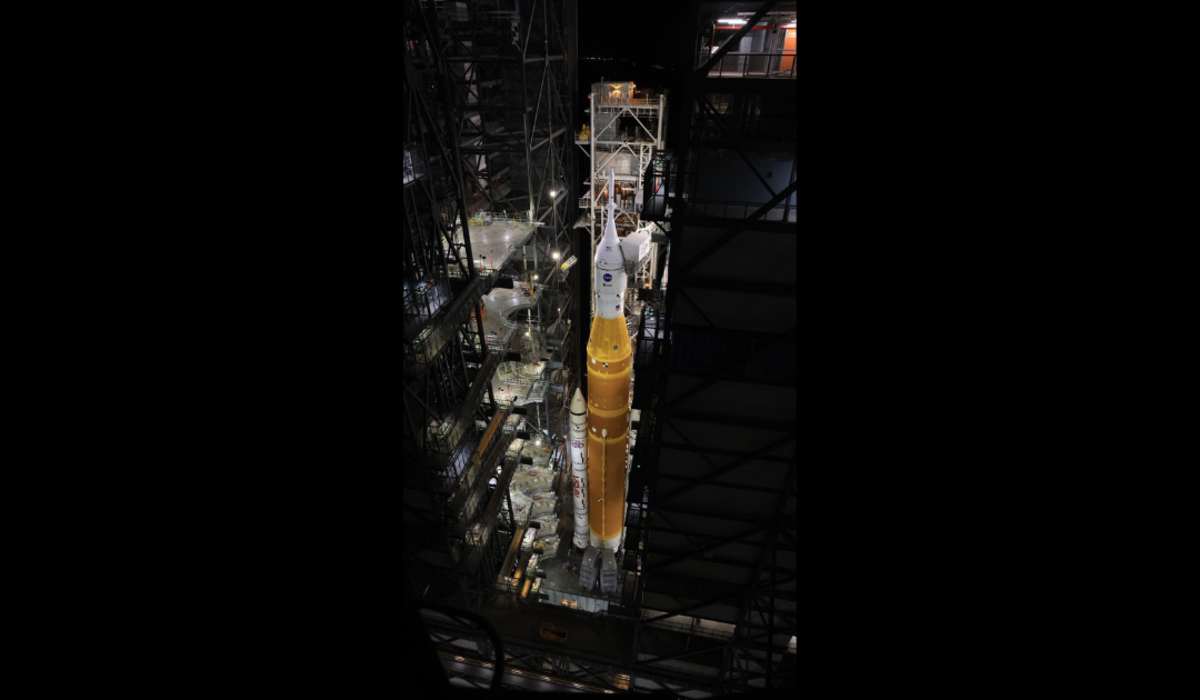
Artemis IV will start using a standardized SLS configuration to increase flight rates and reduce complexity between missions. NASA will also replace the interim cryogenic propulsion stage (ICPS) that was used by Artemis I and will be used by both II and III with a new second stage. However, the Exploration Upper Stage won't be used. Neither will Mobile Launcher 2, as both projects have been plagued by delays.
Isaacman emphasized the goal of the Artemis program to not just land humans on the Moon, but also to help set up a base and stay there. Artemis V would mark the early stages of these efforts to build a long-term lunar presence. Not much has been revealed about the mission profile or any other specifics, but it aims to launch in late 2028, using the same standardized SLS configuration.
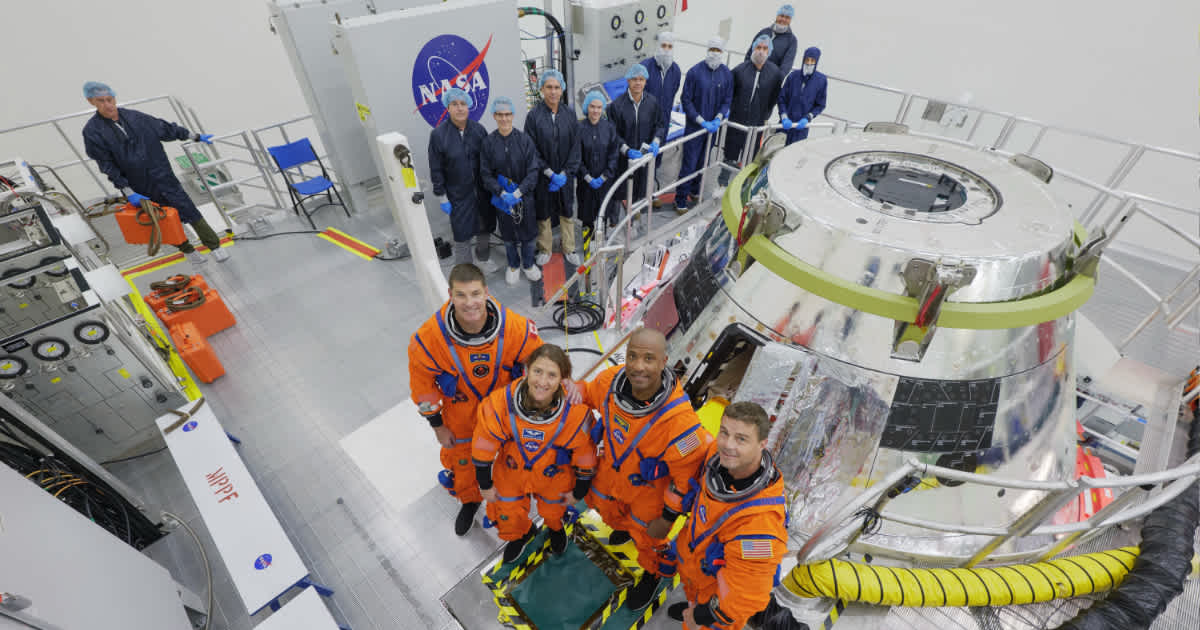
Keeping the not-so-distant future aside, NASA’s complete focus is on the upcoming Artemis II mission. The first crewed test flight in the program would send its crew of four—Reid Wiseman, Victor Glover, Christina Koch, and Jeremy Hansen—on a 10-day journey around the Moon and back. The launch date is now pushed to a broad April window, following multiple delays, most recently due to a helium flow issue, which now stands fixed.
Artemis IV’s new mission profile changes Artemis III’s goal from landing humans on the Moon to being a tech demo. Both missions are practically identical up to a certain point, except that Artemis III will test rendezvous and docking between Orion and the landers in low Earth orbit, and not the actual lunar orbit as in Artemis IV’s case. This step allows NASA to safely verify some essentials before attempting a proper lunar landing.
President Trump gave the world the Artemis Program, and NASA and our partners have the plan to deliver. We will standardize architecture where possible, add missions and accelerate flight rate, execute in an evolutionary way, and safely return American astronauts to the Moon,… pic.twitter.com/Qjm6BD5Ipi
— NASA Administrator Jared Isaacman (@NASAAdmin) February 27, 2026
NASA’s big revamp of the Artemis architecture is an attempt to go back to the basics and learn from the Apollo history books. Addressing the push for standardization to increase launch cadence and reduce risk, Isaacman reiterated that “not every rocket needs to be a work of art.” As things stand, the imminent Artemis II and III are essentially critical testing missions, while Artemis IV and V are now the heart of NASA’s strategy to revisit the Moon and set up a base there.
More on Starlust
NASA’s 2025 Aerospace Safety Advisory Panel report reveals critical 'risks' for Artemis III mission
Build, buy or outsource? NASA recalibrates its acquisition strategy in the 2025 safety report