Could plants help produce medicines during missions to Mars and beyond? A new study says yes
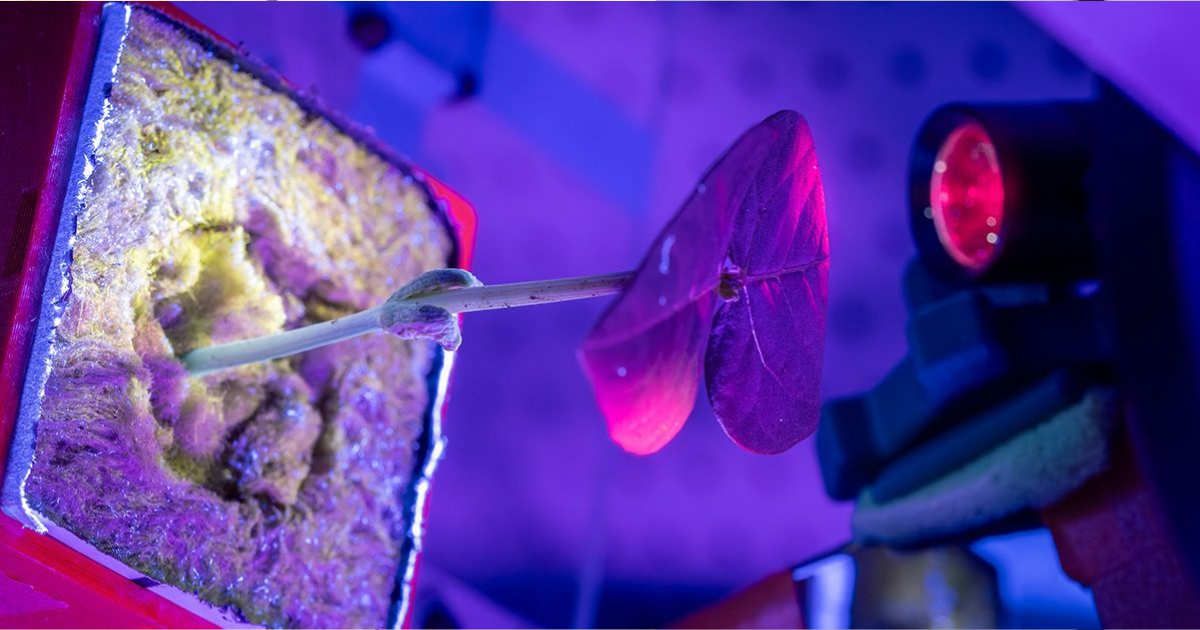
Medications don't last in space the way they do on Earth. Many degrade faster, and shipping fresh supplies to a spacecraft deep in the solar system isn't a realistic option. For a Mars mission, which could take around 200 days each way, not having a steady supply of medicine is a major challenge. A new study by researchers at the University of California San Diego suggests that plants can offer a potential solution. As per their findings published in npj Science of Plants, plants that are grown under space-like conditions can be used to produce medicine. Furthermore, these compounds can be harvested without destroying the plants or generating large amounts of waste.
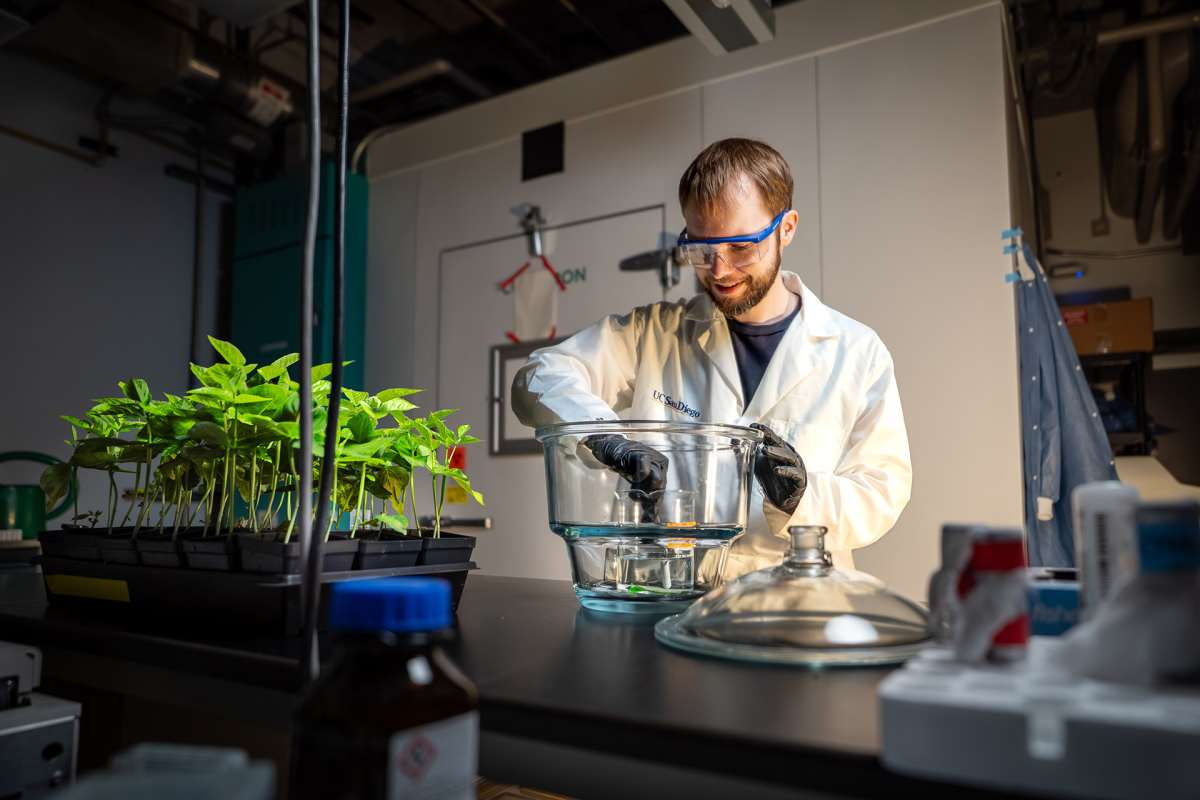
To demonstrate their idea, the team worked with a compound called cowpea mosaic virus (CPMV), which has been studied for more than ten years by Professor Nicole Steinmetz and the UC San Diego research group. Although this virus naturally infects legume plants, it also has an important biomedical application because it can stimulate the immune system to recognize and attack cancer cells. Two plant species (Nicotiana benthamiana and black-eyed pea) are used to produce CPMV. "Growing the compound in these plants is simple. They can produce a whole lot of biomass in a short amount of time, and more biomass equals more product. The main difficulty now is figuring out how to get the product out of the plants," said Patrick Opdensteinen, the lead author of the study, in a statement.
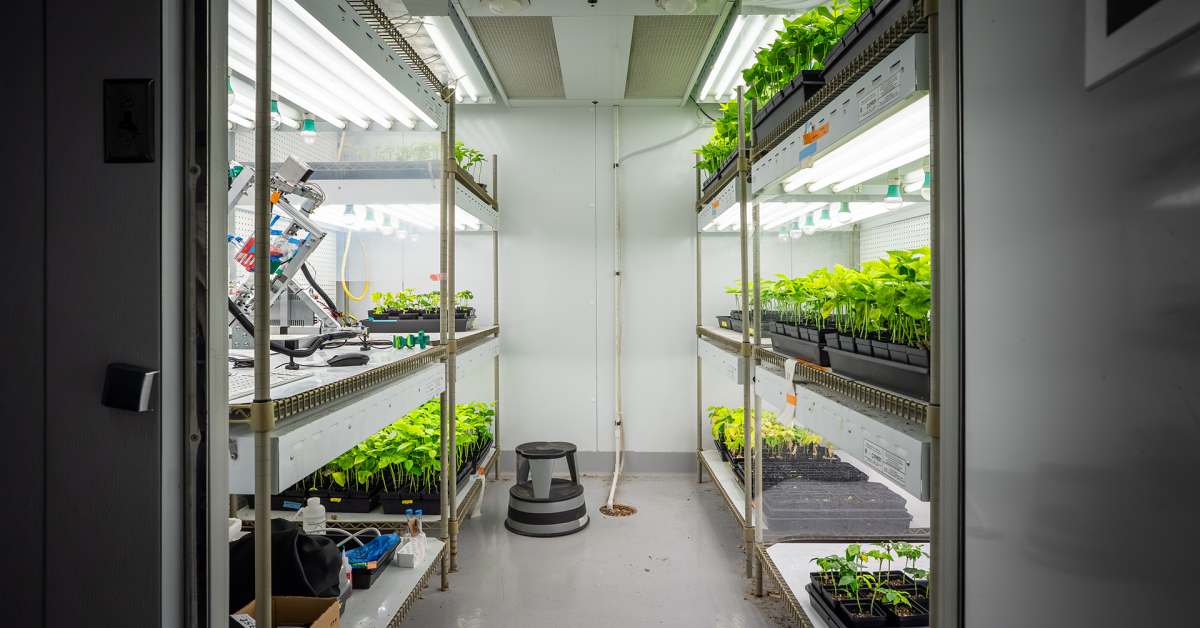
Growing CPMV in plants is relatively straightforward. But extracting it poses a challenge. In standard approaches, the leaves are collected and broken down to release the compound. "You end up with something that looks like a smoothie, and you can imagine getting your product out of that smoothie is challenging. The equipment that we use to do this fills our entire lab. You can't fit all that on a spacecraft," Opdensteinen said. The researchers focused on making this step simple. They explored an alternative approach inspired by methods used in bacterial and mammalian cell production systems, where the target product is released directly from the cells into the surrounding medium. This approach, known as product secretion, could simplify the production in space environments.
How the new extraction method works
Leaves have an internal network of connected spaces outside their plasma membrane called the apoplast. This gave the team a way to pull CPMV out of the plant without cutting the leaves off or destroying them. The process starts by placing the leaves into a buffer solution and sealing them inside a container. A vacuum is created inside the vessel, which forces the solution into those internal leaf spaces. The fluid-filled leaves are then transferred to vials and spun gently in a centrifuge, and this pulls the CPMV-carrying liquid back out. That liquid then goes through a filter, which isolates the larger CPMV particles from the smaller bits of plant material that came along with them. With this method, the team managed to isolate CPMV from over 50 plants in under two hours.
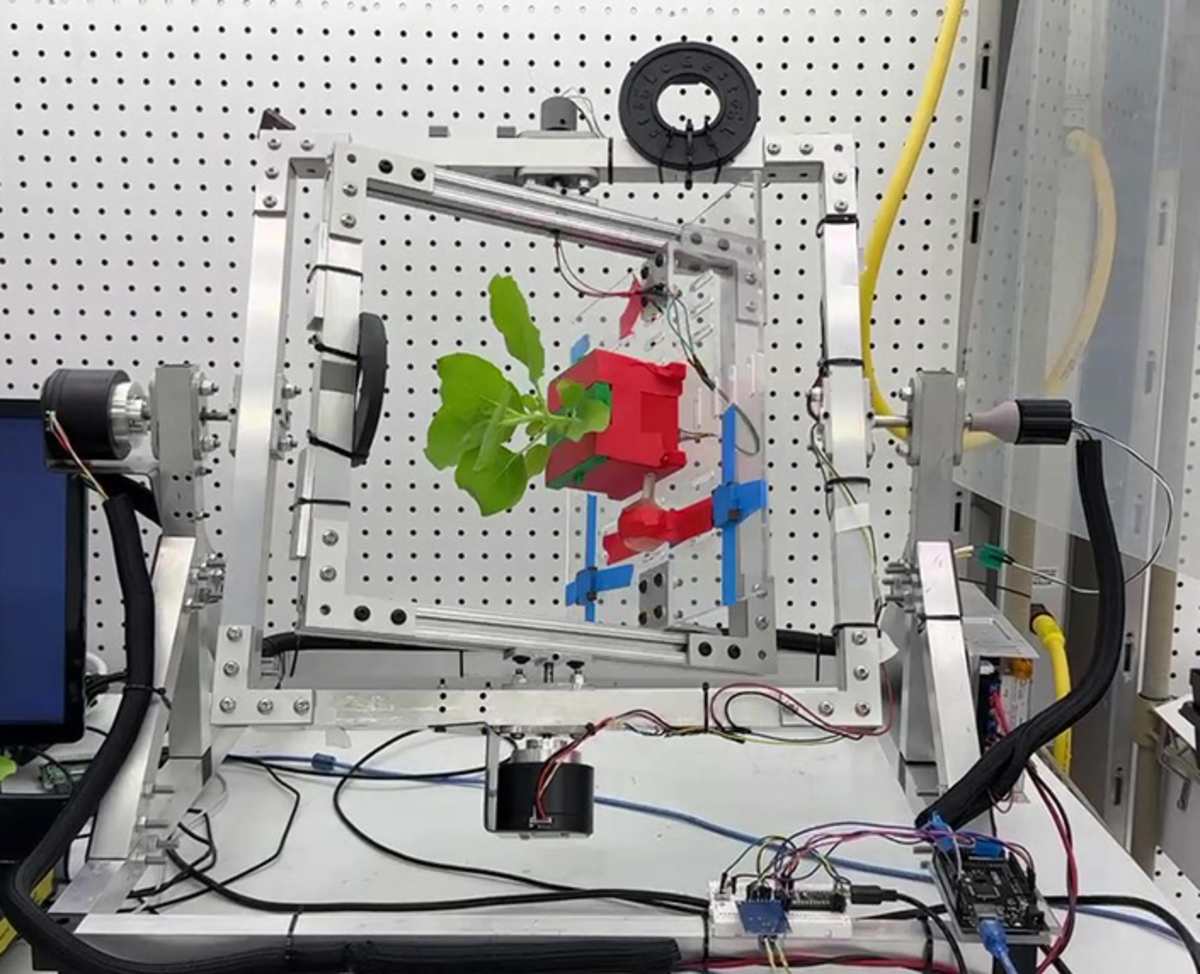
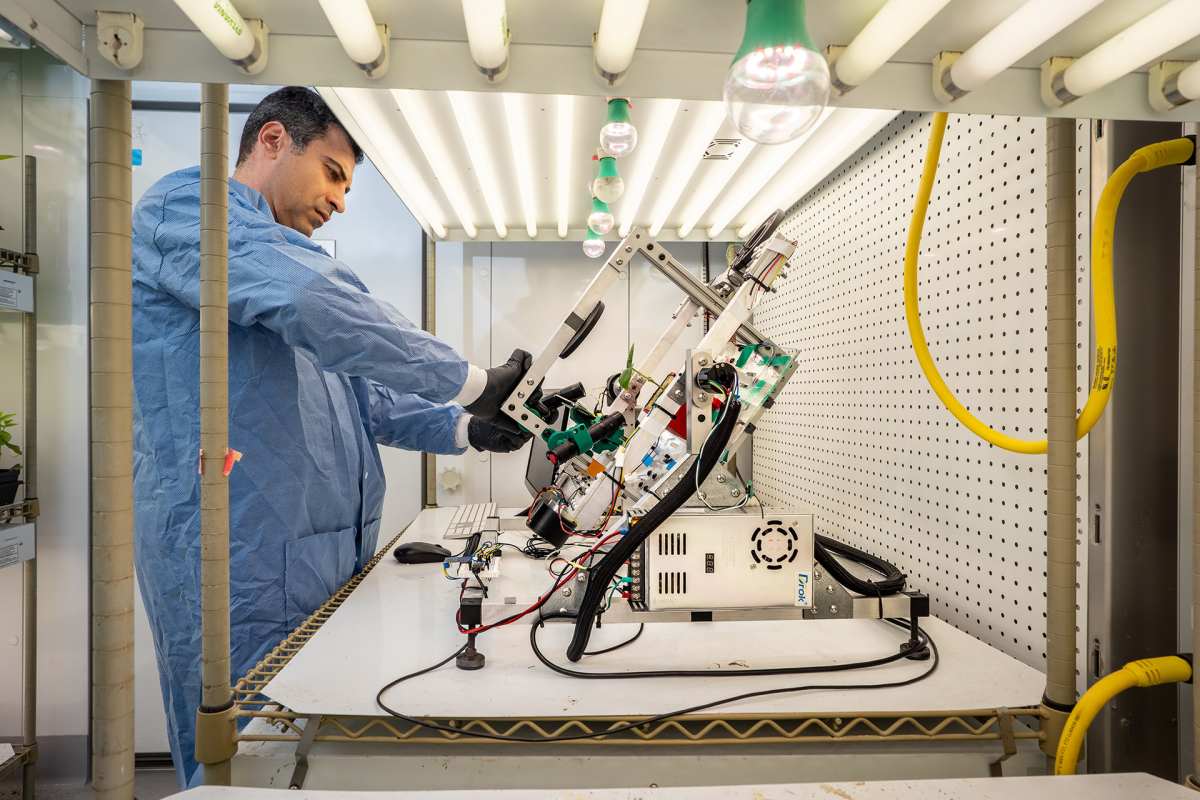
The next step was testing. Steinmetz’s lab collaborated with the lab of Maziar Ghazinejad, who is a professor in the Department of Mechanical and Aerospace Engineering at the UC San Diego Jacobs School of Engineering. They developed a custom random positioning machine to examine whether the system would work beyond Earth. The device continually rotates the plants, effectively canceling out gravity and simulating microgravity. The experiment also included temperature fluctuations and oxidative stress to imitate the impact of space radiation. Interestingly, these stressors sometimes caused a small boost in CPMV levels. The researchers suggest this response may be tied to CPMV being a plant virus. Explaining the process, Opdensteinen said, "Plants become more susceptible to disease when stressed, which is usually a disadvantage. But since our product is derived from a plant virus, we can use that stress response to increase yields."
Plants are already grown in space and can help recycle air and water aboard spacecraft. As a result, they can serve more than one purpose on a long mission. The team is exploring how space conditions impact plant processes, with the goal of eventually testing their method on a space mission. They have also partnered with the Rocket Propulsion Laboratory at UC San Diego to understand what the physical forces of a launch do to plant seeds.
More on Starlust
Healthcare on the Moon and beyond — how NASA is preparing for medical emergencies in deep space