FCC gives go-ahead to SpaceX for putting a million AI data center Starmind satellites in space
The Federal Communications Commission (FCC) has approved the deployment of up to one million satellites for SpaceX's Starmind, marking the first authorization in U.S. history for a data center constellation in space. "This action opens a bold new frontier for the computing infrastructure needed to power America's leadership and growth," said FCC Chairman Brendan Carr in a statement issued on November 25.
DATA CENTERS IN SPACE🇺🇸 Today, in a historic first, the FCC approved SpaceX’s request for 1 million satellites (orbital compute modules) to create data centers in space The Starmind & competitor constellations will use solar power to extend America’s lead in Super Intelligence https://t.co/VJinjK5e5E
— Brendan Carr (@BrendanCarrFCC) November 25, 2026
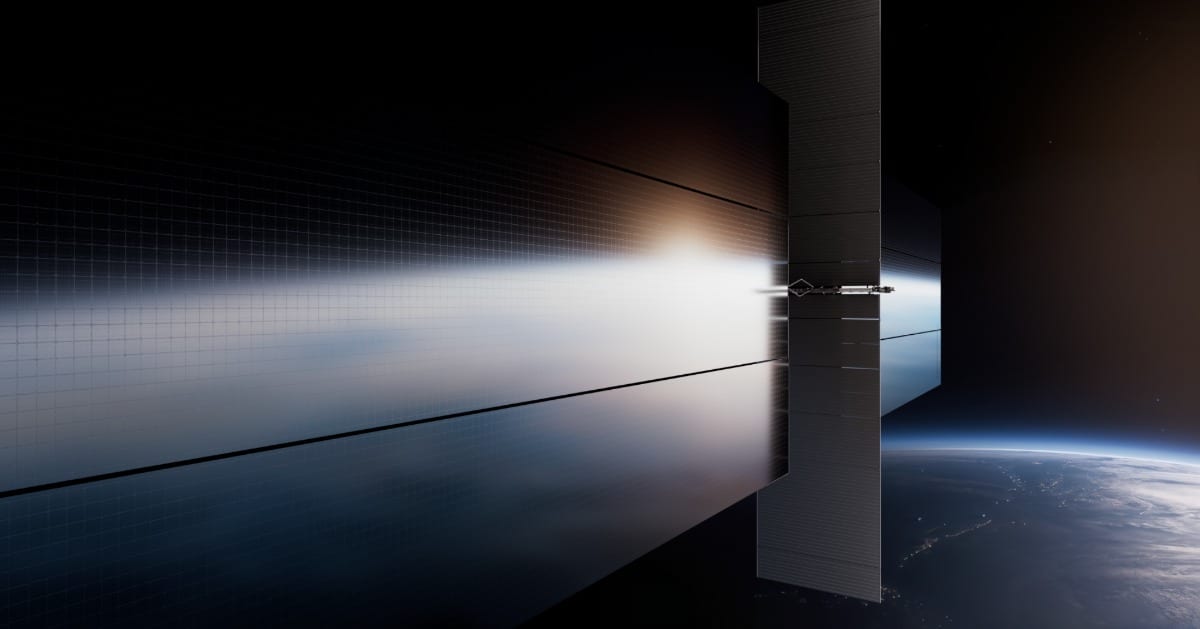
The whole idea behind orbital data centers is to bypass the electrical power and cooling constraints on Earth. "Orbital satellite with localized compute that takes advantage of readily available power and cooling in space and beams back data via high-bandwidth lasers to the Starlink constellation," says SpaceX on its Starmind description page. SpaceX will deploy the satellites, called AI1, in sun-synchronous orbit, where they will have access to continuous solar power, without losing any of it to the atmosphere. The heat generated will also radiate freely into the vacuum of space, thus allowing the company to do away with the need for coolers that are used in terrestrial data centers.
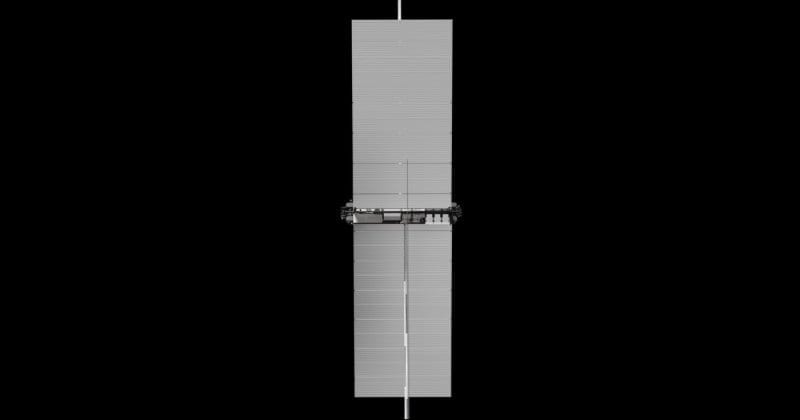
Each AI1 satellite will be about 98 feet (30 m) in height and have a wingspan of 246 feet (75 m) when deployed in space. SpaceX also announced in August that the satellites will feature Nvidia Rubin GPUs and Vera CPUs for data center-level compute capacity. The satellites, however, are chip agnostic, meaning they will be able to support chips from any vendor.
SpaceX is partnering with @Nvidia to design the Starmind AI1 satellite compute payload. Each of the Starmind satellites will include NVIDIA Rubin GPUs and Vera CPUs for datacenter class space compute → https://t.co/4MOQv0DvTQ https://t.co/rC7UBAznAO
— SpaceX (@SpaceX) August 4, 2026
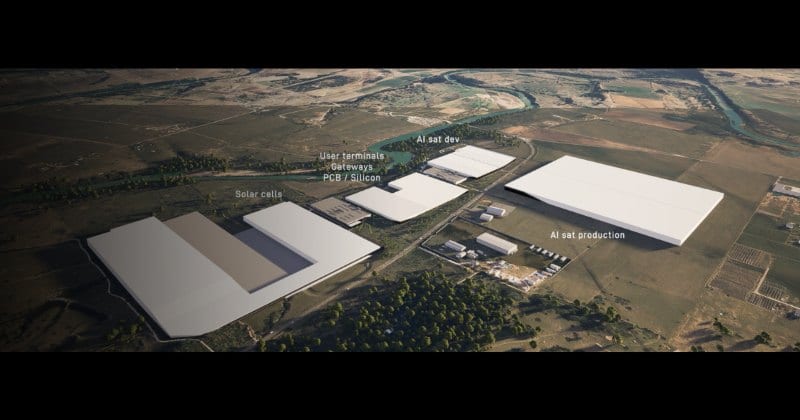
According to the authorization document, SpaceX must complete the deployment of the entire constellation by November 25, 2040, with the deadline for the deployment of the first satellite having been set for seven years from now, on November 25, 2033. The company, however, plans to start deployment as soon as late 2027 and is already building the Gigasat Factory in Bastrop, Texas, to produce the satellites at scale.
SpaceX wants to deploy the satellites in six orbital shells between 500 km (310 miles) and 1,002 km (622 miles). It also sought permission from the FCC to dispose of retired satellites operating above 600 km (372 miles) into "Earth disposal orbits or heliocentric orbits" instead of having them burn up in Earth's atmosphere. The request, however, was not granted. "Because SpaceX has not provided sufficient information for the Commission to determine whether its alternative disposal methods are compliant with the Commission’s requirements, SpaceX’s waiver request is deferred," the document said. Going forward, the company will have to file a request for waiver before deploying any satellite that it doesn't plan to dispose of via atmospheric reentry.

Conditions aside, the FCC hailed the data center as a means to "bring the human race closer to a Kardashev II civilization—one that can harness the full power of the Sun." Speaking in glowing terms about the potential of such a large satellite constellation, Carr further added, "This is the kind of American ingenuity that can unite our strengths in space and advanced technology, reinforce our economic leadership, and expand prosperity here at home." In response, SpaceX CEO Elon Musk wrote on X, "Much appreciated. This will be a great asset to America and the world."
NEWS: Jeff Bezos' rocket company Blue Origin has filed an official request with the FCC to launch and operate a constellation of 51,600 AI satellites (orbital datacenters), just two weeks after Amazon filed a formal petition calling on the FCC to deny @SpaceX’s 1 million-satellite proposal for orbiting datacenters, going as far to claim the project would take “centuries” to deploy. Blue Origin's project, called “Project Sunrise,” would include up to 51,600 satellites in low Earth orbit, designed to run AI and cloud computing workloads using constant solar power. The system would primarily use laser (optical) links between satellites. Blue Origin says "space-based data centers could relieve pressure on Earth’s power grids and water usage."
— Sawyer Merritt (@SawyerMerritt) March 20, 2026
SpaceX is not the only company interested in orbital data centers. In March, Jeff Bezos' Blue Origin filed a request with the FCC to launch and operate a 51,600-satellite-strong data center constellation, called "Project Sunrise." Last month, Google sent its AI chips into orbit aboard SpaceX's Transporter-18 mission for testing as part of its "Project Suncatcher." Carr himself has welcomed competition, saying, "The Starmind & competitor constellations will use solar power to extend America’s lead in Super Intelligence."
More on Starlust
SpaceX will likely put Starship’s 'historic' Flight 15 upper stage on public display, says Elon Musk
Satellite launched in 1981 breaks up in low Earth orbit; debris may put other spacecraft at risk