Robot dogs on the Moon? China could use them to build and guard permanent lunar bases, says report
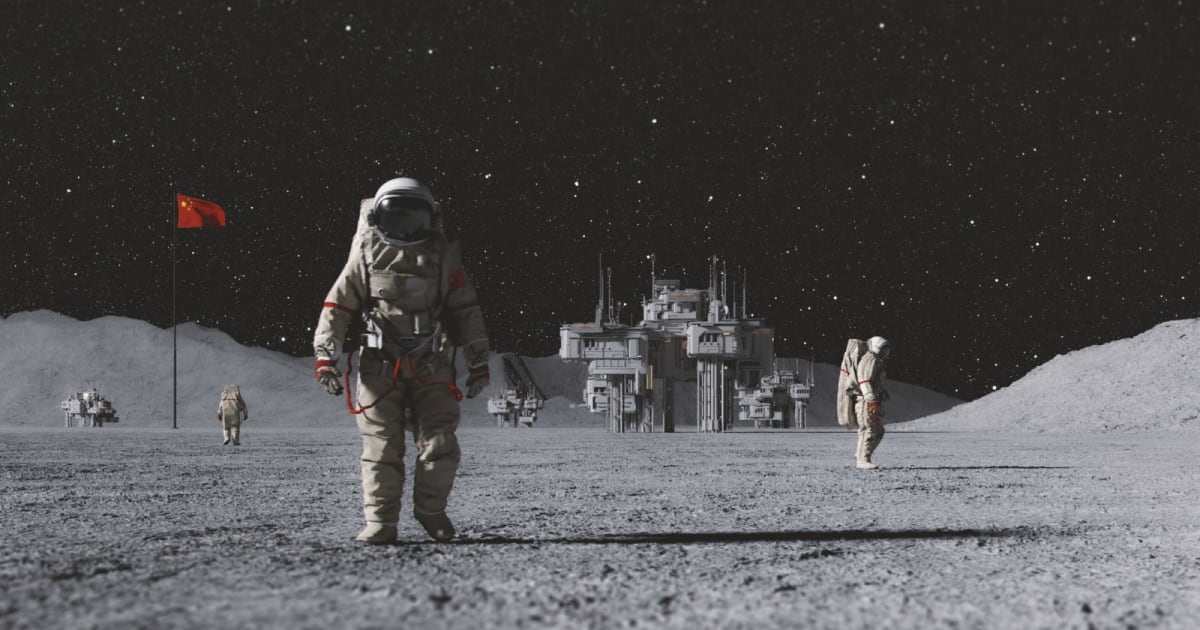
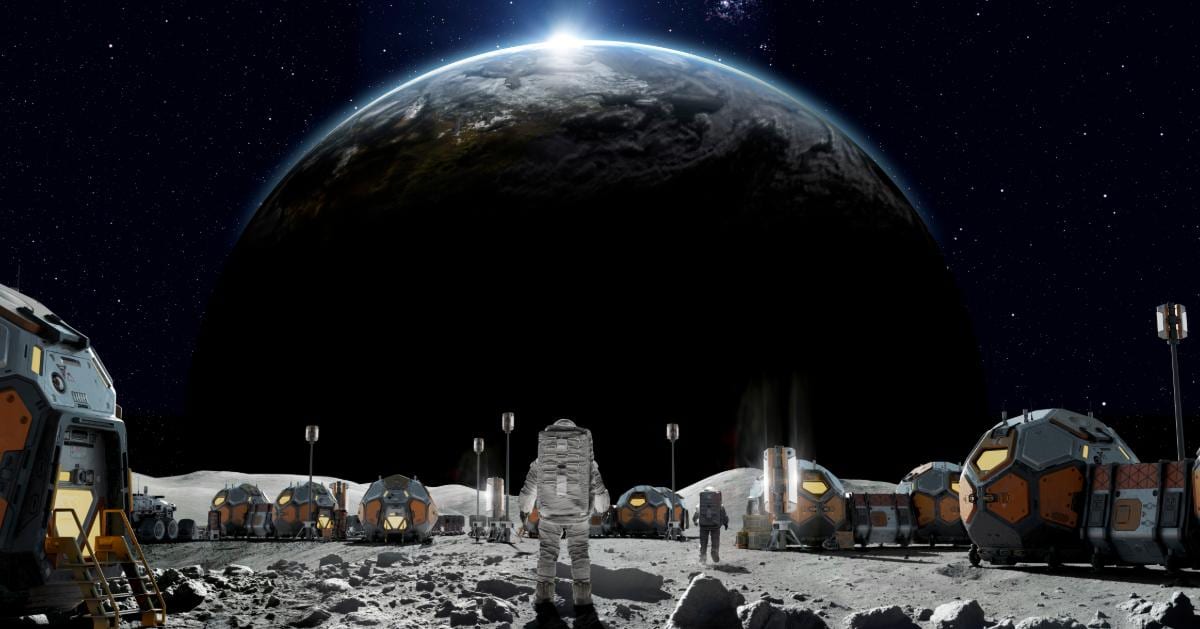
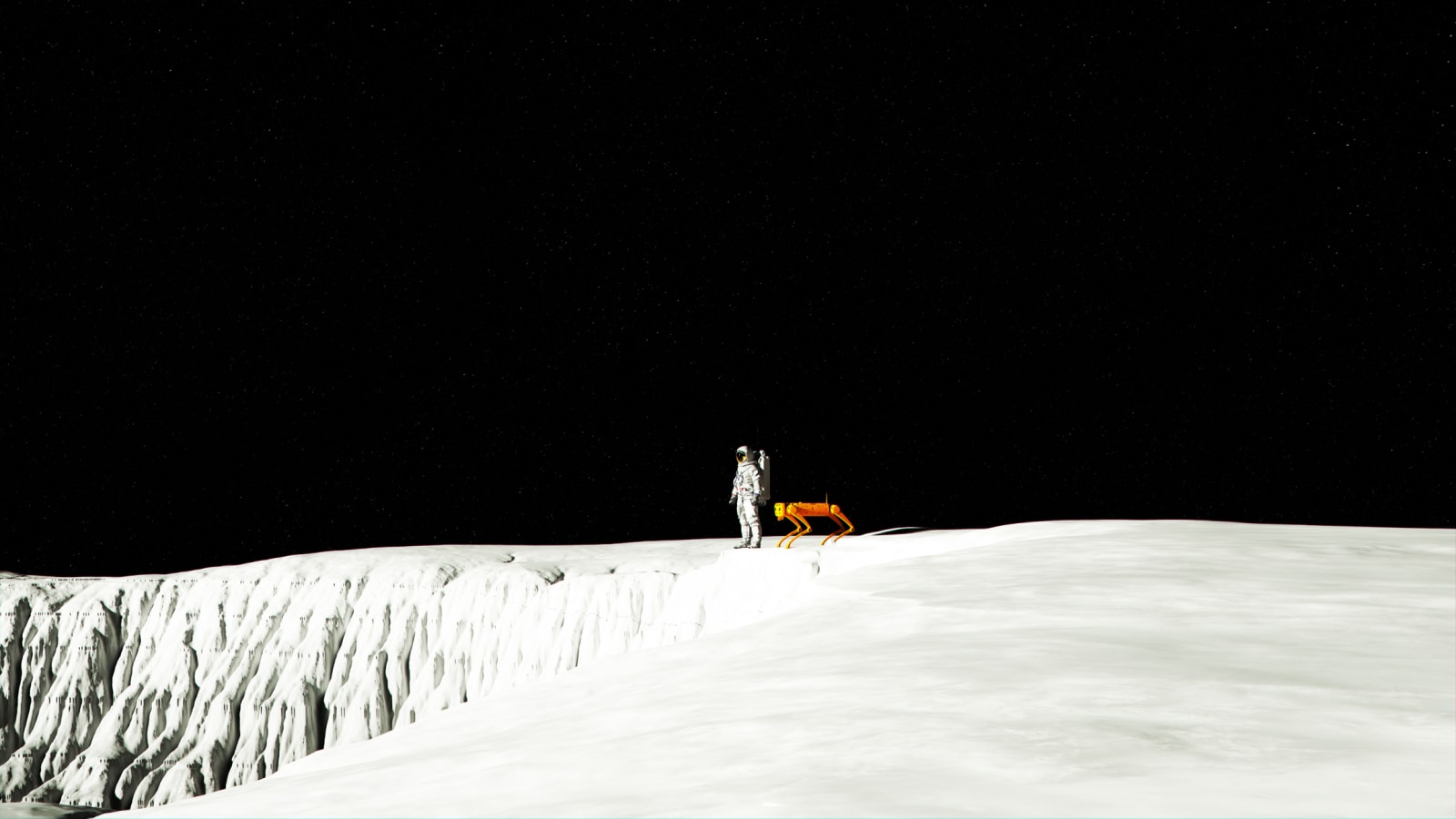
China's plans for its permanent lunar bases could soon have an unlikely addition. The country is reportedly planning to use robot dogs to aid the development of its International Lunar Research Station (ILRS) near the Moon’s South Pole. According to the South China Morning Post, these robots will play a central role in a wide range of tasks like sample collection and resource extraction while working in tandem with astronauts. The concept has been detailed in the journal Chinese Space Science and Technology and explores the idea of collaboration between humans and autonomous robots on the Moon.
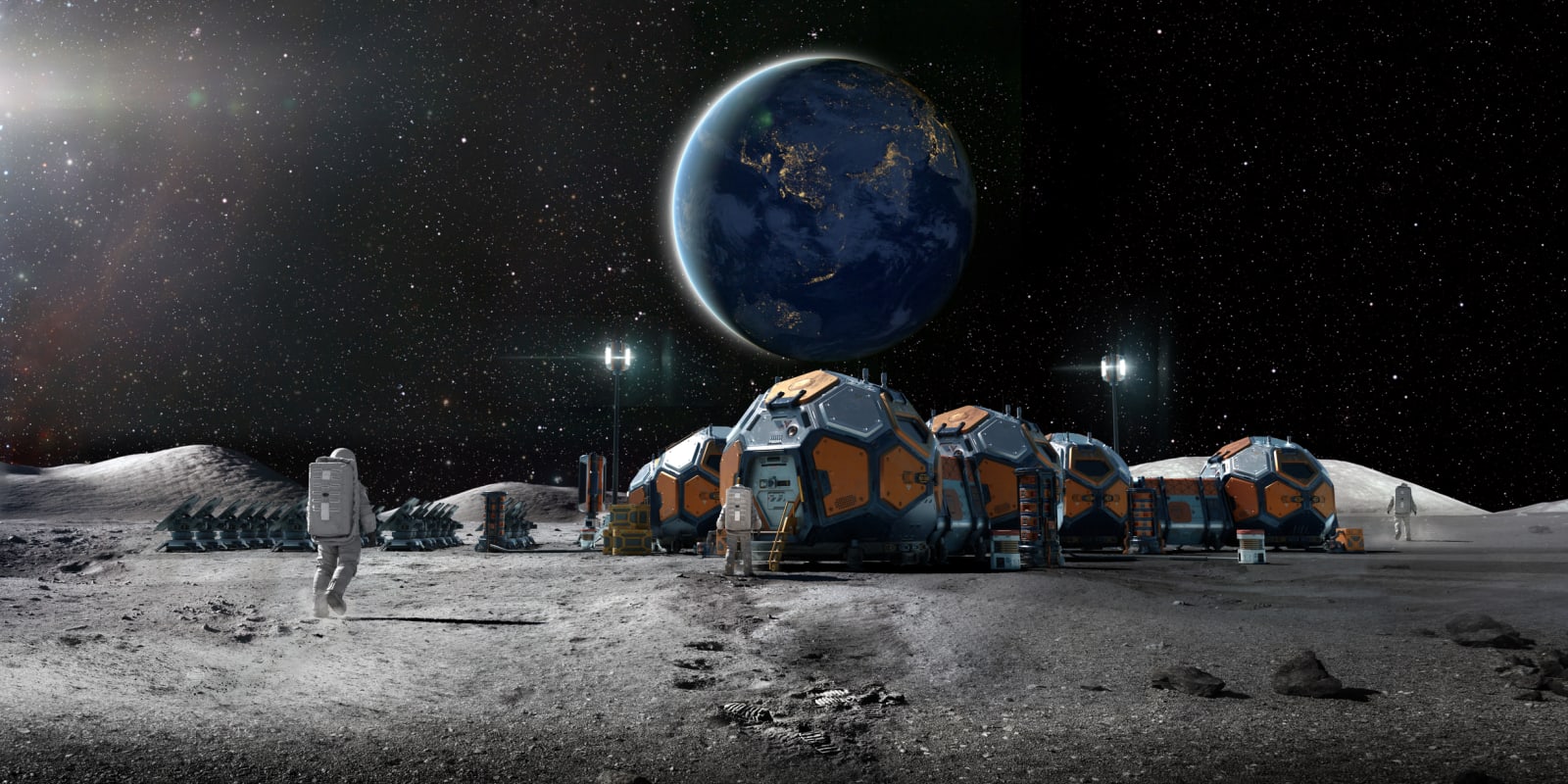
The concept envisions the robot dogs working alongside two astronauts, collecting lunar rock and soil, extracting lunar resources such as frozen water ice, scouting the lunar landscape, converting lava tubes into local habitats, building with local materials, and patrolling the bases. Per the report, China’s leading spacecraft developer, the China Academy of Space Technology, says that a third astronaut will stay inside a van-sized pressurized rover, coordinating the mission and remotely controlling the robots when needed. Apart from the exploration work, robots will also reportedly be designed to clean, prepare meals, and talk to the astronauts during periods of isolation.
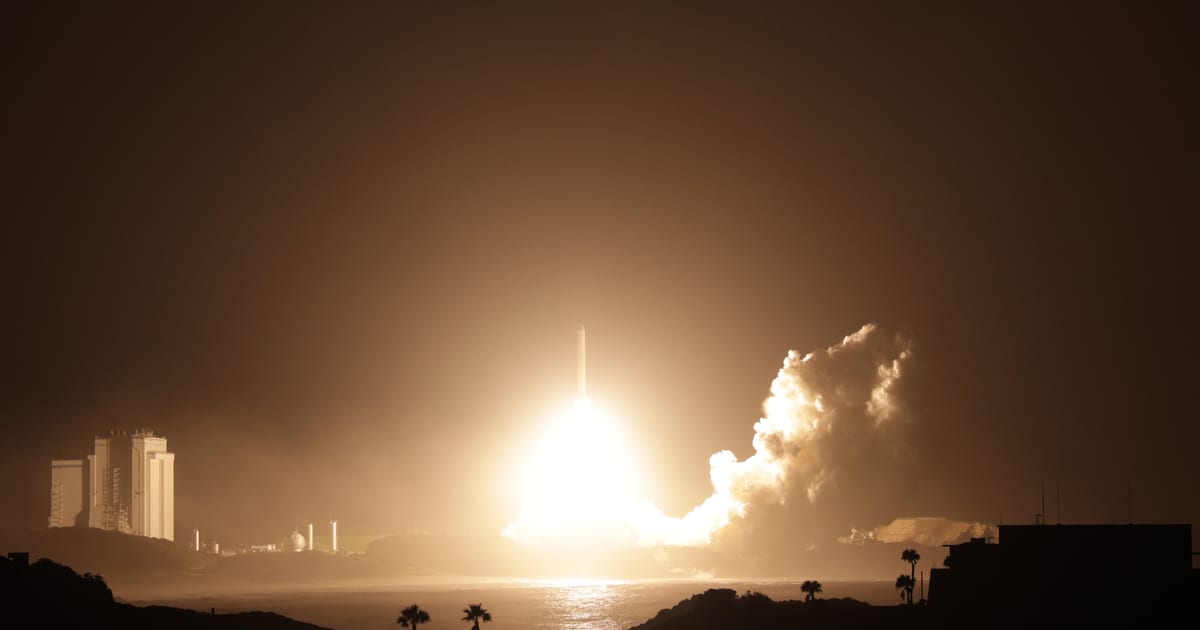
China is preparing the ILRS in collaboration with Russia and plans to get a basic version of it running by the mid-2030s before expanding into a larger complex and a lunar orbiting station by 2045. The Chang’e-7 mission, reportedly targeted for launch later this month, is part of the ILRS construction blueprint. It will search for water ice at the lunar south pole. Also in the pipeline is Chang'e-8, which will test in-situ resource utilization technologies, including 3D printing of bricks from the lunar soil with the aim of verifying the feasibility of building habitats from materials available on the Moon.
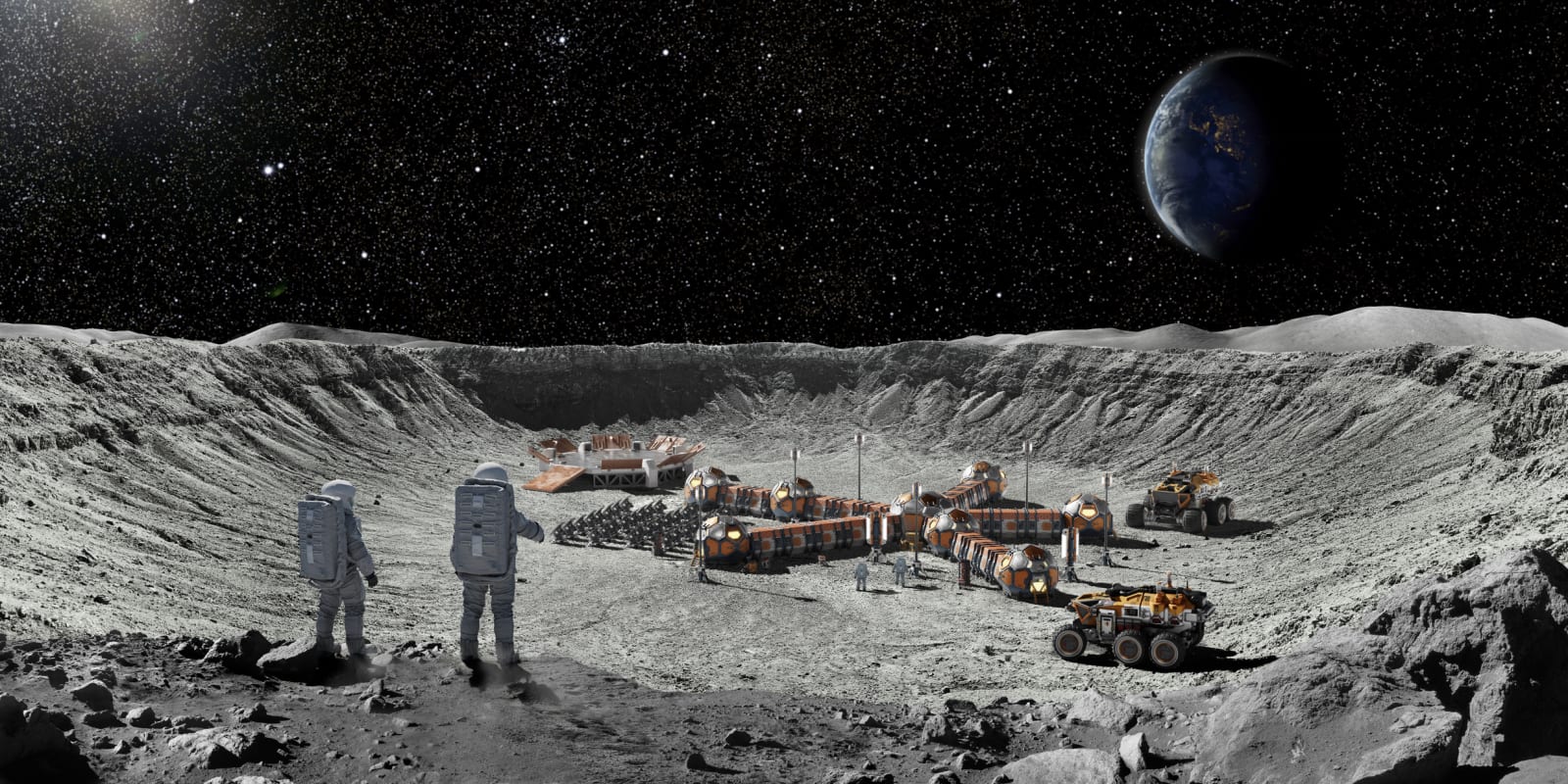
In-situ resource utilization will play a great role in ensuring sustainability on the Moon. That being said, the Chinese authors are aware of the challenges and have outlined hurdles the robots will have to cross. These include training them in an environment with little room for error and building communication networks and navigation systems to enable them to work with humans.
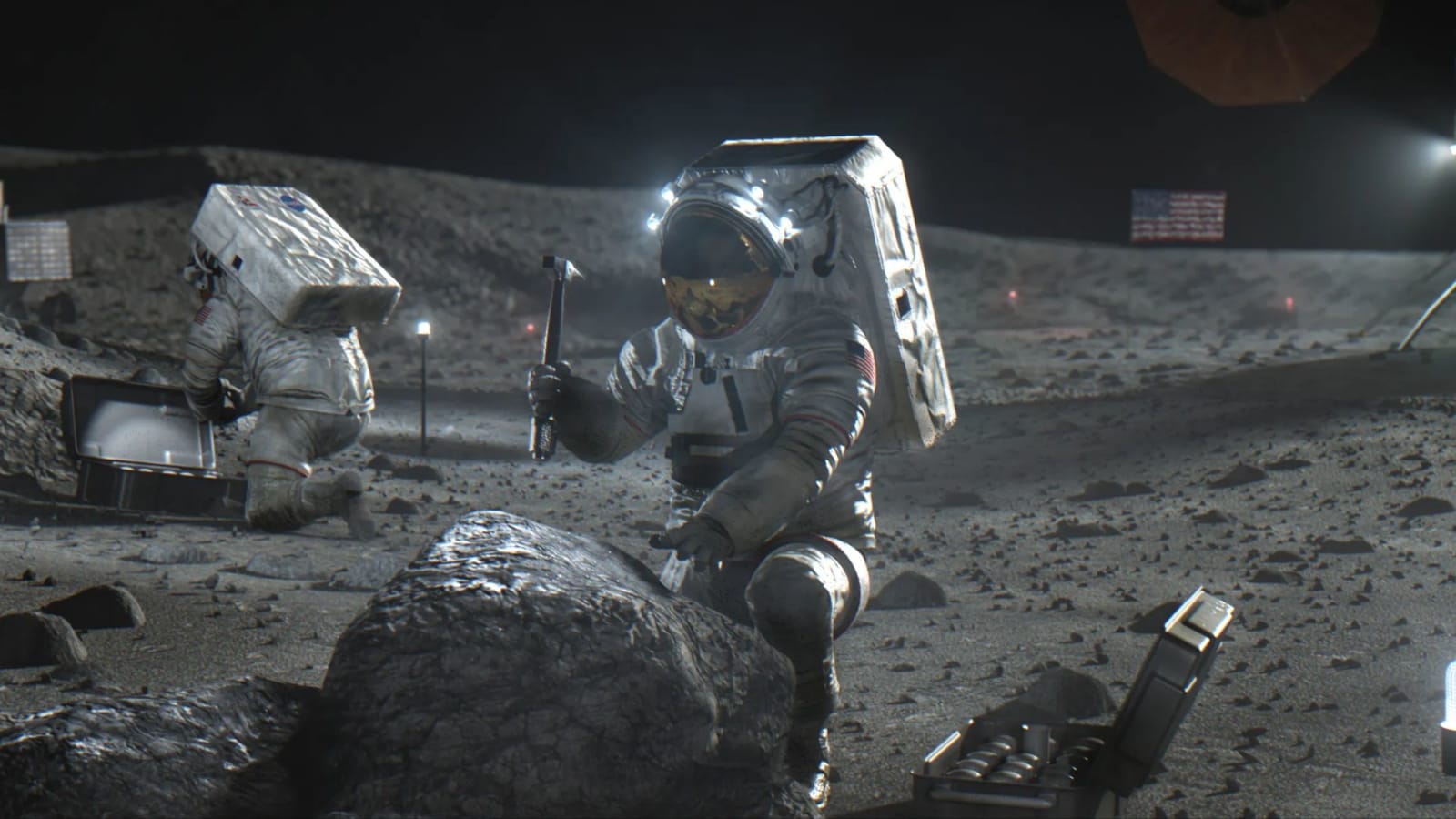
The US-China rivalry in space has intensified since the latter announced its plan to land astronauts on the Moon before 2030. NASA, in partnership with its multiple international and commercial partners, is hard at work to develop the Artemis Program, which aims to land its own astronauts on the lunar surface in 2028 and build a Moon Base of its own as well. At the moment, the agency is building the Artemis III mission, which will test rendezvous and docking operations between the Orion spacecraft and two lunar lander test articles developed by Blue Origin and SpaceX. The learnings from the mission, which will be carried out in low-Earth orbit, are expected to reduce risks for when NASA attempts a crewed lunar landing for the first time since the Apollo days with Artemis IV.
More on Starlust
China's Long March 7A rocket explodes moments after liftoff; Elon Musk reacts. Watch video