The space race then and now: From the erstwhile US-Soviet rivalry to the current China factor
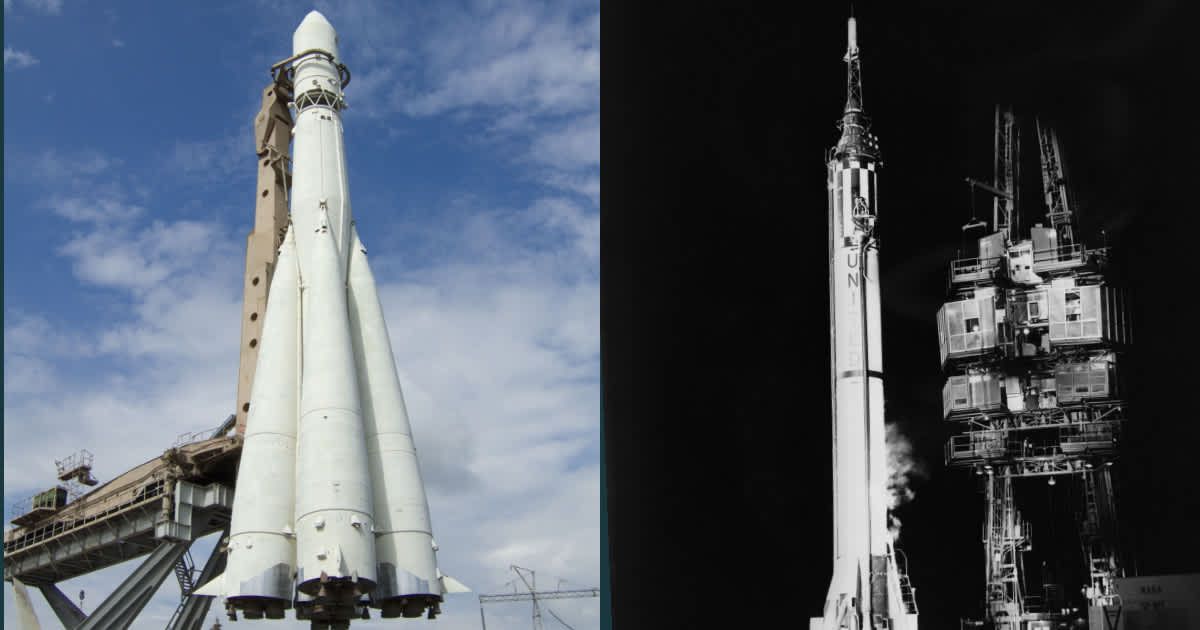
A ‘space race,' as the name suggests, is the quest to establish leadership and dominance in space. The term became a topic of household conversation since the late 50s, when a high-stakes arms race between the United States and the Soviet Union evolved into a race to show who had the more capable space program.
Time, 1968, Race for the Moon cover art pic.twitter.com/aIJQ4ZLQ2d
— Sci-Fi Archives (@SciFiArchives) April 30, 2026
World War II and the ensuing Cold War meant a climate of distrust existed amongst the two major international powers of the mid-20th century. Each sought superior rocket technology and developed powerful intercontinental ballistic missiles (ICBMs). Then, this new technology, borne out of a military pursuit, eventually gave way to the space race. Fast forward to the present; this historical rift stands as the precursor to a new era where space-based infrastructure has become even more crucial for military success. The race to achieve technological advantage remains a primary driver of global power dynamics; although the US now finds itself competing with a new superpower in China.
1957-1960
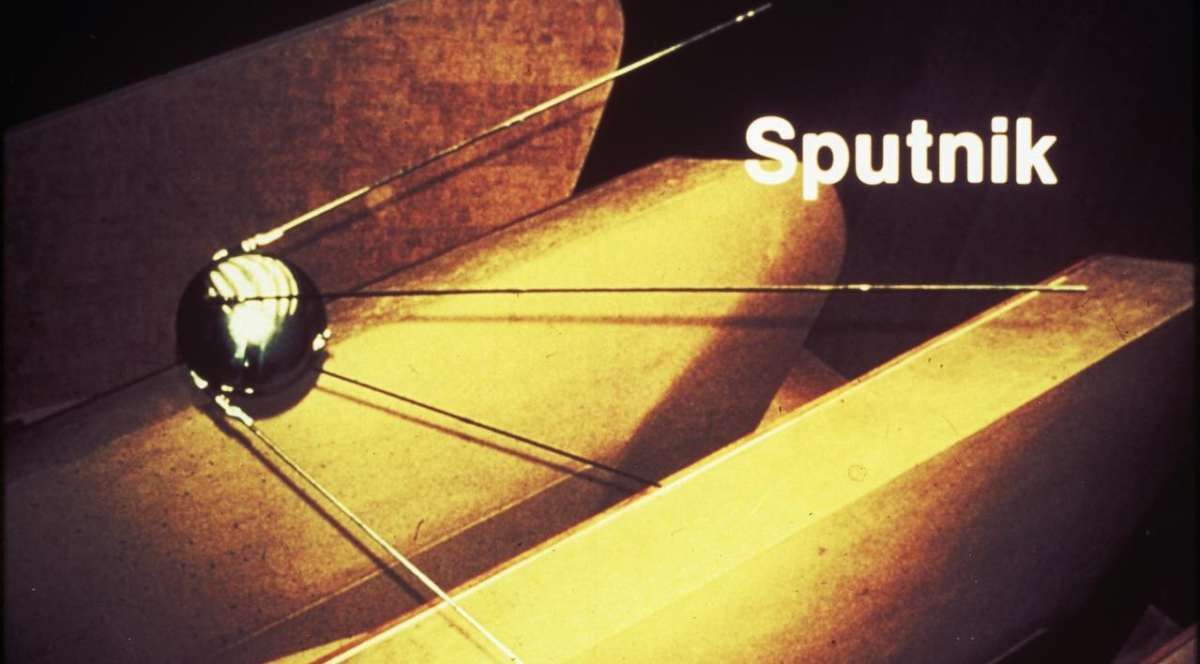
While both nations (the USSR and the US) had been hard at work putting the first person in space in the late 50s, it was the Soviet Union that took the early lead on October 4, 1957. This was achieved with the successful launch of the Sputnik satellite. This came as a shock to the US decision-makers, as they had believed their space program’s capabilities to have been superior. Structurally, the Soviet space program was integrated into a secretive military-industrial bureaucracy. Meanwhile, the US maintained a separate civilian agency in NASA, with the military operating as a separate entity. Early American attempts, such as the Navy's Vanguard rocket, ended in public disaster. However, the US rallied on, with January 31, 1958, marking the day Explorer 1 was finally pushed into space. It was launched by the army's modified Redstone missile, called the Jupiter-C.
1961-1964
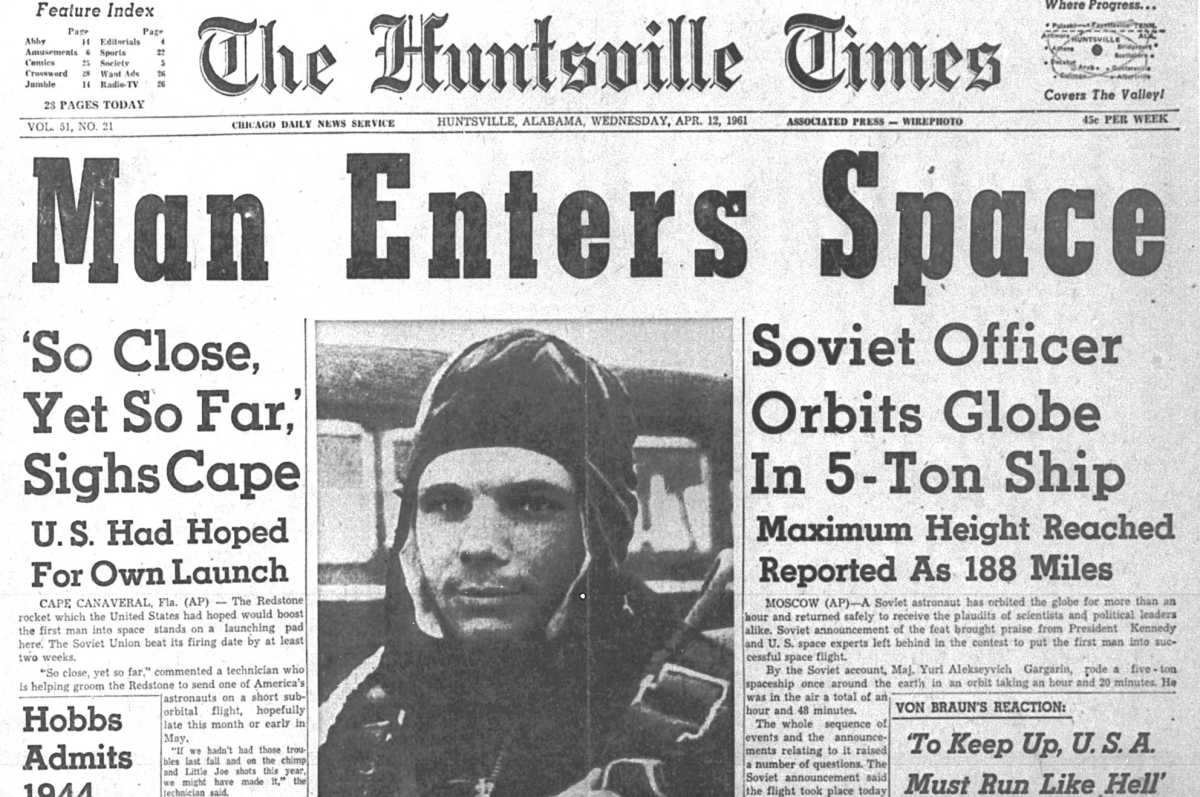
By the early 1960s, the USSR continued to dominate headlines with the first man in space, the first woman, and the first spacewalk, completed by Yuri Gagarin, Valentina Tereshkova, and Alexei Leonov, respectively. While NASA was never too far behind, the then US President John F. Kennedy was keen to achieve a goal that was so technically challenging that both nations would do well to complete it before the end of the decade, with neither having rockets to power humans beyond Earth orbit. On May 25, 1961, Kennedy committed NASA to landing humans on the Moon, despite Americans having logged barely 15 minutes in space in total. To achieve this, NASA launched the Mercury missions in 1961, which was a methodical program designed to develop hardware and test how humans would fare in orbit aboard a one-person spacecraft.
We’re sharing highlights in honor of the #NASA60th anniversary! With milestones like the first American spacewalk, two spacecraft docking in orbit and a two week mission, Gemini Program achievements were key to landing an American on the moon. https://t.co/hRHDPAMbHK pic.twitter.com/yYuh1sQwrn
— NASA's Johnson Space Center (@NASA_Johnson) September 25, 2018
1965-1968
The mid-1960s saw the US transition to the Gemini program, which featured an enlarged spacecraft for two astronauts. Between 1964 and 1966, ten crewed Gemini missions improved vital techniques such as spacecraft control, rendezvous, docking, and extravehicular activity, with Gemini VII lasting a record-breaking two weeks to conclusively prove humans could survive the duration of a lunar voyage. These missions were critical in building the foundation for the Apollo program and the massive Saturn V rockets that eventually took humans to the Moon.
1969-1972
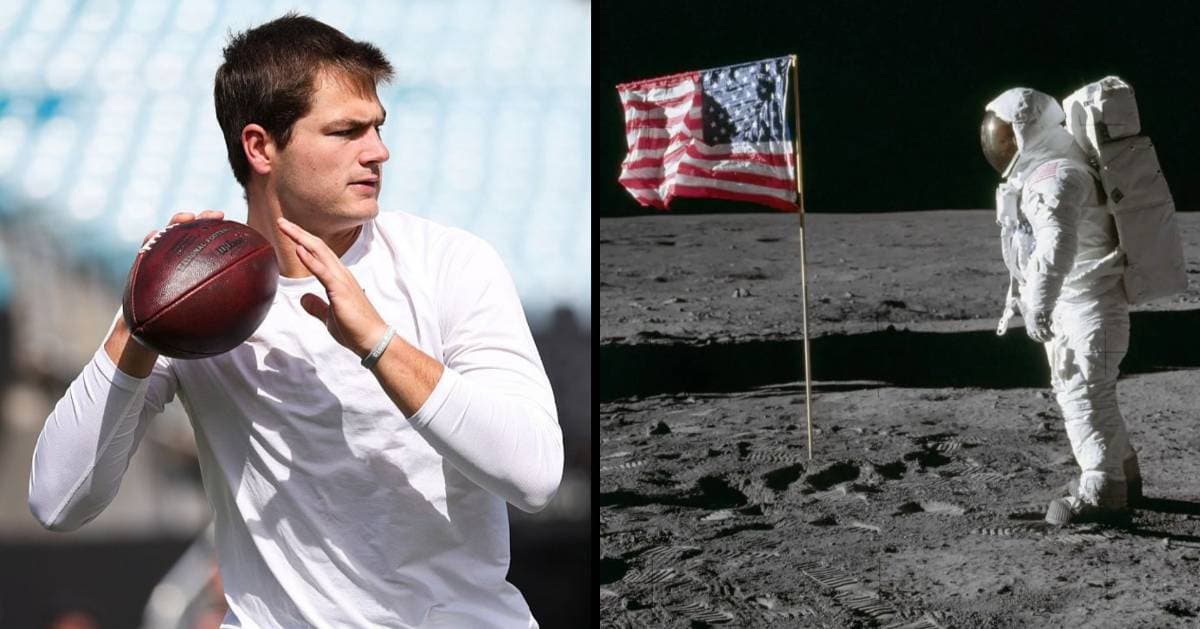
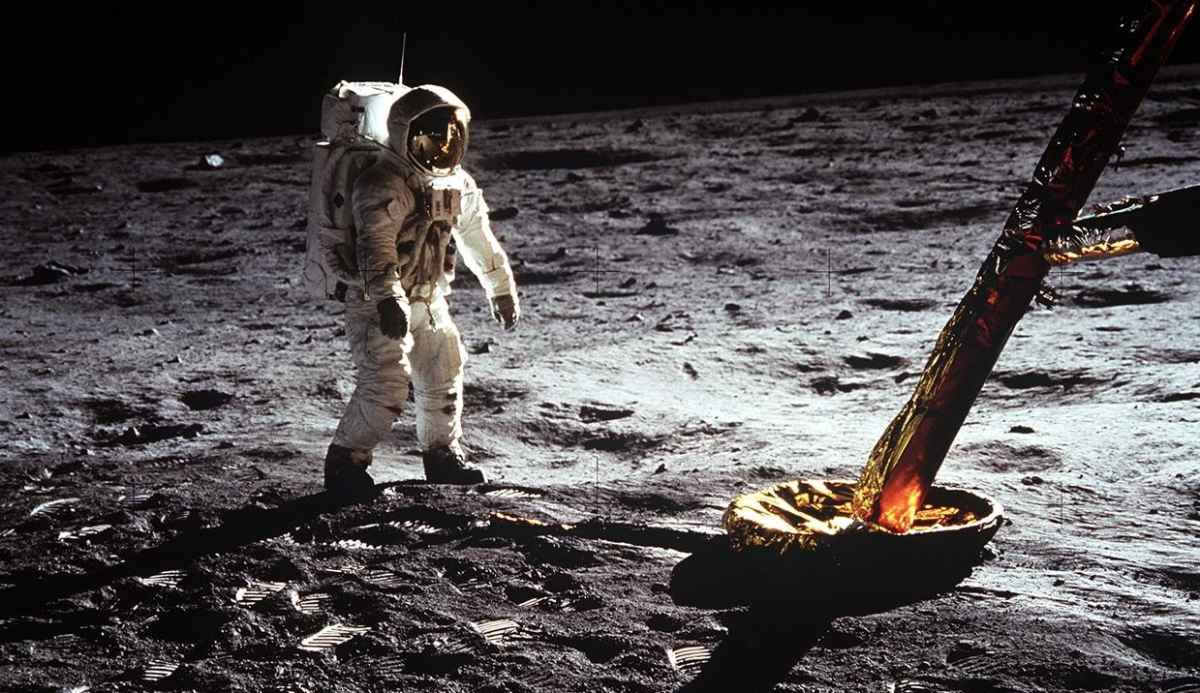
With the Gemini missions completed, NASA resumed the development of its Moon-landing missions via the Apollo program. By the time Apollo 11 came around, the entire program was on the precipice of readiness. The climax of the original race occurred on July 21, 1969, when Neil Armstrong and Edwin "Buzz" Aldrin stepped onto the Moon and fulfilled Kennedy's vision. The Soviet and American programs then moved in different directions. The US began developing the Space Shuttle and also participated in the American-Soviet rendezvous, the Apollo-Soyuz mission, in 1975. The Soviets began pursuing long-term goals, such as establishing permanent Earth-orbiting space stations (Salyut and Mir) and exploring planets with robotic probes. The Cold War concluded with the dissolution of the USSR in 1991, leading to cooperative efforts like the International Space Station.
The modern space race with China
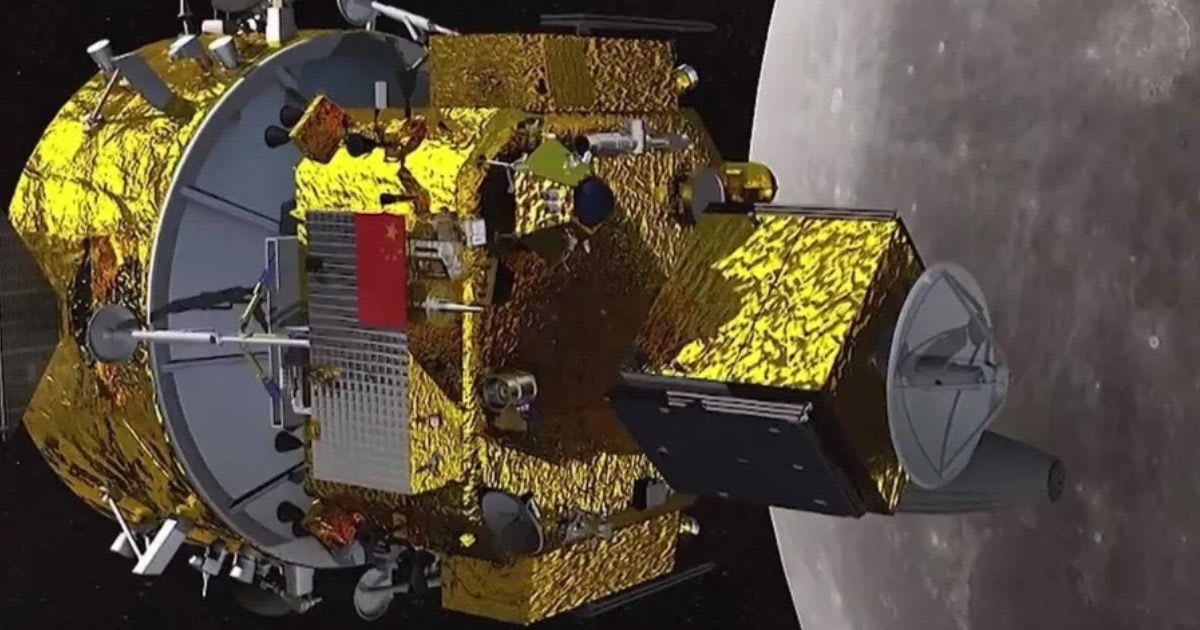
NASA and its partners are now looking to revisit the Moon, having taken their first concrete step with the Artemis II mission. At the same time, China has made no secret of its ambitions of putting humans on the lunar surface by 2030. Though information about their lunar goals is not as widely available as that of their US counterparts, we now know that the upcoming Chang'e 7 mission to the Moon will look for water ice in the lunar south pole—a vital component to ensure a sustained human presence on the Moon. In fact, its precursor in Chang'e 6 made China the first country to retrieve samples from the lunar far side. China also operates its own space station in Earth orbit, called the Tiangong.
Speaking before Congress today, #NASA Administrator Jared Isaacman didn't hold back his words about the United States’ space race with China. Through the #Artemis program, he emphasized building American-led infrastructure on the #Moon. pic.twitter.com/AIhev5m3XB
— Starlust (@starlustorg) April 23, 2026
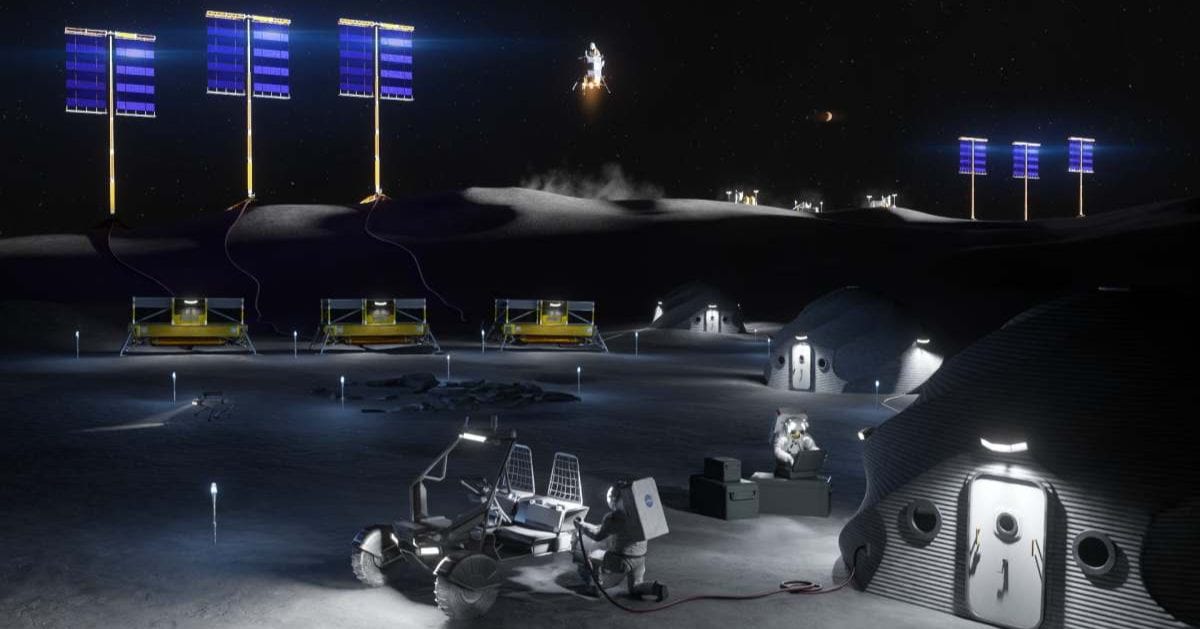
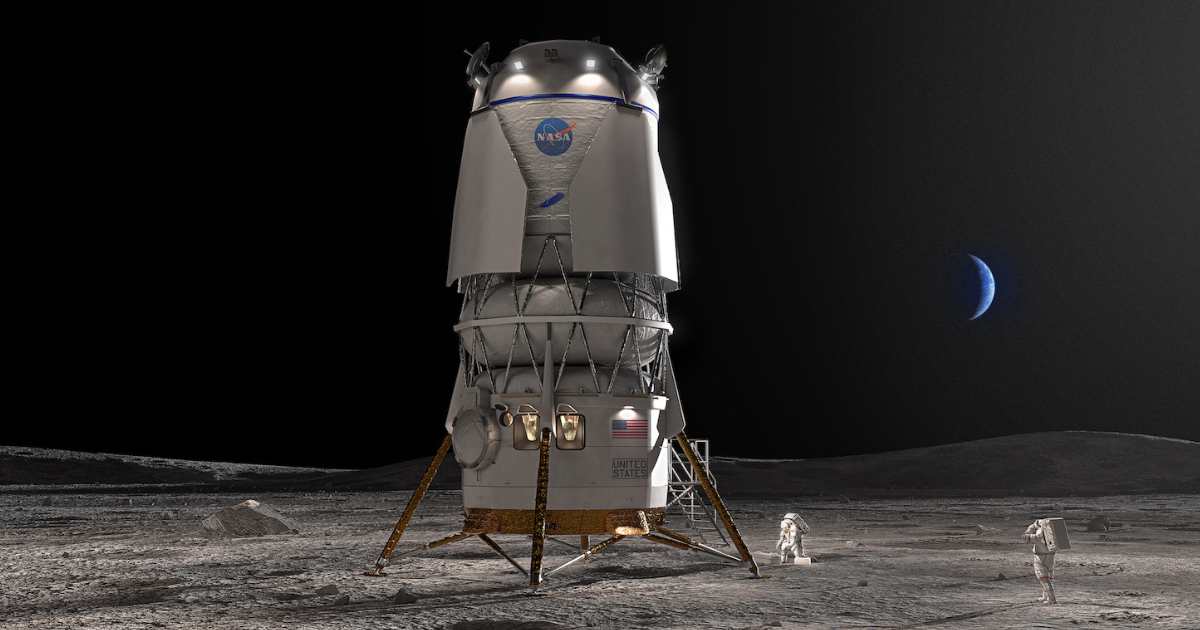
Just as NASA is looking at a Moon Base as an objective going into the 2030s, China also has eyes on a so-called International Lunar Research Station. Both countries are eyeing the lunar south pole for establishing their respective bases. The Chinese have been regularly testing their lunar hardware—the Long March-10 rocket, the Mengzhou spacecraft, and the Lanyue lunar lander. Meanwhile, SpaceX and Blue Origin in the US are racing to provide their lunar landers in time for next year's Artemis III mission. Time is of the essence. Appearing before the US Congress last month, NASA Administrator Jared Isaacman had said, "The difference between winning and losing will be measured in months, not years, and that should create a sense of urgency."
The modern rivalry involving China is more than about 'firsts.' It revolves around long-term presence and development of cutting-edge technologies. “What this is really illustrating is that it doesn’t matter who gets to the Moon next. It matters who gets to the Moon the next 10 times,” said Scott Manley, a Scottish astrophysicist and expert on rocket engineering, per The Guardian. “The nation that keeps going is going to be the one that actually starts to win; starts to actually claim space. That’s critical.”
More on Starlust
Artemis III SLS core stage arrives at Kennedy Space Center as Artemis II spacecraft undergoes study
What makes NASA's Artemis II so special after 1972's Apollo 17