NASA finalizes major design changes in SR-1 Freedom nuclear spacecraft, mission on track for 2028 launch
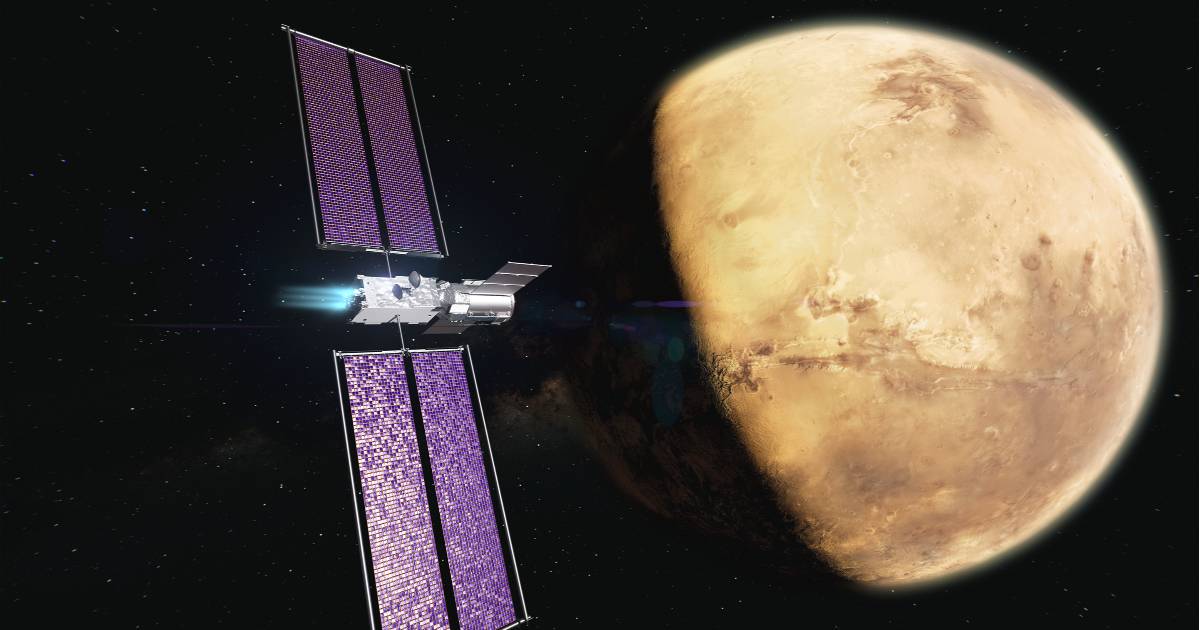
NASA has announced some major design changes to the Space Reactor-1 (SR-1) Freedom spacecraft that will launch to Mars in late 2028. The agency said that it completed a review of the spacecraft and finalized key elements that will enable the demonstration of nuclear propulsion in deep space for the first time. SR-1 Freedom will be equipped with both nuclear and solar propulsion systems, and it will deliver the SkyFall capsule consisting of three mini helicopters designed to study the Martian climate history and geology and find subsurface ice.
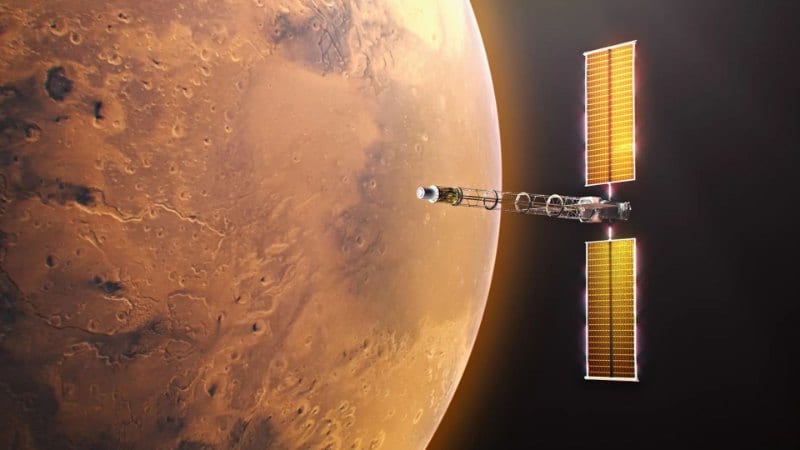
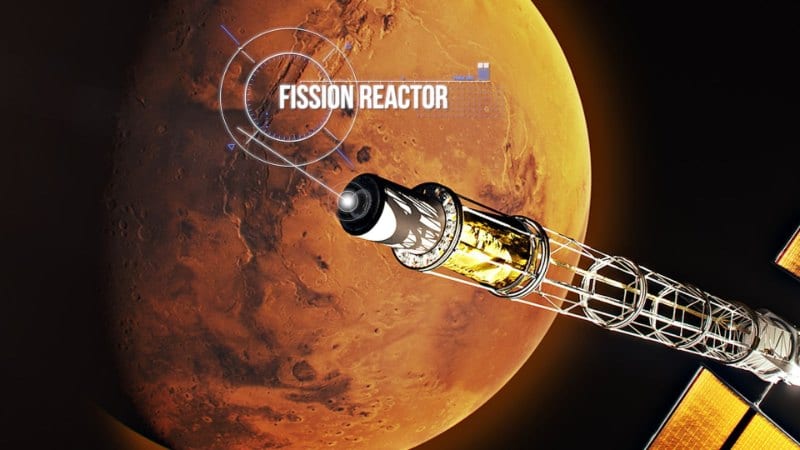
According to a NASA statement, agency officials met with experts from the U.S. Department of Energy (DOE) and industry at Glenn Research Center in Cleveland last month to finalize the design that includes several new updates. One of these updates is using a shorter spacecraft boom that will separate the fission reactor from the spacecraft’s main body, known as the Power and Propulsion Element. NASA says this will reduce weight, simplify assembly, and help streamline the spacecraft’s design.
The experts found that improved shielding and overall better design will allow the reactor to operate closer to the rest of the spacecraft. This will help simplify integration while ensuring radiation protection for both spacecraft electronics as well as the SkyFall payload. Besides, they’ve also finalized larger X-band antenna dishes for data transmission to Earth from deep space.
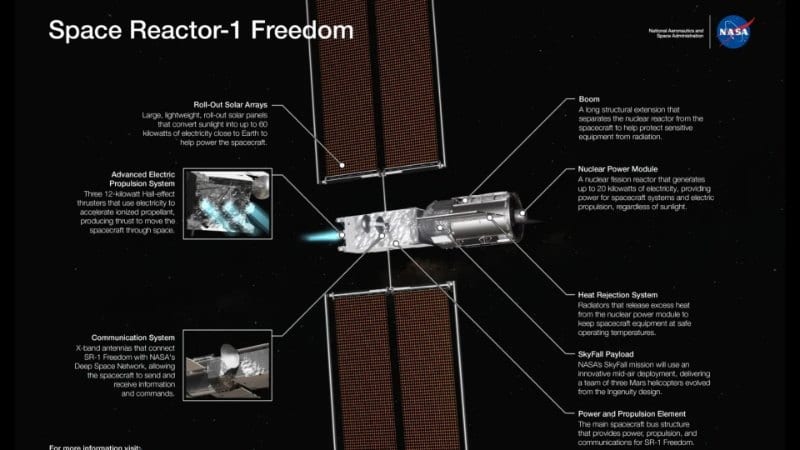
According to NASA, teams are currently evaluating other key features like how many radiator panels to put on the spacecraft, the power output of the fission reactor, and how long the reactor will operate. The agency has also awarded a $39.3 million contract to Johns Hopkins University’s Applied Physics Laboratory to find a way to keep Freedom cool during its interplanetary journey. The Laboratory has been asked to develop a ‘heat rejection system’ that will remove excess heat generated during fission.
How will SR-1 Freedom operate?
In the update, NASA also revealed how the SR-1 Freedom spacecraft will operate. Once the spacecraft has left Earth orbit after launch, it will activate its reactor and gradually increase power for an initial period before shutting down. During this period, Freedom will collect and send data on its performance back to Earth. After shutting down the reactor, it will switch to solar propulsion for its journey to Mars and restart the reactor again after releasing the SkyFall capsule.
“SR-1 marks a pivotal step in how we travel through the solar system,” said Steve Sinacore, the SR-1 Freedom program director. “This mission will be the first freight run on the railroad of the solar system, and the decisions we’re making now are laying the tracks for every nuclear-powered spacecraft that follows.”
A little about Skyfall
The Skyfall mission consists of three helicopters measuring 26.8 inches (68 centimeters) tall and weighing 6 pounds (2.7 kg) each that are based on the Ingenuity helicopter—the mission that pioneered flight on another planet. Each of the two counter-rotating blades on the helicopters measures 4.6 feet (1.4 meters) in diameter.
All SkyFall helicopters are equipped with a suite of instruments, including optical cameras, temperature sensors, and a ground-penetrating radar. The latter will generate subsurface maps, which could help detect ice between depths of 1.6 and 10 feet (0.5 to 3 meters). NASA says SkyFall will land on Mars in 2030, although the landing site is yet to be finalized.
More on Starlust
ESA’s Mars Express images 8-km-tall Martian volcano that has a dramatic past
New evidence suggests Mars is not geologically 'dead' after all, just sleeping