China unifies its space programs to put astronauts on the Moon by 2030: 'We will spare no effort'
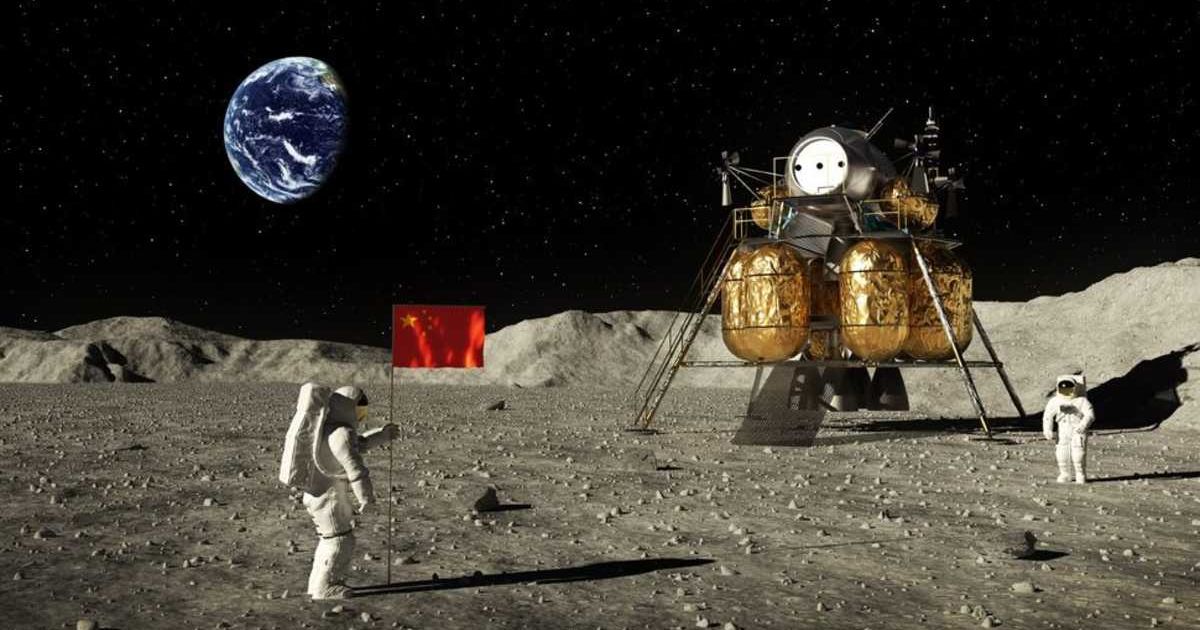
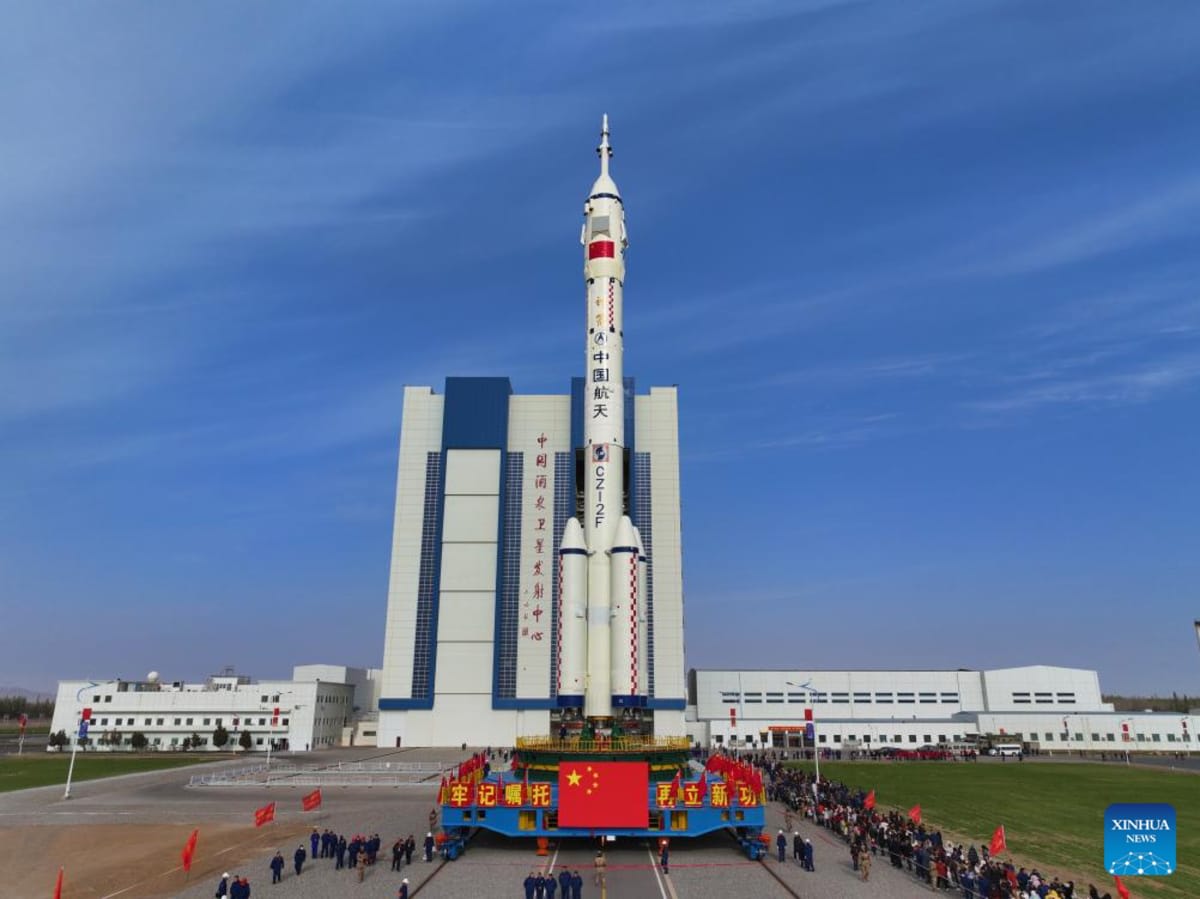
China is merging its robotic Moon missions and human spaceflight efforts into a single unified lunar program as it pushes toward landing astronauts on the Moon by 2030. The announcement was made on May 23 during a pre-launch briefing for the Shenzhou-23 mission in Jiuquan, northwest China. According to Zhang Jingbo, spokesperson for the China Manned Space Agency (CMSA), the new Lunar Exploration Program will combine missions, resources, and teams that had previously operated separately. “We will spare no effort to strive for the goal of achieving the first Chinese landing on the Moon by 2030,” Zhang added.
Until now, China’s robotic Moon exploration and its crewed spaceflight program have worked on separate tasks. Merging them means the engineers who are building the robotic scouts and the teams planning crewed landings will now work toward the same goal with shared resources. With this integration, technology developed for one team can directly feed into the other. Addressing the new strategy, Zhang said the goal is "to fully leverage the technological expertise and practical experience accumulated over decades" across both programs.
China’s space station tests systems for Moon landing
"Our space station has been operating steadily in orbit for nearly four years now, and it has deployed and verified a number of key technologies needed for crewed lunar landing," Zhang said. Through the next two years of Tiangong missions, he added, China plans to "comprehensively boost relevant technical maturity and task reliability, so as to lay a solid foundation for China's first crewed lunar landing." China’s ambitious moon landing plan is currently under testing and relies on three newly developed systems. The Long March-10 is a heavy-lift rocket that successfully completed its first low-altitude flight test on February 11, 2026, at the Wenchang launch site in Hainan province.
On the same day, the Mengzhou crew capsule, which will eventually carry taikonauts (Chinese astronauts) into lunar orbit, went through a high-speed emergency abort test. Meanwhile, the Lanyue lander, the vehicle that will touch down on the surface, has also completed integrated landing and liftoff tests. Zhang said the next steps include "technical verification flights of the Long March-10 carrier rocket and maiden flights of the Mengzhou spacecraft and Lanyue lander."
China plans Chang’e-7 mission to lunar south pole
Before any taikonauts depart for the Moon, China is preparing to send an uncrewed mission called Chang'e-7 to the lunar south pole, with an expected launch in August 2026. The robotic mission will include an orbiter, a lander, a rover, and a small hopping probe designed to reach into permanently shadowed craters where water ice may be frozen. Once the robotic scouts have paved the way, China will execute its 2030 crewed landing architecture. For that historic mission, a crew of three astronauts is planned: two will descend to the Moon in the Lanyue lander, and the third will stay in lunar orbit aboard Mengzhou. China is expected to select the crew from astronauts who have already completed missions aboard the Tiangong space station. Though the selection has not yet been announced, Zhang noted, "Our space station missions have trained a team of astronauts who have performed space missions and gained rich spaceflight experience, and can serve as a solid talent pool.”
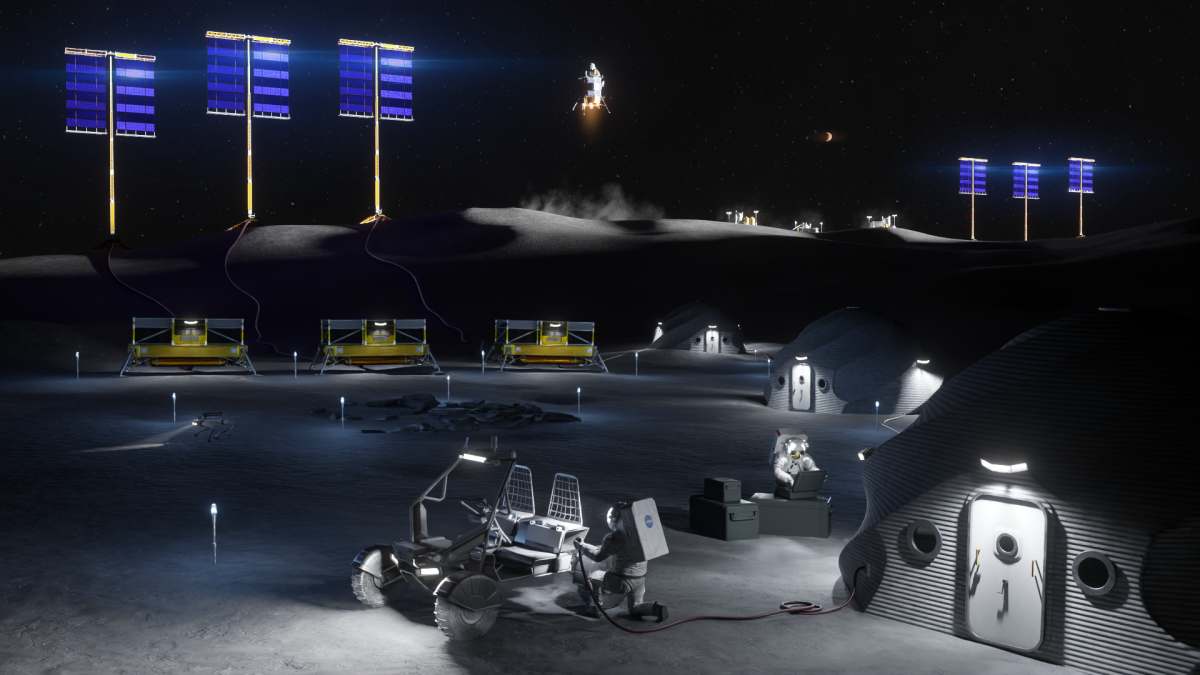
Meanwhile, NASA will announce the names of the astronauts for its Artemis III mission on June 9, 2026. On May 26, the US space agency also shared its plans for a permanent base near the Moon's south pole—one that could eventually span hundreds of square miles, with a target of sustained human presence from 2032 onwards. The Moon's south pole has become a priority target for both China and NASA because it harbors more permanently shadowed craters than anywhere else on the Moon, and it is within those craters that water ice has been detected. The ice sits in perpetual darkness, while the surrounding ridges receive near-continuous sunlight suitable for solar power. This stark contrast makes it the most viable location identified so far for sustaining a long-term human presence on another world.
More on Starlust
NASA unveils updated Moon Base plans featuring landers, rover and drones—here's all you need to know