Artemis III major update: NASA mates 212-foot SLS rocket core stage with twin solid rocket boosters
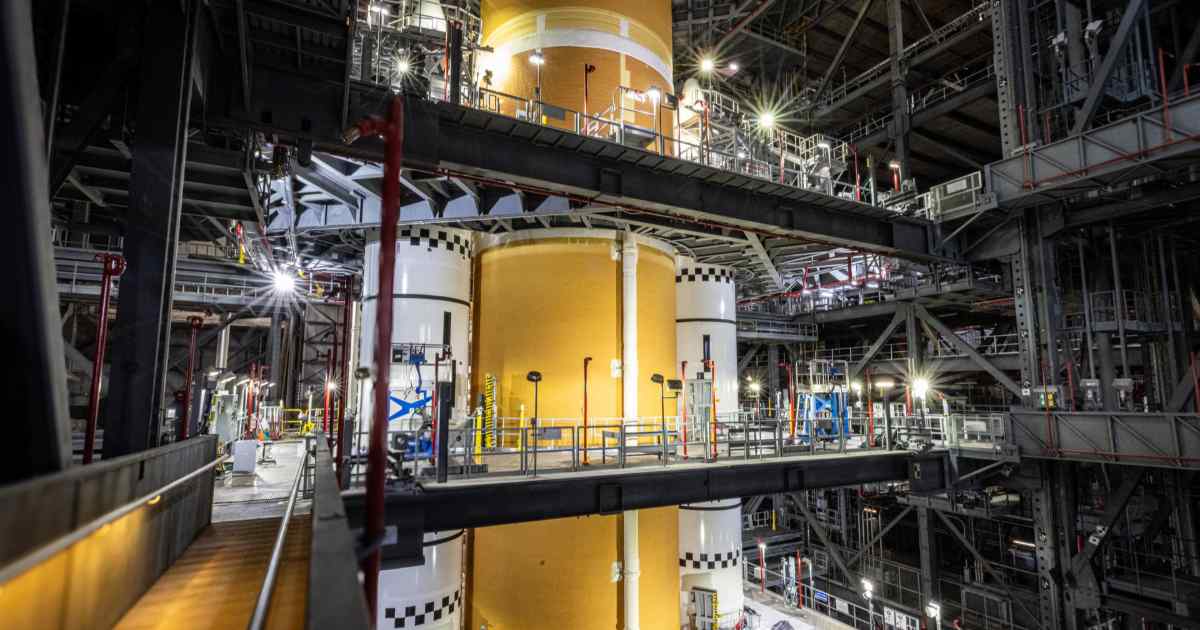
NASA just hit a major milestone in assembling the Artemis III Space Launch System (SLS) rocket. The agency announced that it finished mating the rocket's core stage between the twin solid rocket boosters on Wednesday, October 28, inside the Vehicle Assembly Building’s (VAB) High Bay 3 at the Kennedy Space Center in Florida.
The core stage of the Artemis III rocket is officially stacked. https://t.co/9rhBfHQYwm
— NASA Artemis (@NASAArtemis) October 28, 2026
A giant crane lifted the 212-foot-tall core stage, fitted with its four RS-25 engines, from the VAB’s High Bay 2 to the mobile launcher where it was placed between the two 17-story-tall solid rocket boosters, which account for over 75% of the thrust during launch. Following necessary testing and checkouts, this configuration, called the “short stack,” will be moved to Launch Pad 39B, where it will be put through a tanking test. Also called a “wet dress rehearsal,” this test will see supercooled liquid hydrogen and liquid oxygen loaded into the core stage as launch teams practice countdown procedures. And while the rocket is at the pad for the test, the four-member Artemis III crew—NASA’s Randy Bresnick, Frank Rubio, and Andre Douglas, and the European Space Agency’s (ESA) Luca Parmitano—will also go through a launch day rehearsal and emergency walkdown of their own. “This will include suiting up in astronaut crew quarters, driving to the launch pad, ascending the mobile launcher, and then walking through the exit route they would take in the unlikely event of an emergency during launch countdown,” NASA wrote in a blog post.
‘Taking Flight’ (nearly). Our beautiful Artemis III Space Launch System (SLS) Core Stage left the surface of the earth (briefly) today as it ‘flew over the hump’ via a giant crane in the Vehicle Assembly Building to be mated between our 2 already assembled Solid Rocket Boosters on the Mobile Launcher. Spectacular job by our SLS, Exploration Ground Systems,and @NASAKennedy team! Go @NASAArtemis III!
— Randy "Komrade" Bresnik (@AstroKomrade) October 26, 2026
Unlike what has been planned for the Artemis III rocket, NASA had conducted a wet dress rehearsal for both the core stage and the upper stage, or the Interim Cryogenic Propulsion Stage (ICPS) of the Artemis II vehicle. Instead, a spacer, with the same dimensions as that of the ICPS but devoid of any propulsion capabilities, will be stacked on top of the core stage. This is because, unlike Artemis I and II, which travelled around the Moon and back, Artemis III will be hanging around much closer to home in low-Earth orbit. But just because it won't be traveling as far as its predecessors doesn't mean that it's going to be a simple mission.
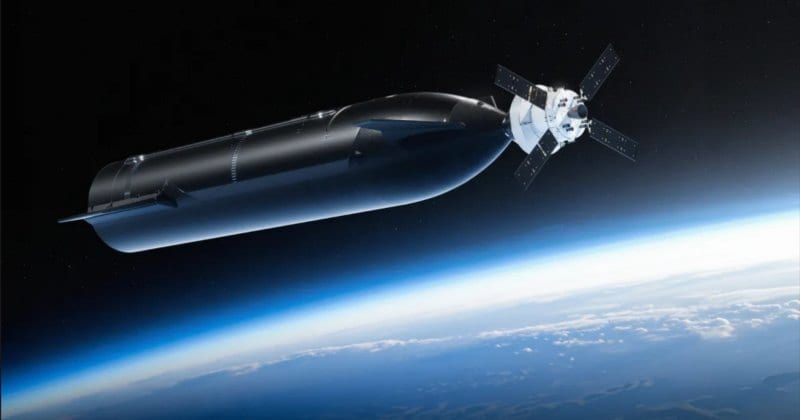
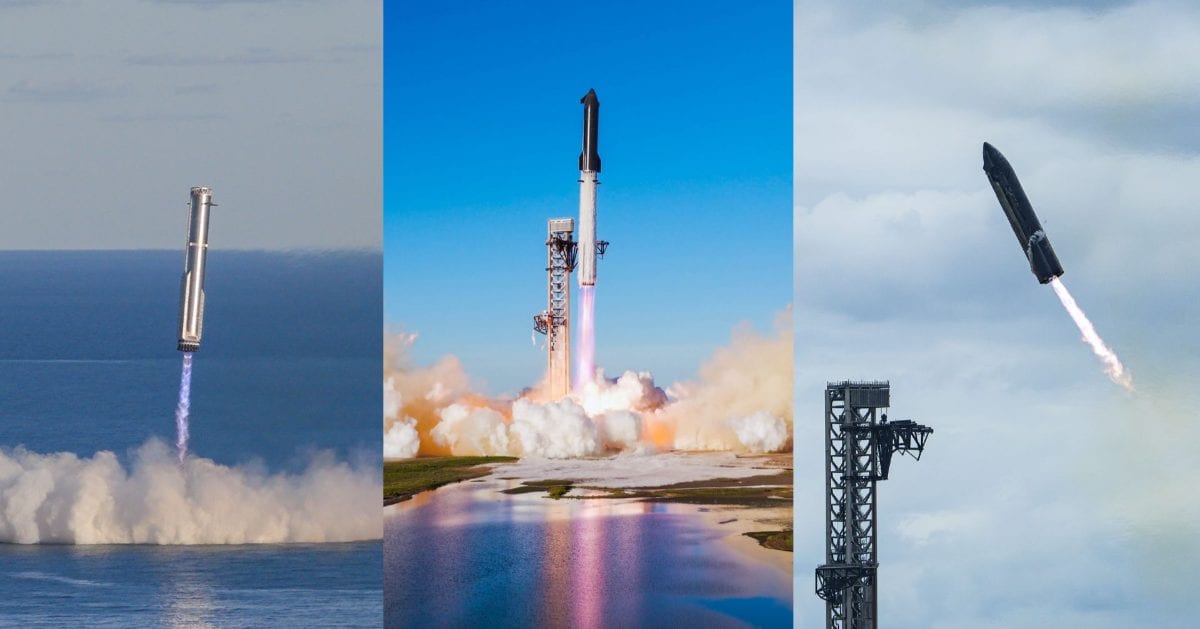
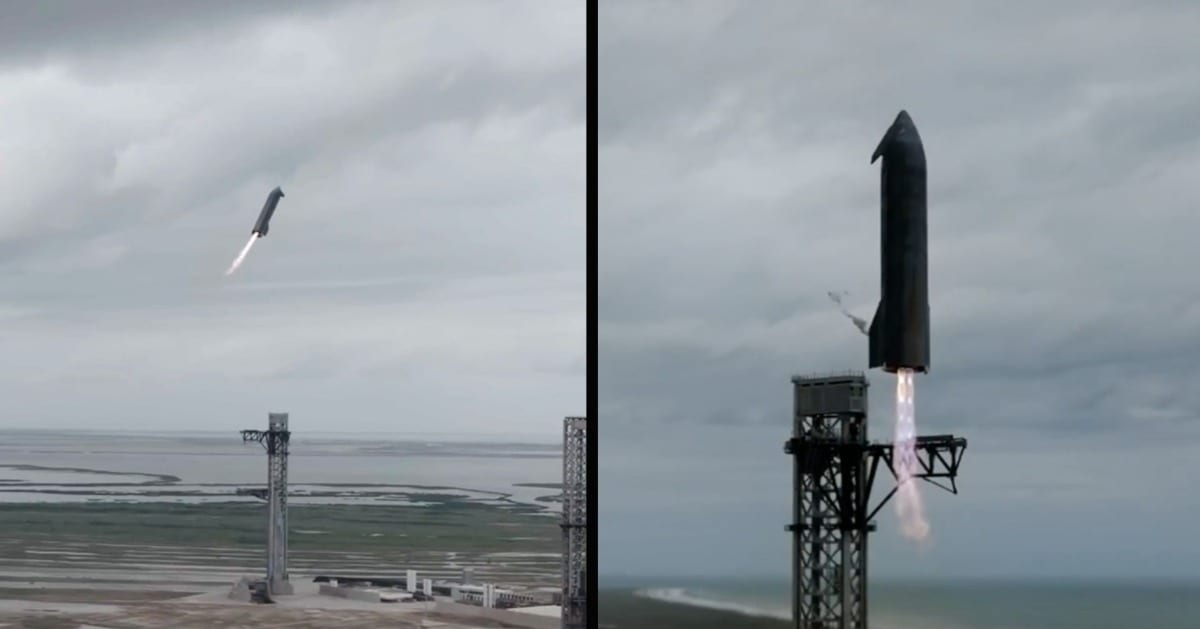
In fact, NASA has repeatedly said that it's going to be one of the most ambitious and complex test missions in its history. This is because once SLS puts the Artemis III crew into orbit, Blue Origin's New Glenn rocket will also launch a lunar lander test article based on the Blue Moon spacecraft to rendezvous and dock with the Orion spacecraft. After the crew tests the commercial lander's life-support systems in the vacuum of space among other checkouts, SpaceX will launch its flagship Starship for yet another round of rendezvous and docking operations with Orion to help teams understand the dynamics of how the 171-foot upper stage of the vehicle and the Orion crew module handle when docked together. Unlike the Blue Moon test article, though, Starship will not be entered by the astronauts. The entire mission will span about two weeks.
More on Starlust
NASA reveals major details on SpaceX and Blue Origin lander plans ahead of Artemis III and IV
NASA shares moon lander timelines for SpaceX and Blue Origin ahead of Artemis III and IV