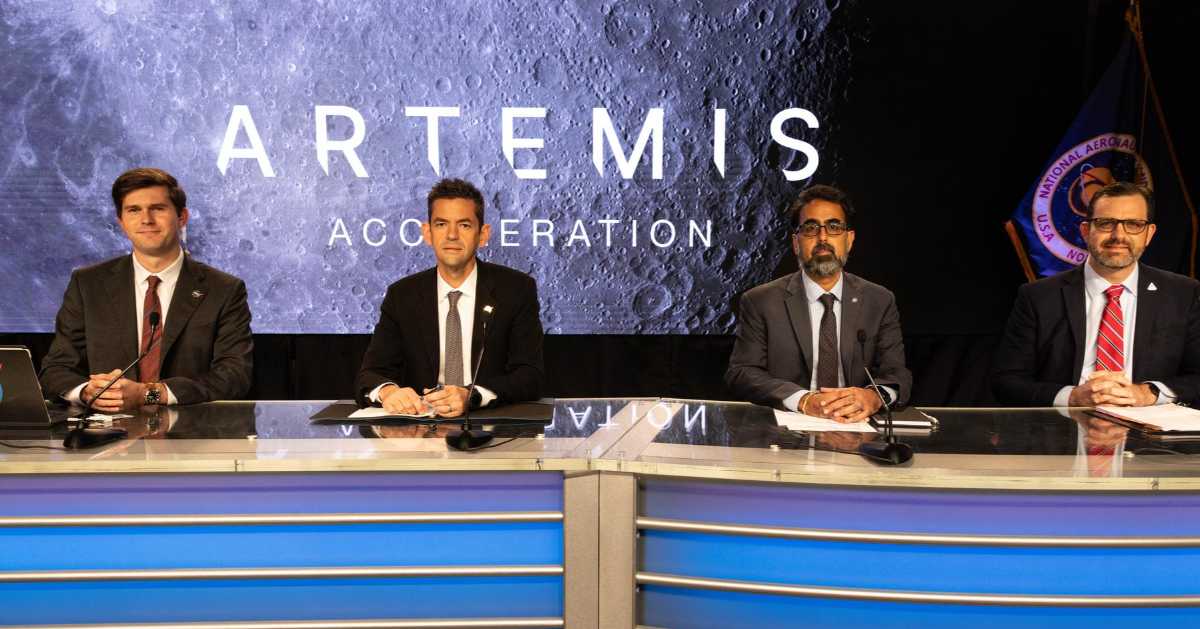
NASA funding battle intensifies as Jared Isaacman faces Congress over 23% budget cuts
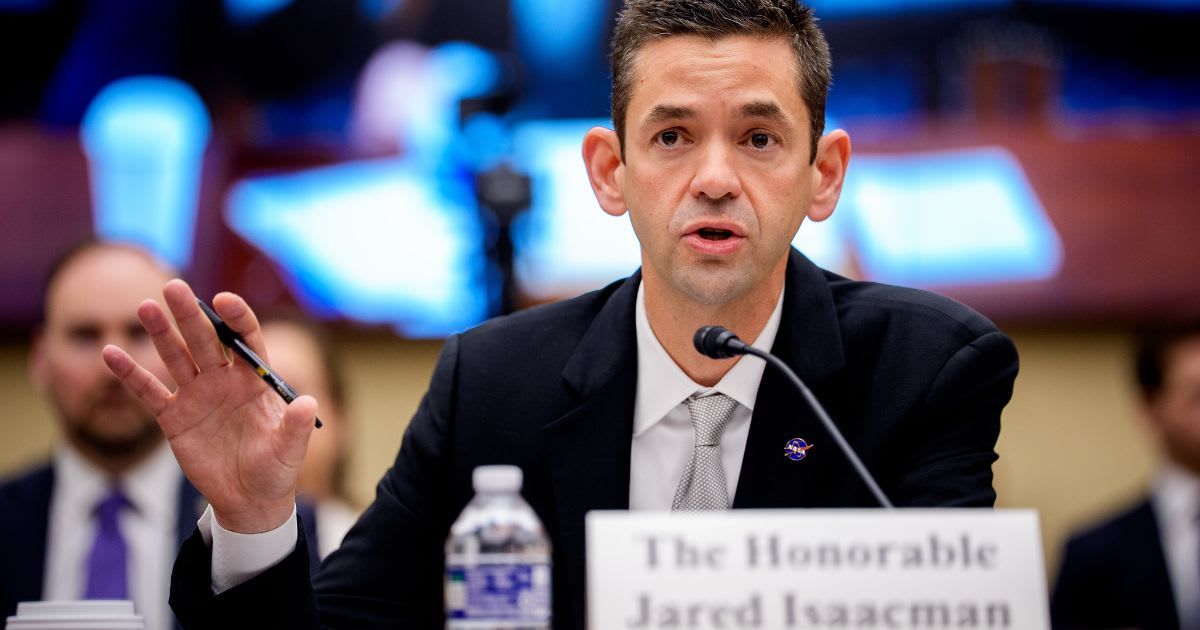
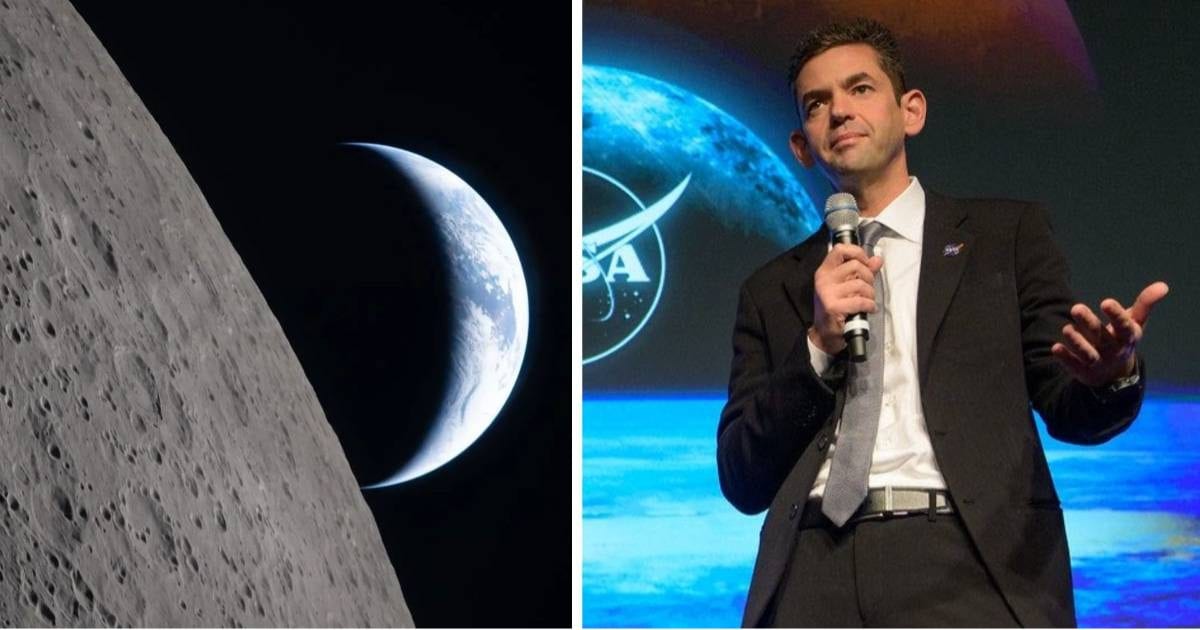
NASA Administrator Jared Isaacman testified before members of the House Science, Space, and Technology Committee on the White House's proposal to cut the agency's budget. The committee clearly showed resistance against the Trump administration’s intention to cut NASA’s budget by 23% in FY2027, which would bring down funding to $18.6 billion. The proposal is quite similar to the one made in fiscal year 2026, which included a nearly 50% cut to NASA science programs. Congress, however, approved almost none of those cuts in the $24.4 billion budget it approved for the space agency in January.
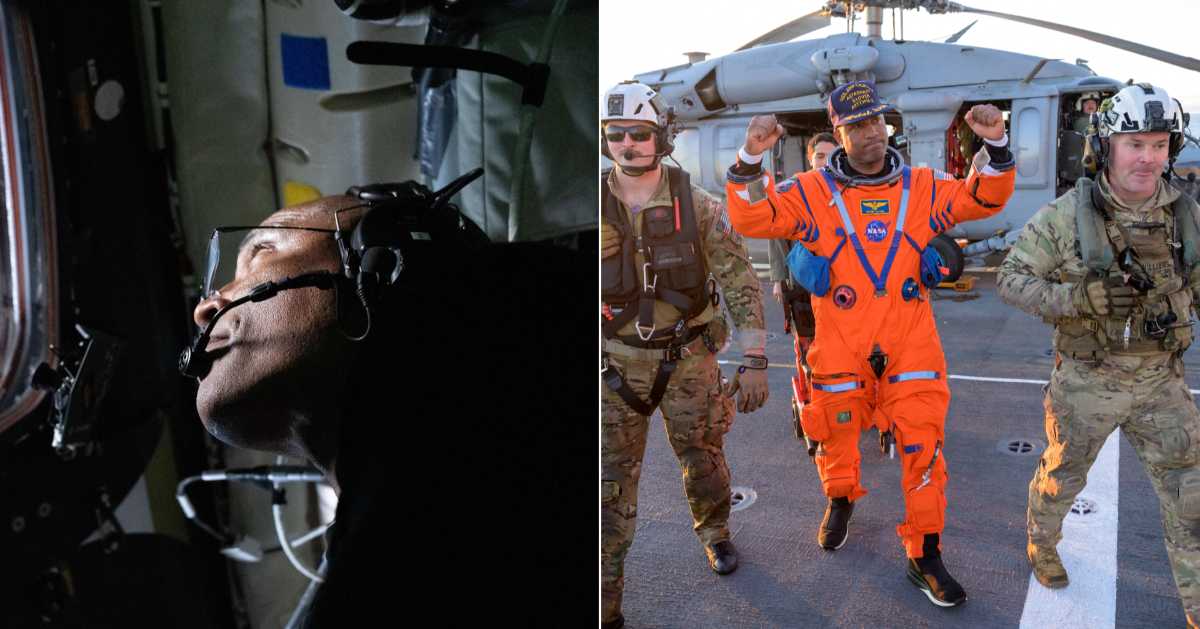
.@NASAAdmin: "We are absolutely riding a high at this moment. The nation and the world paused as 4 brave astronauts on Artemis II to flew around the moon. NASA made the headlines we were supposed to make. We showed the world the moon again and we showed humanity earth again." 🇺🇸 pic.twitter.com/k3UpbzLTSH
— Rapid Response 47 (@RapidResponse47) April 22, 2026
Both Republican and Democrat lawmakers criticized the idea to reduce NASA spending by 23% in fiscal 2027. “Many of the proposed budget cuts were rejected by Congress previously, and I am confident that they’re going to be rejected again,” said Rep. Brian Babin (R-Tex.), chairman of the House Committee on Science, Space, and Technology. While Babin acknowledged the need to address government debt, he called for a smarter approach and added “shortchanging NASA is simply not smart.” Californian Democrat Rep. George Whitesides called the proposal “dead on arrival,” as he expressed his shock over the idea even after Congress united to reject similar “draconian” budget cuts in FY2026.

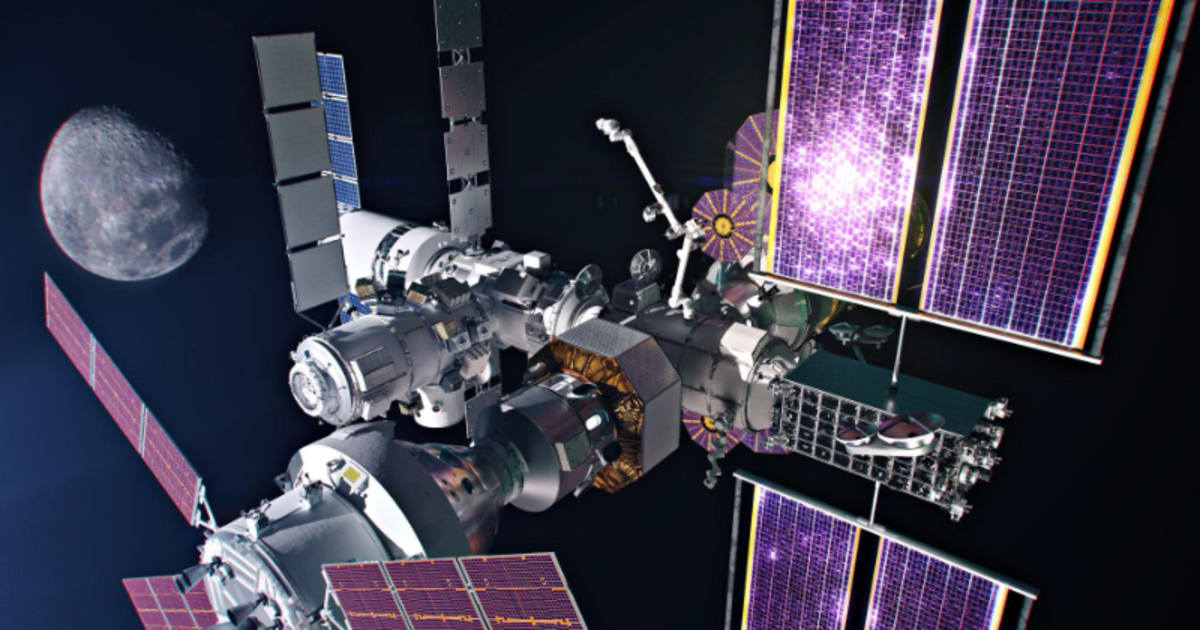
At the hearing, the members scrutinized issues like the budget cuts, cancellations of programs, and the general NASA strategy for the long run. The Trump-appointed Administrator seemingly defended the cuts, reiterating that NASA is not abandoning its flagship science missions like the Nancy Grace Roman Space Telescope and the Dragonfly mission to Saturn’s moon Titan. He also addressed the decision to "pause" the Lunar Gateway and spoke about some serious hardware concerns. “The only two habitable volumes that were delivered both were corroded,” said Isaacman, referring to the affected HALO and I-HAB modules. “And that’s unfortunate because it would have delayed, probably beyond 2030, the application of Gateway."
Another talking point at the hearing was NASA’s low-Earth orbit strategy after the International Space Station is retired in the almost-near future. The agency’s earlier approach for post-ISS operations was to transition to commercial successors to the space station. However, recently, during NASA’s Ignition event, plans were announced for a new government module on the ISS, where companies will be able to dock their modules temporarily to save costs. Isaacman suggested that any future strategy’s success depends on identifying customers and funding sources beyond NASA or taxpayer money.
Grateful for the support from Congress 🇺🇸
— NASA Administrator Jared Isaacman (@NASAAdmin) April 22, 2026
With regard to the proposal seeking to eliminate NASA's Office of STEM Engagement, which funds programs to encourage children to take interest in science, technology, engineering, and mathematics, Isaacman said that everything the agency does has the potential to inspire the youth. “I would just caution against being overly focused on a specific department when the entire agency’s budget directly contributes to inspiration,” he noted. Referring to the impact of Artemis II’s success, he added, “Thanks to the good work from Reid, Victor, Christina, and Jeremy, there will be more kids dressing up as astronauts for Halloween.” However, Rep. Zoe Lofgren (D-CA) remarked separately that the White House’s FY2027 request with its 23 percent cut does "not exactly send a welcome home message to the Artemis II crew or the NASA workforce.”
More on Starlust
NASA sacrifices Voyager 1 instrument to extend historic interstellar spacecraft's mission