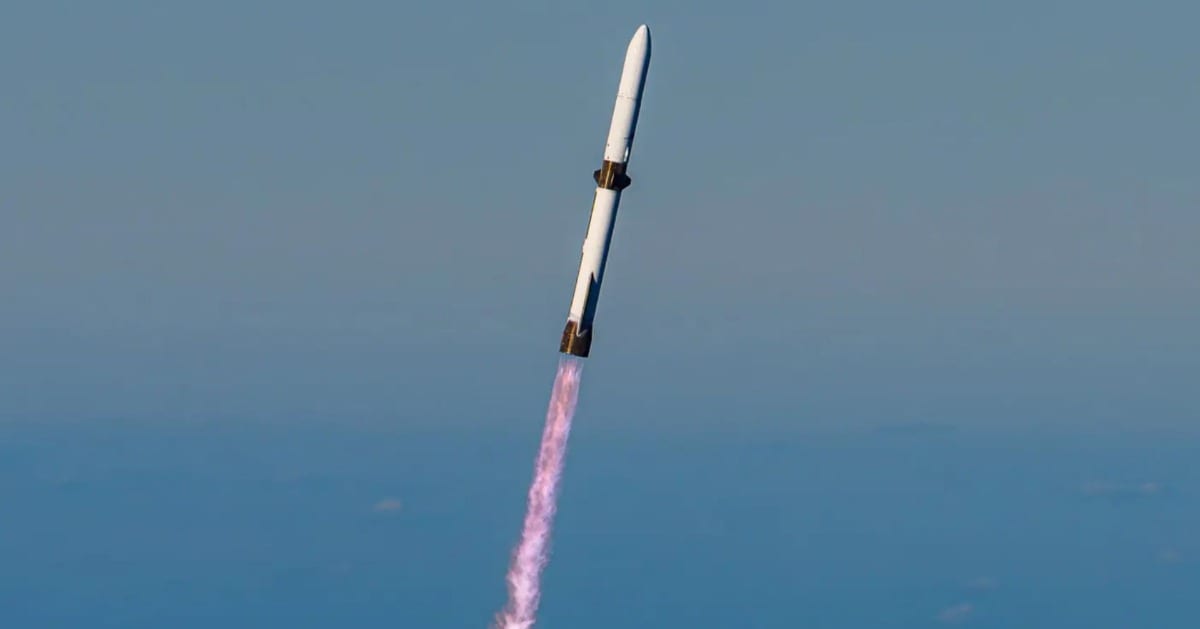
NASA awards Impulse Space two Moon Base-related missions, slated for 2028 launch
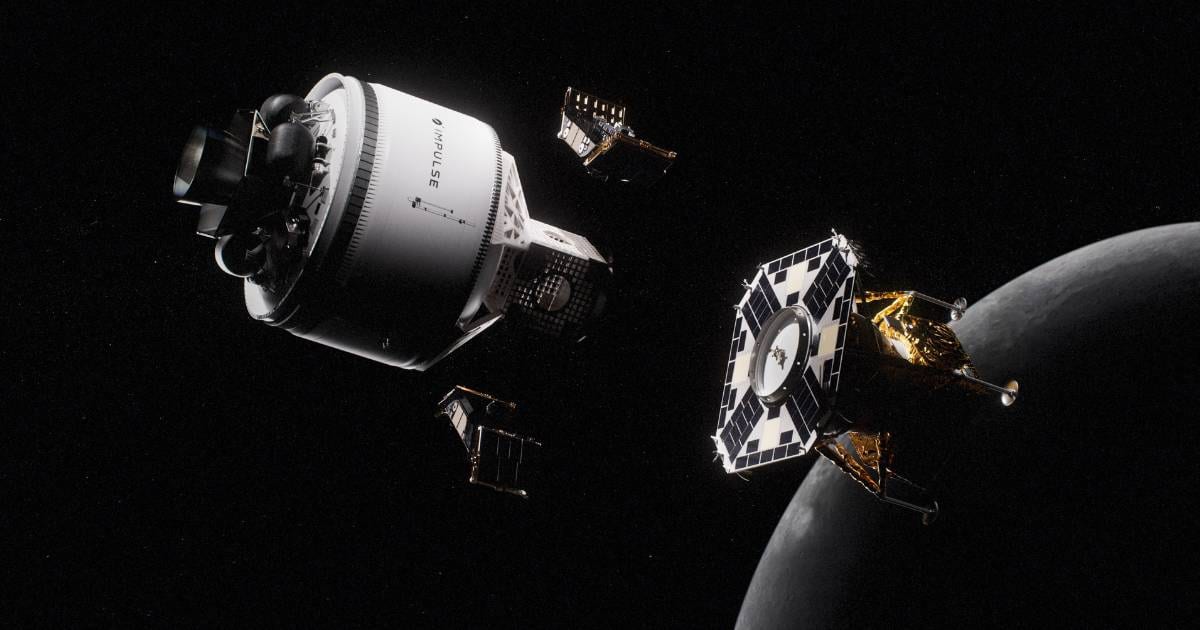
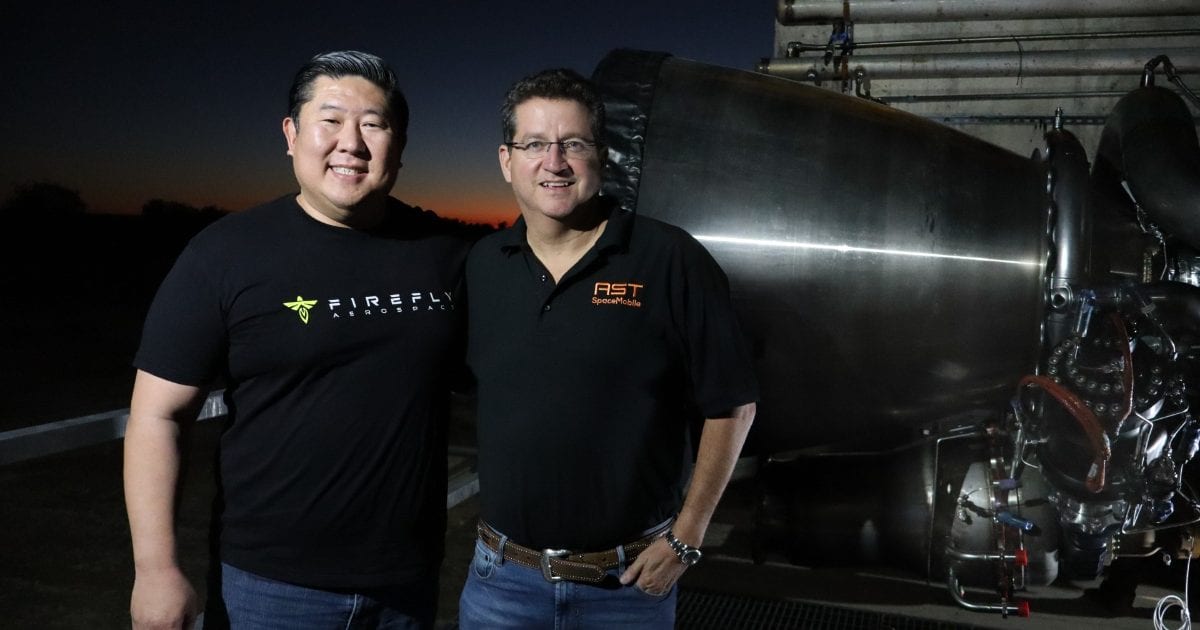
NASA has given two task orders for its Moon Base missions to the California-based company Impulse Space. This contract award means that two missions by the agency will make use of the company's Mira spacecraft, as well as the Helios rocket stage and lunar lander. Impulse Space on Saturday also announced that these missions will see a collaboration with fellow aerospace manufacturers SpaceX and Relativity Space. These lunar missions involving Impulse Space's hardware will be launching in 2028. The company's CEO, Tom Mueller—once of SpaceX and the first person hired by Elon Musk—wrote in an X post, "We’re creating an end-to-end infrastructure of in-space mobility, starting with our Mira, Helios, and lander vehicles. And we couldn’t be more proud to put our spacecraft to work supporting this pivotal mission for NASA."
Ad lunam Impulse! 🚀 We are proud to announce that @NASA has awarded Impulse two missions as part of its Moon Base program, an ambitious effort to establish humanity’s first permanent lunar outpost. For decades, the Moon has been a place we’ve visited. Now, Impulse is delivering the transportation to make it a place we can call home. Read more: https://t.co/N6FfEDuN07
— Impulse Space (@GoToImpulse) November 7, 2026
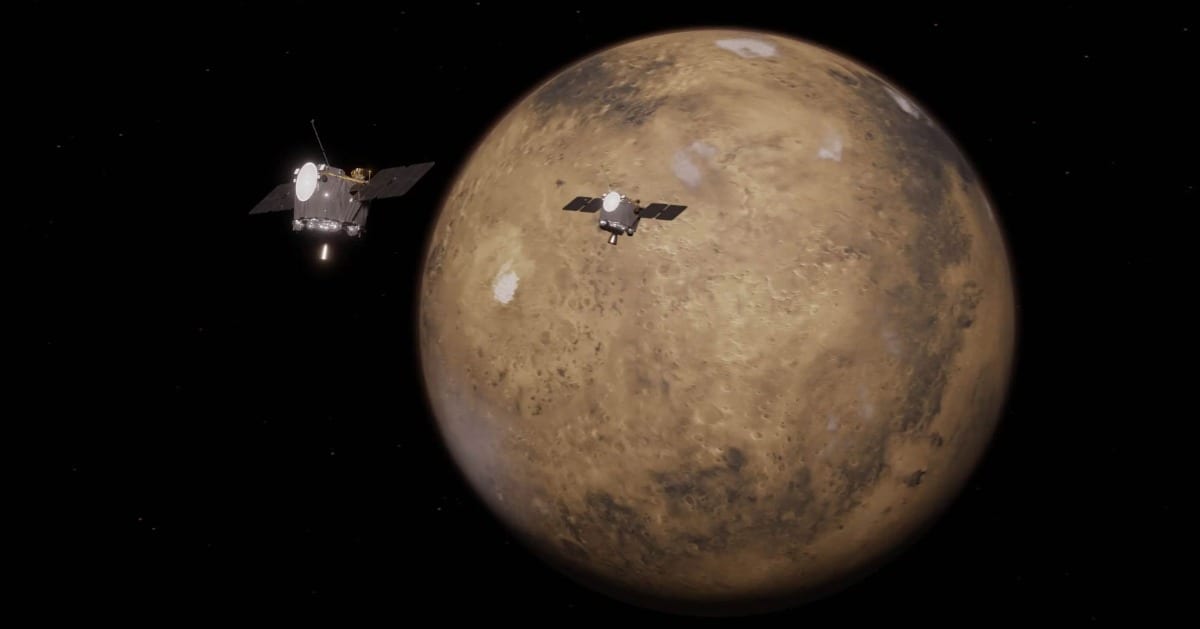
Mira’s part in these missions will be to deliver payloads to cislunar orbits, which span the extended space between the Earth and the Moon. A Falcon 9 rocket by SpaceX will lift off with Mira and a NASA payload. Once in space, Mira will be able to put the latter into its intended trajectory while also retaining the option to put more alternative payloads into orbits that extend deeper into space while relying on its nitrous-based propulsion system. According to Impulse Space, its spacecraft can also host instruments and can remain in stable orbits for several months, rather than just providing a one-time delivery. The company has already executed complex missions using Mira and calls it “the most maneuverable spacecraft on orbit." In September this year, it was responsible for two Mira satellites performing a rendezvous in space. The two launched with separate missions on different trajectories that the company christened LEO Express 2 and LEO Express 3, which had been launched in January 2025 and November 2025, respectively.
Next stop: the Moon. 🚀 We’re partnering with @GoToImpulse on a lunar mission for @NASAMoonBase ! Terran R will launch Helios and lander vehicles to orbit for the first leg of the journey towards humanity’s first permanent lunar outpost. Learn more about the mission: https://t.co/HPqEQ70RGS Learn more about NASA Moon Base: https://t.co/ku1fcuZ5Cw
— Relativity Space (@relativityspace) November 7, 2026
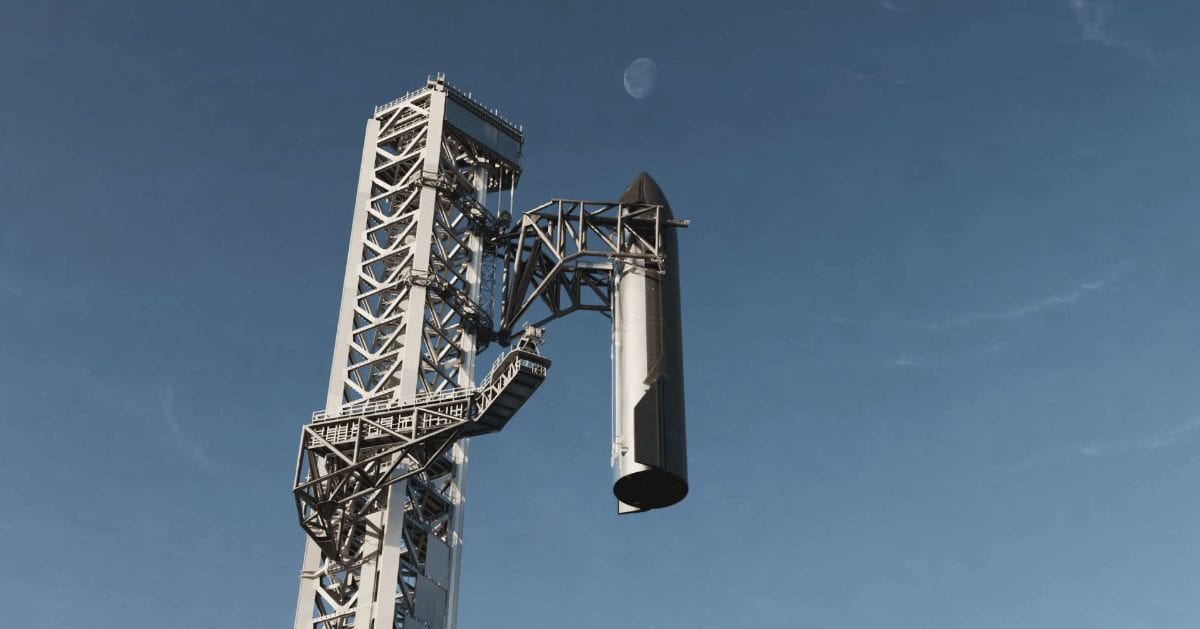
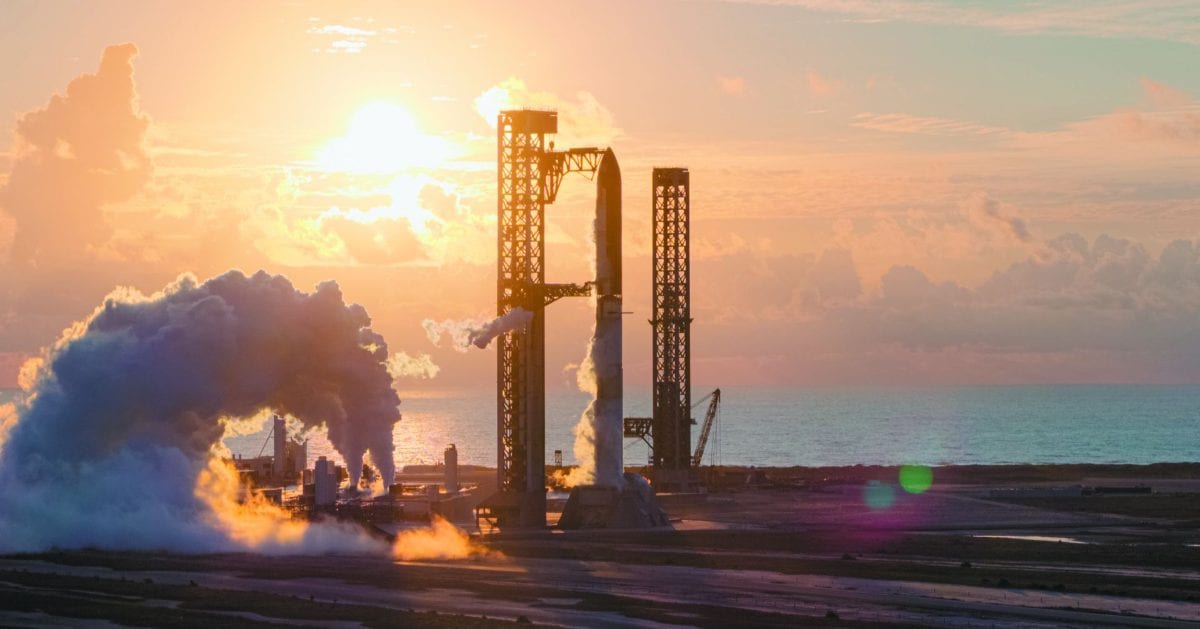
NASA will use the company's Helios and lunar lander vehicles as part of the second task order. Impulse Space will serve as the prime contractor for the mission, which will lift off on a partially reusable Terran R launch vehicle by Relativity Space. The rocket will carry Impulse Space’s spacecraft to orbit, and the latter will take the uncrewed demonstration lander the rest of the way. This would have typically only been possible with the help of a heavy-lift rocket, but here's where the company's Helios stage will take center stage. Impulse Space has long had ambitions of reshaping the delivery of payloads to higher Earth orbits and beyond. The company has been developing Helios for years now and calls it the 'kick stage'. This alludes to the fact that a medium-lift rocket can be used in conjunction with Helios to deliver objects beyond low Earth orbit. Once in space, Helios will provide the propulsion needed to transport Impulse Space's lander into a cislunar orbit. Once this part of the mission is complete, the company's lander will perform what is called a descent profile to test how to land on the lunar surface with test cargo onboard.
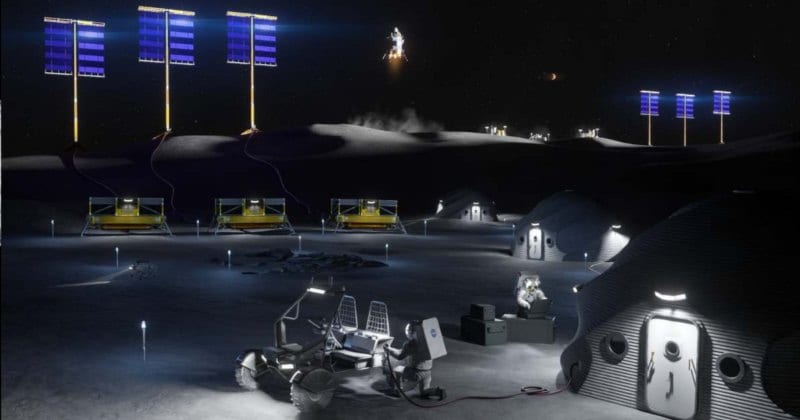
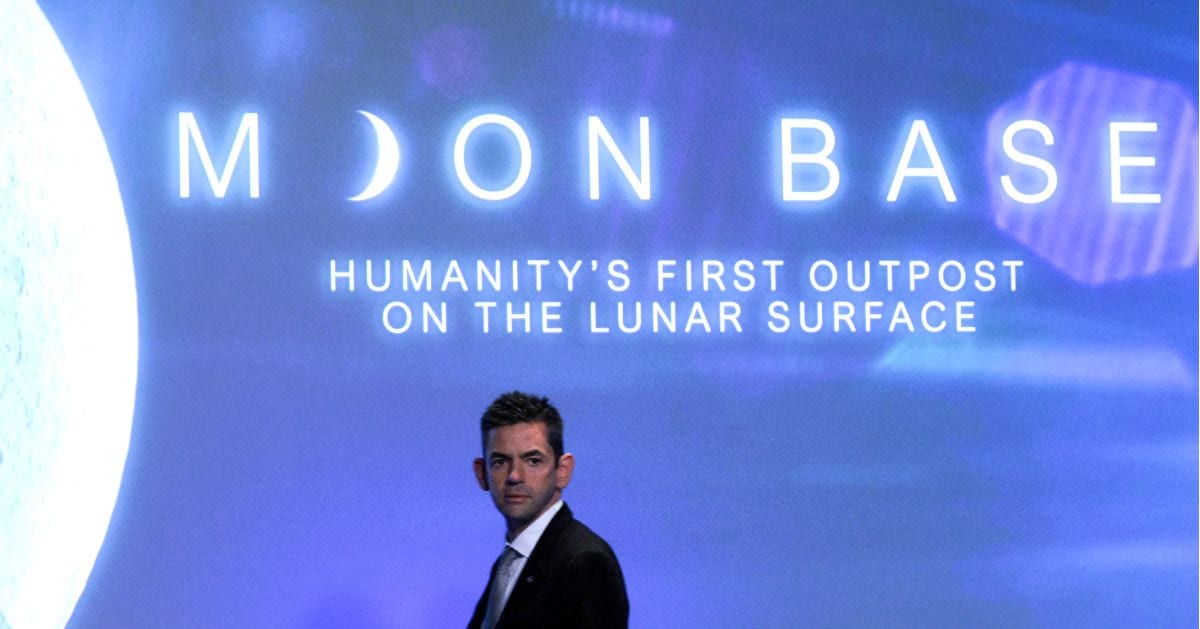
Mueller name-checked NASA Administrator Jared Isaacman while expressing gratitude for having been awarded these missions. "On a personal level, the opportunity to build spacecraft for lunar missions is one of the crowning achievements of my career, and a primary reason I founded Impulse. Undoubtedly, it’s also one of the most challenging; but to echo the famous sentiment of President Kennedy, we choose to do the hard thing because it requires our best work and skill", added Mueller. Isaacman was in attendance at the recently-concluded MAX POWER aerospace expo held at the Kennedy Space Center in Florida. At the event, NASA selected eight companies besides Impulse, including the likes of Blue Origin and SpaceX, for missions that will put many of the elements of the Moon Base and its supporting architecture in place ahead of humanity's return to the Moon with Artemis IV in 2028.
More on Starlust
Stream NASA's Moon base construction in 4K: Blue Origin's Lunar Express could make it possible