SpaceX Starship Flight 17 Super Heavy Booster's cryogenic tests in full swing at Starbase—watch video
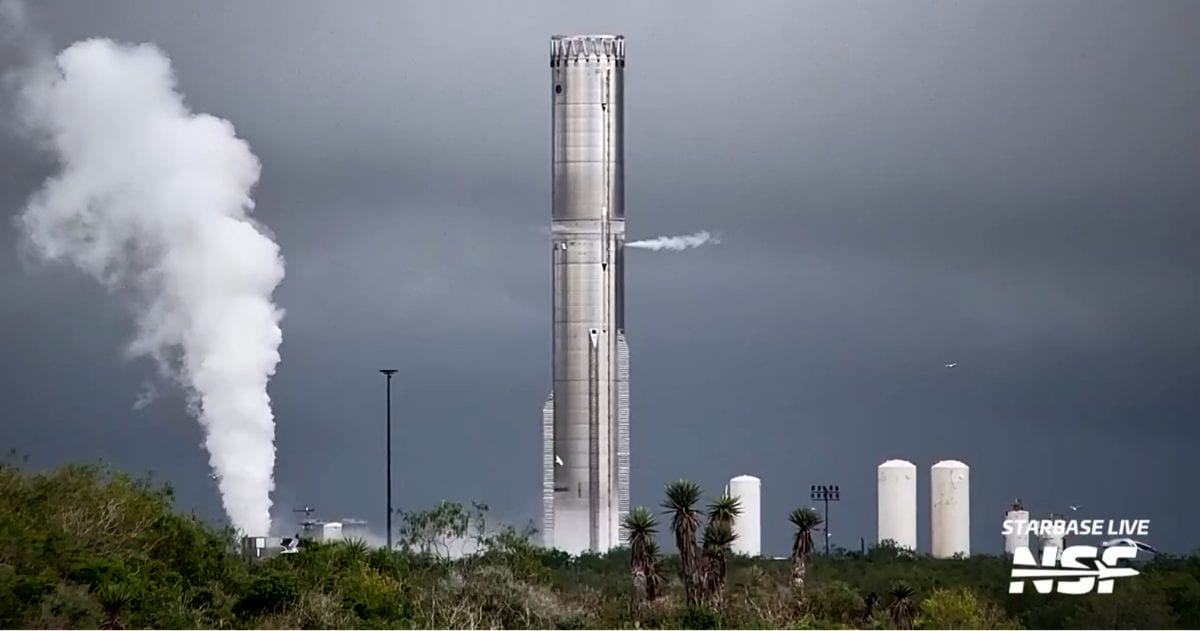
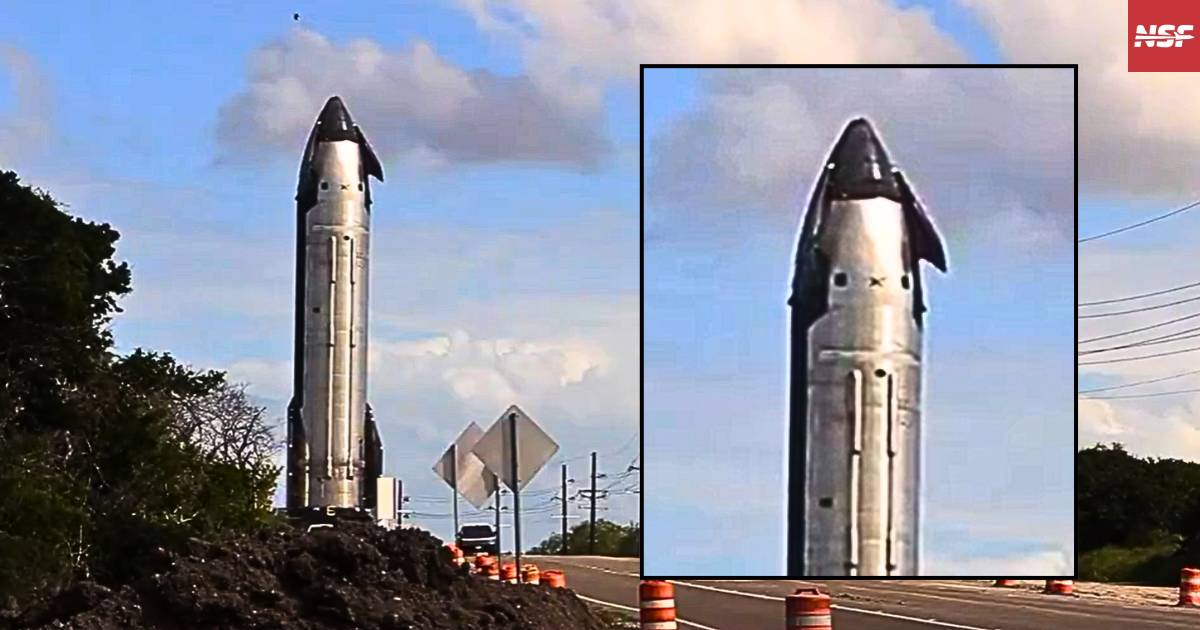
Preparations are in full swing at SpaceX's facilities in Starbase, Texas, for upcoming Starship missions. Last week, Starship’s Super Heavy Booster and the upper stage were rolled out for cryogenic proof tests in preparation for the mega-rocket’s 17th mission, which is expected to launch by early 2027. New footage from the test site now shows the Flight 17 Booster (Booster 24) venting liquid nitrogen during its cryogenic proof testing at the Massey's Test Site. Ship 44, meanwhile, has already finished cryogenic testing.
Starship Flight 17: Booster 24 into full cryo testing. https://t.co/HSumkyMfYU https://t.co/ktdPTnaEsN
— NSF - NASASpaceflight.com (@NASASpaceflight) November 22, 2026
SpaceX uses liquid nitrogen instead of real propellants (liquid oxygen and methane) due to its inertness. Nitrogen can reach similar cryogenic temperatures, allowing engineers to validate the rocket’s structural integrity and other major critical components. The real propellants are then loaded into the stages during wet dress rehearsals or static fire tests.
We get it, Booster 24. You like to vent. https://t.co/HSumkyMNOs https://t.co/gWA1F8hCSu
— NSF - NASASpaceflight.com (@NASASpaceflight) November 22, 2026
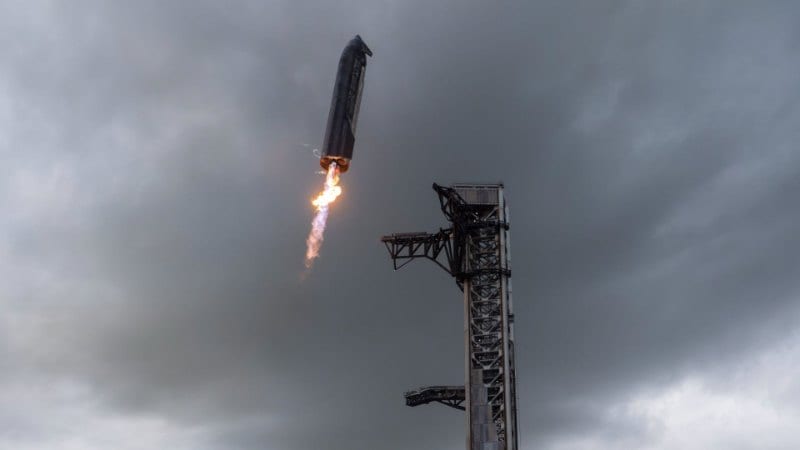
Apart from Flight 17, SpaceX is also preparing for Starship’s Flight 16, which is reportedly targeted for launch in December. In late October, the company completed what seemed like catch tests of the upper stage (Ship 43) using the launch tower chopsticks at Pad 2 and finished cryoproof tests of both stages. The catch tests were, in fact, completed before the historic Flight 15, which launched on November 13. Flight 15 marked the first time Starship’s upper stage was caught, and SpaceX is likely to attempt more catches on upcoming missions in order to achieve full reusability with Starship.
Flight 16 is supposed to launch from Starship’s new launch site at NASA’s Kennedy Space Center (KSC) in Florida. However, some reports say that the honor might go to Flight 17, with Flight 16 launching from Texas. Besides KSC, SpaceX is building two launch pads at Cape Canaveral and an entire Starbase city with multiple pads in Louisiana. The first launch from Starbase Louisiana is targeted for 2028.
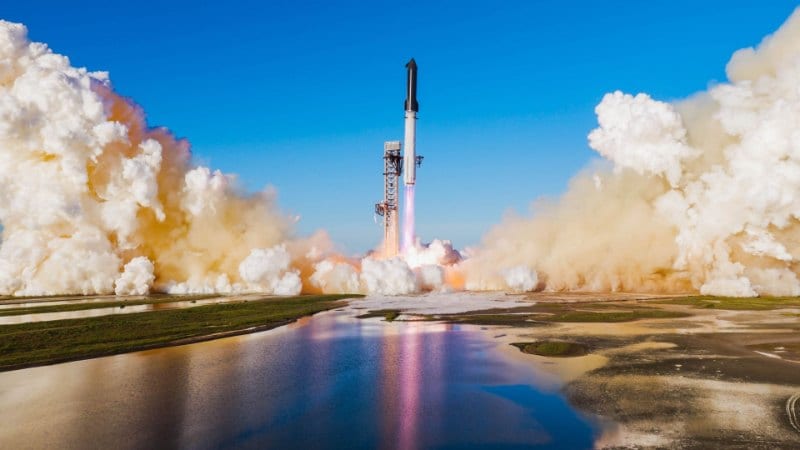
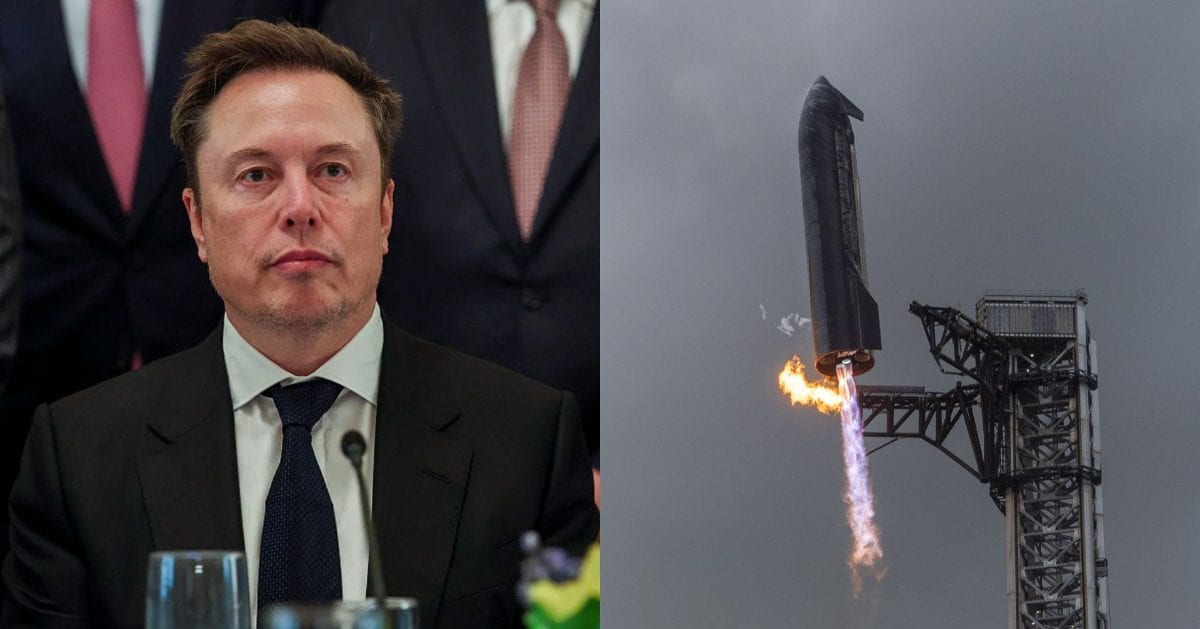
Meanwhile, SpaceX is assessing data from Flight 15 for improvements in Starship’s Super Heavy booster, which suffered from issues yet again. The Booster failed to relight one of its 33 engines for the boostback burn, which ended early due to low fuel, and it was diverted to an offshore landing zone in the Gulf of America due to issues with its guidance, navigation, and control system. The upper stage, however, performed exactly as planned in what was Starship’s longest and most complex mission to date. While SpaceX probably planned to refly the Flight 15 upper stage on future missions, CEO Elon Musk announced last week that it will likely be put on public display due to its historic significance.
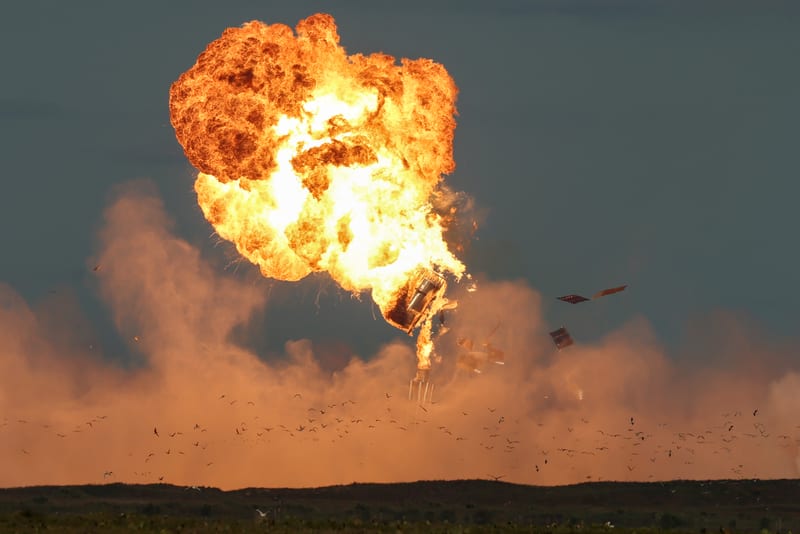
Musk has also said that Starship will start flying weekly from 2027, the same year it will launch a Starship Human Landing System test article for NASA’s Artemis III mission. During Artemis III, a modified Starship upper stage will rendezvous in low-Earth orbit with NASA’s Orion spacecraft that will launch atop the Space Launch System (SLS) to rehearse integrated operations in preparation for Artemis IV, which is scheduled for 2028. Another box that SpaceX needs to check is on-orbit refueling of Starship’s upper stage, which will be crucial for missions to the Moon.
More on Starlust
Rocket Lab completes 100th mission of Electron rocket faster than any commercial launch vehicle