Can NASA restrict China's access around its Moon Base? Here's what space law says
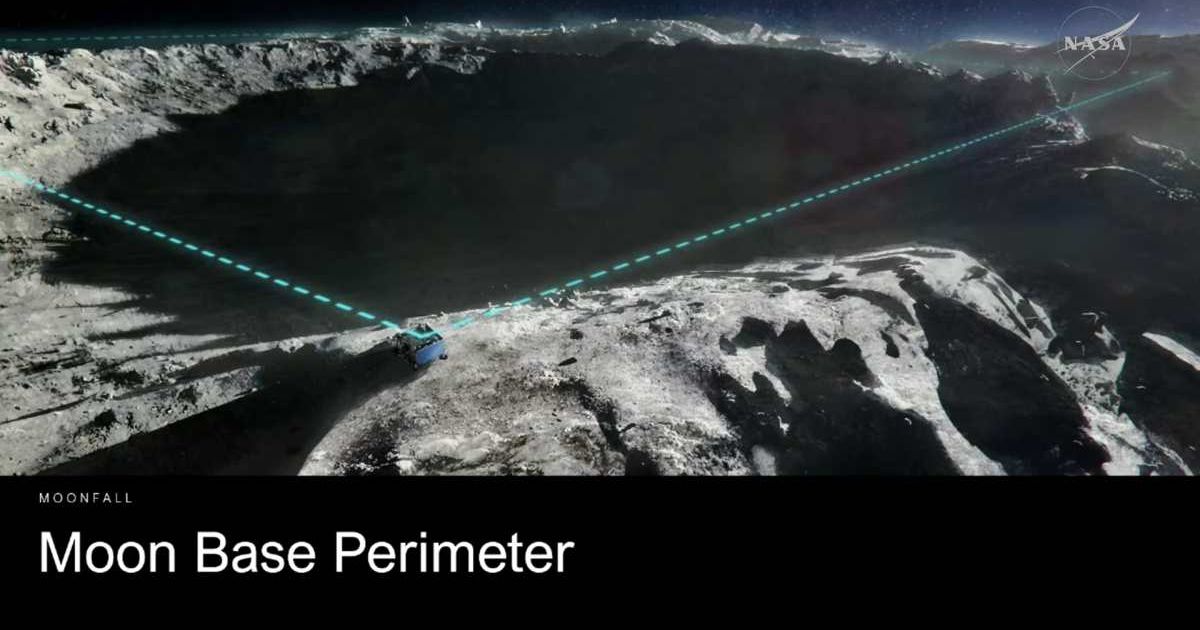
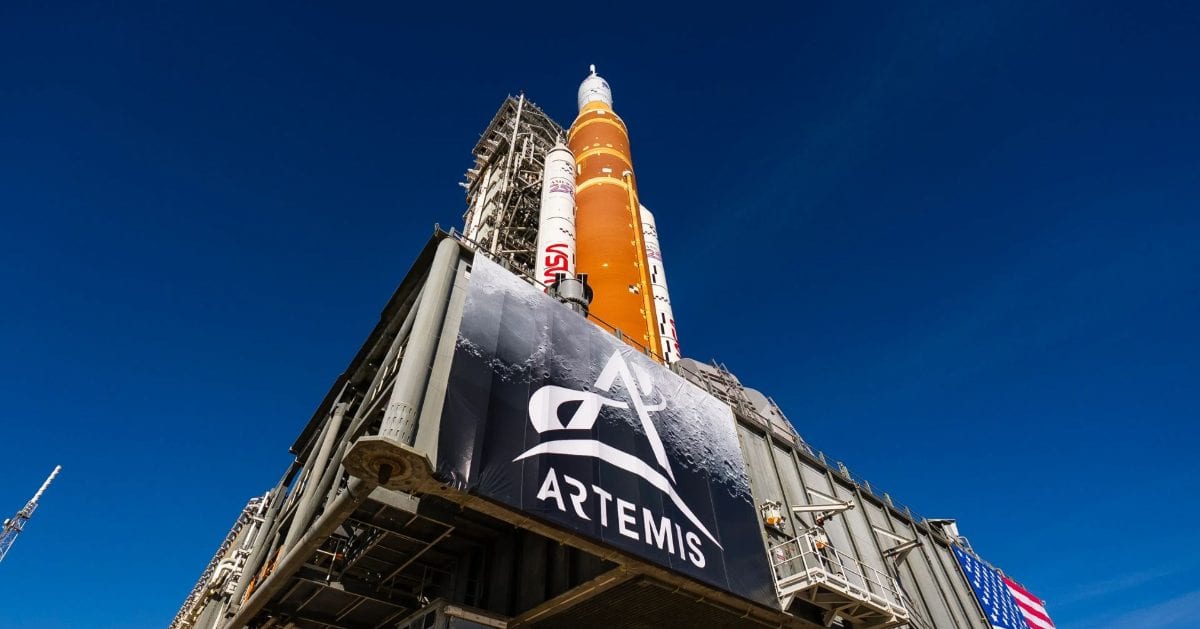
NASA has big plans for its Moon Base. Quite literally. "We envision the Moon Base to be hundreds of square miles, with different assets all building up to the objective of permanent lunar presence on the Moon," said the agency's Moon Base Program Manager, Carlos García-Galán, during a press conference on May 26. And the perimeter of this sprawling city-like establishment is probably going to be marked by the MoonFall drones—small, hopping robots that NASA plans to send to the lunar south pole to scout for suitable real estate. Meanwhile, the China National Space Administration (CNSA) has the lunar south pole in its sights as well, as it prepares to send the Chang'e 7 spacecraft this year as part of its plans to establish the International Lunar Research Station. Now, this raises a few questions. How will any overlaps between regions that either agency deems vital for its own exploration goals be resolved? Will the nation that 'wins' the modern-day space race make the rules?
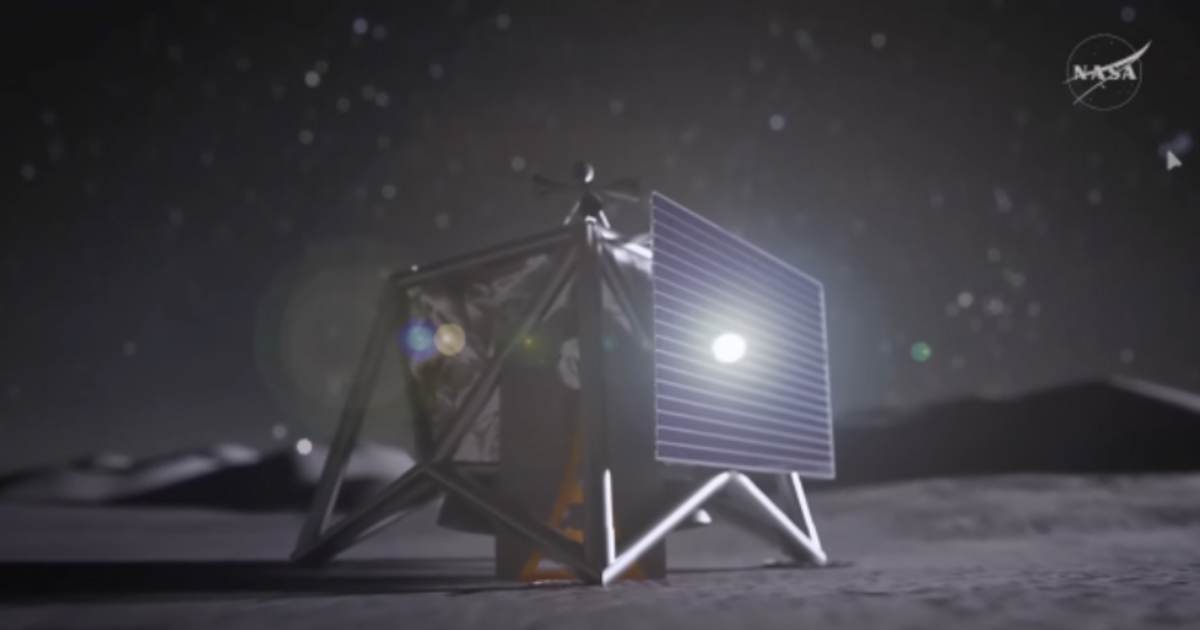
Well, for starters, the 1967 Outer Space Treaty, to which the U.S. and China are both signatories, along with more than 100 other countries, forbids countries from claiming any part of the Moon, or any other extraterrestrial object for that matter, as their own. Adopted by the United Nations during the days of the original space race between the U.S. and the Soviet Union, the agreement is aimed at ensuring that space is used exclusively for peaceful purposes and the benefit of all mankind. But that was a different time. Technology has evolved, and ambitions have grown. And it does not help that some of the Outer Space Treaty has considerable room for interpretation.
Enter the Artemis Accords, an agreement co-led by NASA and the U.S. Department of State that has been signed by over 60 countries. The Accords are not legally binding but form an integral part of any agreements between NASA and its international partners. In its essence, the document is rooted in the principles of the Outer Space Treaty, but it also adds its own interpretations. For instance, Article IX of the Outer Space Treaty stipulates that states should be "guided by the principle of co-operation and mutual assistance." Any state that has reason to believe that its activities in space may cause "harmful interference" with those of other states should participate in appropriate international consultations before proceeding. The article further mentions that any state that has reason to believe that an activity of another state may cause harmful interference with its activities may ask for relevant consultation regarding the same.
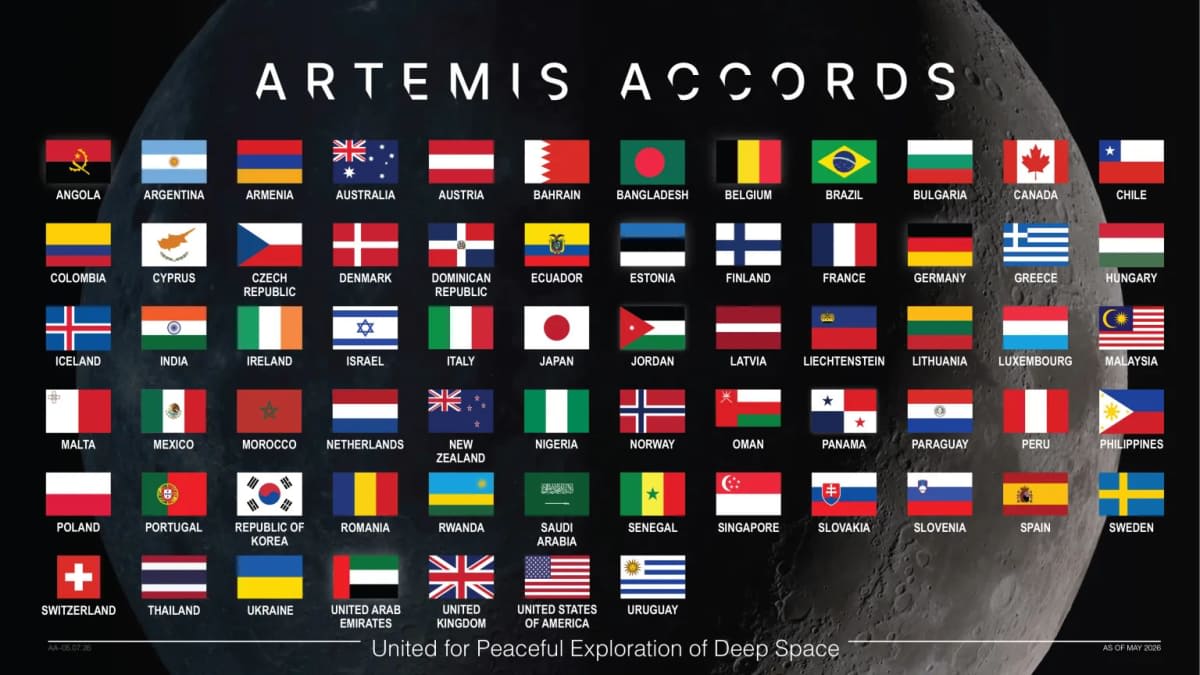
Section 11 of the Artemis Accords seeks to honor these provisions of the Outer Space Treaty. But it also endorses the establishment of "safety zones." The Accords defines a safety zone as an "area in which nominal operations of a relevant activity or an anomalous event could reasonably cause harmful interference." Paragraph 7 of the section lists certain principles related to the size, scope, nature, and existence of such zones. With regards to size and scope, the Accords propose that they should reflect the nature of the operations and the environment where they are conducted. Additionally, they must be determined by the generally accepted scientific and engineering principles. As far as the nature and existence of these zones are concerned, the Accords state that safety zones should be temporary in nature and should be adjusted over time as operations progress.
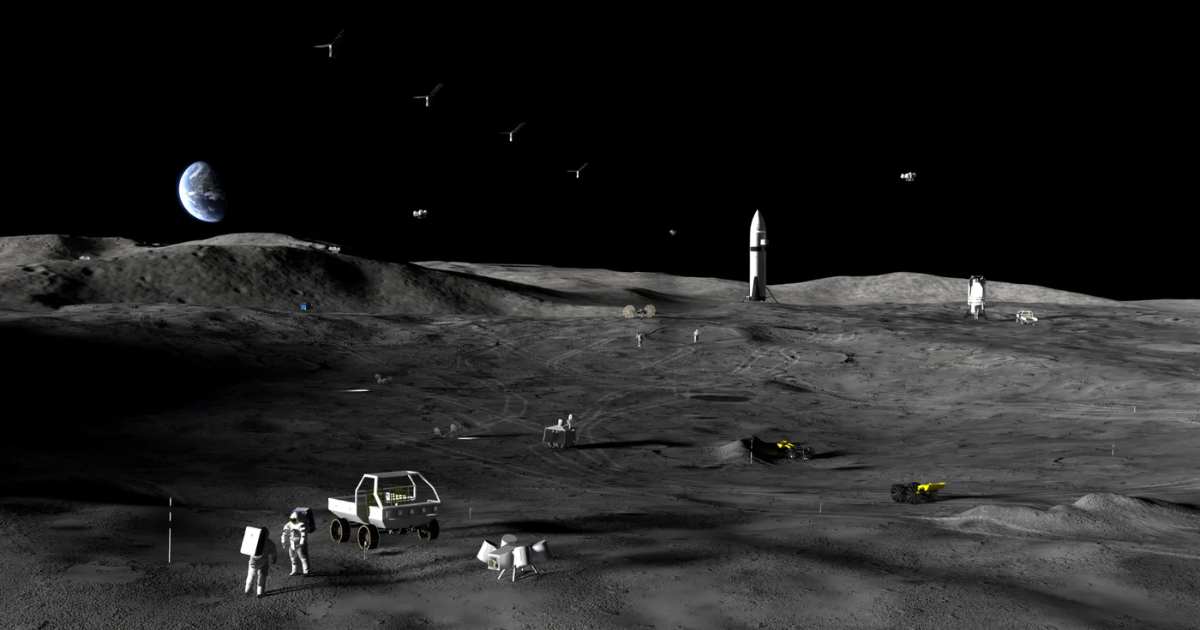
Now, safety zones are not a novel concept. In fact, many believe that their establishment is necessary to ensure the peaceful and safe exploration of space. After all lunar dust from landing, launching, and surface operations can damage nearby spacecraft. Not to mention, spacecraft fuel is an explosion hazard. However, in the absence of international consensus, these zones could potentially become grounds for conflict. China is not a signatory to the Artemis Accords, and so there is no guarantee whether it will accept the safe zone criteria laid down in the Accords. Mingyan Nie of Nanjing University of Aeronautics and Astronautics writes in his paper, "Even if they are acknowledged, several issues need to be addressed, including which authority is qualified to evaluate the operation’s nature and environment, what specific scientific and engineering principles must be considered, and whether there are any other impacting factors that need to be taken into account."
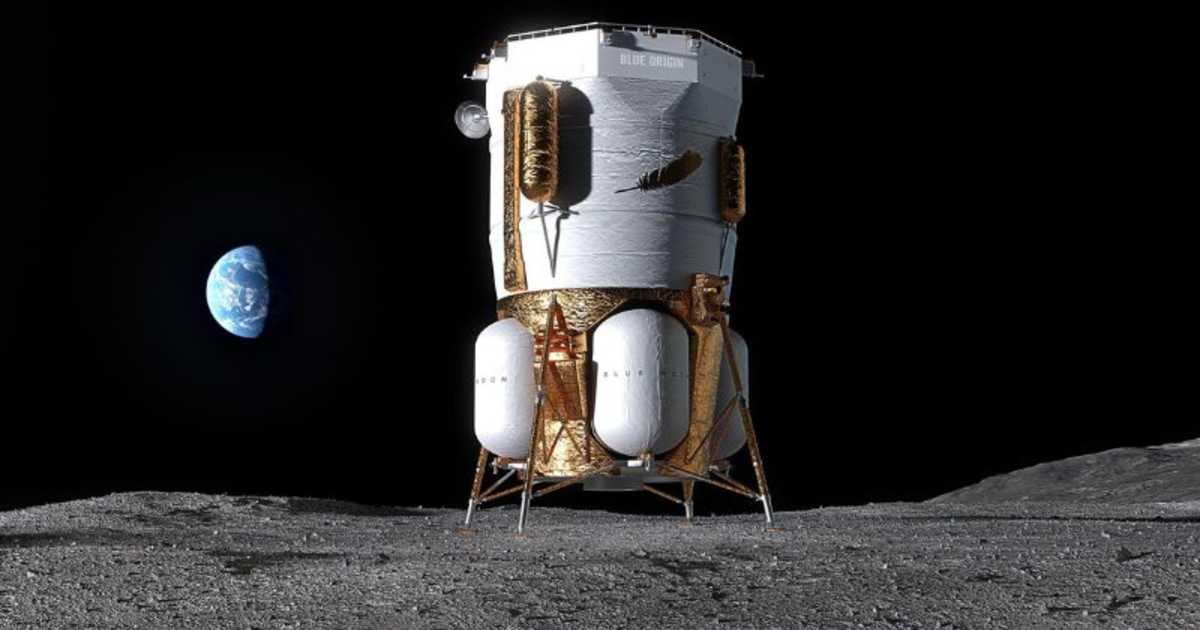
The Chang'e 7 spacecraft is expected to land on the rim of Shackleton Crater, which is also being targeted by NASA's Moon Base 1 mission, which will feature a Blue Origin Mark 1 Endurance lander and launch later this year. Shackleton is known to have regions of permanent darkness that may house water ice—a resource that is crucial for ensuring habitation on the Moon. Peaks along the crater's rim are also exposed to almost continuous sunlight, which is essential for solar-powered spacecraft and other infrastructure.
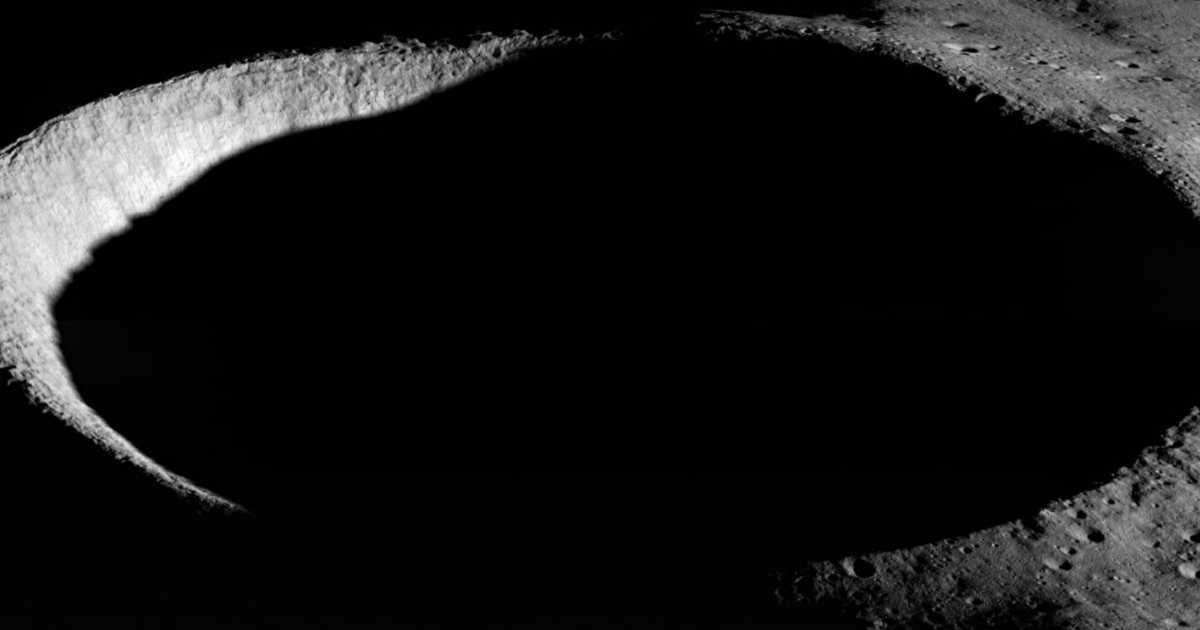
Since Shackleton is less than 15 miles across, NASA's aim of demarcating a region spanning hundreds of miles could overlap with China's targeted region as well. NASA Administrator Jared Isaacman was asked if this area would be made inaccessible to fellow spacefaring nations during the May 26 press conference. "I think it's important for us to get there first," he said. "I think it's important for us to get there first. I think the idea that there are areas of great interest on the lunar surface—we do want to get there and explore them, and we also obviously want to be very mindful of the Outer Space Treaty, so that we are respectful of other nations that are putting assets on the lunar surface. We would expect that to be reciprocal."
At the moment, it appears that both nations are scrambling to be the first to reach the Moon instead of arriving at a mutual compromise or consulting internationally. Isaacman has previously expressed this urgency while defending the cancellation of the Gateway project in front of the U.S. Congress: "We want to be on the Moon, not above the Moon looking down on the Chinese." It remains to be seen whether the two nations' simultaneous developments will clash at some point. While safety zones may become grounds for conflict between the two nations, Nie sees them as essential to avoiding harmful interference and stresses the need for international cooperation between the U.S. and China. "For lunar deconfliction, considering that the creation of safety zones may become the earliest practice to fulfill the obligation to avoid harmful interference, China needs to coordinate with the US to negotiate detailed rules on the size, scope, nature, behavior, and dispute settlement measures related to safety zones," he says.
More on Starlust
China unifies its space programs to put astronauts on the Moon by 2030: 'We will spare no effort'