Why is Sun's atmosphere hotter than its own surface? Long-standing mystery may finally have an answer
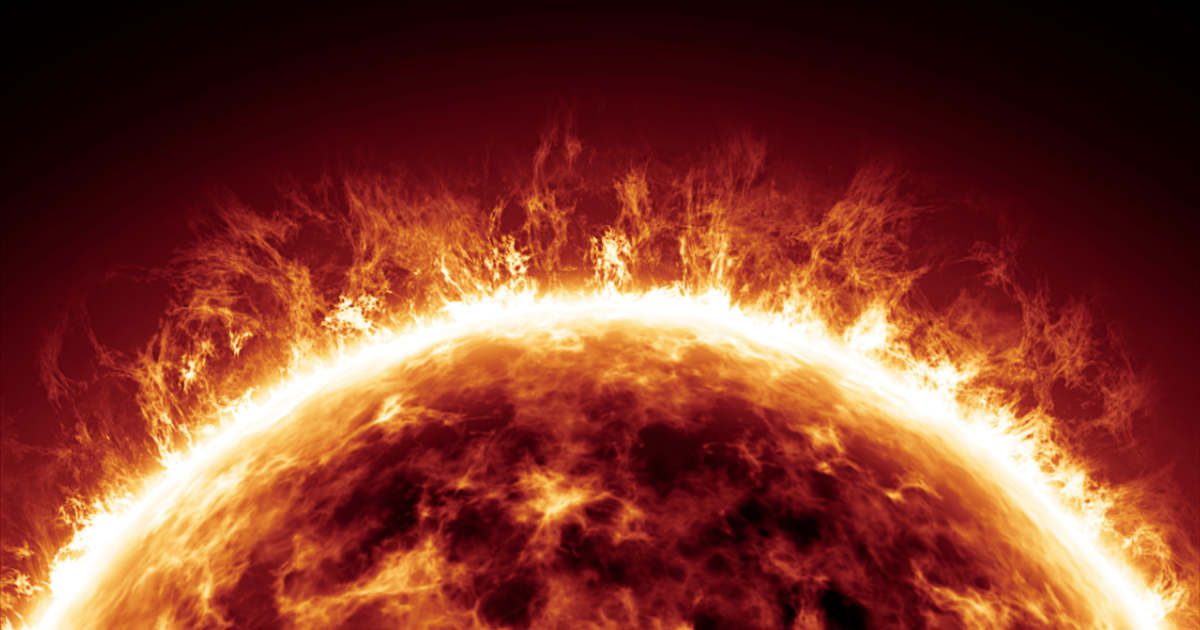
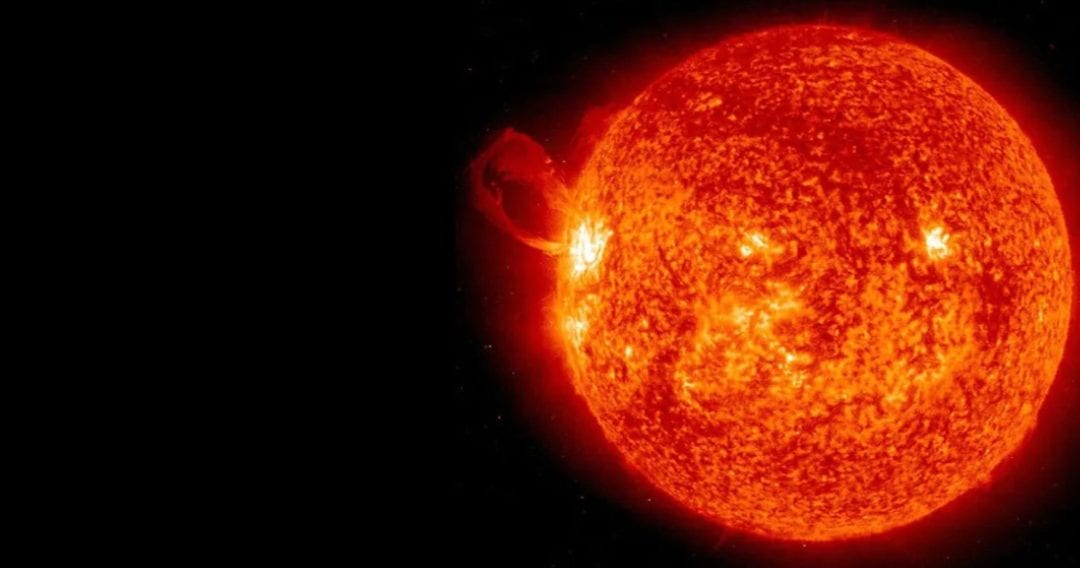
As you go farther away from a heat source, you feel the warmth fading. But that’s not true when it comes to the Sun. It’s actually quite the opposite. The Sun’s outer atmosphere (corona) is millions of degrees hotter than its own surface. The mystery of the Sun’s corona heating has puzzled scientists for decades. Now, a study led by graduate research assistant Syed Ayaz of The University of Alabama in Huntsville (UAH) Center for Space Plasma and Aeronomic Research (CSPAR) suggests that the reason for this might be ordinary space dust. The findings have been published in The Astrophysical Journal.
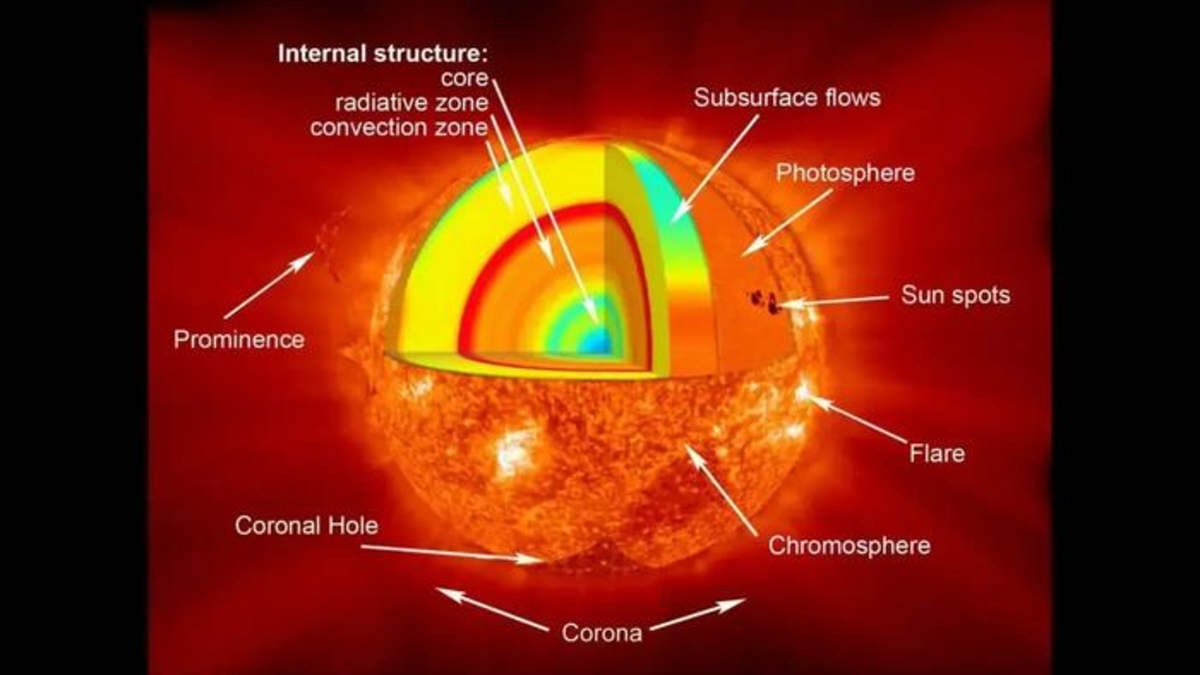
The Sun's visible surface (called the photosphere) has a temperature of around 5,500°C. When you move outward into the corona, which is the region of extremely hot, thin plasma that surrounds the Sun, the temperatures shoot up to somewhere between 1 and 3 million °C. Physicists studied electrons, ions, magnetic fields, and even plasma waves as some of the plausible reasons. But Syed Ayaz suggests that tiny grains of charged dust could be the reason. Previously, dust was not considered an active factor, as scientists didn't expect grains roughly a million times more massive than electrons or ions to survive the extreme heat of the solar corona.
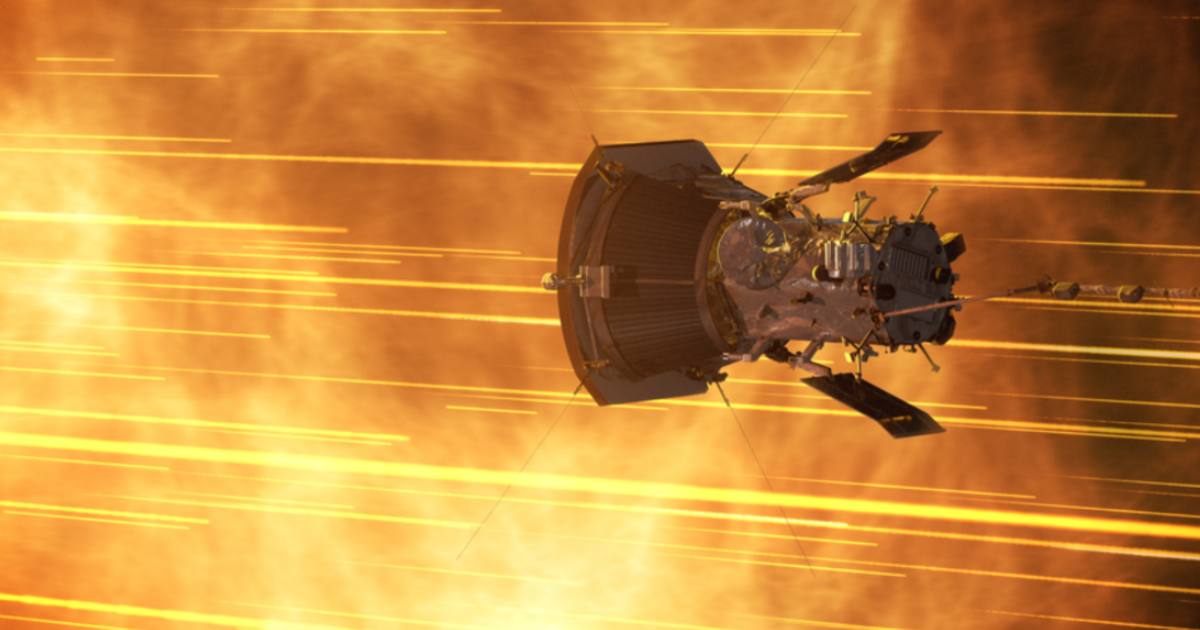
Using measurements from NASA's Parker Solar Probe (PSP), Ayaz showed that the dust grains are capable of surviving far closer to the Sun than previously suspected, and their presence may change how energy travels through the corona. Once a grain picks up an electric charge, whether from photoemission or plasma collection, it starts actively interacting with the electric and magnetic fields around it, deciding how energy is transported and dissipated.
But how can a few dust grains shift the whole picture?
Ayaz found that dust affects kinetic Alfvén waves—important carriers of energy in space plasmas—in two different ways depending on whether a grain's mass or its charge is doing more of the work. "Dust mass acts like an added inertia in the plasma. This tends to slow kinetic Alfvén waves and allows their energy to be carried over larger distances before it is dissipated. Dust charge, on the other hand, strengthens the interaction between the wave, the electric field and charged particles," explained Ayaz in a statement. This could end up deciding exactly where the Sun's energy is deposited. "If dust mass dominates, wave energy may travel farther into the corona or young solar wind. If dust charge effects dominate, the energy may be released more locally as particle heating," Ayaz added.
Talking about the surprising part of this study, Ayaz said, "What surprised me most was that the PSP could reveal so much about dust, even though it does not carry a dedicated dust detector on board. When tiny dust grains strike the spacecraft at high speed, they vaporize and produce small clouds of charged particles. These impacts appear as sharp voltage spikes in the FIELDS antennas, allowing the whole spacecraft itself to act, in effect, like a dust detector." He concluded, "The bigger question is fascinating: Is dust simply passing through the near-Sun environment, or is it helping shape how electromagnetic energy becomes heat and solar-wind motion?” Ayaz is now looking ahead to future missions equipped with dedicated dust detectors and plasma instruments that could confirm whether dust drives coronal heating or simply rides along without much effect.
More on Starlust
A Jupiter-sized planet miraculously survived the death of its host star—James Webb finds how
Our entire universe as we know it might just be inside a black hole