NASA and Japan Aerospace Exploration Agency to launch MACS mission to hunt high-risk invisible space junk
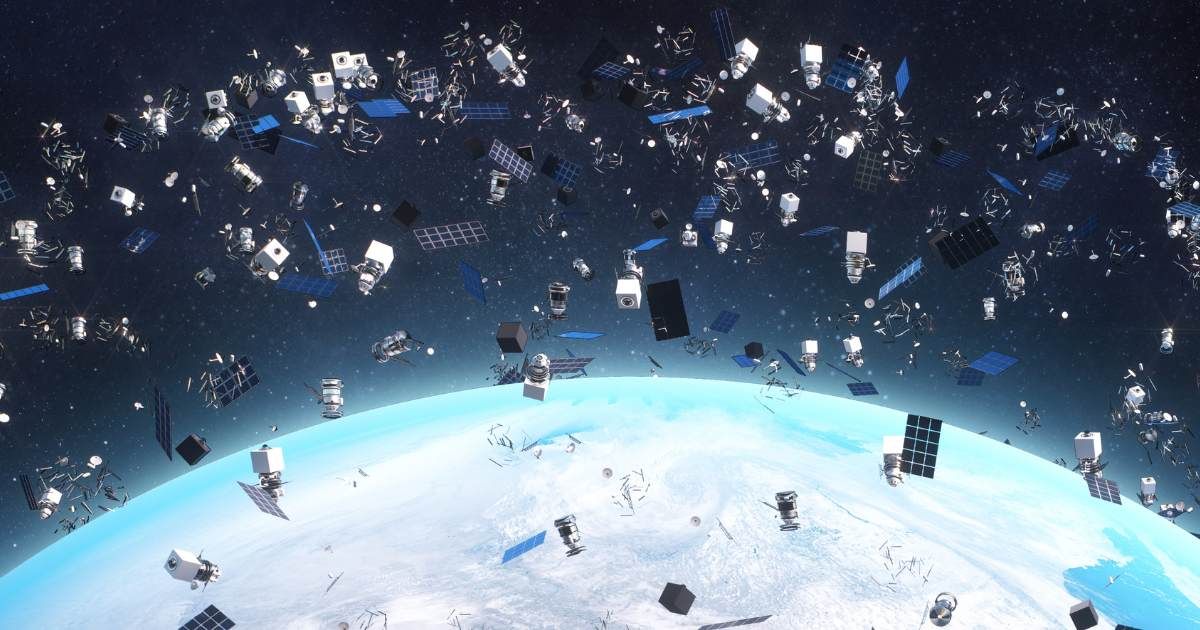
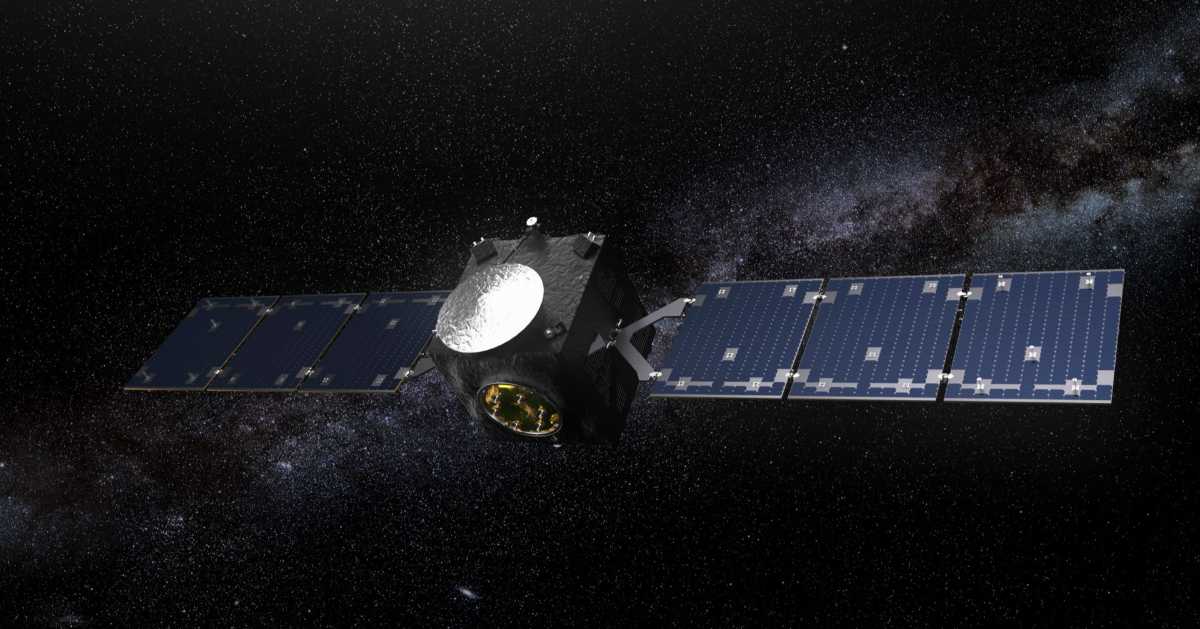
NASA and JAXA (Japan Aerospace Exploration Agency), Japan's space agency, are working together on the Multi-layer Acoustic and Conductive-grid Sensor (MACS)—a system that will be used to gather crucial data on dangerous millimeter-sized orbital debris (OD) in low-Earth orbit. The MACS mission is expected to fly to the International Space Station as a technology demonstration aboard Japan's HTV-X3 cargo vehicle in September 2027.
Why does debris this small even matter?
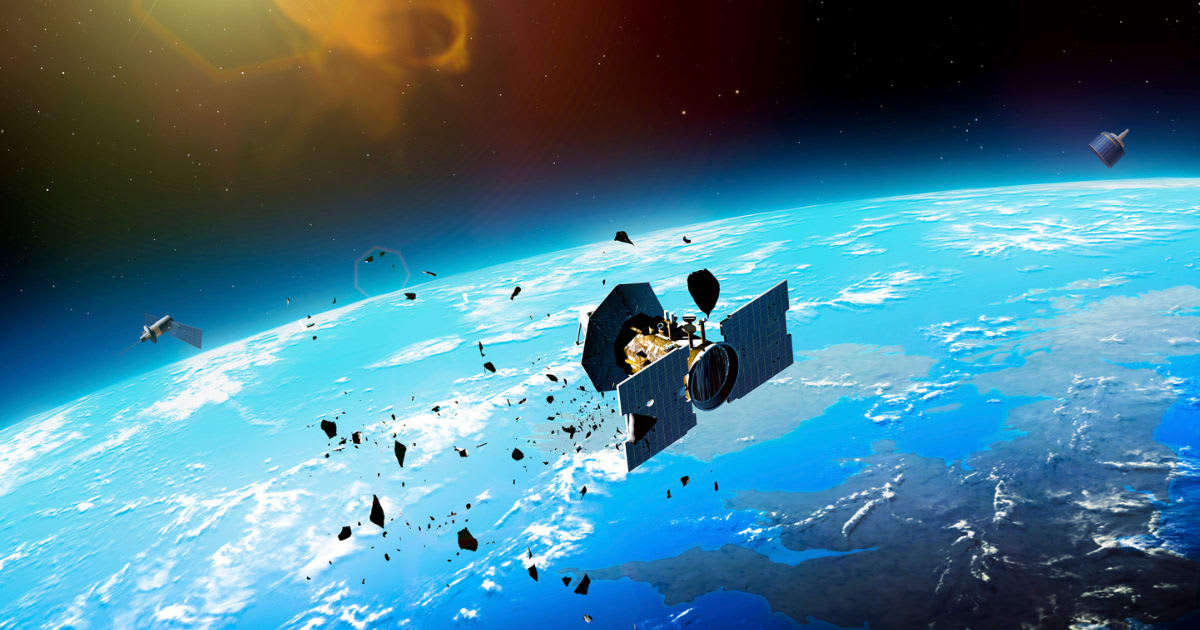
As of now, around 50,000 large objects have been tracked in orbit. But when it comes to millimeter-sized debris, NASA has shared that there are an estimated 100 million pieces of it in space. The problem is that at altitudes between 600 and 1,000 kilometers, where hundreds of active spacecraft operate, including around 20 belonging to NASA, this debris is simply too small for ground-based sensors to detect.

"When a small, millimeter-sized OD hits a critical system of a spacecraft, such as the fuel tank or battery, the outcome may not be the catastrophic destruction of the vehicle, but the impact can be severe enough to penetrate the fuel tank, damage the battery, or disrupt other critical systems, resulting in the early termination of the mission," explained NASA in a recent issue of Orbital Debris Quarterly News. Moreover, since millimeter-sized debris far outnumber larger objects, the chances of them causing mission-ending damage to spacecraft are orders of magnitude higher than the likelihood of spacecraft colliding with larger objects.
How is MACS supposed to catch it?
To address the critical gap in data on millimeter-sized OD, NASA's Orbital Debris Program Office has spent more than two decades testing various in-space technologies. MACS is the most advanced design to come out of that effort. “NASA Orbital Debris Program Office (ODPO) has investigated various small OD in situ measurement technologies and combinations of technologies, such as aerogel, acoustic sensors, resistive grids, and others since 2002. The most advanced concept is the Multi-layer Acoustic & Conductive-grid Sensor (MACS), which includes a key component from JAXA, a conductive-grid thin-film Space Debris Monitor (SDM),” the official NASA release noted.
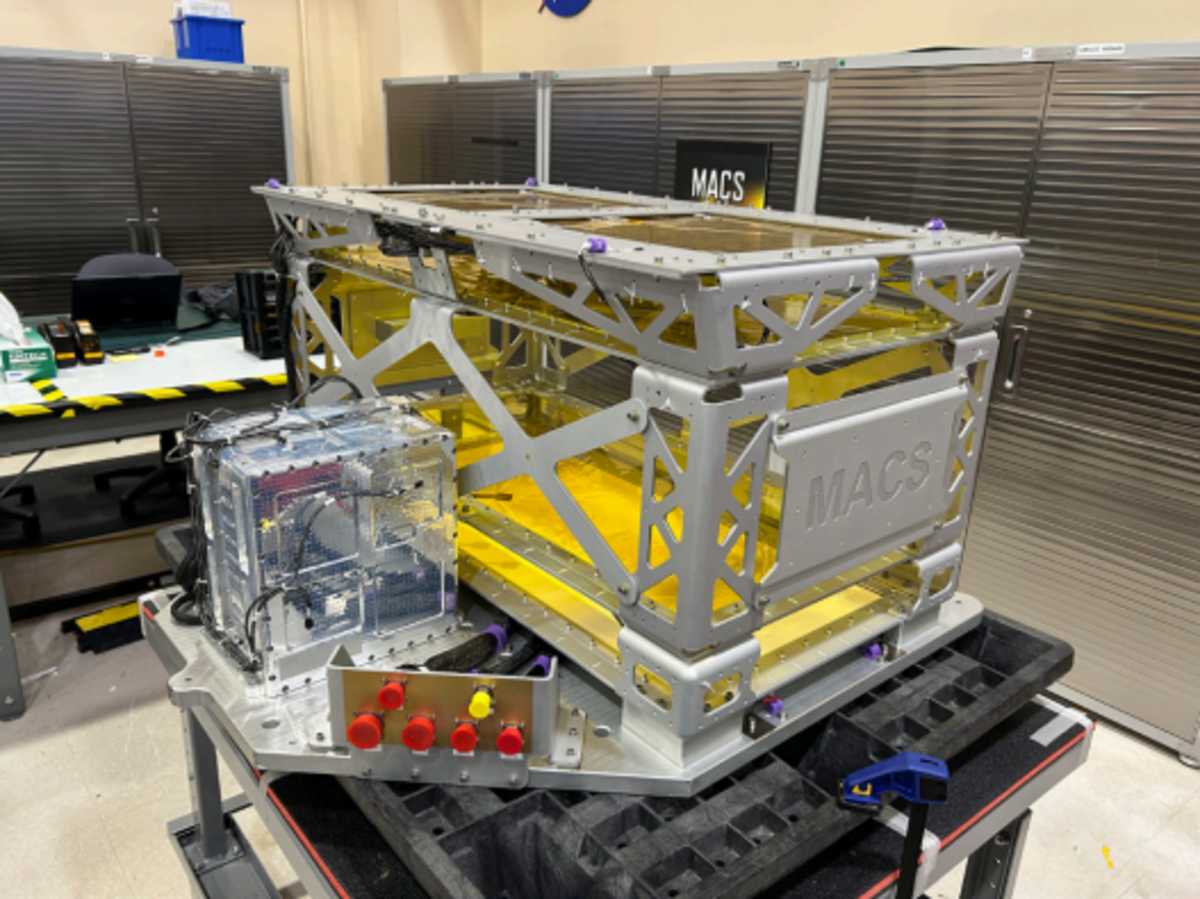
MACS includes a JAXA-developed conductive-grid thin film Space Debris Monitor (SDM) that measures the size of anything that hits it, two identical polyimide film layers beneath that, and a foam backstop panel, with acoustic sensors attached to every layer. When debris strikes, those sensors record the exact time and location of impact at each layer. After combining that data, scientists can calculate the object's speed, direction, mass, and material density.
What's next for the MACS mission?
The MACS team successfully cleared a design review in March 2026. They're now building the flight-ready hardware and conducting more tests, with delivery of the MACS flight unit to JAXA planned for June 2027. Once launched, MACS will fly at altitudes up to 450 kilometers for as long as six months after departing the International Space Station (ISS). "A successful MACS technology demonstration on HTV-X3 will pave the way for NASA and JAXA to pursue a mission to address the critical millimeter-sized OD data gap above 600 km altitude in the near future," the release noted.
More on Starlust
Scientists discover how rising solar activity is making space debris fall back to Earth faster
Which country is contributing to space debris the most? The numbers may surprise you