NASA’s Roman Space Telescope may finally reveal how the universe's first black holes formed
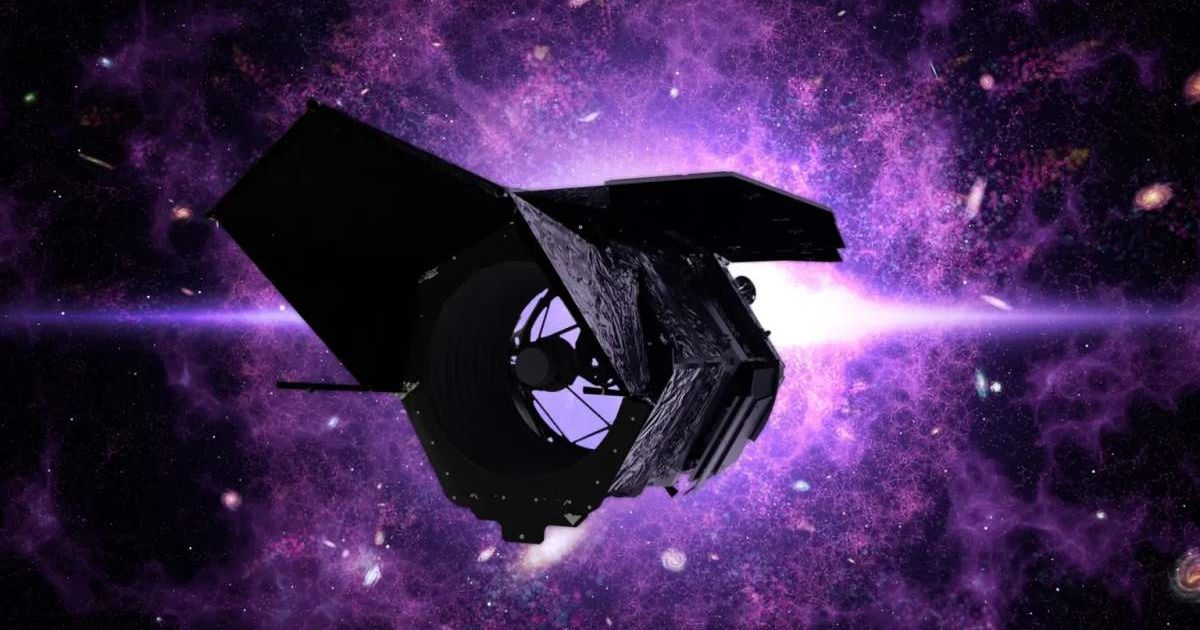
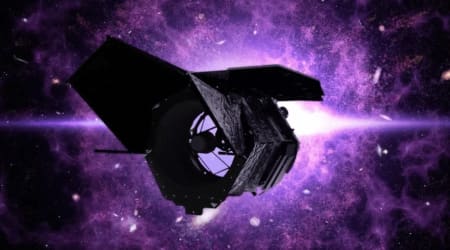
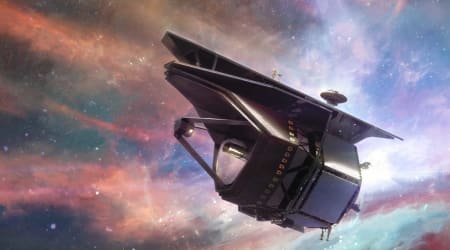
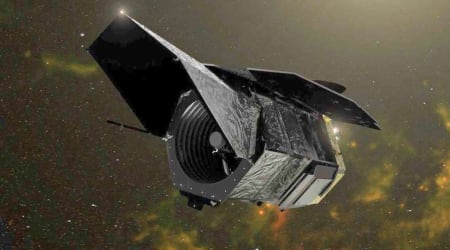
NASA's Nancy Grace Roman Space Telescope, set to launch on August 30, 2026, could detect black holes as far back as 11 billion years, according to new research published in The Astrophysical Journal. As per NASA, the telescope will also help scientists answer some of the most puzzling questions of the universe, including how supermassive black holes grew so quickly, what dark energy and dark matter are, and whether planetary systems like our own exist elsewhere.
"The Roman Space Telescope is going to be transformative for transient science," said lead author Mitchell Karmen, a Johns Hopkins University graduate student and National Science Foundation Graduate Research Fellow. "Thanks to Roman's high sensitivity, we can find multiple tidal disruption events out to greater distances and earlier cosmic times than ever before."
Why are smaller black holes so hard to find?
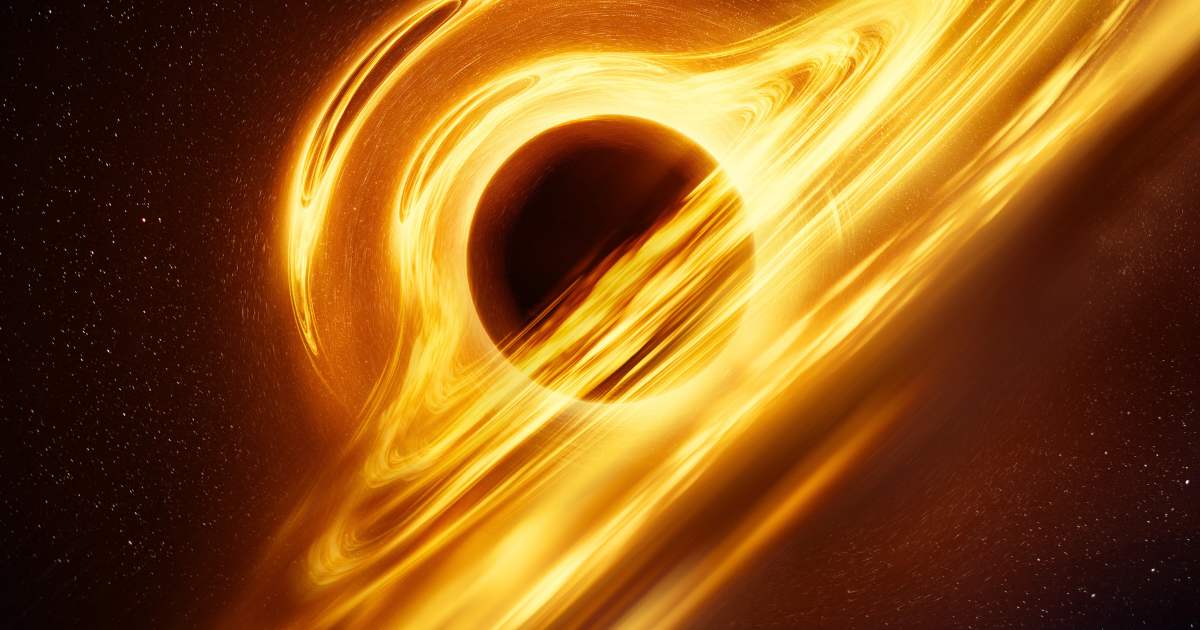
Most supermassive black holes are studied by watching the glowing disk of gas and dust that spirals into them. But lighter ones don't pull in much material, which makes them faint and easy to miss. That's where tidal disruption events come in. Black holes that weigh somewhere between 100,000 and 100 million times the mass of our Sun can rip a passing star apart before consuming it, and the resulting flare brightens over a few weeks before fading out. This gives researchers a chance to catch a normally invisible black hole in the act.
Earlier predictions assumed tidal disruption events would grow rarer the farther back in time astronomers looked, since most black holes would have been too small to trigger one. Karmen's team factored in additional variables, including how often galaxies merge and how tightly packed stars are near a galaxy's core, and found the opposite pattern. These events should become more common as Roman peers toward 'cosmic noon,' the period roughly 11 to 12 billion years ago when star formation across the universe was at its peak, before growing rarer again further back in time.
How will Roman actually catch these events?
NASA’s Roman Space Telescope is expected to detect up to 100 of these events per year, a modest number compared to the thousands to tens of thousands the ground-based Vera C. Rubin Observatory should find. Roman's near-infrared vision will let it see much farther back in time, since light from distant events gets stretched toward longer wavelengths as the universe expands. "Just by counting the number of TDEs as a function of redshift, you can put meaningful constraints on the population of million-solar-mass black holes," said co-author Suvi Gezari, an associate professor of astronomy at the University of Maryland.
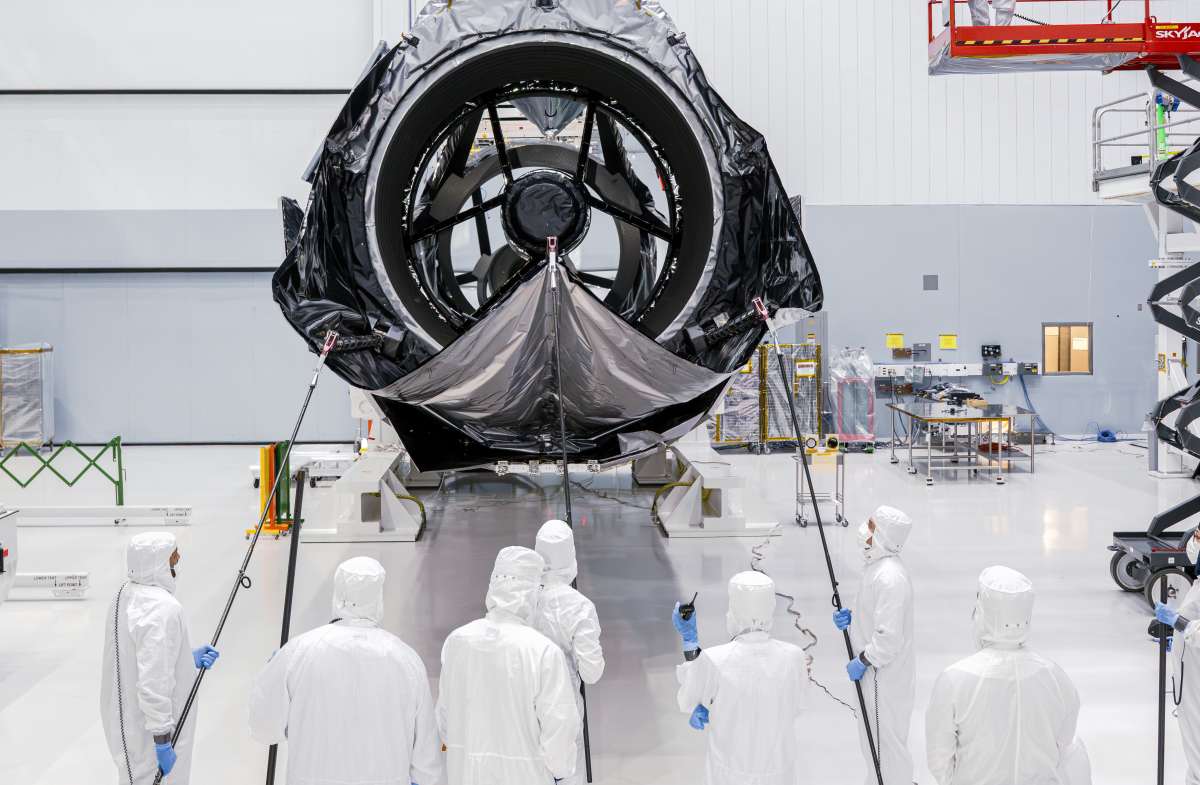
One of Roman’s three main community surveys, called the High-Latitude Time-Domain Survey, will repeatedly scan the same roughly 18-square-degree patch of sky, an area equal to about 90 full moons, on a steady, repeating schedule. This kind of repeated monitoring will help scientists catch a tidal disruption event. Since these flares brighten and fade over just a few weeks, a telescope has to keep checking the same patch of sky to catch one starting and follow it as it changes.
It could solve the mystery of the origins of supermassive black holes
Scientists have two competing explanations for how the universe's first supermassive black holes formed. The first one is called light seeds, which says that they started out as the remnants of collapsed massive stars before growing through mergers and steady feeding. Based on this, nearly every young galaxy will likely have a massive black hole at its center.
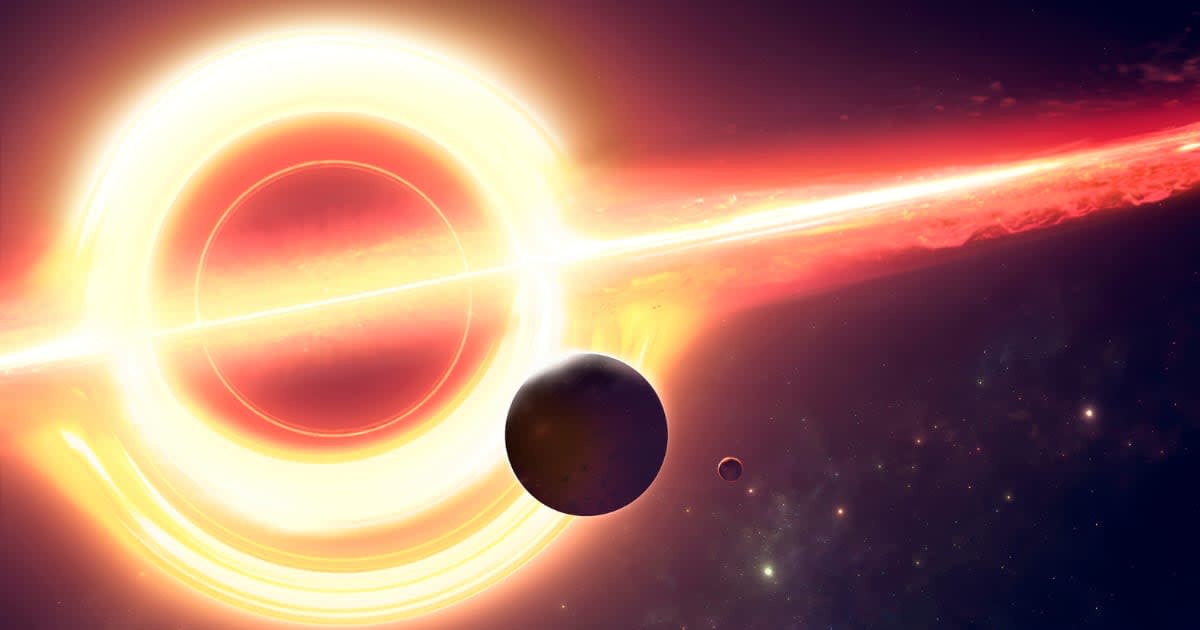
The other, called heavy seeds, proposes that they were born big from the start, up to a million solar masses, through the direct collapse of a massive gas cloud. This rarer process would leave far fewer supermassive black holes scattered through the early universe. "Tidal disruption events help us probe the population of light supermassive black holes, which can help us discriminate between these models," Karmen said. Commenting on how Roman will help, Gezari added, "Just like Webb has transformed our understanding of distant, high-redshift galaxies, Roman is poised to transform our understanding of high-redshift transients."
More on Starlust:
Meet NASA's NEO Surveyor: A 'one-of-a-kind mission' designed to find the most dangerous asteroids
Nuclear weapons in space? MIT scientist proposes way to detect hidden nukes on satellites