'We still don't have a lander': NASA's former chief expresses concerns about Artemis architecture
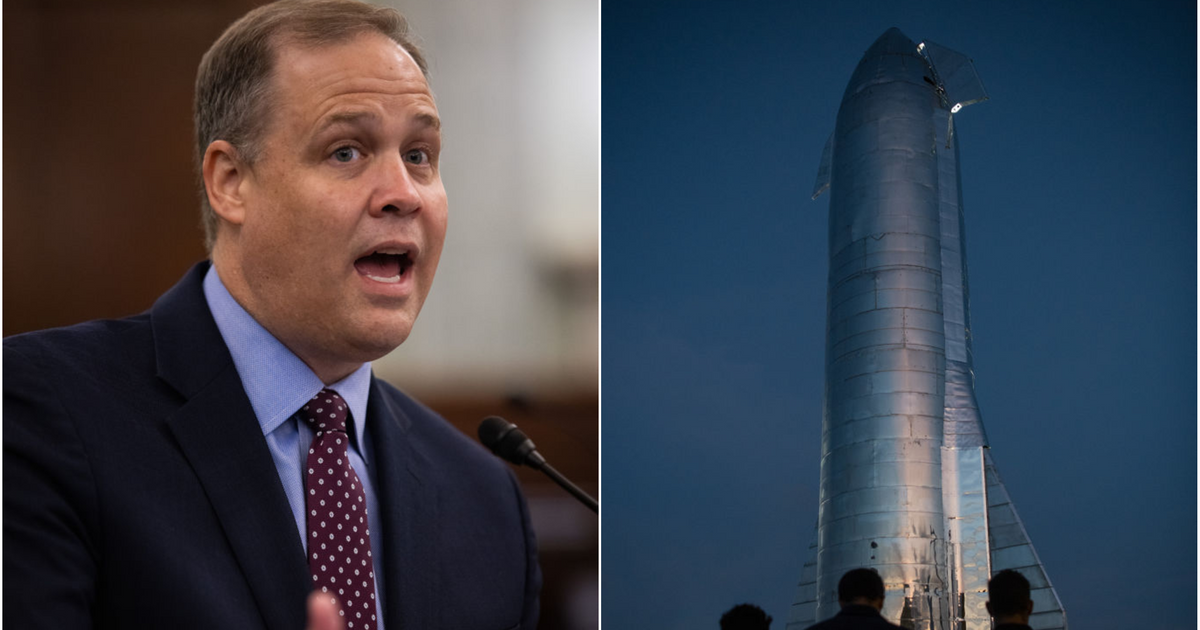
NASA wants to send humans back to the Moon by 2028, but it doesn't have a working lander yet. The agency's former administrator, Jim Bridenstine, has raised concerns over this, asking whether the crewed landers selected for the upcoming Artemis program are actually the right vehicles for the job.
During his appearance on the This Week in Space podcast on June 12, Bridenstine, who now serves as the CEO of Quantum Space, said, "We still don't have a lander, and without a lander, you can't land on the Moon. It's really that simple, and I worry that over time that's going to come back and bite us." He added that the priority right now should simply be building a working lander as fast as possible.
Artemis is "extraordinarily complicated," says Bridenstine
The Artemis architecture has many moving parts, which Bridenstine believes could complicate things. During the Apollo missions, the Saturn V rocket carried both the astronauts' capsule and the lunar lander together in a single launch. "The genius of Apollo was its simplicity," Bridenstine said.

On the contrary, Artemis lunar landing missions will require the lander and the Orion spacecraft to take off on separate launch vehicles. Commenting on this, he said, "The architecture is extraordinarily complicated." He added, "They [engineers on Apollo] designed that thing to be as simple as you could possibly make it, and because of that they were able to land on the moon eight years after John F. Kennedy declared that we were doing it."
How close are Starship and Blue Moon to being ready?
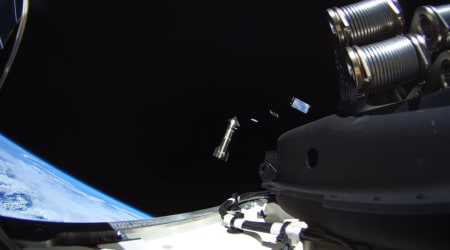
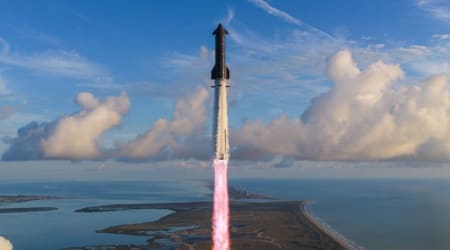
As of now, neither SpaceX's Starship nor Blue Origin's Blue Moon has reached orbit. Before they do so, they need to clear safety checks, which include test landings on the Moon without any crew aboard. Making matters even harder, neither lander can complete a Moon landing on its own fuel. This means they need to be topped off in orbit by a series of separate launches acting like fuel trucks, and a NASA OIG report estimated that Starship alone could need at least 15 refueling flights for a single lunar landing mission. Bridenstine also brought up NASA's SLS rocket as a rare counterexample, saying, "The first time SLS launched, it was rated for crew, and it was ready to go to the moon on the first launch. That's hard to do, and yet it did it."
Artemis III mission design is a telltale sign
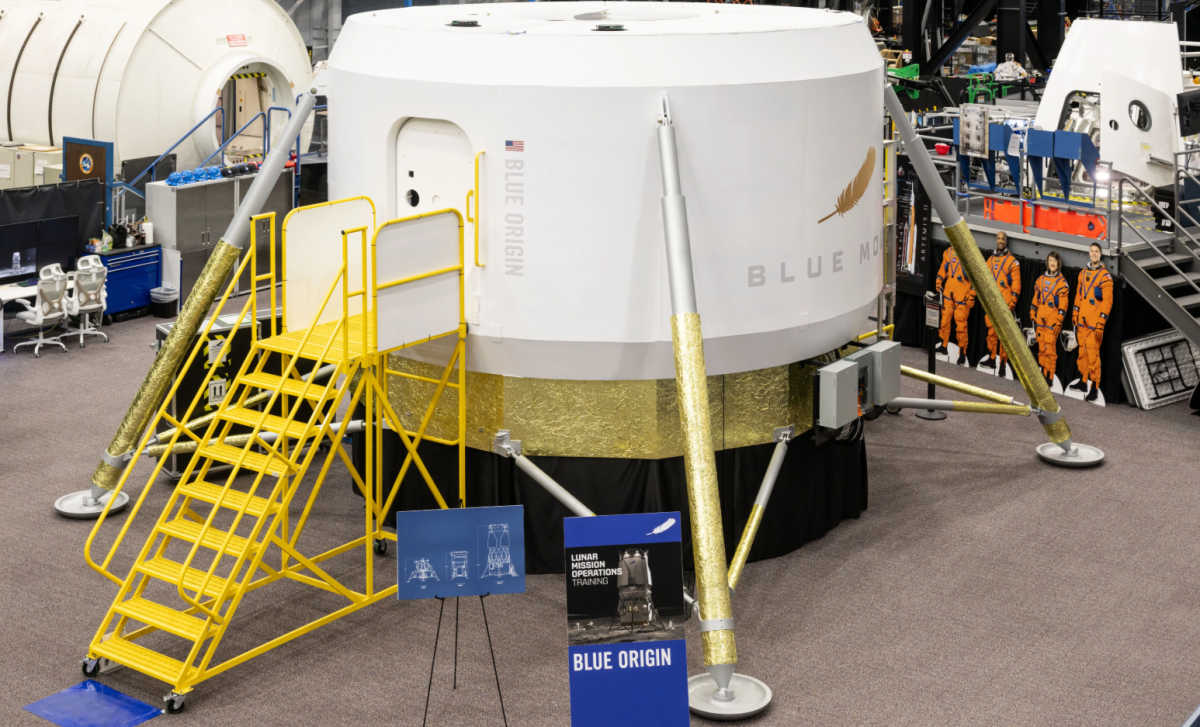
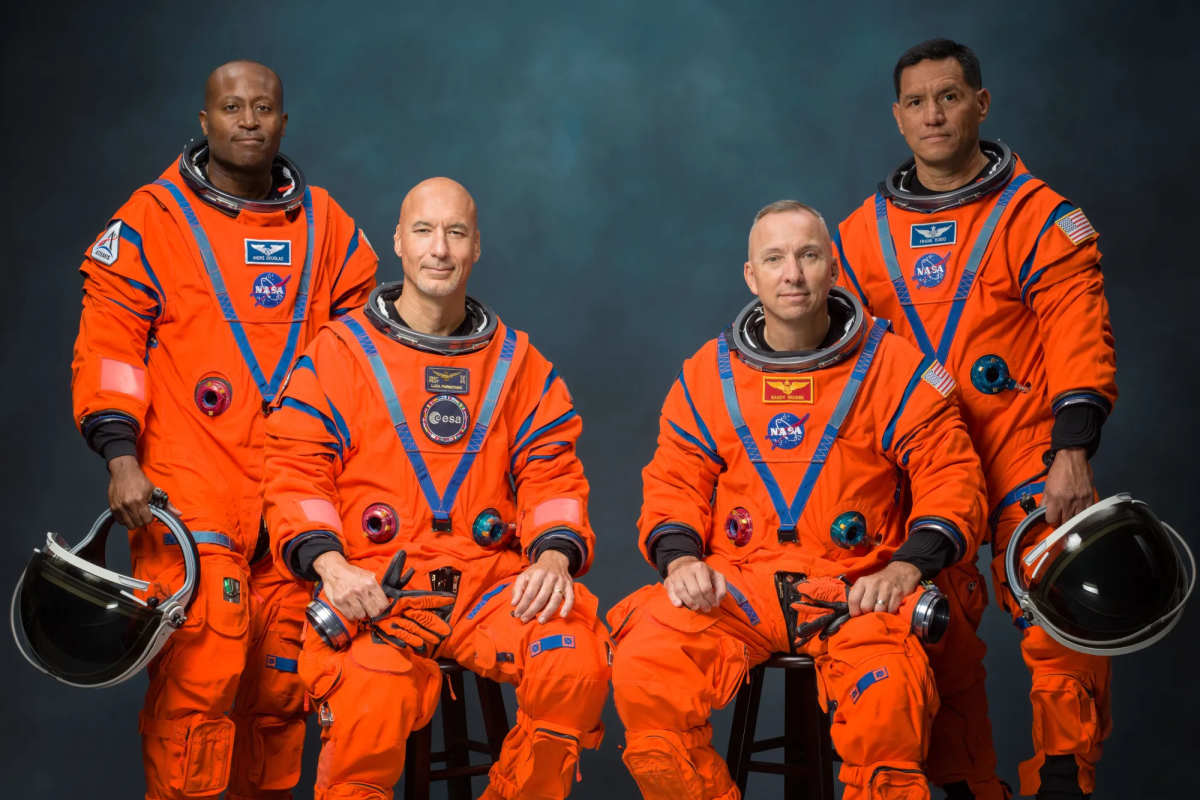
Before NASA attempts to land humans on the Moon with Artemis IV, it will test out the mission architecture on Artemis III, which is set for mid-to-late 2027. During that flight, Orion will link up with both landers in orbit around Earth over roughly two weeks. Astronauts will actually get to board Blue Moon during this test, but Starship will only carry a docking adapter rather than a working crew cabin—a sign of the kind of progress SpaceX has made with its lander. This also suggests that Blue Moon could be in the running to serve as the lander for Artemis IV, even though it was Starship that was initially chosen for the job.
More on Starlust
Why do many people still believe Moon landings were faked?
Artemis mission update: NASA tests hardware for refueling spacecraft in low-Earth orbit