Rare, long-lasting black hole outburst is giving scientists a better look at the early universe
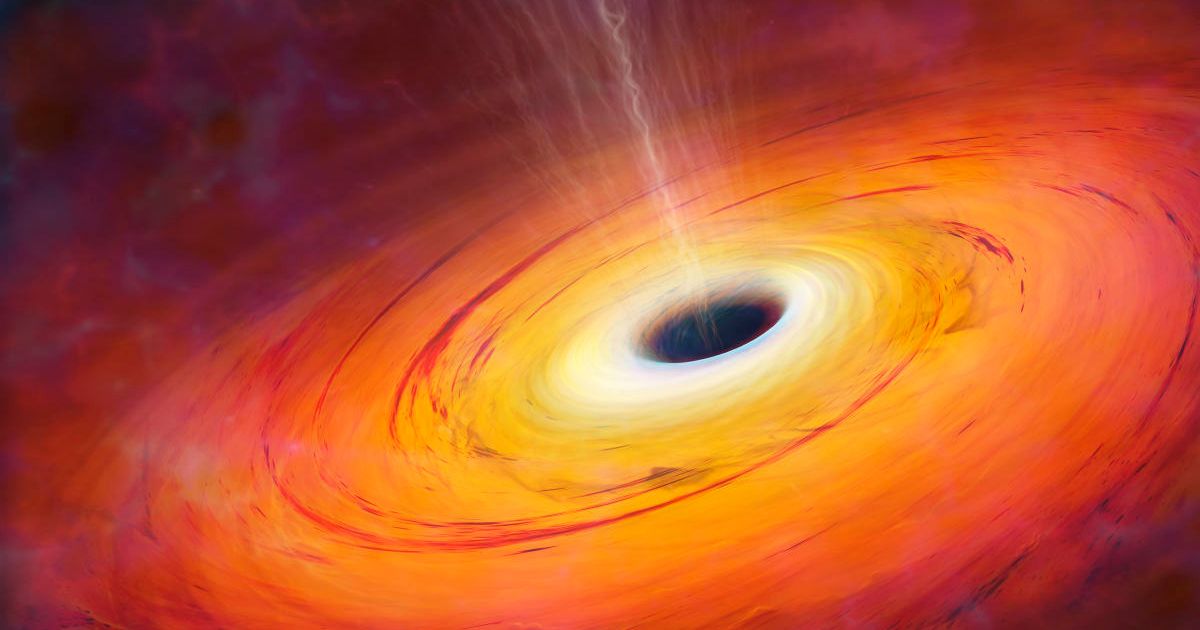
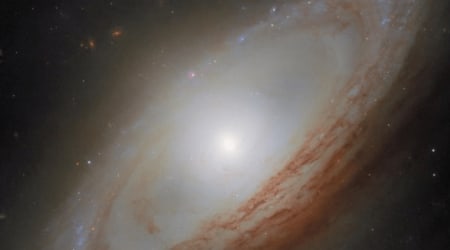
A research team led by Stefanie Komossa of the Max Planck Institute for Radio Astronomy has found that the central supermassive black hole of the nearby spiral galaxy called SDSS J110546.07+145202.4 has been growing exceptionally fast. This is allowing researchers a rare, up-close look at how black holes grew and fed in the early universe. The research findings have now been published in The Astrophysical Journal.
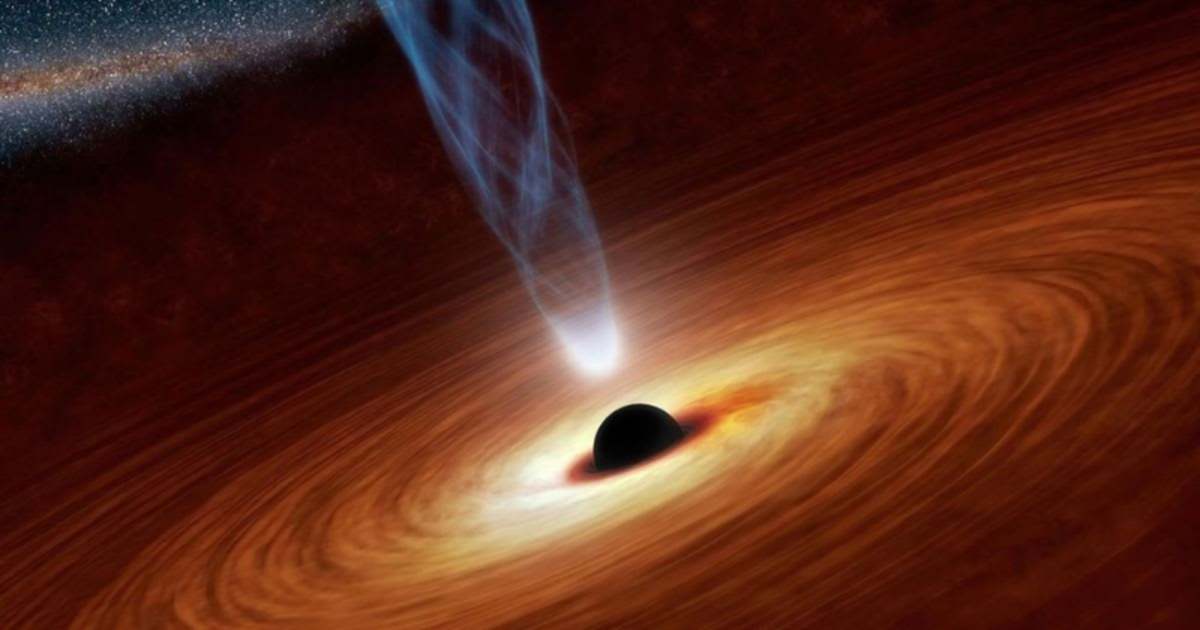
What makes this black hole so special?
Short bursts of radio radiation near supermassive black holes (called “radio transients”) usually settle back down within days or weeks. But this one has stayed remarkably bright in radio wavelengths for more than eight years. This is the first source to show this property. Researchers estimate the light is roughly 10 quadrillion times as intense as the Sun's output. Commenting on the findings, study co-author Phil Edwards of CSIRO, Australia's national science agency, said, "We are dealing with the prototype of a new class of galaxies that undergo rapid changes in radio emission."
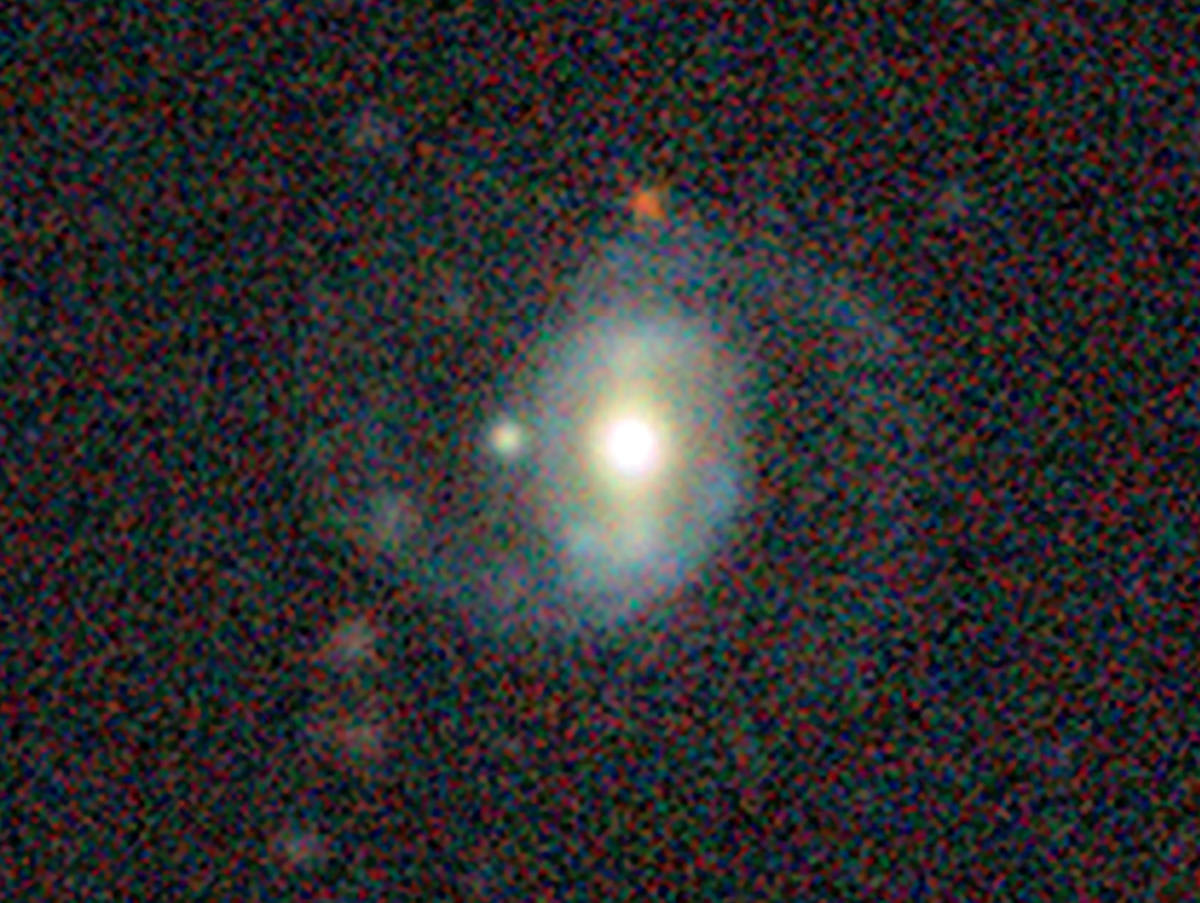
Per the study, the newly found black hole has a comparatively low mass. Even so, it's gaining mass quickly by pulling in surrounding gas and dust. Low mass paired with rapid growth happens to be exactly what scientists expect from black holes in the early universe, but SDSS J110546.07+145202.4 is located in our cosmic neighborhood—about 1.8 billion years from Earth. Komossa explained, "Luminous radio radiation from rapidly growing, lightweight black holes is rare to begin with. Their transition into a long-lasting, radio-bright state has never been observed before."
How did scientists confirm what was happening?
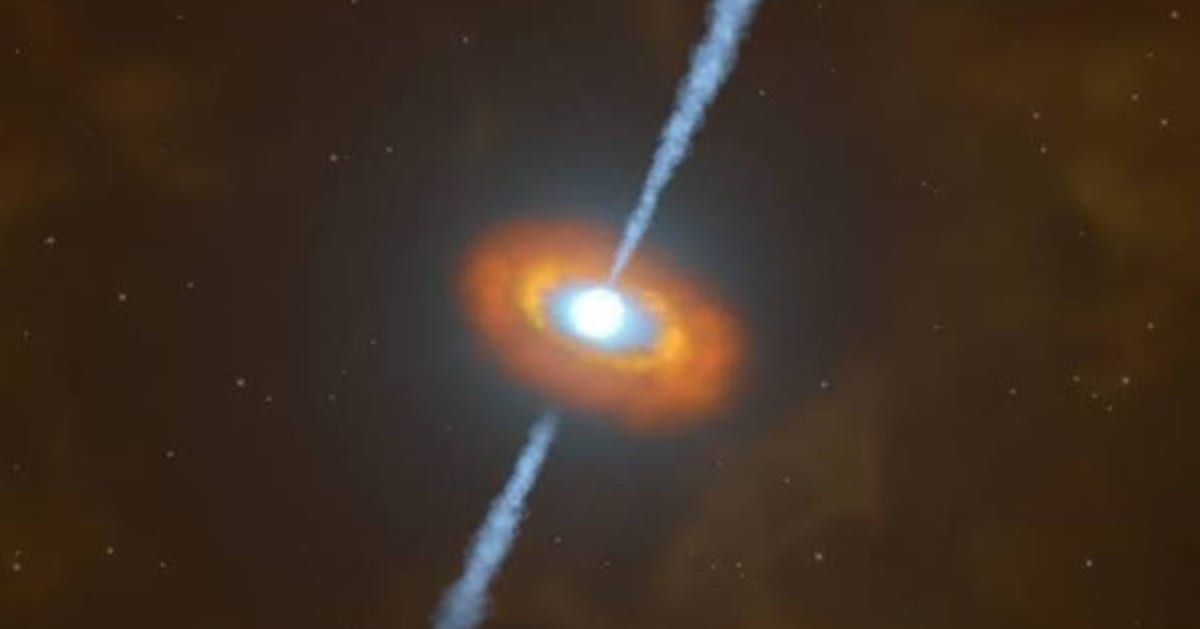
This study was conducted using a combination of new observations and archival data that cover everything from low-energy radio waves up to high-energy X-rays. Several instruments were used by the researchers to gather the results, such as the 100-meter radio telescope at Effelsberg in Germany and CSIRO's Australia Telescope Compact Array, along with satellites in space. These combined observations "confirm the source's unique properties," noted co-author Alexander Kraus. Researchers suspect extra matter has been steadily falling into the black hole for several years. That inflow is feeding a jet, which is a narrow, high-speed stream of particles moving at nearly the speed of light, and the jet is what's producing the radiation astronomers keep detecting. But what started the extra feeding, and why it's lasted this long, is still an open question.

Commenting on what’s ahead, Kovi Rose of the University of Sydney's Sydney Institute for Astronomy said, "Such high-energy events can provide astronomers with a wealth of insights. By observing these jets and outbursts, we can study the physical processes in some of the most extreme environments in the universe." Instruments like the Very Long Baseline Array will let researchers map the jet's actual structure and track how its radio emission shifts over the coming years. Also, upcoming facilities such as the SKA telescopes will help researchers find more such objects in the universe. "With sensitive facilities like the incoming SKA telescopes, we'll be able to identify similar radio transients in future sky surveys. This is crucial for filling the gaps in our understanding of the early universe," added Komossa.
More on Starlust
New James Webb Space Telescope data challenges one of dark matter's strongest pieces of evidence