Scientists witness a black hole's point of no return for the first time ever
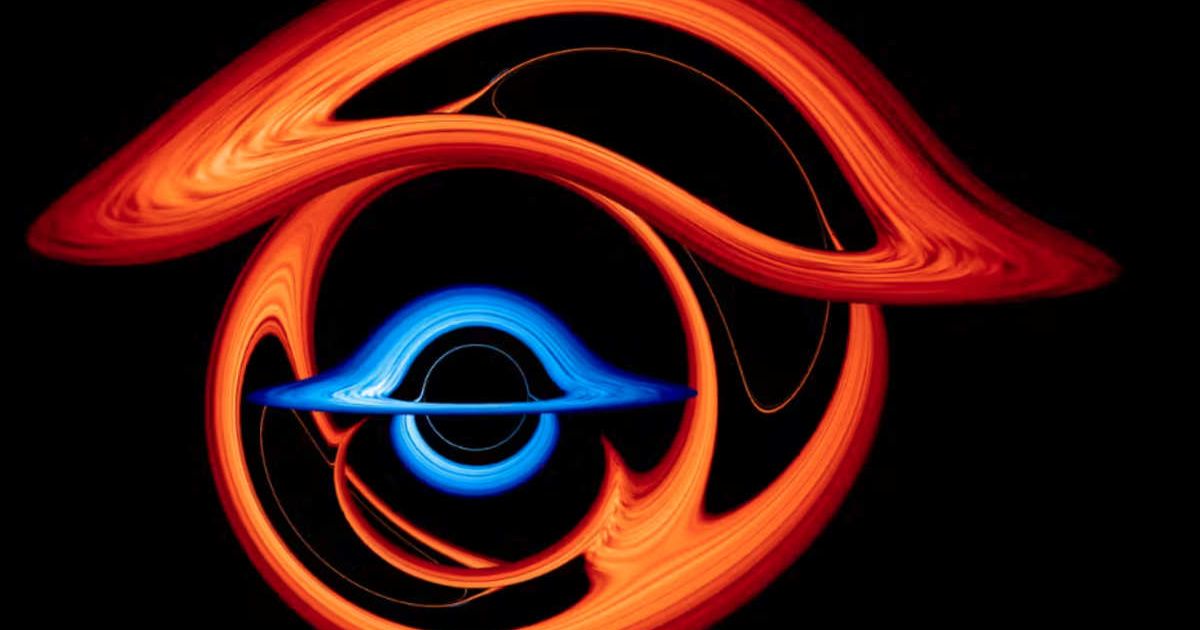
The event horizon of a black hole swallows everything it touches, including light itself. So it should be virtually impossible to study it, right? Well, it was. Until now. An international team of researchers listened in on the loudest gravitational wave signal ever detected from space. Inside it, they found a previously not-well-understood piece of data that made them the first people to witness an event horizon, right at the exact moment two black holes collided.
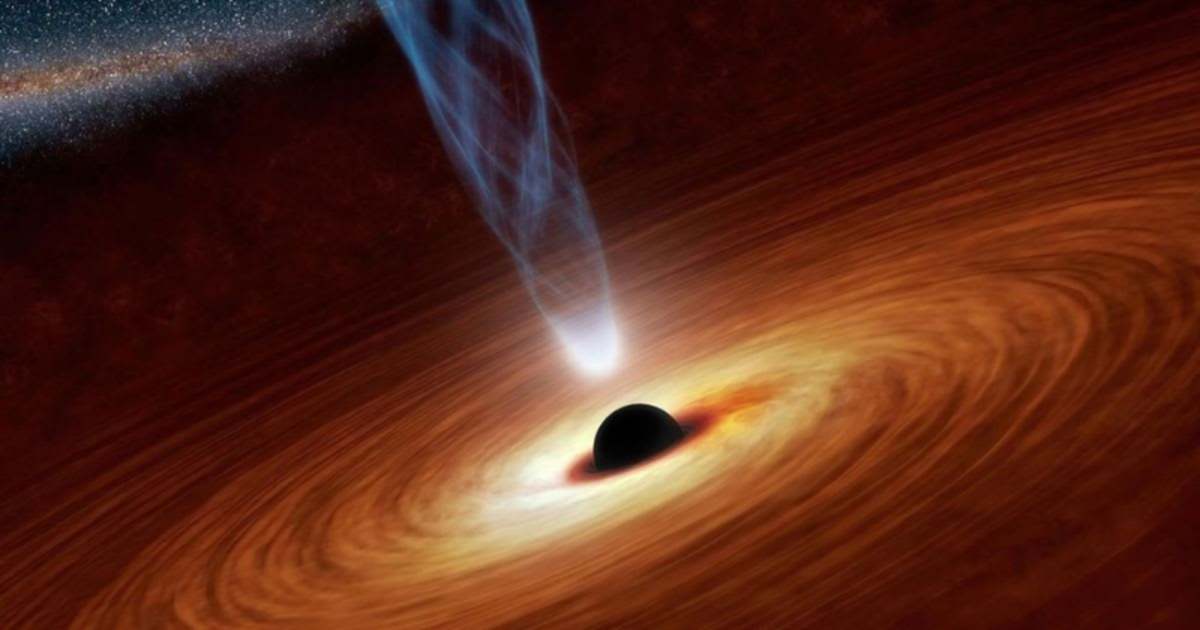
The research was led by Dr. Ling Sun and PhD candidate Neil Lu of the ARC Centre of Excellence for Gravitational Wave Discovery (OzGrav) and the Australian National University, along with collaborators in Canada, the U.S., and Spain. The study has been published in the journal Nature.
So what exactly did the scientists detect?
The signal, named GW250114, which was three times louder than the first gravitational wave signal detected a decade ago, was picked up last year by the two Laser Interferometer Gravitational-Wave Observatories in the United States. "We measured the last sound the black holes made when they crashed. Hidden within that signal is a small component, called direct waves, that had not previously been well understood," said Mr Lu in a statement. "Our new analysis allows us to decipher this component and extract unique information from close to the event horizon."
What makes the study important?
An event horizon is the edge of no return around a black hole. The reason is that escaping it would require traveling faster than light, which nothing in the universe can do (as per our current understanding), so whatever falls in stays in for eternity. "Our analysis shows that this exceptionally loud signal can be used as a powerful probe of the remnant black hole's horizon, allowing us to measure its two fundamental properties: rotation frequency and surface gravity," Dr. Sun said.
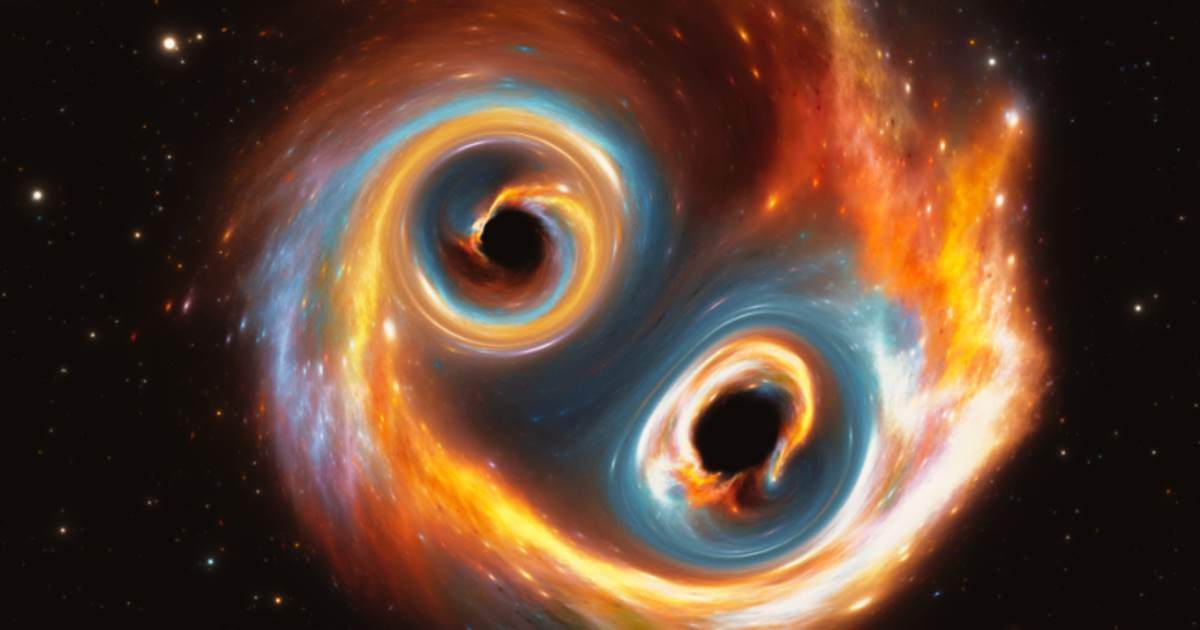
Commenting on what’s ahead, Mr Lu added, "These measurements mark a first step towards future tests of general relativity with direct waves.” With the help of the new analytical technique developed by the team, astrophysicists will now be able to study the strength of extreme gravity at the black hole's horizon. This will also help them study "frame dragging," a phenomenon where black holes literally drag spacetime itself along with them, creating an environment where nothing can remain stationary relative to a distant observer.
More on Starlust
A supermassive black hole dimmed its galaxy 20-fold—in just 20 years
Astronomers observe a black hole coming back to life after 100 million years of silence