NASA's Chandra finds two of the Milky Way's arms are 10% farther than we thought
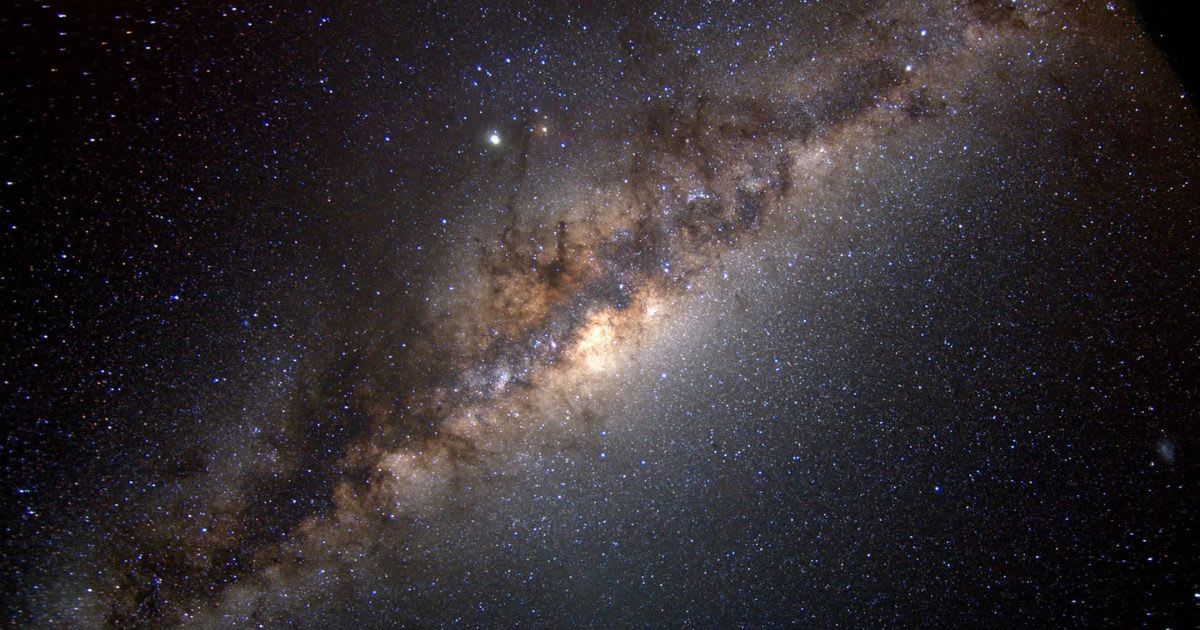
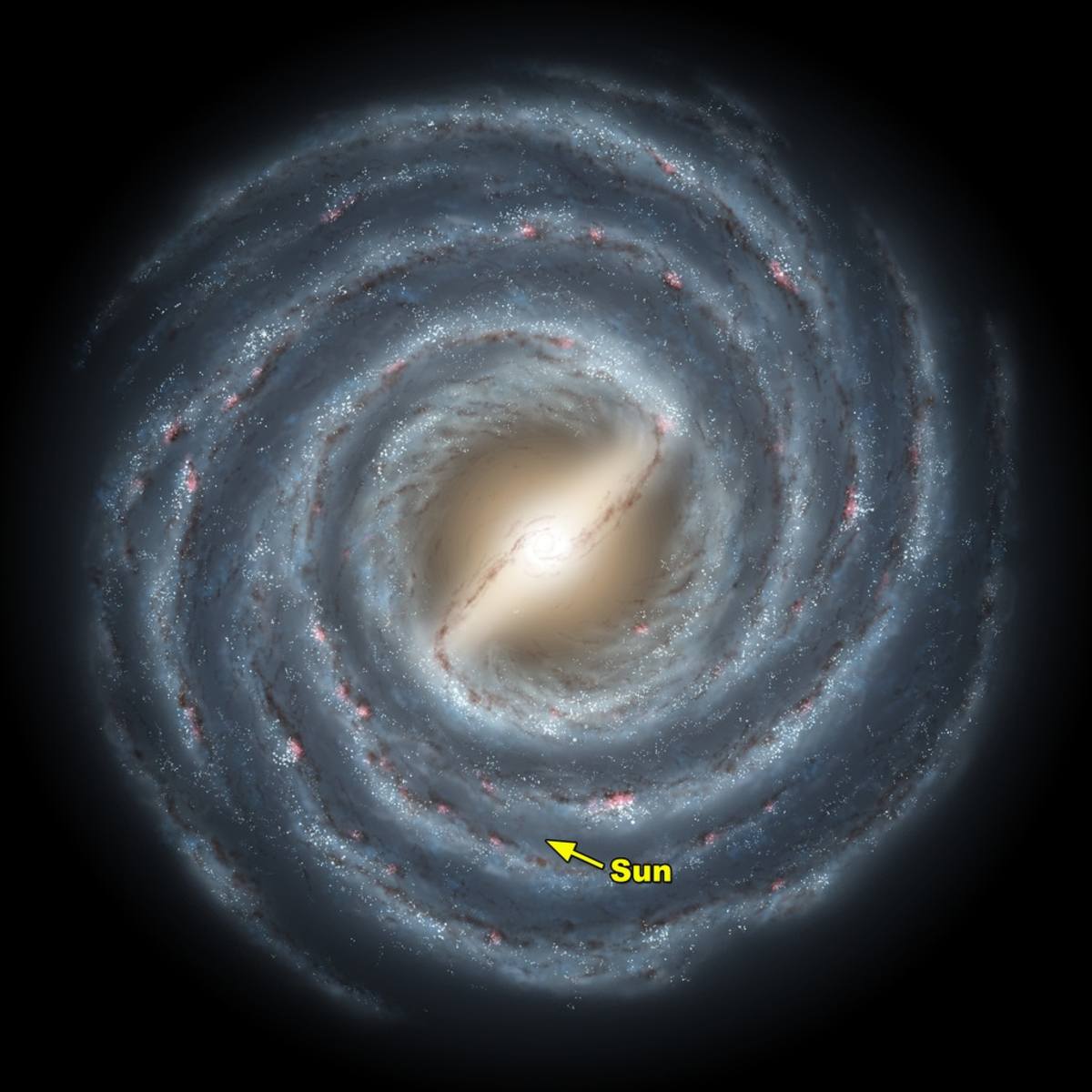
A new study using NASA's Chandra X-ray Observatory just gave scientists a clearer picture of how far the Milky Way's spiral arms actually stretch. Astronomers have known about these arms for roughly a hundred years, but pinning down their exact distances has been difficult, mostly because Earth sits inside one of the arms and thick dust and gas block the view of the others. This new study suggests that two of the Milky Way’s outer spiral arms reach roughly 10% farther out than earlier estimates, which could ultimately reshape how we measure the mass of our entire cosmic neighborhood.
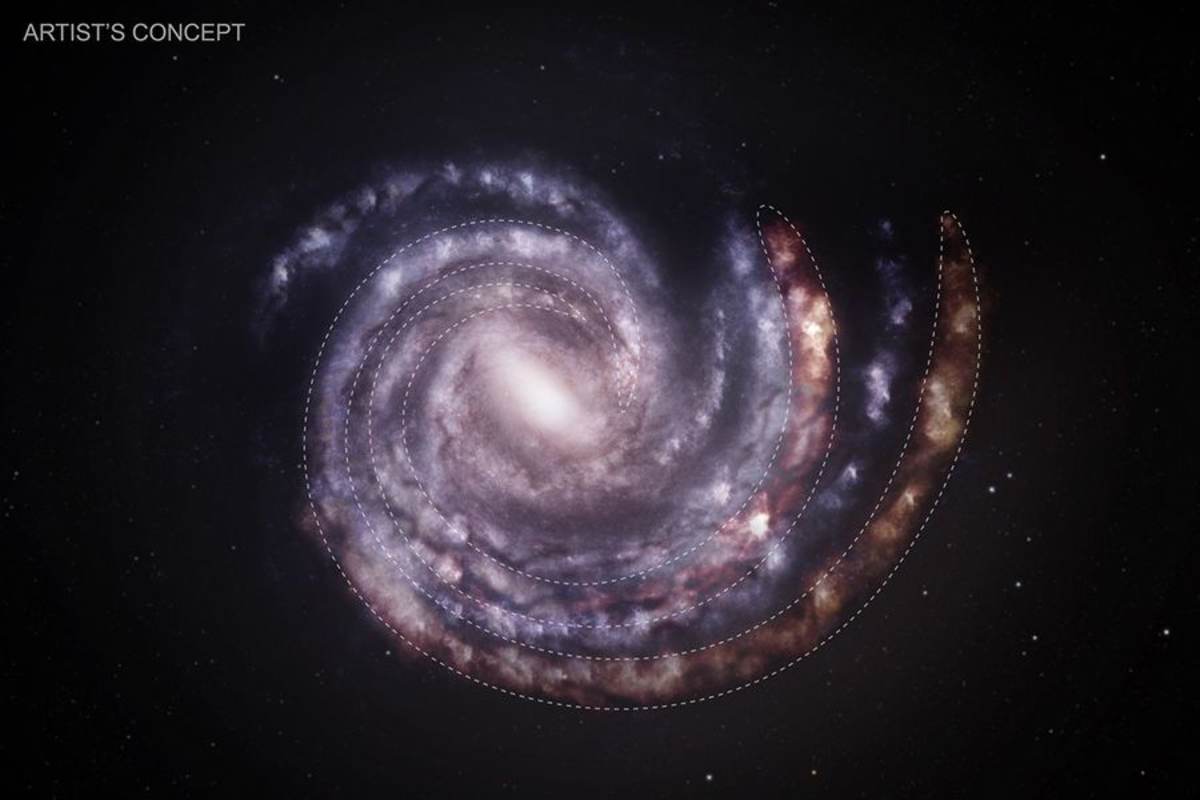
Rather than using the standard approach for estimating distances, which relies on assumptions about the galaxy’s rotation, the team used geometry instead. Lead researcher Beatrice Vaia, who led the study while a PhD student in a joint program between Scuola Universitaria Superiore IUSS Pavia and the University of Trento in Italy, explained, "This is a very direct way – relying only on geometry – to precisely measure distances to the Milky Way's spiral arms. Most other methods rely on assumptions about how the Milky Way rotates, which become increasingly uncertain in the outer regions of our galaxy." The research findings have now been published in the journal Astronomy & Astrophysics.
So what does this mean for our understanding of the galaxy?
This new measurement targeted three arms—the Perseus, the Outer, and the Outer Scutum-Centaurus arms—with the help of three separate gamma-ray bursts as reference points. Along the path of one of those bursts, the team found that the Outer arm and the Outer Scutum-Centaurus arm both sit about 10% farther out than earlier models predicted. Explaining the significance of these findings, co-author Ilaria Fornasiero said, "The differences are small, but any revision of these distances is important because they are so fundamental for understanding our galaxy. For example, this could mean that astronomers have to revise estimates of the mass of the galaxy, because that affects how wide the arms stretch." In other words, this small correction can make us rethink how massive our galaxy actually is.
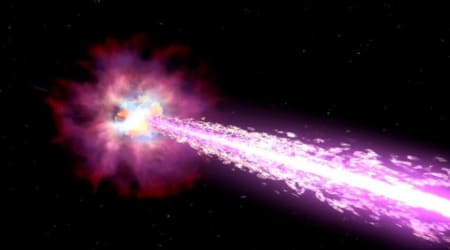
The researchers based their study on gamma-ray bursts, which are incredibly bright bursts of light that occur when massive stars collapse or neutron stars crash into each other in distant galaxies. As X-ray light from these bursts passes near dust clouds inside the Milky Way's arms, some of it bounces off the dust and creates a light echo. This forms an expanding ring of X-rays that both Chandra and XMM-Newton, an ESA mission with NASA contributions, were able to detect. The size of each ring can tell us how far away the dust cloud sits, since larger rings come from clouds that are closer to Earth.
The team also calculated that the dust cloud in the most distant arm spans roughly 3,500 light-years across, which suggests that the measurement reflects the full width of the arm rather than just one isolated patch of dust. But this method is limited because bright gamma-ray bursts visible through the plane of the galaxy are rare. Commenting on this, co-author Andrea Tiengo from Scuola Universitaria Superiore IUSS Pavia said, "We're relying on the universe to provide us with these events, and so far, over 25 years, we've only found a handful that we can use. That said, we will continue to be on the lookout for more."
More on Starlust:
NASA's TESS telescope found a planet 40,000 light-years away and it wasn't even looking for it
New James Webb Space Telescope data challenges one of dark matter's strongest pieces of evidence