What is International Moon Day? The history behind it and why it still matters
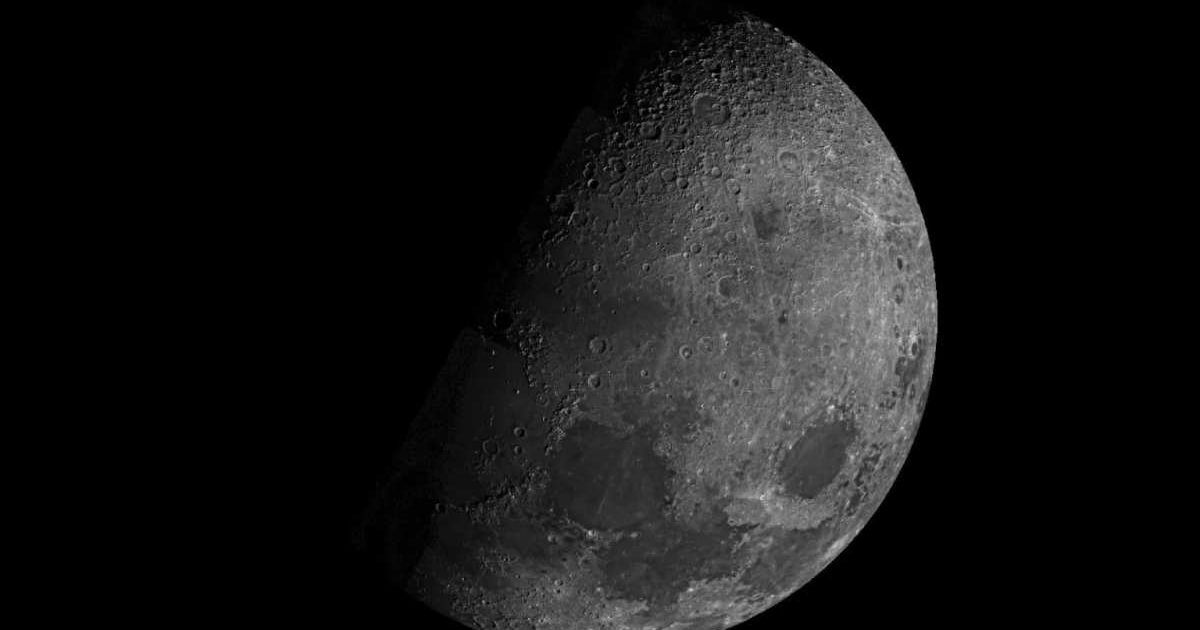
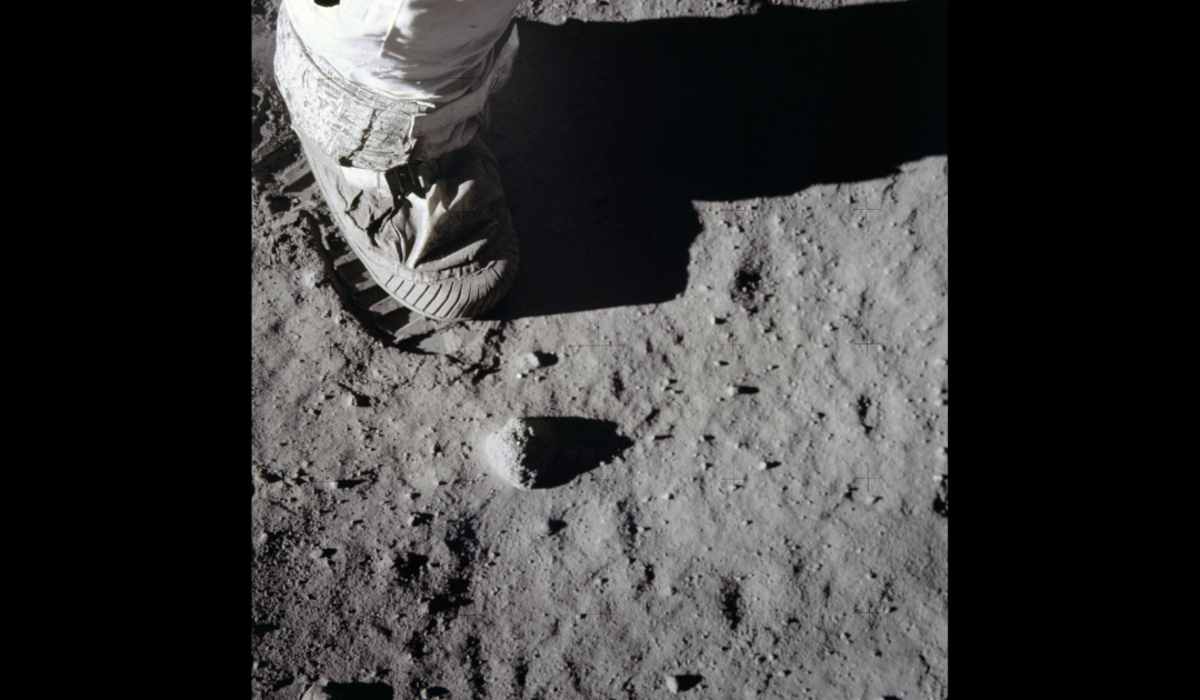
The International Moon Day is celebrated every year on July 20. The date marks the anniversary of the day Apollo 11 astronauts Neil Armstrong and Edwin 'Buzz' Aldrin became the first humans to walk on the Moon in 1969, while Michael Collins remained in orbit aboard the Columbia command module, waiting for their return.
Declaration of the International Moon Day
International Moon Day was declared by the United Nations General Assembly on December 9, 2021, through Resolution 76/76 on “International cooperation in the peaceful uses of outer space.” It was the Committee on the Peaceful Uses of Outer Space (COPUOS) that recommended the idea, which was initially proposed by the Moon Village Association (MVA). For context, the MVA is a non-government organization based in Vienna, Austria, that advocates for a global, cooperative, and sustainable exploration of the Moon, which is also something that the International Moon Day is meant to raise awareness about.

Humanity's journey to explore the Moon started with Luna 2, a spacecraft launched by the Soviet Union, which became the first to land on the lunar surface on September 14, 1959. Since then, countries like the United States, Russia, Japan, China, India, and Israel have made major advances in better understanding the Moon and its relationship with Earth. International Moon Day celebrates these achievements of all such countries, even though it falls on the anniversary of the Apollo 11 landing.
What’s happening on International Moon Day 2026?
Each year, International Moon Day celebrations have two main components. A central event that features discussions between experts and keynote speeches and a number of other events across the world that are organized by space agencies, governments, institutions, and even the public. One of the highlights of this year's celebrations is the event titled “To the Moon & Beyond: Kingston's Solar System Walk," which will run from July 20 to September 30, 2026, at Fairfield Recreation Ground in Kingston, United Kingdom. This event is a free, self-guided trail that will turn the park into a scaled model of our solar system. Through this, you can experience the vast distances of space on foot.
According to the website, "Following the successful Artemis II mission, which sent astronauts around the Moon for the first time in over 50 years, humanity is now closer than ever to returning to the lunar surface. This trail offers a chance to reflect on that journey and be inspired by what comes next." Another event lined up for International Moon Day 2026 will be hosted in Dubai by the Dubai Astronomy Group and SEE Institute. If you'd like to join a celebration near you, check out their open calendar to see what events are happening around the world.
Why does International Moon Day matter today?
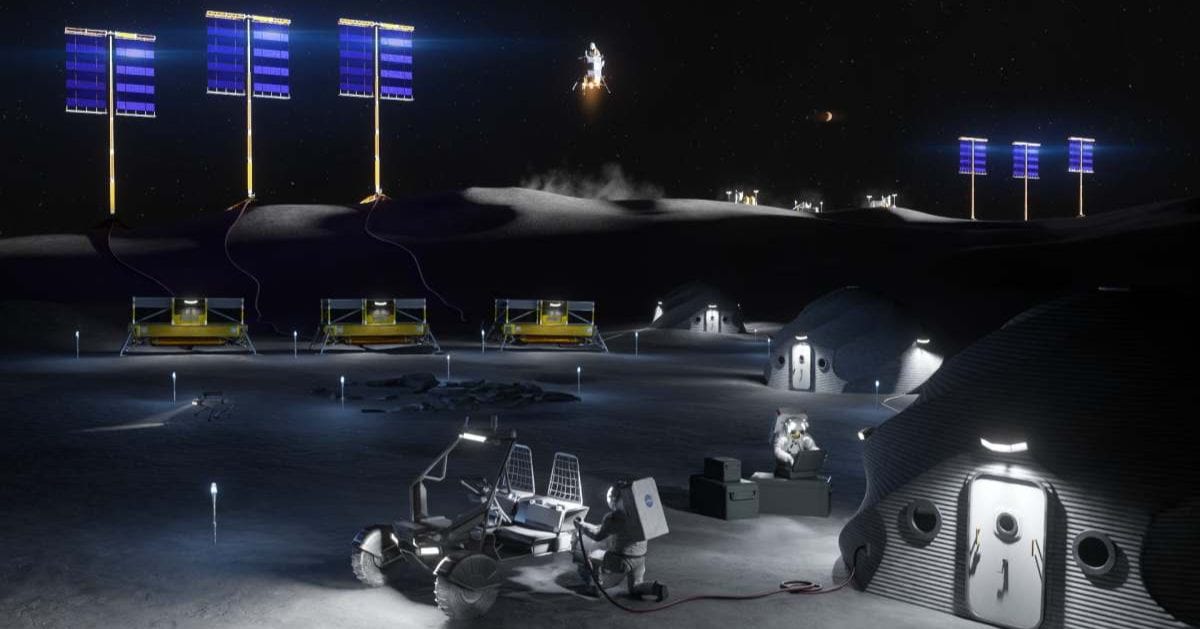
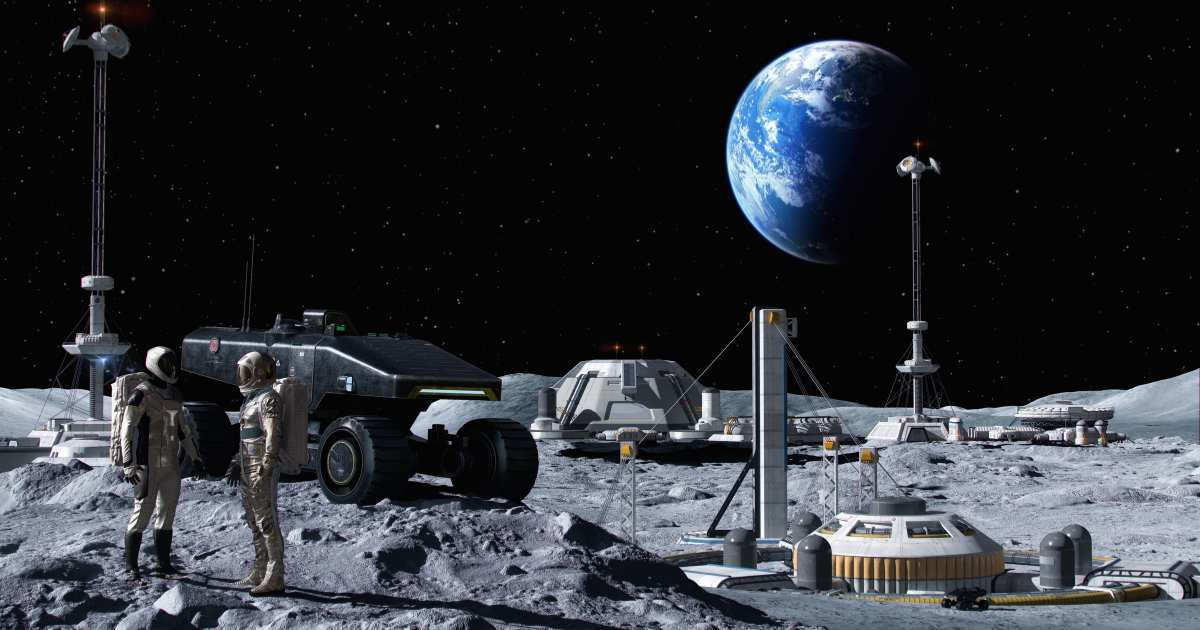
Today, we are not just trying to return to the Moon; this time, the goal is to stay and build a sustainable human presence there. For this, NASA has shared its plans to send astronauts back to the lunar surface with Artemis IV, which is currently targeted for 2028. The agency ultimately hopes to help establish a lasting human presence on the Moon in the 2030s. This is one of the reasons why International Moon Day matters today. It celebrates the next chapter of lunar exploration that's already underway. After all, humanity's exploration of the Moon is far from over.
More on Starlust
Total solar eclipse on August 12: Path of totality, timings and best viewing locations
Wait, humans sent these into space? 5 strange objects you won't believe are still floating out there