Why is July's full moon called the Buck Moon? Here's the meaning behind the name

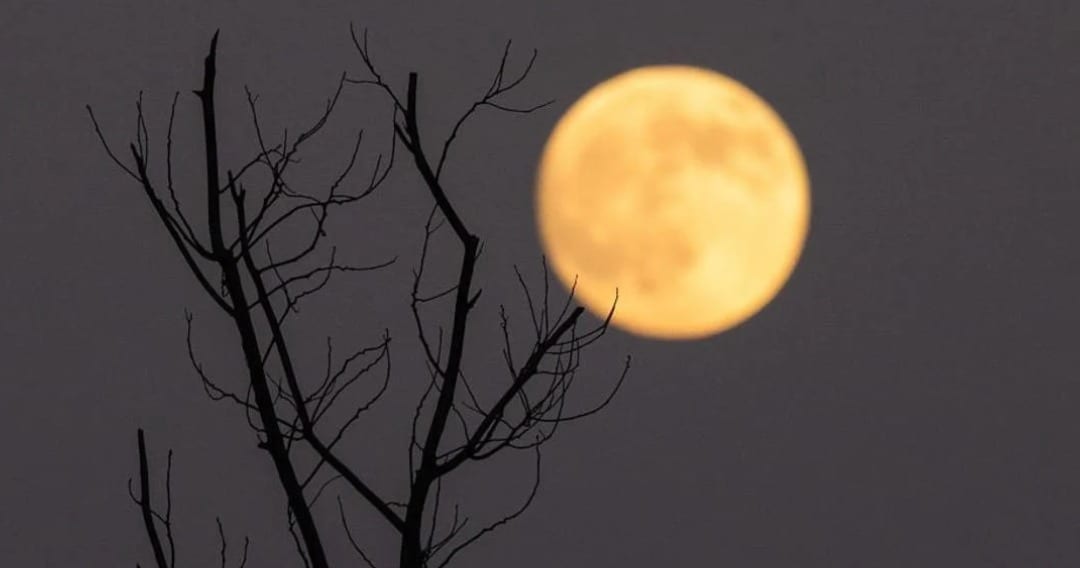
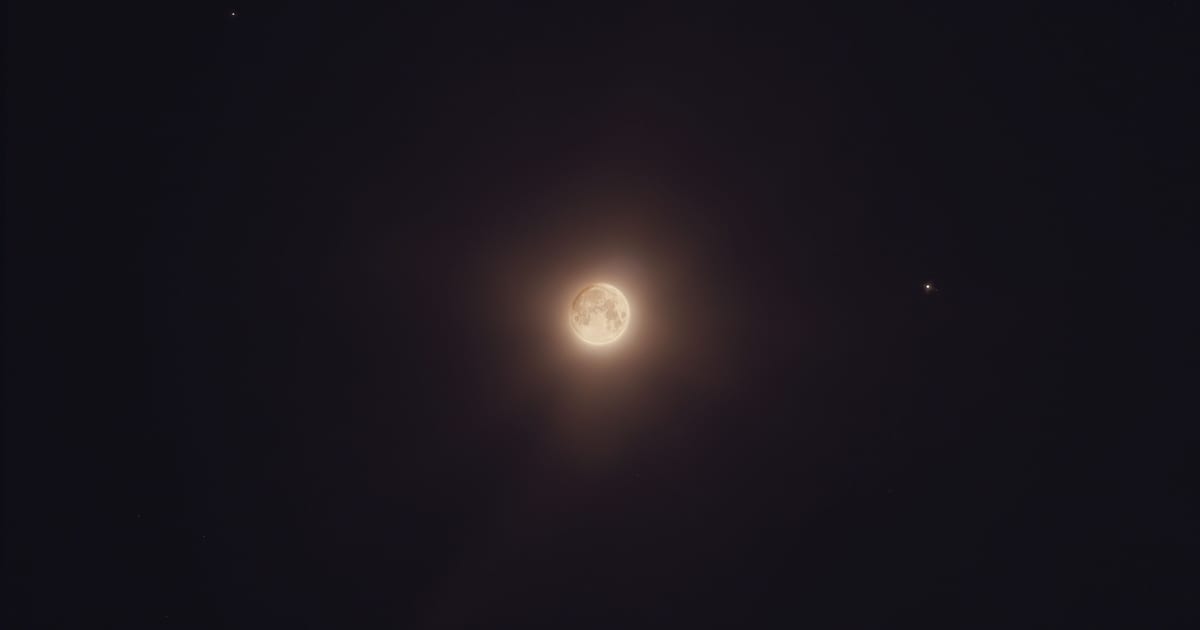
If you're hoping to catch July's full moon this year, mark July 29 on your calendar and look toward the eastern sky after sunset for the best view on that day. The Moon will reach its highest illumination at 10:36 AM Eastern Daylight Time (EDT), and it will be bright enough to see clearly with the naked eye. For a closer look at the lunar disk and the Moon's cratered surface, grab a telescope or a pair of binoculars.
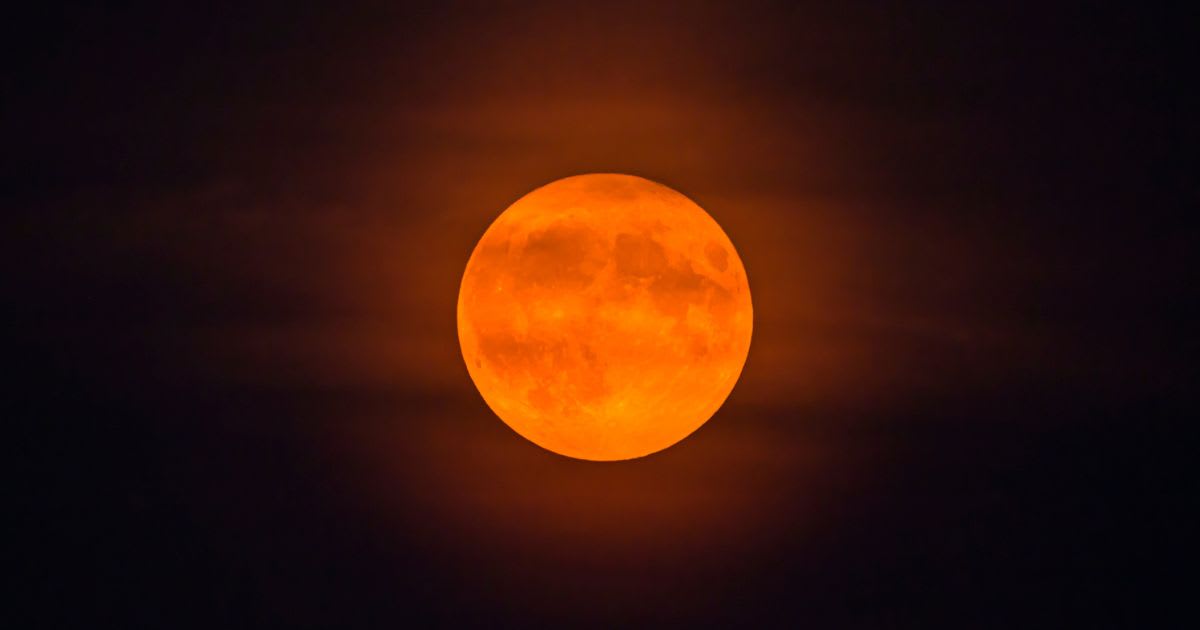
Why do people call July's full moon the Buck Moon?
The Buck Moon gets its name from the yearly life cycle of bucks, or male deer. While they shed their old antlers in late winter or early spring, their newly growing sets of horns are typically large enough to spot by July. Observing this cycle seasonally, the Algonquin people, who lived across what is now the northeastern United States, gave July's full moon its now-famous nickname.
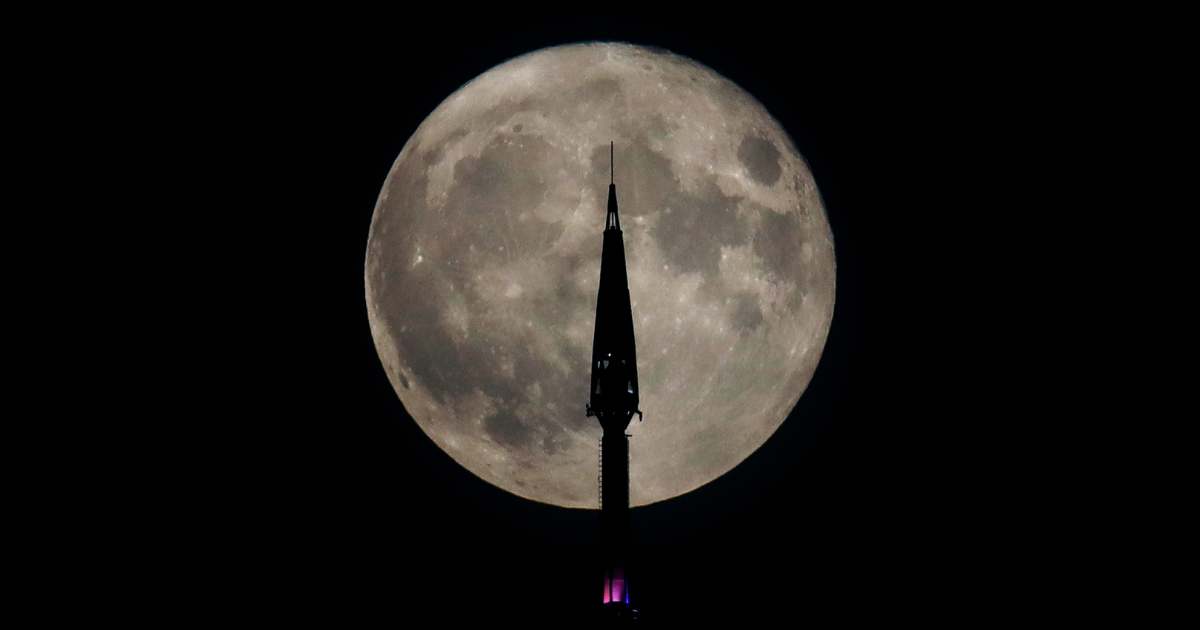
But that's not all. The Buck Moon isn't the only name July's full moon has picked up over the years, and different cultures have given it their own names based on their versions of seasons. Some Native American groups, for instance, called it the Thunder Moon because summer storms are common this time of year. Others, meanwhile, referred to it as the Salmon Moon, marking the time salmon made their way upstream, ready to be harvested in the Pacific Northwest. In European traditions, July's full moon is known as the Hay Moon as it coincided with the haymaking season.
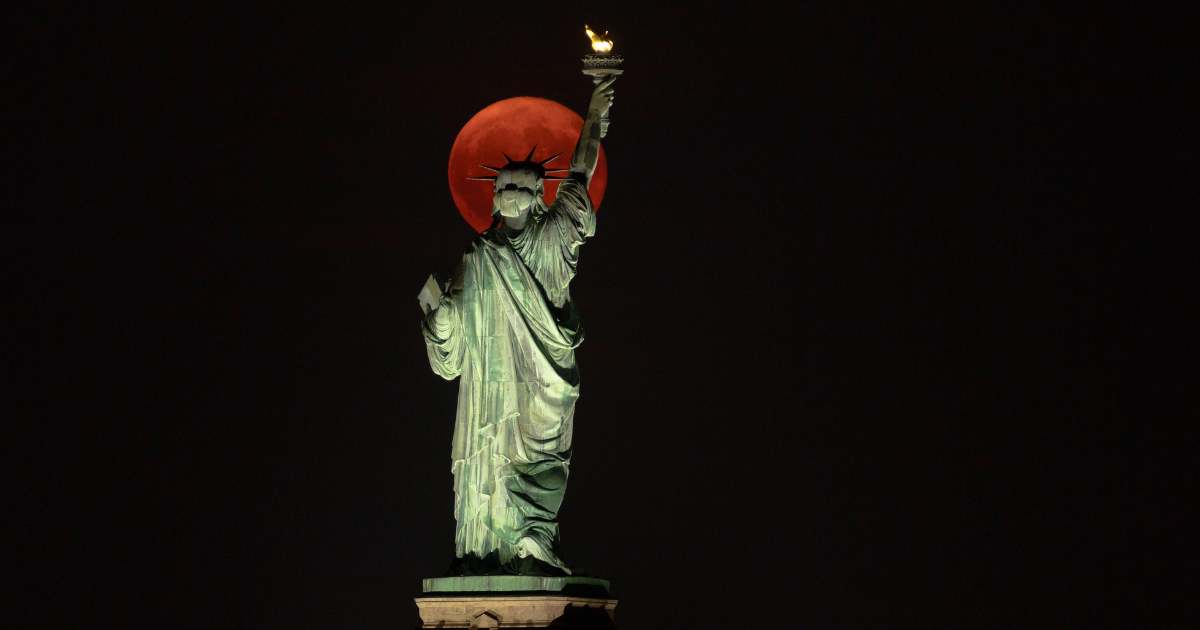
This month's full moon is also known by many other names, including the Berry Moon in the Anishinaabe culture, the Moon When the Chokecherries Are Ripe in the Dakota peoples' culture, the Month of the Ripe Corn Moon in Cherokee culture, and the Raspberry Moon in Algonquin and Ojibwe culture, to name a few well-known ones. In addition to the many names it is known by, July's full moon also holds spiritual significance for many people around the world. For South Asian cultures, the July full moon coincides with Guru Purnima, a day when Hindus and Buddhists honor their spiritual teachers, as well as Asalha Puja, observed by Theravada Buddhists to commemorate the moment Buddha delivered his first sermon in Sarnath, India.
More on Starlust:
Perseid meteor shower to dazzle skywatchers in July and August — When, where and how to see it
Manhattanhenge 2026: All about spectacular solar event visible from New York City in July