NASA's TESS telescope found a planet 40,000 light-years away and it wasn't even looking for it
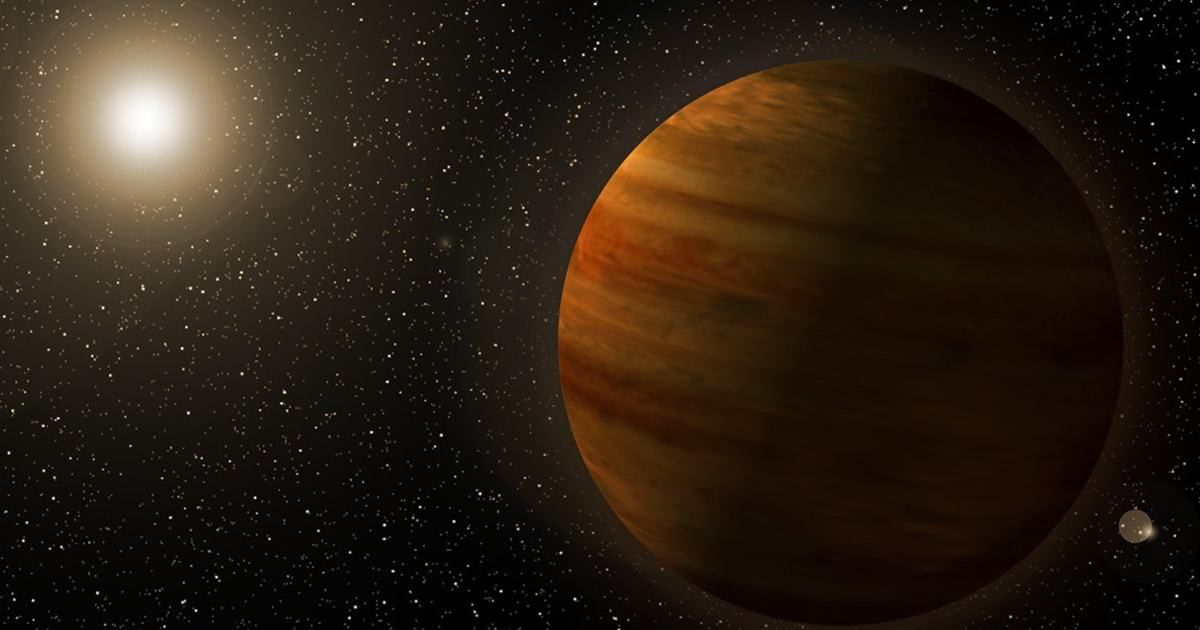
NASA's TESS mission has found a planet through gravitational microlensing for the very first time, a detection method it wasn't built for. The planet, a super-Jupiter called Gaia23bra b, sits nearly 40,000 light-years away from Earth, far beyond TESS's usual range of around 150 light-years. With this discovery, researchers now believe that its archives may be hiding more planets like it, simply because nobody thought to look for them this way before. "When TESS launched, no one expected it to ever be capable of finding this kind of planet," said Diana Dragomir, a professor at the University of New Mexico in Albuquerque and co-author of the study, in an official statement. “The discovery implies that there are probably other so-called microlensing planets hiding in TESS’s data that we hadn’t previously thought to look for.”
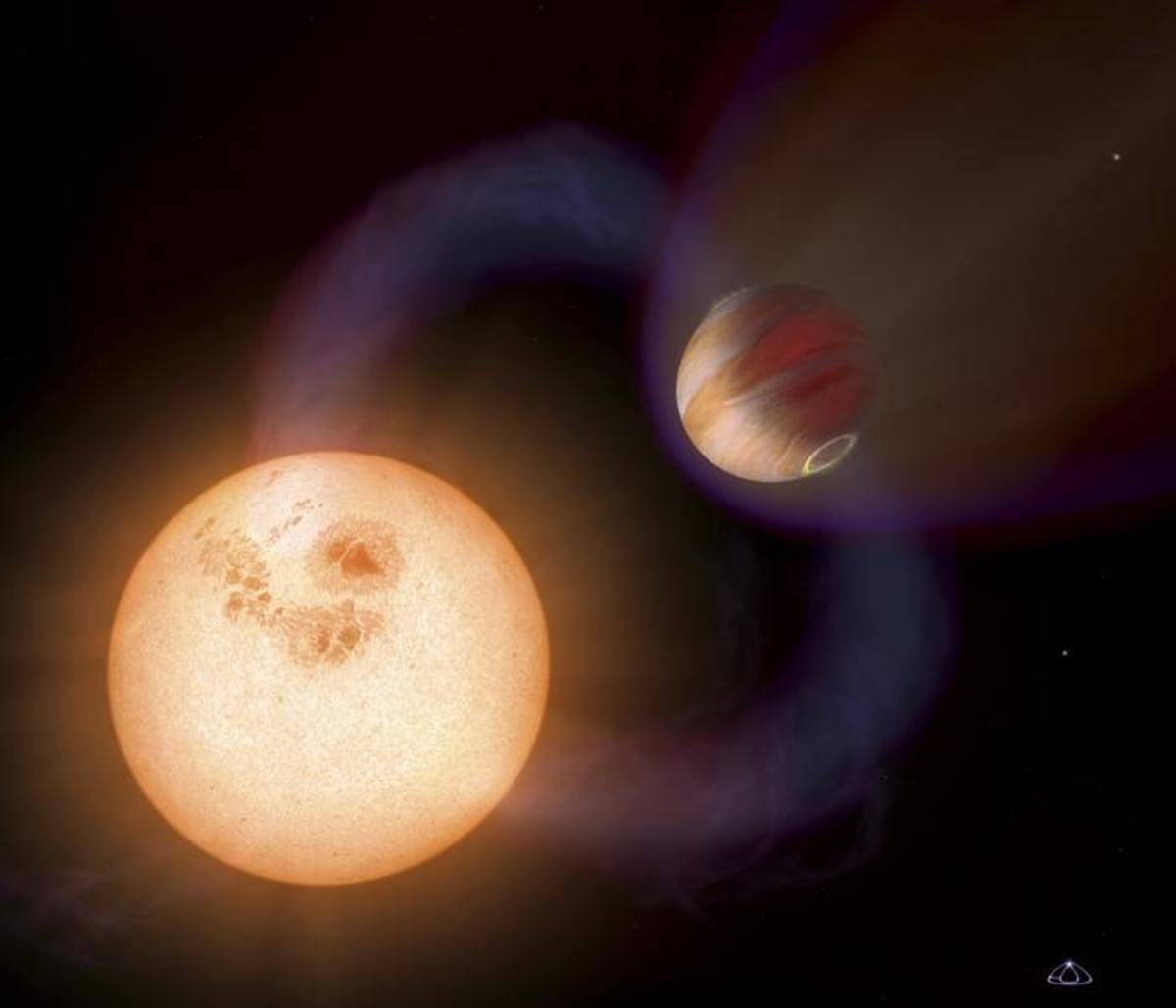
How did TESS find a planet so far away from Earth?
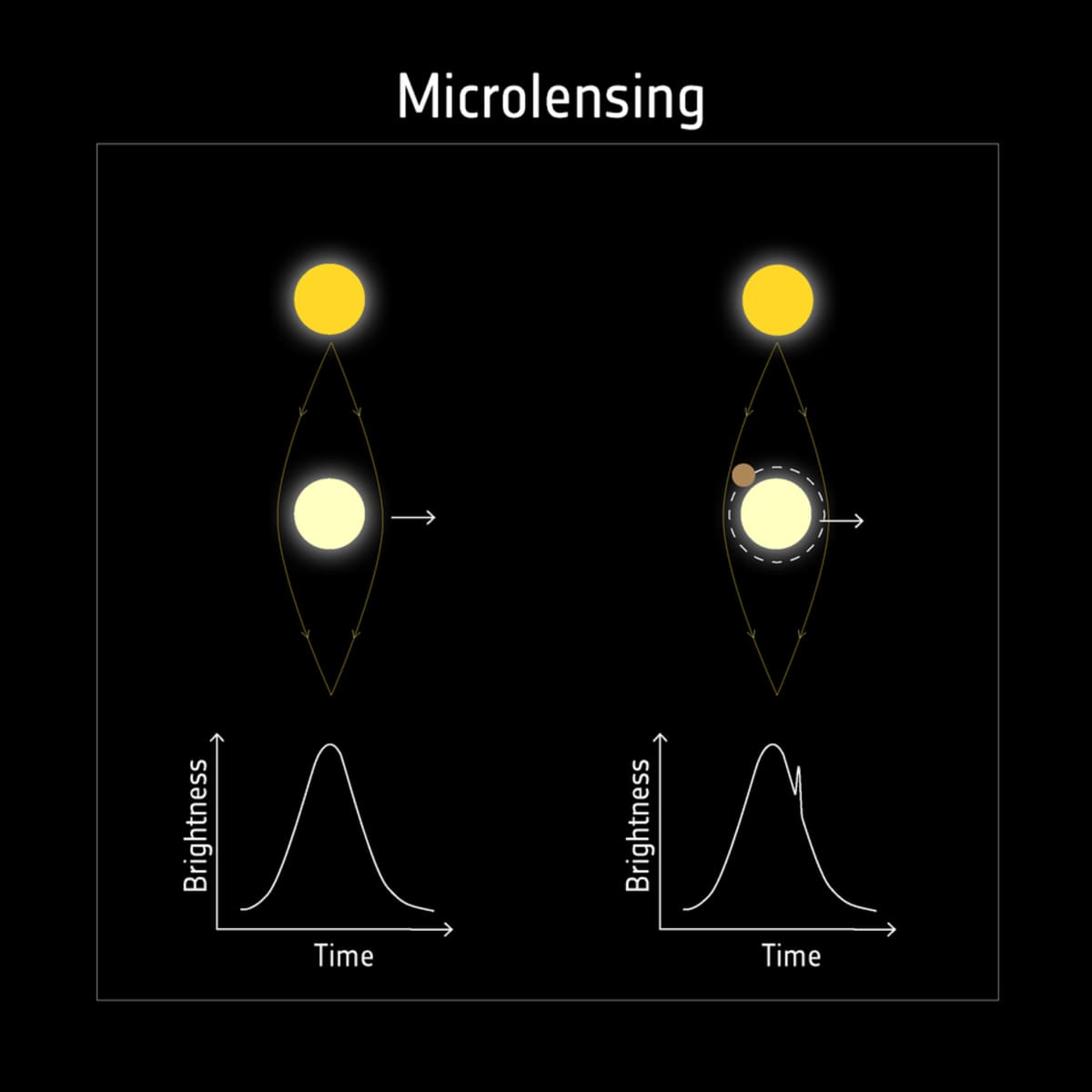
TESS, short for the Transiting Exoplanet Survey Satellite, usually spots planets by watching a star's brightness dip slightly as an orbiting planet crosses in front of it. But it found Gaia23bra b through gravitational microlensing, which is a phenomenon where the gravity of one star bends and magnifies the light of a more distant star behind it. Planets orbiting the foreground star may also have the same effect. Gaia23bra b is a super-Jupiter, weighing about 1.6 times as much as Jupiter, and it orbits an orange dwarf star roughly 80 percent the mass of our Sun.
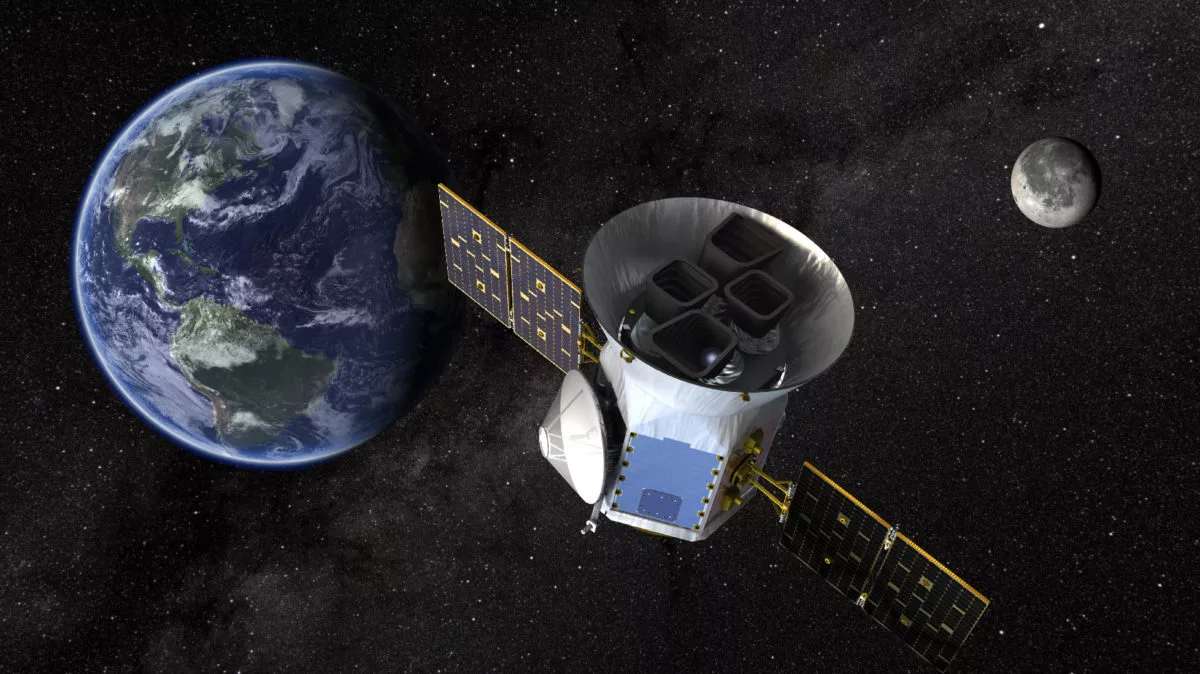
The planet's existence was first hinted at back in 2023, when Europe's now-retired Gaia telescope spotted a star that had brightened. But Gaia's own data was too sparse to confirm what caused it, so scientists later checked what TESS's archive held. "The TESS spacecraft happened to be monitoring the same area of the sky during the event, and its denser time coverage showed extra features in the light curve caused by a planet," said Mallory Harris, the Ph.D. candidate at the University of New Mexico who led the study. That cross-check confirmed the planet, and the findings were published on July 1 in The Astrophysical Journal Letters.
So far, we have found roughly three-quarters of the more than 6,000 confirmed exoplanets with the help of the transit method (used by TESS). Microlensing, on the other hand, is responsible for less than 5% of discoveries. The reason is that the transit method is best at finding big planets that are close to their stars, and microlensing tends to catch smaller, farther-out planets instead. Explaining the difference between the two, Dragomir added, "Transits and microlensing are complementary because they each reveal a category of planet the other may not be able to detect. And they offer different details. Transits give us the size of a planet, and in concert with other methods we can determine its mass and density. Microlensing gives us masses and orbital distances for planets we'd otherwise never see." The tradeoff is that microlensing events never repeat. As Harris put it: "Microlensing events happen once and they're gone—they don't repeat. I like to joke that we'll probably find the first Earth analog with microlensing, and then wave at it as it goes by because we'll never see it again."
Why is this a big deal?
NASA is preparing to launch its Roman Space Telescope on August 30, 2026. It will use microlensing as one of its core tools to find roughly 1,000 planets this way by staring into the crowded center of the Milky Way. What the researchers were able to find with TESS via this method is just a preview of what the Roman Space Telescope will be able to do. Michael Fausnaugh, a professor at Texas Tech University and study co-author, said, "The key to Roman's microlensing survey is its dense time coverage targeting the galactic bulge. The TESS mission uniquely provides these rapid observations for stars in other parts of the galaxy, and pairing the two opens up prospects for understanding planet formation in a diverse population of stars."
More on Starlust
Rubin Observatory begins 10-year survey to create the 'greatest cosmic movie ever'
Scientists witness a black hole's point of no return for the first time ever