Will Earth survive the Sun’s death? Here’s what a new study found
Many scientists believe that when the Sun nears the end of its life in about 5 billion years, it will take Earth down with it by swallowing the planet whole. But now, a new study from researchers at KU Leuven and CEA Paris-Saclay offers a different perspective. Using updated models of stellar evolution and tidal forces, the team found that Earth's destruction isn't the sure thing it was once thought to be. The study findings have now been published in the journal Astronomy & Astrophysics.
So what did the study actually find?
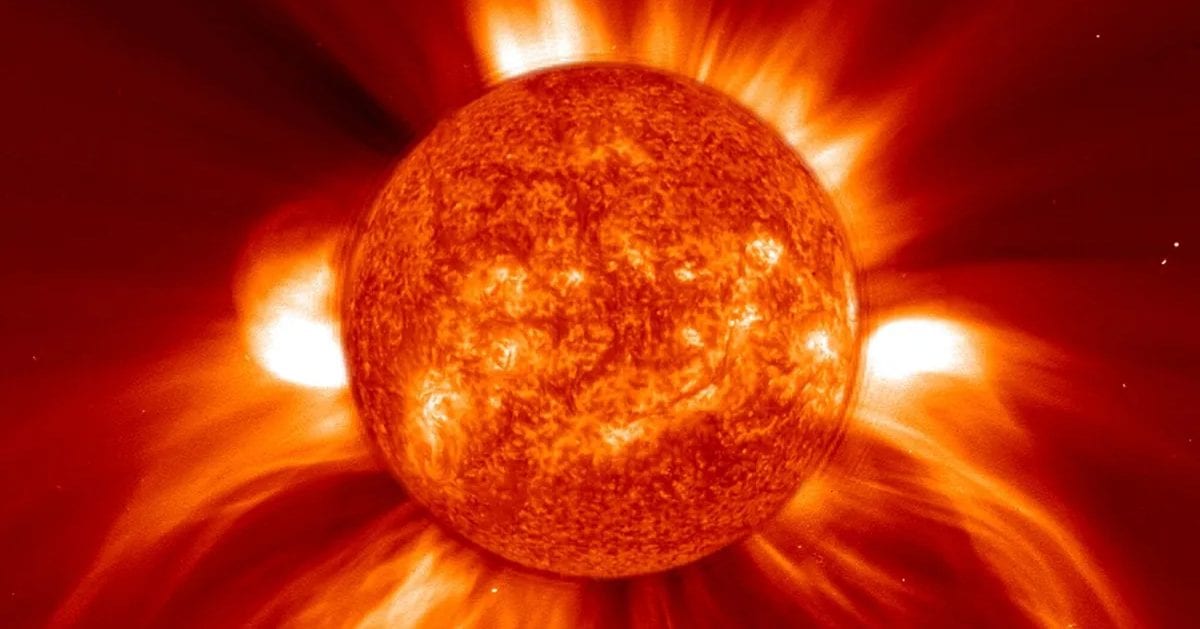
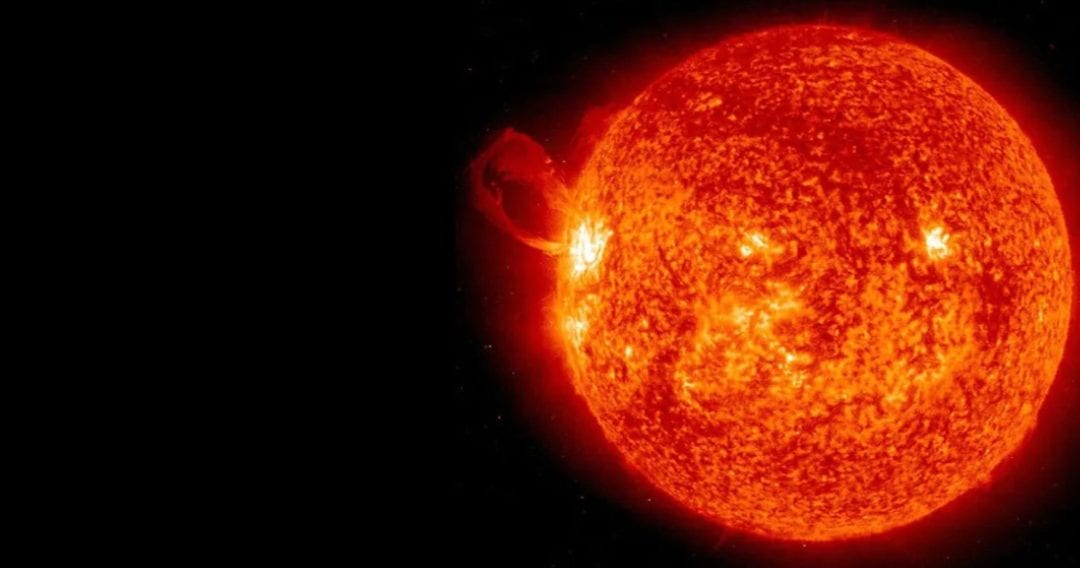
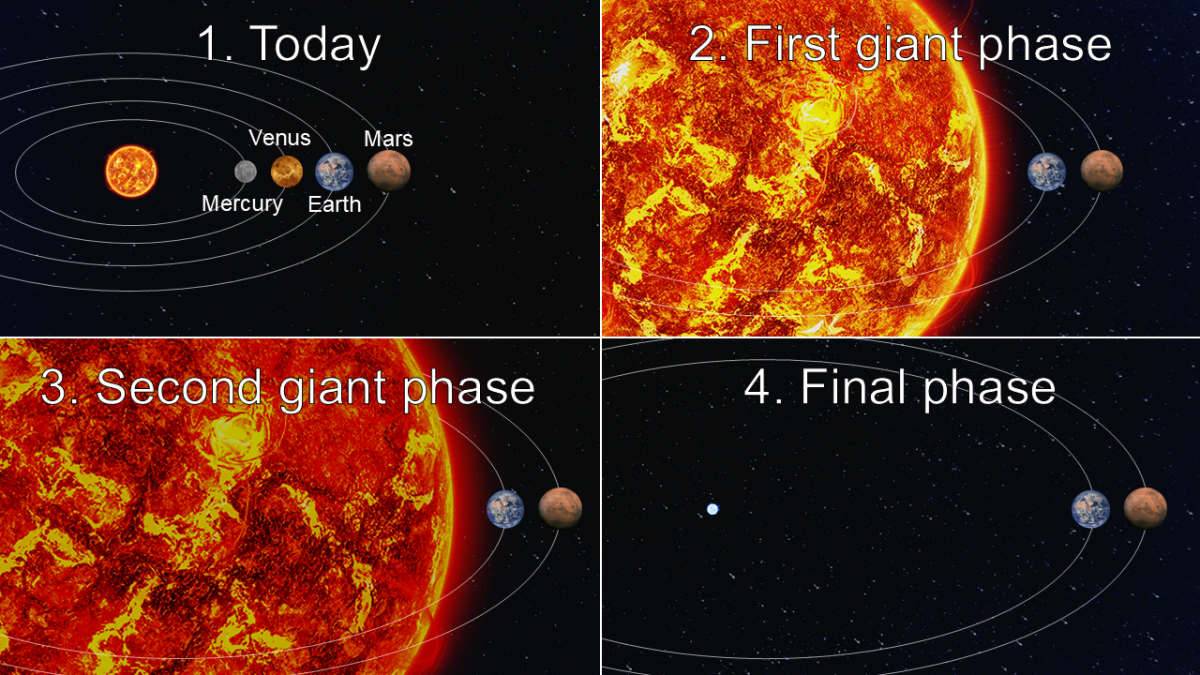
When our Sun dies, it will swell into a red giant. This means that it will expand to hundreds of times its current size. The growth will strengthen the gravitational pull and tug Earth inward. That being said, the Sun will also blast off a huge share of its own mass as stellar wind, and a lighter Sun has a weaker grip, so Earth's orbit should gradually creep outward instead. Whichever force wins will decide whether Earth gets pulled in or is sent drifting to safety. "The fate of Earth depends on a delicate balance between these two effects," said lead author Mats Esseldeurs, a researcher at the Institute of Astronomy of KU Leuven, in a statement. "If tidal interactions dominate, Earth is engulfed. If mass loss dominates, Earth escapes to a wider orbit."
Previous studies used simplified descriptions of how tidal forces behave inside a red giant, and those pointed toward Earth's doom. But in this new study, researchers used advanced calculations of tidal dissipation based on the internal structure and dynamics of evolved stars. Based on these updated calculations, they found that tidal pull is considerably weaker than anyone had assumed. This correction means that Earth remains farther away from the Sun during both of its giant phases. But the same can’t be said about other planets, such as Mercury and Venus, that sit closer to the Sun.
Is Earth's survival a sure thing?
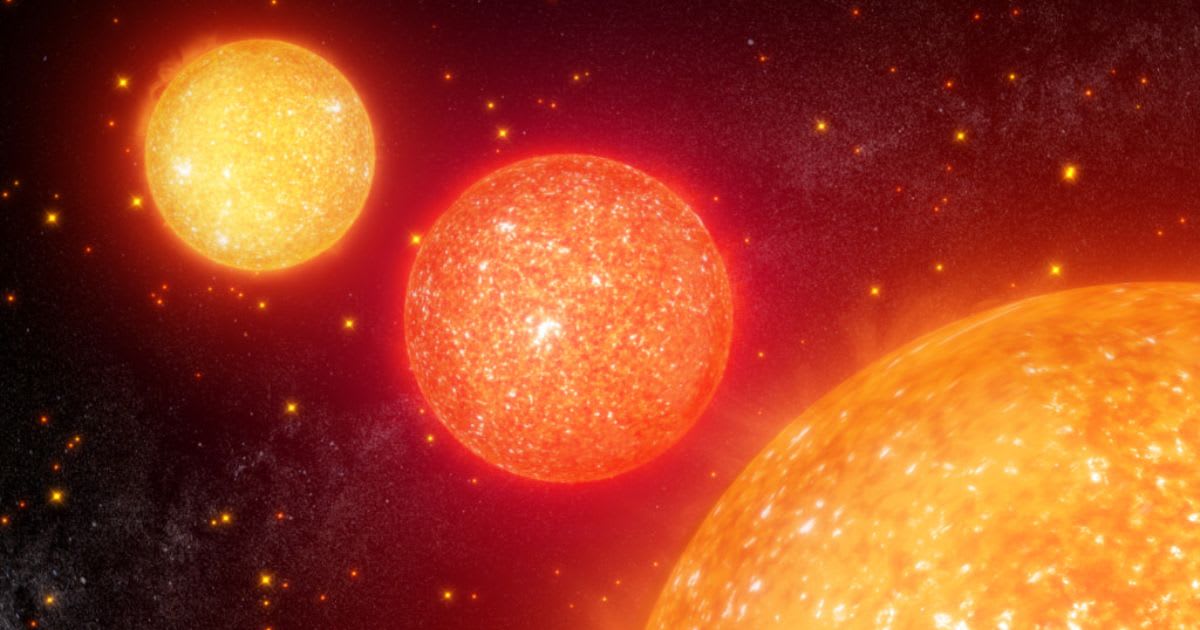
Not quite. Researchers found the final outcome depends on exactly how fast the Sun sheds mass during the last giant phase. To get a real-world comparison, the team studied L2 Puppis, a nearby aging star often seen as a window into the Sun's future. Based on that star's behavior, Earth should drift outward just enough to survive. Esseldeurs said, "The largest uncertainty no longer comes from the tidal calculations, but from how much mass the future Sun will lose. Observations of Sun-like giant stars currently point towards Earth's survival, but we need better observations before we can be certain."
A recent study found that a Jupiter-sized exoplanet survived the death of its host star. And while, as of now, it seems like there's a good chance that Earth may survive the Sun's demise as well, life on Earth will become impossible long before the Sun reaches its giant phases.
More on Starlust
What would really happen if an asteroid hit Earth today—and is NASA ready?