When to see the Buck Moon 2026? Check peak time, moonrise and best viewing times by city
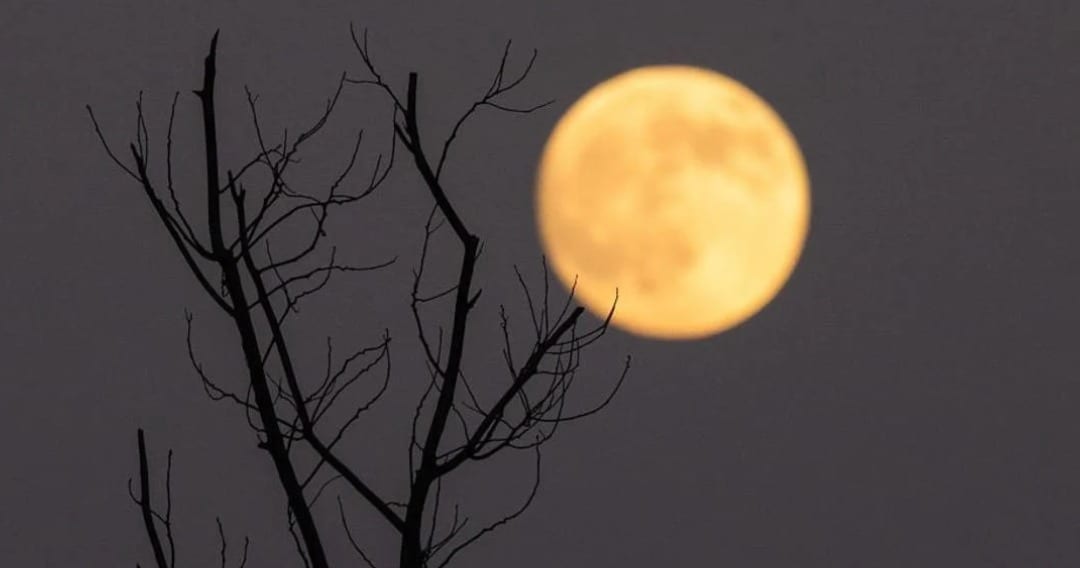
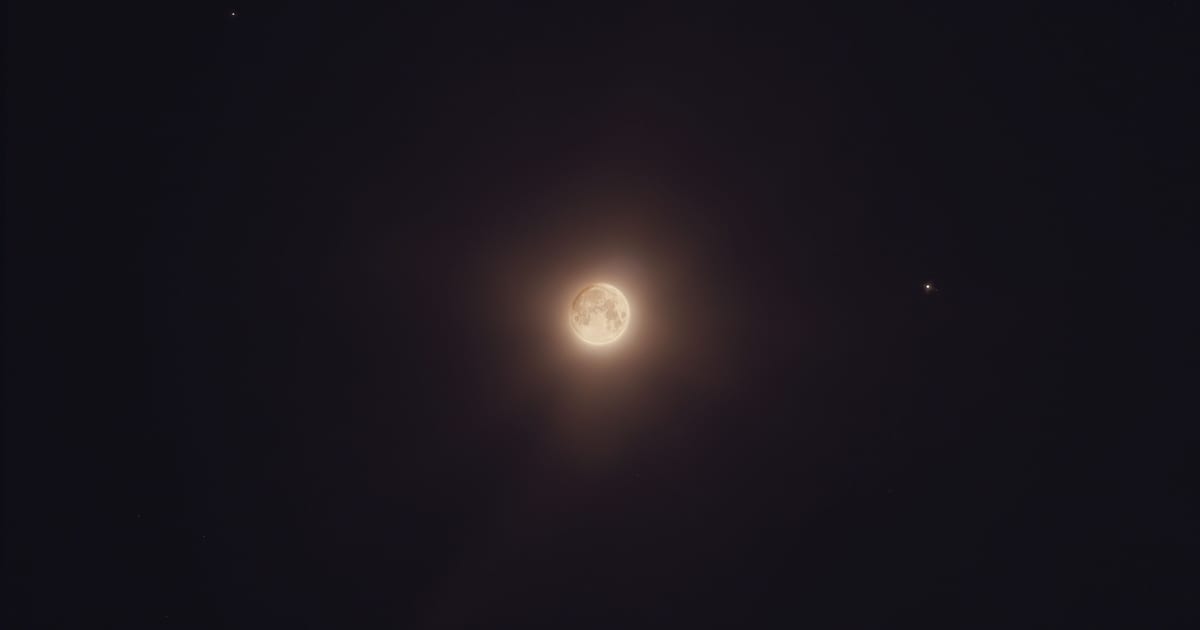
This year, July’s Full moon, also known as the Buck Moon, will reach its peak illumination on July 29, 2026, at 10:36 a.m. EDT (14:36 UTC). At that exact moment, the Moon and the Sun will sit on opposite sides of Earth. To the naked eye, the lunar disk will appear completely full for about three days around this point of syzygy, meaning anyone looking up on July 28, 29, or 30 will be treated to a spectacular view. Here’s a detailed look at how you can catch a glimpse of this month’s Full Moon from your location.
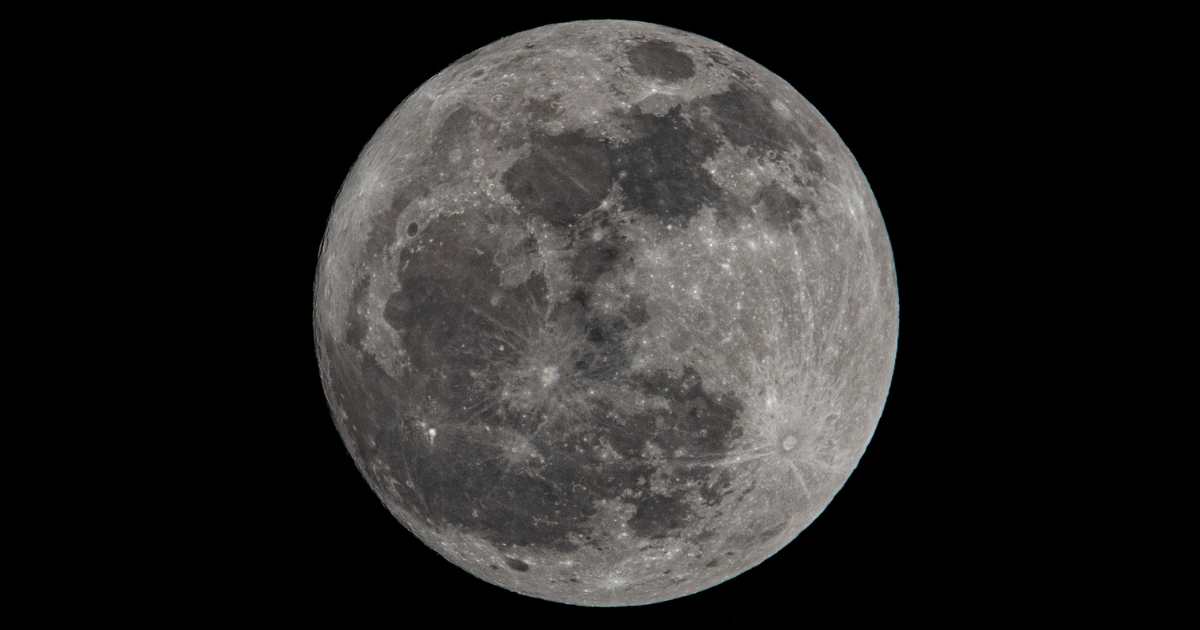
When to watch the Buck Moon 2026 at its peak brightness?
The July Full Moon will reach its peak brightness at one single moment worldwide, but when you'll actually view it depends on your local time zone. Here’s what this means:
Buck Moon 2026 Peak Time for North America
1. New York (ET): 10:36 a.m. on July 29
2. Chicago (CT): 9:36 a.m. on July 29
3. Los Angeles (PT): 7:36 a.m. on July 29
Buck Moon 2026 Peak Time for South America
1. Brazil (BRT): 11:36 a.m. on July 29
Buck Moon 2026 Peak Time for Europe
1. London (BST): 3:36 p.m. on July 29
2. Paris/Central Europe (CEST): 4:36 p.m. on July 29
Buck Moon 2026 Peak Time for Asia
1. India (IST): 8:06 p.m. on July 29
2. China (CST): 10:36 p.m. on July 29
3. Japan (JST): 11:36 p.m. on July 29
Buck Moon 2026 Peak Time for Oceania
1. Australia (AEST): 12:36 a.m. on July 30
2. New Zealand (NZST): 2:36 a.m. on July 30
What are the best times to see the Buck Moon 2026?
Because the exact peak happens during daylight hours across the U.S., American skywatchers have two excellent evening options. The evening of July 29 is technically the closest you will get to the absolute peak (roughly 9 to 10 hours after maximum illumination), with the Moon rising just after the Sun sets. Alternatively, if you head out on the evening before (July 28), the Moon will rise just before sunset and will also look virtually 100% full. Listed below are some of the best times to catch the Buck Moon across some of the world's major cities:
1. New York: 8:03 p.m. on July 28
2. Los Angeles: 7:45 p.m. on July 28
3. Chicago: 8:02 p.m. on July 28
4. London: 9:07 p.m. on July 29
5. Paris: 9:46 p.m. on July 29
6. Beijing: 7:33 p.m. on July 29
7. Tokyo: 6:46 p.m. on July 29
8. Sydney: 4:46 p.m. on July 29
Skywatchers should note that while a Full Moon is a breathtaking sight to behold with the naked eye, binoculars and telescopes should be avoided. It is intuitive to think that the Moon's features would best stand out during a Full Moon, but that is not the case. Because the Sun shines directly on the Moon's face from our perspective, the lunar surface is brightly lit during a Full Moon, leaving no shadows to provide depth to features such as mountains and craters. Instead, simply step outside and enjoy the brilliant glow of the Buck Moon on a summer night.
More on Starlust:
Manhattanhenge 2026: All about spectacular solar event visible from New York City in July
Perseid meteor shower to dazzle skywatchers in July and August — When, where and how to see it