'Found you!': Astronomers find the faintest planet ever photographed after 11 years of hide and seek
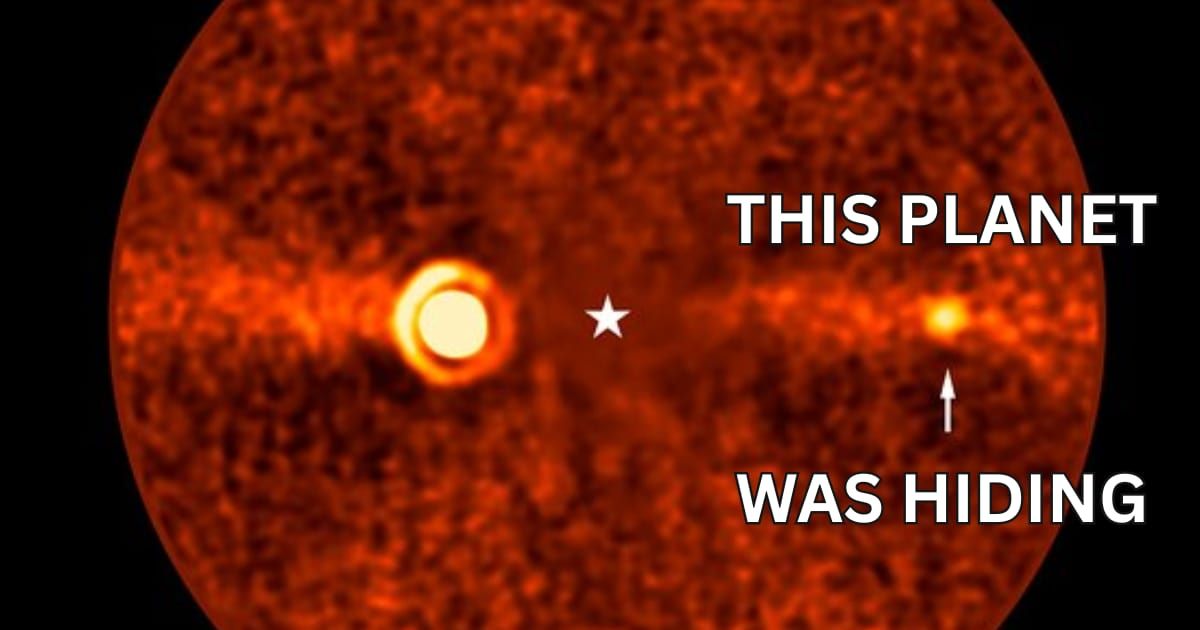
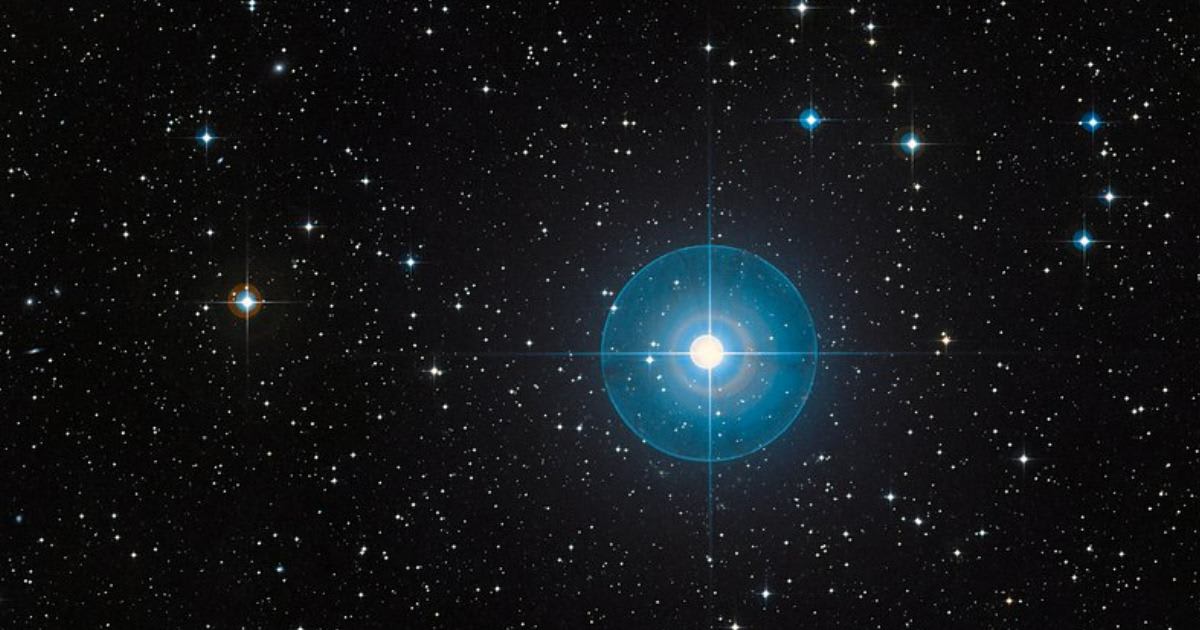
Astronomers have confirmed a third planet orbiting the star Beta Pictoris, called Beta Pictoris d. It's one of the lightest exoplanets ever directly imaged from the ground. The planet had been hiding in archival observations for more than a decade before researchers realized it was there. It's also about 100 times fainter than Beta Pictoris b, which was the first planet discovered in the same star system. The study has now been published in The Astrophysical Journal Letters.
The other two planets in the same system, Beta Pictoris b and c, each have a mass around 10 times that of Jupiter. But this newly identified planet has just 2.4 times Jupiter's mass, making it one of the lightest planets ever directly imaged from the ground. It’s also much colder and very dim. Markus Bonse, an ESO astronomer and the study's other co-lead, explained, "The new planet is 100 times fainter than Beta Pictoris b, the famous planet in the same system, making it the faintest exoplanet ever imaged directly from Earth."
The team wasn't even looking for a new planet
Ben Sutlieff, an astronomer at the University of Edinburgh and co-lead of the study, said finding this planet was not the original plan. "We initially wanted to look more at a known planet in the system, Beta Pictoris b, to see how it changed over time," he explained. While reviewing images captured with the European Southern Observatory's Very Large Telescope (VLT), the researchers spotted something unusual. Markus Bonse recalls saying, "There's something else there, did you see it?"
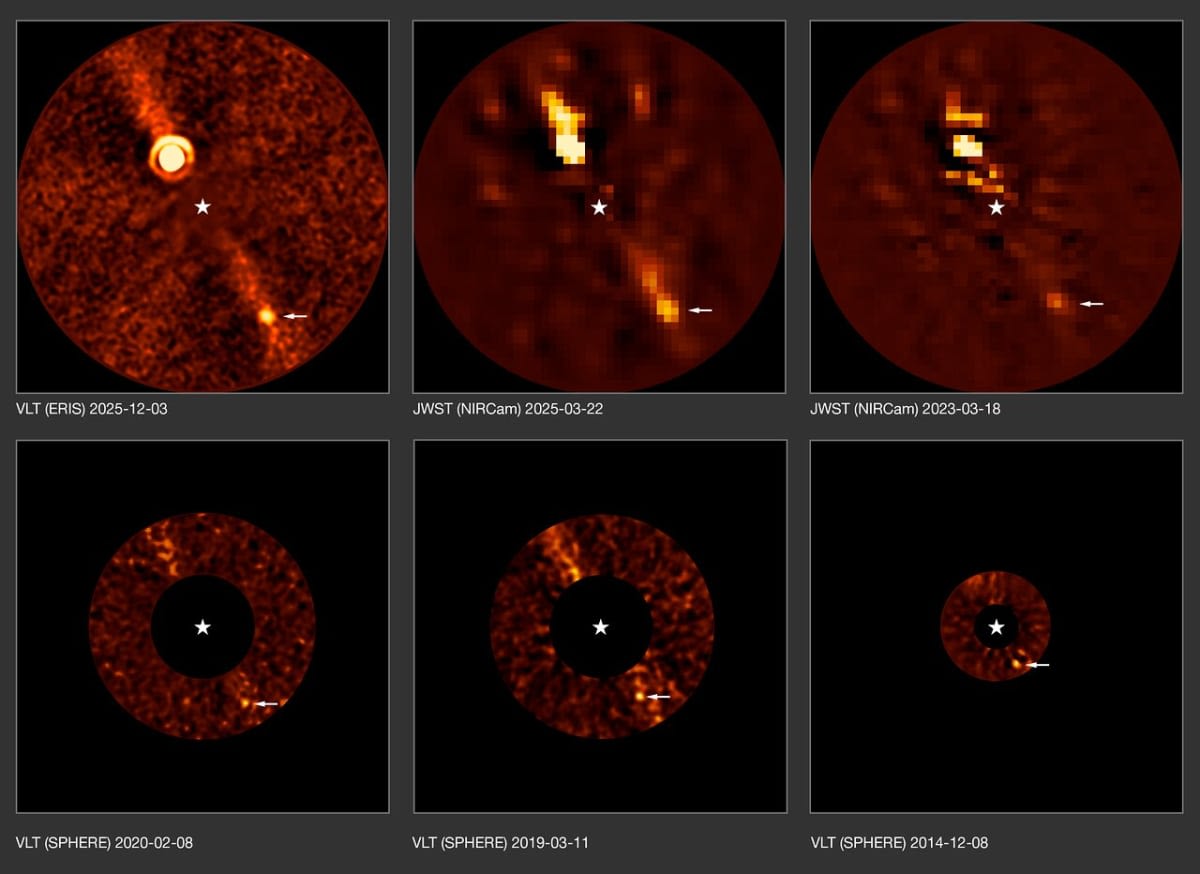
To make sure the discovery wasn't a fluke, the team searched through the European Southern Observatory's archive of past observations and found the planet in multiple images going back as far as 11 years. One of those images even showed Beta Pictoris d nearly disappearing into the glare of its larger neighbor, Beta Pictoris b, as the two aligned from Earth's perspective. As Jayne Birkby, an astronomer at the University of Oxford and co-author of the study, put it, "Planet d, it seems, has been playing a game of hide-and-seek with us for over a decade, and only now can we say 'found you.'"
A second team also found it independently
Ben Sutlieff and his team weren’t the only ones to find this planet. An independent team led by Aidan Gibbs at the University of California, San Diego, confirmed the same planet using NASA's James Webb Space Telescope, and their results have also been simultaneously published in The Astrophysical Journal Letters. Meanwhile, finding the planet in the VLT archives proved just as exciting for the ground-based team. Birkby said, "To our joy, out it popped in previous SPHERE observations," referring to another VLT instrument. Valentin Christiaens, a researcher at CEA Paris-Saclay in France and co-author of the study, said: "The detections in the archival SPHERE data are not only very exciting on their own, but also because they suggest a number of treasures are still hidden in the archives of VLT instruments."
What’s ahead?
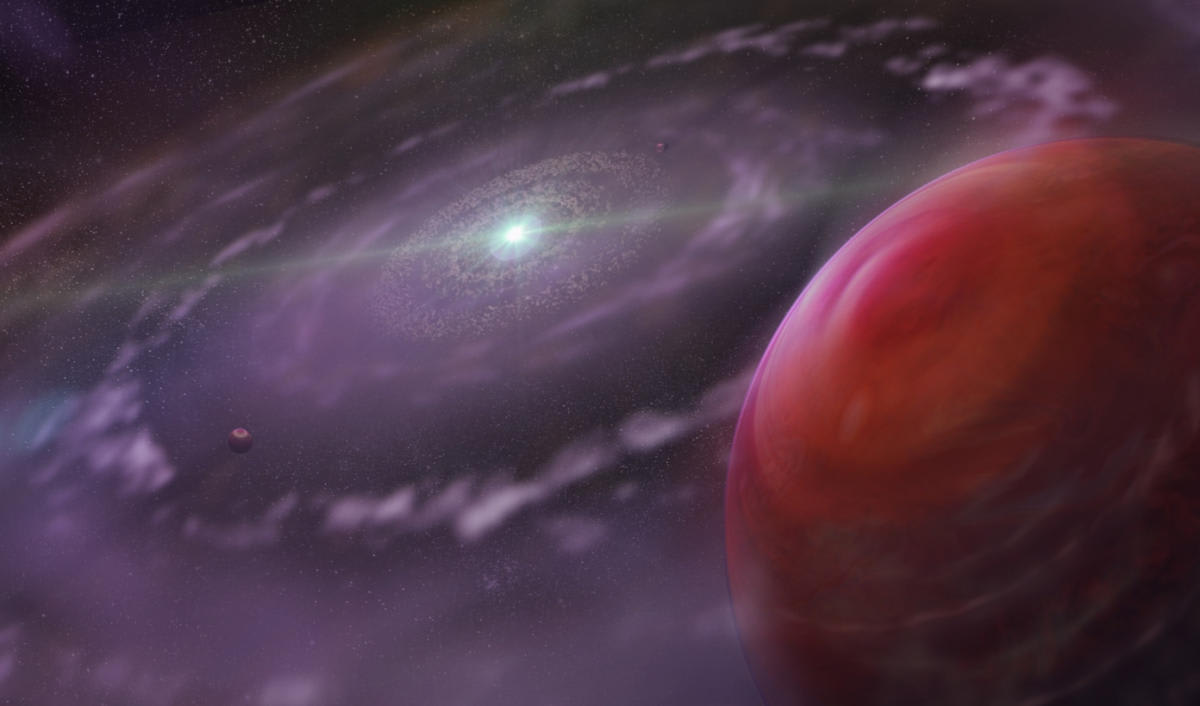
Beta Pictoris is now the second known system, after HR 8799, where more than two planets have been directly photographed. "Systems with multiple directly imaged exoplanets are the 'holy grails' of discoveries, because they can teach us a lot about what different exoplanets are like in the same formation environment," Sutlieff said. Beth Biller, an astronomer at the University of Edinburgh and co-author of the paper, thinks this is only the start. "Planets seem to have friends," she said. She added that many well-known multi-planet systems likely hide additional lower-mass planets that upcoming instruments, like ESO's Extremely Large Telescope, might be able to reveal.
More on Starlust:
NASA’s Roman Space Telescope may finally reveal how the universe's first black holes formed
NASA's Hubble and Webb spot the first of a star cluster's 10,000 missing black holes