✕
Astronomy Constellation Deep Sky Objects Skywatching Instruments Spaceflight Videos
Home / Galleries

20 photos that changed space history forever

Astronomy Sep 12, 2026
BY ANKITA GARKOTI
Image taken by Neil A. Armstrong with his camera during Apollo 11 mission. (Representative Cover Image Source: NASA)
History was made in space, and these unforgettable photos captured the moments that changed how we see our place in the universe.
21 Photos
1 / 21
Humanity’s journey into space
IMAGE SOURCE: NASA

Humanity’s journey into space

About 100 years ago, we had a limited view of the universe. We didn’t know that other worlds existed out there or just how vast the universe truly was. Now, we have walked on the Moon and even explored distant planets and moons with spacecraft. But none of this happened just in a few years. 

Decades of discoveries and breakthroughs have helped us to explore worlds far beyond our own. Here’s a look at the images that captured the moments that changed what humanity could see and achieve in space exploration forever.

2 / 21
The image that changed our view of the universe
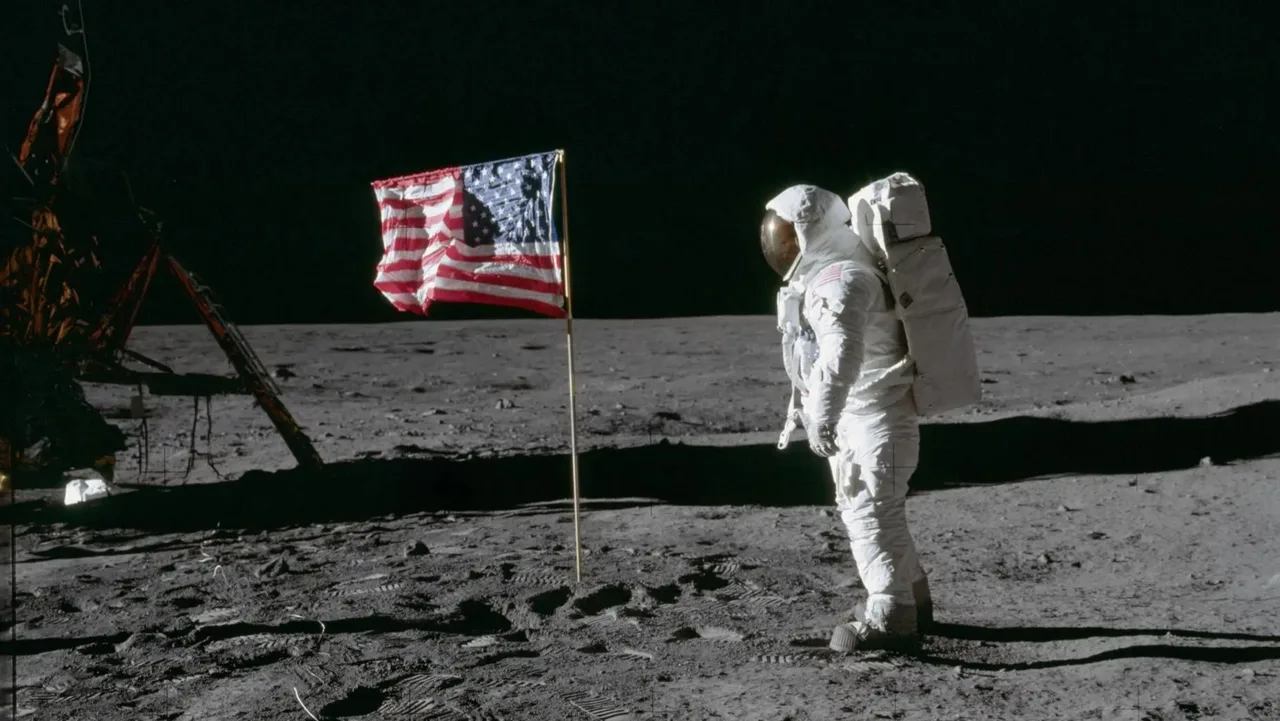
IMAGE SOURCE: NASA, ESA, H. TEPLITZ AND M. RAFELSKI (IPAC/CALTECH), A. KOEKEMOER (STSCI), R. WINDHORST (ARIZONA STATE UNIVERSITY), AND Z. LEVAY (STSCI)

The image that changed our view of the universe

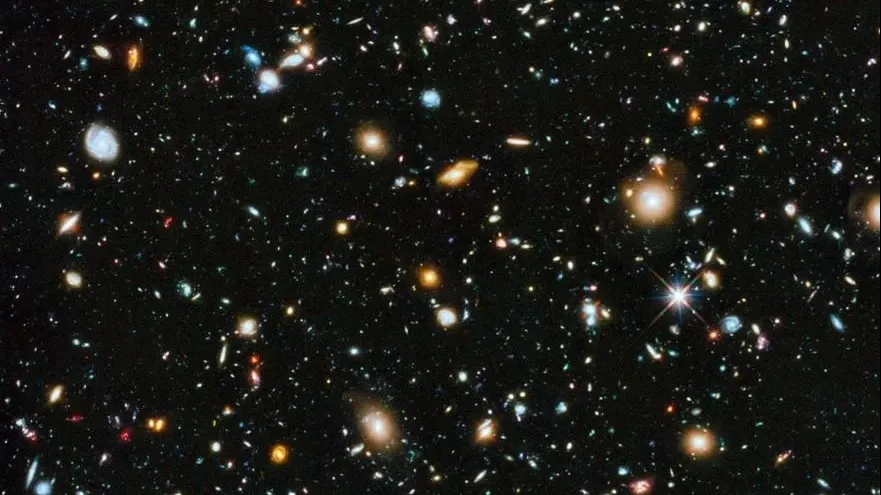
Over 20 years ago, NASA’s Hubble Deep Field telescope captured this image, which shows a staggering 10,000 galaxies. This image includes the galaxies that date back to the universe's "dark ages" just right after the Big Bang. 

This was taken with the help of a newly installed camera, called the Advanced Camera for Surveys (ACS). Over time, the Ultra Deep Field data has helped astronomers understand so much about our universe, including black holes at the center of galaxies.

3 / 21
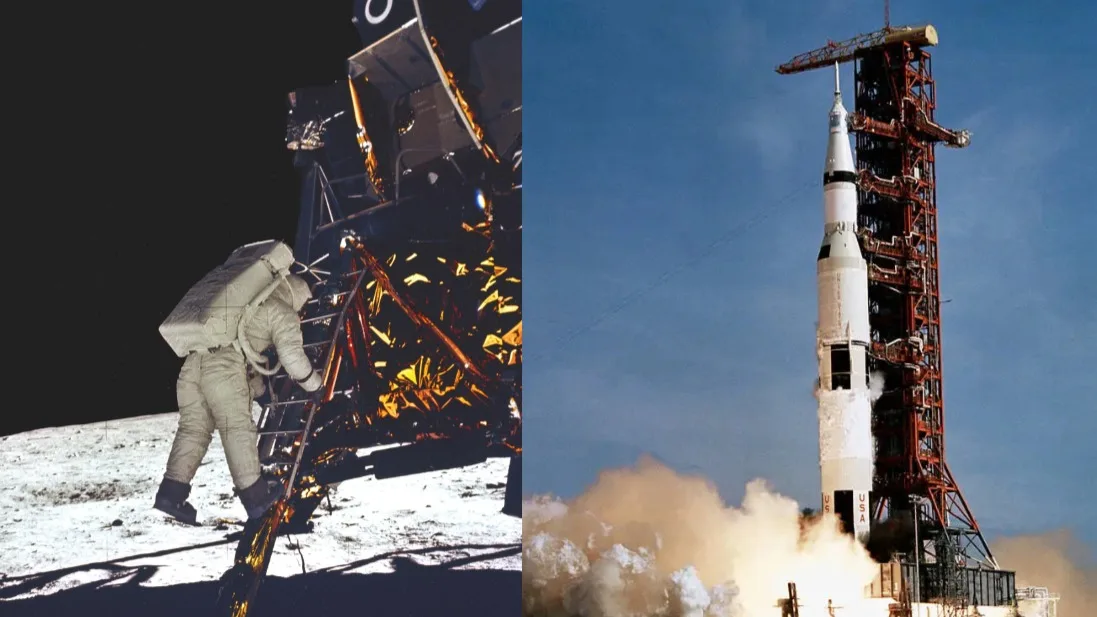
Apollo 11’s one small step, one giant leap
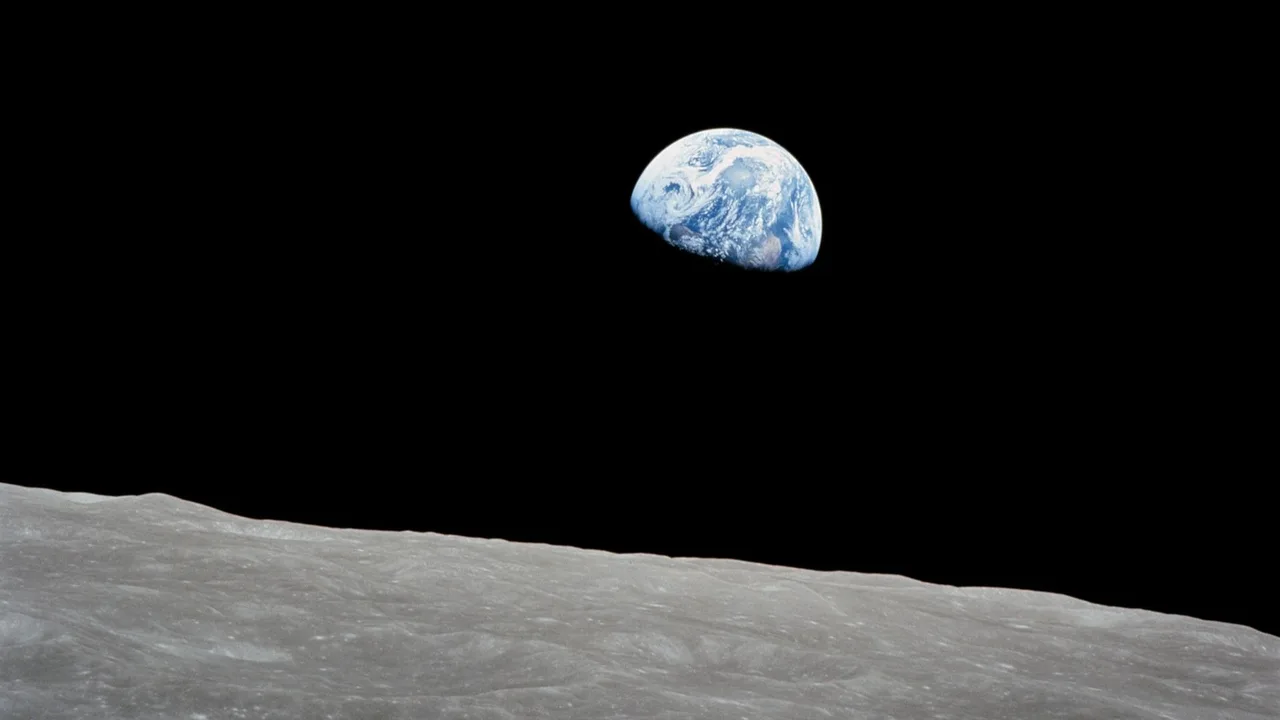
IMAGE SOURCE: NASA

Apollo 11’s one small step, one giant leap

“Houston, Tranquility Base here, the Eagle has landed.” “That’s one small step for [a] man, one giant leap for mankind.” These were the phrases that recalled humanity’s first landing and exploration of the surface of the Moon.

With the Apollo 11 mission, astronaut Neil A. Armstrong became the first man to walk on another world. While they landed, Neil and Edwin E. “Buzz” Aldrin had a camera with them for a while, with which they captured some of the most famous and historic images of the surface.

4 / 21
Apollo 8's 'Earthrise' image
IMAGE SOURCE: NASA

Apollo 8's 'Earthrise' image

Astronauts Frank Borman, Jim Lovell, and Bill Anders became the first humans to circle the Moon in 1968. This image was captured as part of their Apollo 8 mission. Anders, who took the photo, said, “We came all this way to explore the Moon, and the most important thing is that we discovered the Earth.” 

While at that time it was a spontaneous shot out the window, this image later became known as "Earthrise." In 2018, the International Astronomical Union even honored the moment by naming a nearby crater after it.

5 / 21
Hubble’s first glimpse inside the 'Pillars of Creation'
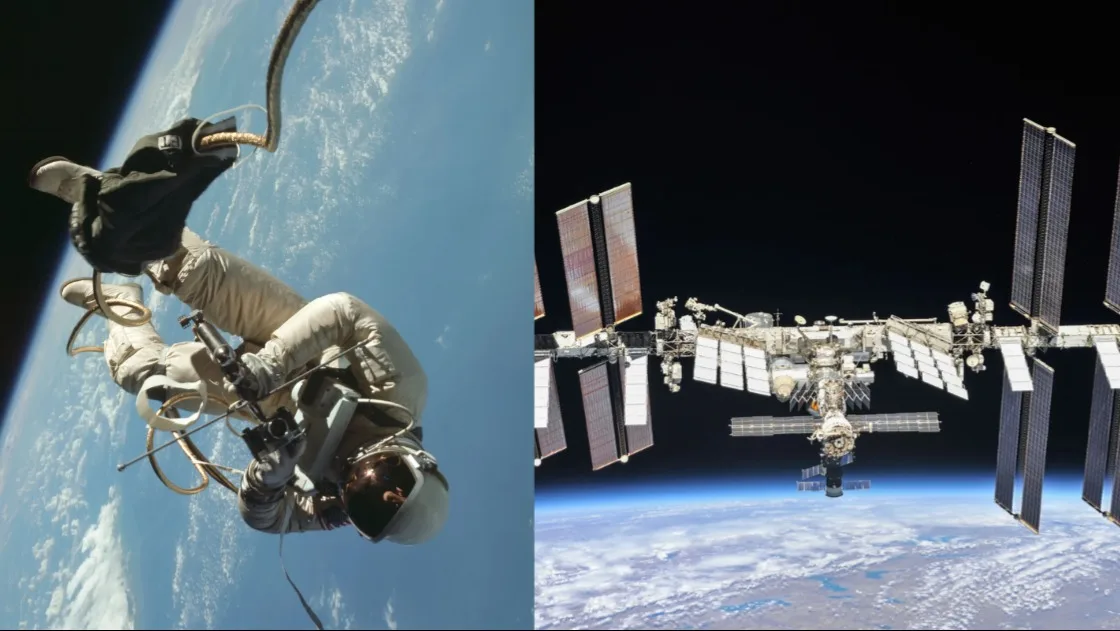
IMAGE SOURCE: NASA/ESA/HUBBLE HERITAGE TEAM (STSCI/AURA)/J. HESTER, P. SCOWEN (ARIZONA STATE U.)

Hubble’s first glimpse inside the 'Pillars of Creation'

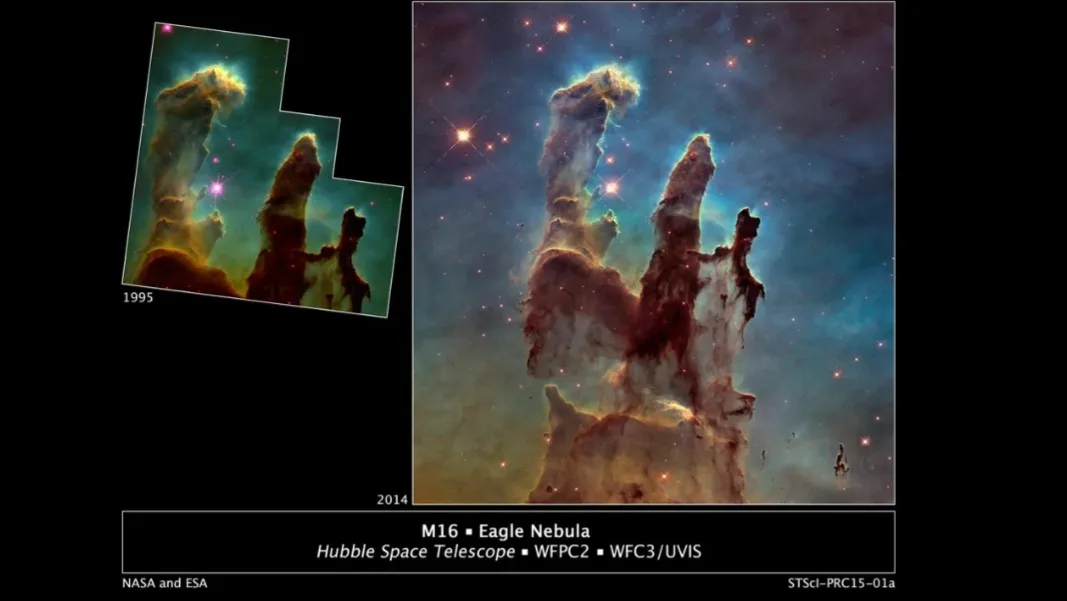
For the very first time, astronomers looked deep inside the heart of the Eagle Nebula and found towering columns of gas hiding proto-stars still being born deep within. But the same young, hot stars lighting up the region are also slowly killing it, as their ultraviolet light evaporates the pillars from the inside out. 

A higher-resolution image released 20 years later confirmed that the pillars were slowly unraveling. And in a few hundred thousand to a few million years, the famous “Pillars of Creation” will be gone entirely. This discovery changed our understanding of how stars are born and die.

6 / 21
The photograph that made spacewalks look possible
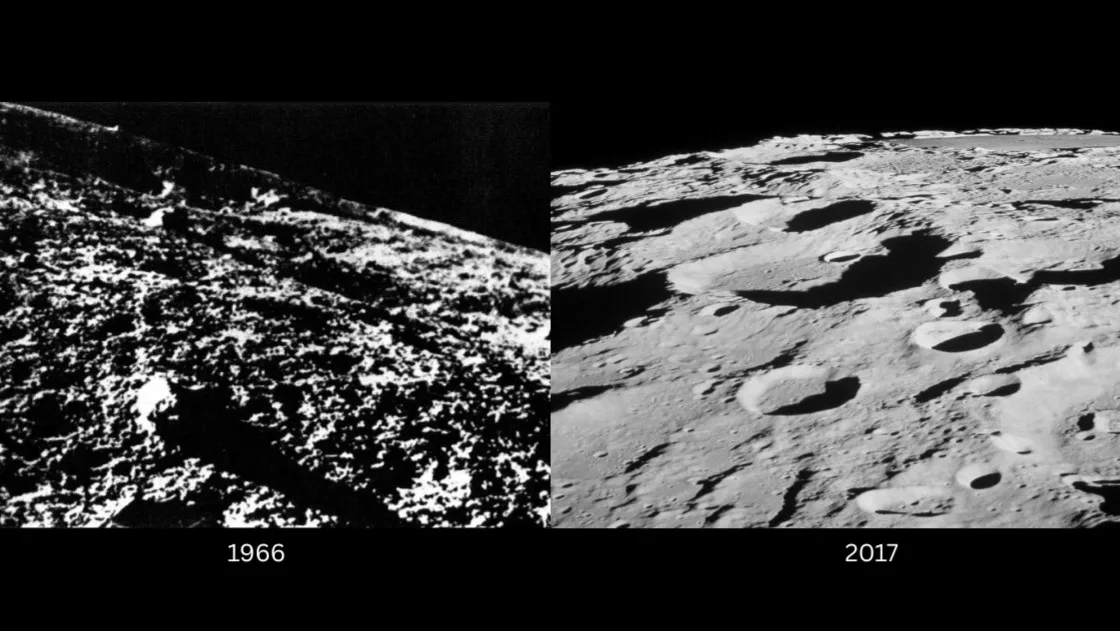
IMAGE SOURCE: NASA

The photograph that made spacewalks look possible

Humans did something that looked straight out of science fiction in 1965. They stepped outside a spacecraft and made the spacewalk possible. In this image, you can see NASA astronaut Ed White, pilot of the Gemini IV mission, floating in the sky. 

During the spacewalk, he said, “I feel like a million dollars. This is the greatest experience. It’s just tremendous.” Decades after that, spacewalks have now become a routine on the ISS.

7 / 21
First photo from the surface of the Moon
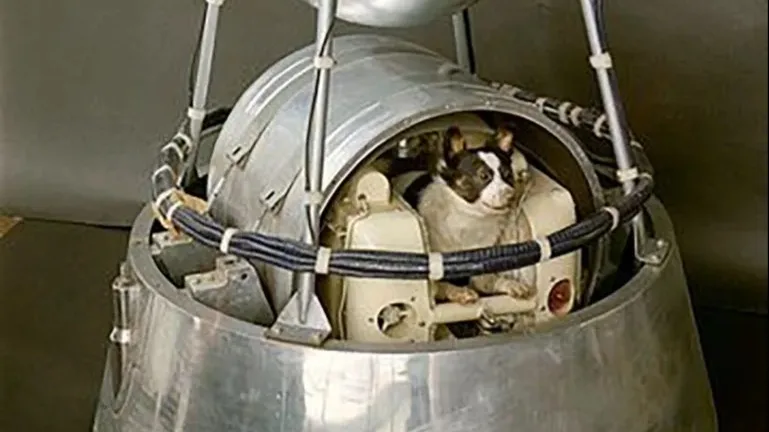
IMAGE SOURCE: NATIONAL SPACE SCIENCE DATA CENTER(L)/NASA(R)

First photo from the surface of the Moon

In February 1966, the Soviet Luna 9 lander captured this close-up image of the Oceanus Procellarum region. It was the first-ever photograph of the Moon’s surface. At the time, our knowledge of the lunar surface was extremely limited, and even some scientists were sceptical about whether a large spacecraft could even land safely there.

But scientists went ahead with the mission, and Luna 9 successfully landed on the Moon. Now, about 60 years later, we have not only landed on the Moon, but NASA also aims to build a permanent base there by the 2030s.

8 / 21
The first animal in orbit
IMAGE SOURCE: RCS ENERGIA

The first animal in orbit

The Soviet Union launched Sputnik 2 and carried a dog called Laika to orbit Earth in 1957. Unfortunately, there was no plan to bring her home, as engineers hadn't even built a system to keep her alive for long. It’s expected that she survived only a few hours in orbit.

But the launch had already done its work. Commenting on this, Manned Spacecraft Center Director Robert Gilruth said, "When I saw the dog go up, I said, 'My God, we better get going because it's going to be a legitimate program to put man in space.'"

9 / 21
The first crewed space station mission
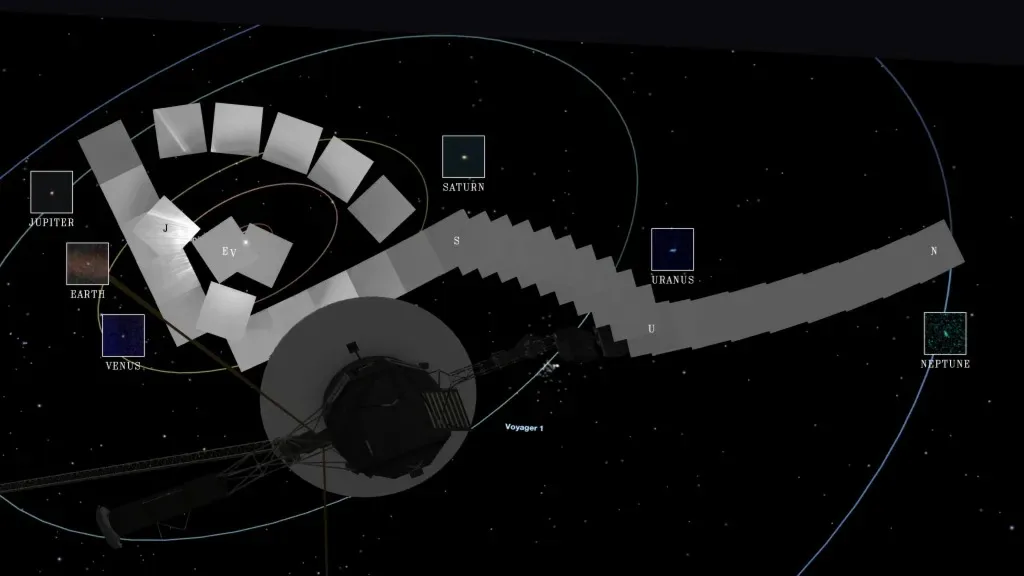
IMAGE SOURCE: RKK ENERGIA

The first crewed space station mission

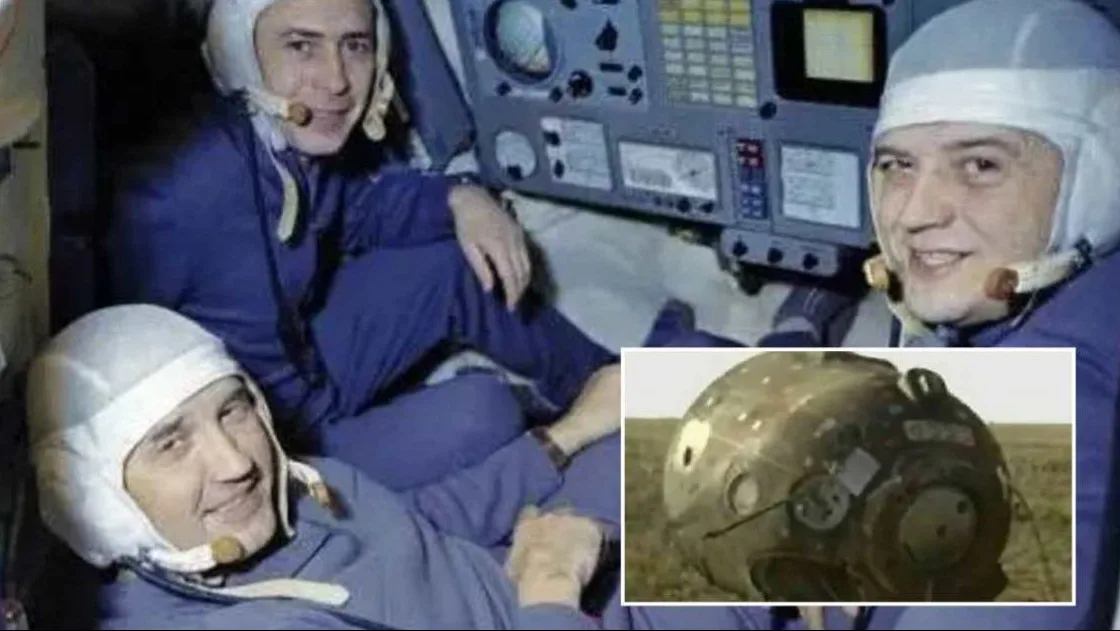
In 1971, three Soviet cosmonauts went to space to make remarkable discoveries and achieve several firsts in human spaceflight history. But their journey ended in an unfortunate disaster that brought the mission to a tragic end. The capsule depressurized during preparations for re-entry, and this caused the crew to die from suffocation (asphyxiation). 

This changed how space missions are handled. Every Soyuz mission since 1971 has required the crew to wear pressure suits during both the launch and re-entry phases. Even NASA's own safety standards follow the same approach.

10 / 21
The first-ever 'portrait' of the solar system
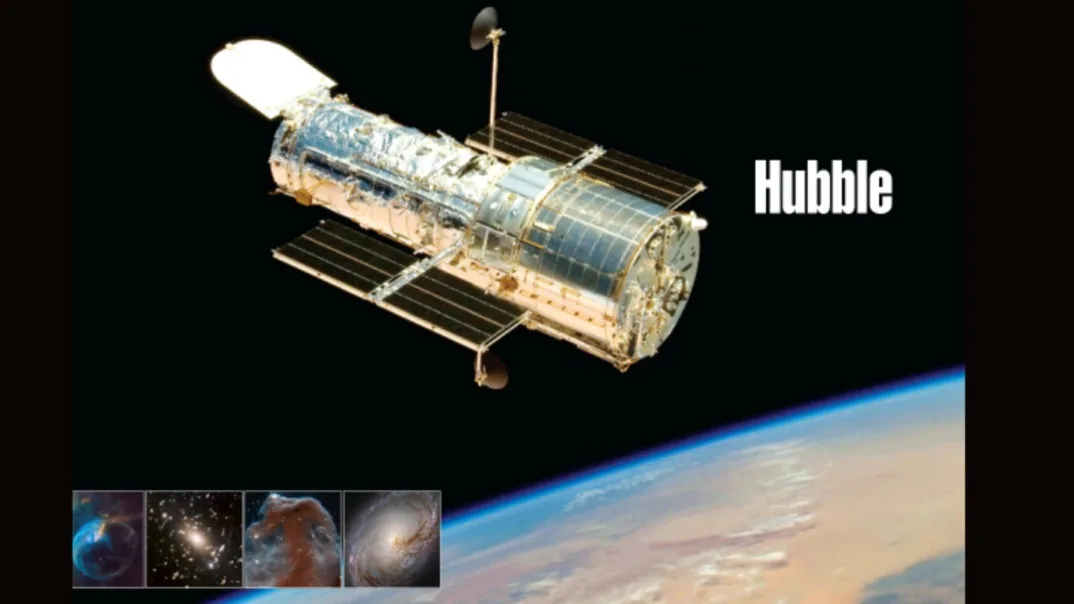
IMAGE SOURCE: NASA/JPL-CALTECH

The first-ever 'portrait' of the solar system

This one is Voyager's "Pale Blue Dot" snapshot that was captured on February 14, 1990. Voyager 1 turned its camera around one last time before leaving the Solar System and gave us a view of six planets from six billion kilometers away. Here, you can see Earth as a single pale speck. 

Commenting on this, American astronomer Carl Sagan said, “That's here. That's home. That's us. On it everyone you love, everyone you know, everyone you ever heard of, every human being who ever was, lived out their lives.” Now, Voyager 1 is in interstellar space, and you can track its live position here.

11 / 21
Launch of Hubble Space Telescope
IMAGE SOURCE: NASA; EDITED IN CANVA

Launch of Hubble Space Telescope

Before the launch of Hubble, our view of space was mostly based on ground-based light telescopes. These images were not very clear, and we couldn’t see far enough, mostly because of Earth’s atmosphere. NASA then worked on a solution.

On April 24, 1990, NASA launched the Hubble Space Telescope during its STS-31 mission. It’s considered one of the most scientifically important objects ever made, as it has helped astronomers and scientists capture clear images of our universe. And it’s still in use today.

12 / 21
The Moon finally shows its hidden face
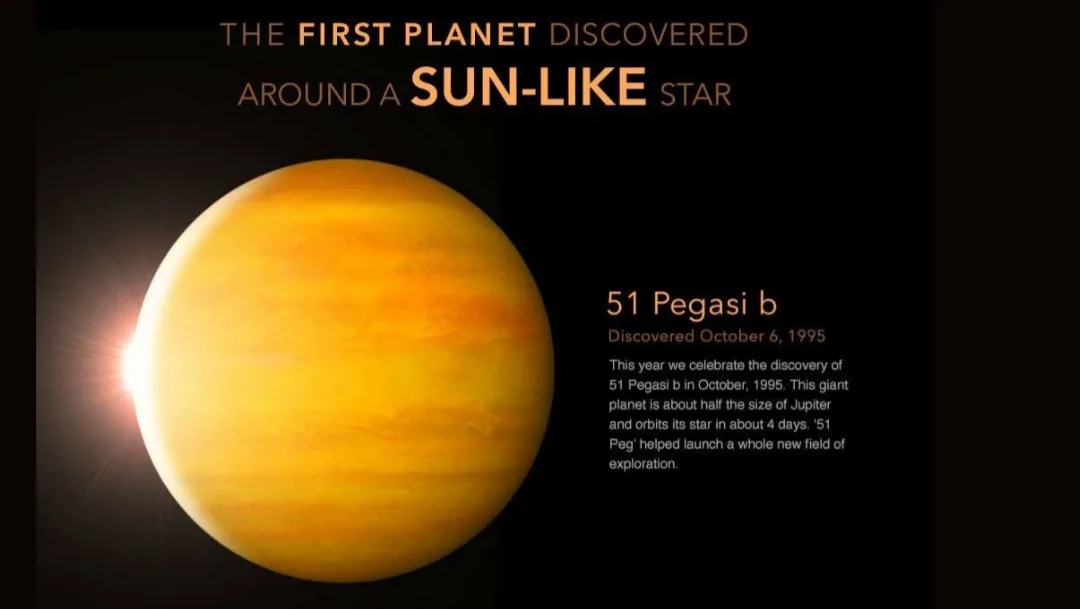
IMAGE SOURCE: NASA

The Moon finally shows its hidden face

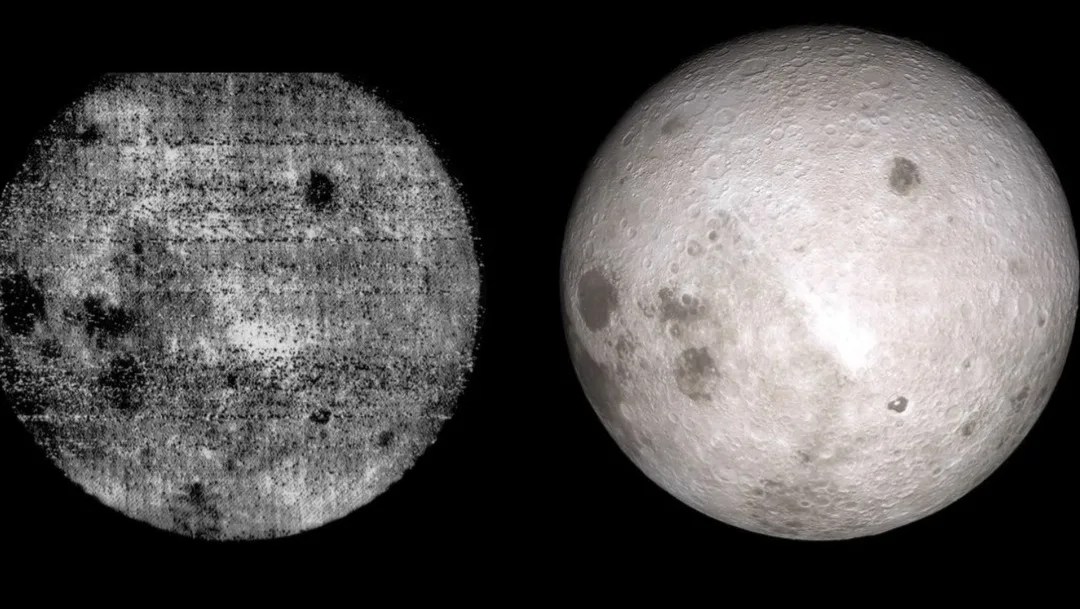
For all of human history, one side of the Moon had remained completely invisible. Then, in 1959, 29 grainy photographs changed that forever. Luna 3 was the third spacecraft to reach the Moon, and it gave us our first-ever view of the Moon’s far side.

In the second image (R), the Lunar Reconnaissance Orbiter (LRO) captured the same spot 50 years later. This shows us just how far we have come in terms of exploring the Moon.

13 / 21
The discovery of the first-ever exoplanet
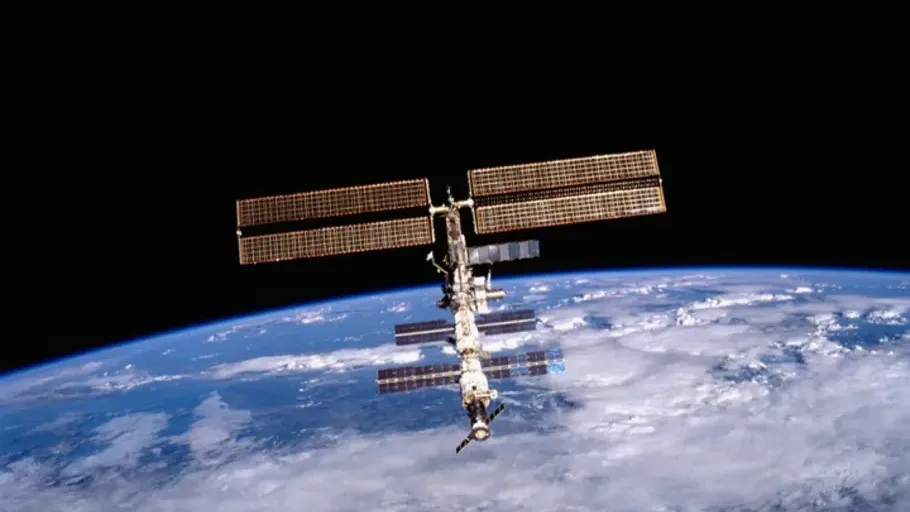
IMAGE SOURCE: NASA

The discovery of the first-ever exoplanet

Michel Mayor and Didier Queloz received the Nobel Prize in Physics for their discovery of the first-ever exoplanet. In 1995, they found 51 Pegasi b, also called “Dimidium,” as it was orbiting a Sun-like star.

Since then, NASA has discovered over 6,300 exoplanets, which are planets located outside our solar system. The closest known exoplanet to Earth, which is called Proxima Centauri b, is still about 4 light-years away. Now, as per NASA, “We know there are more planets than stars in the galaxy.”

14 / 21
Building of the International Space Station (ISS)
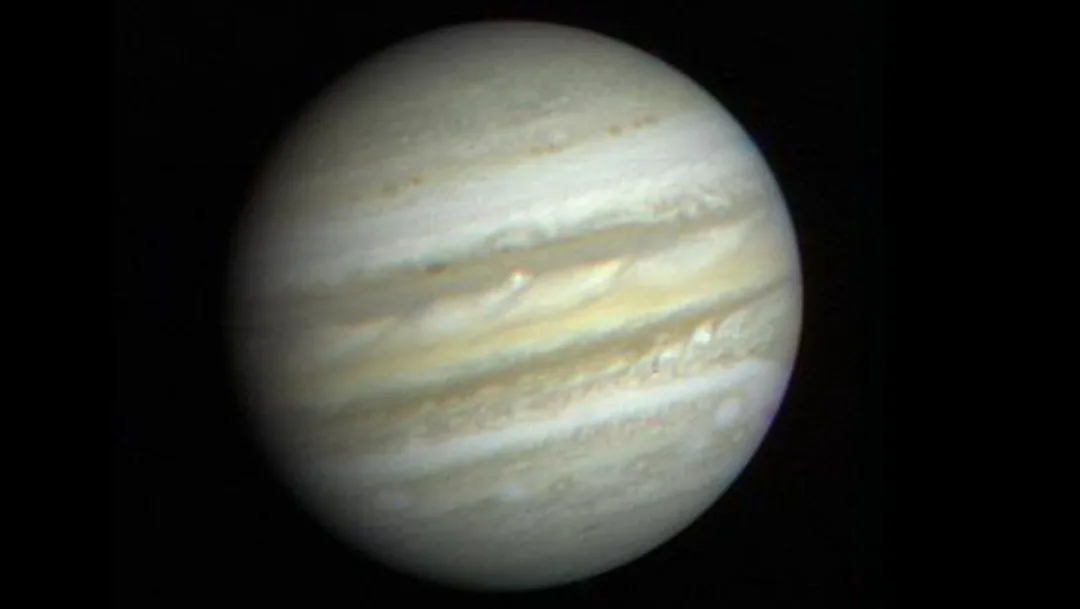
IMAGE SOURCE: NASA/MSFC

Building of the International Space Station (ISS)

The idea of living in space was once considered a far-fetched dream. But then, the construction began for the International Space Station in 1998. This is one of the biggest international science collaborations ever between NASA, ESA, JAXA, CSA, and Roscosmos.

By 2001, the first crew, William Shepherd, Yuri Gidzenko, and Sergei Krikalev, had officially moved in. The station has had people living aboard ever since.

15 / 21
First close-up image of Jupiter from Voyager 1
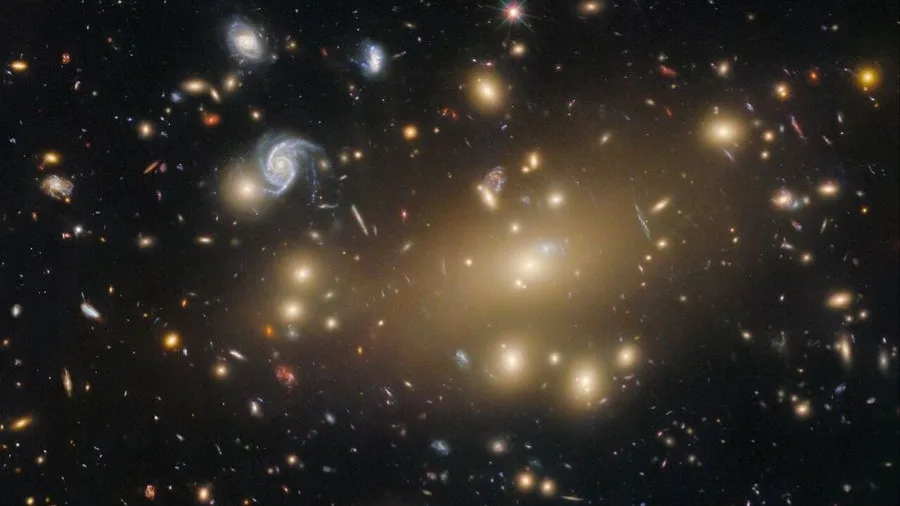
IMAGE SOURCE: NASA/JPL

First close-up image of Jupiter from Voyager 1

On January 6, 1979, Voyager 1 snapped this image of Jupiter from 35.8 million miles away. Even from that distance, the picture gave us a view of an atmosphere that was far more turbulent than scientists had expected. The smallest visible features still span 600 miles across. 

The image was created by joining together three color-filtered images relayed through NASA's Deep Space Network.

16 / 21
Discovering the presence of dark matter
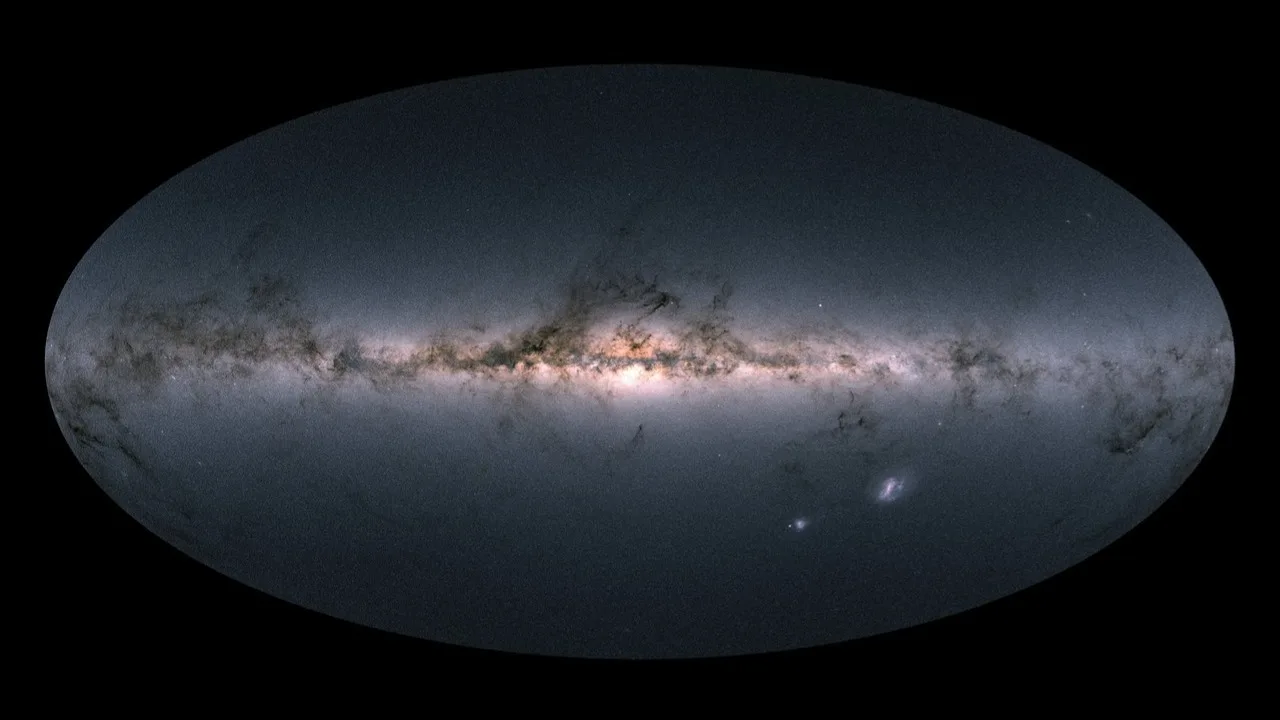
IMAGE SOURCE: ESA/HUBBLE & NASA, M. POSTMAN, P. KELLY

Discovering the presence of dark matter

Dark matter was once thought to be speculation until Vera Rubin looked closer in the 1970s. While studying spiral galaxies, she noticed that stars on the outer edges were moving too fast to stay put unless something unseen was holding them in place. 

And there wasn't nearly enough visible matter to explain it. Rubin concluded that invisible dark matter must be binding these galaxies together. This discovery turned the concept into one of astronomy's most unexplained truths.

17 / 21
Gaia’s view of the Milky Way
IMAGE SOURCE: ESA/GAIA/DPAC, CC BY-SA 3.0 IGO

Gaia’s view of the Milky Way

Since 2013, ESA's Gaia spacecraft has been tracking the position and movement of over a billion stars from Earth orbit. It has been slowly assembling the most precise 3D map of the Milky Way ever attempted. 

With this data, scientists can trace our galaxy's structure and evolution with unprecedented detail. This work has already helped create more than 1,700 scientific publications. And Gaia is still watching the skies.

18 / 21
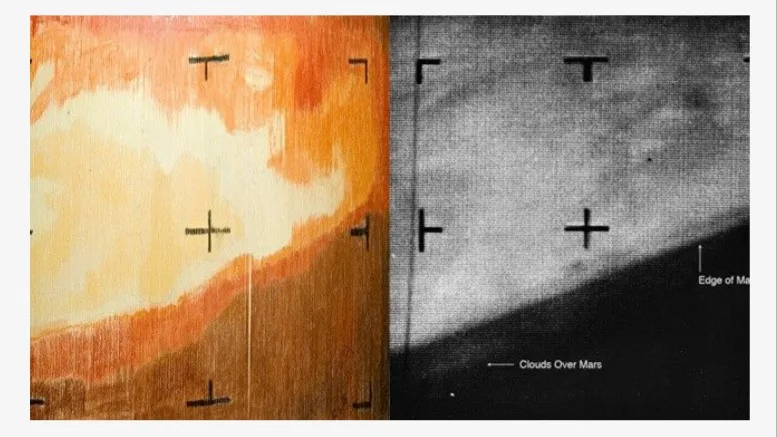
The first close-up look at Mars by Mariner 4
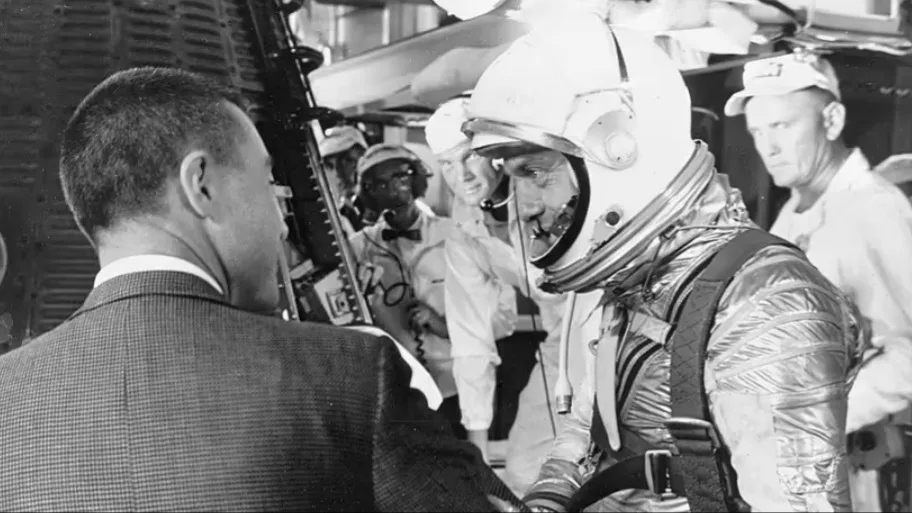
IMAGE SOURCE: NASA/JPL-CALTECH

The first close-up look at Mars by Mariner 4

There was a time in history when we did not know what Mars actually looked like up close. That changed with Mariner 4, which gave us our first-ever close-up look at Mars and the first images of another planet in 1965. 

Commenting on the image above, Kristen Erickson, NASA Science Engagement and Partnerships Director, said, “The first TV image of Mars, hand colored strip-by-strip, from Mariner 4 in 1965. The completed image was framed and presented to JPL director, William H. Pickering. Truly a labor of love for science!”

19 / 21
Freedom 7, the first American in space
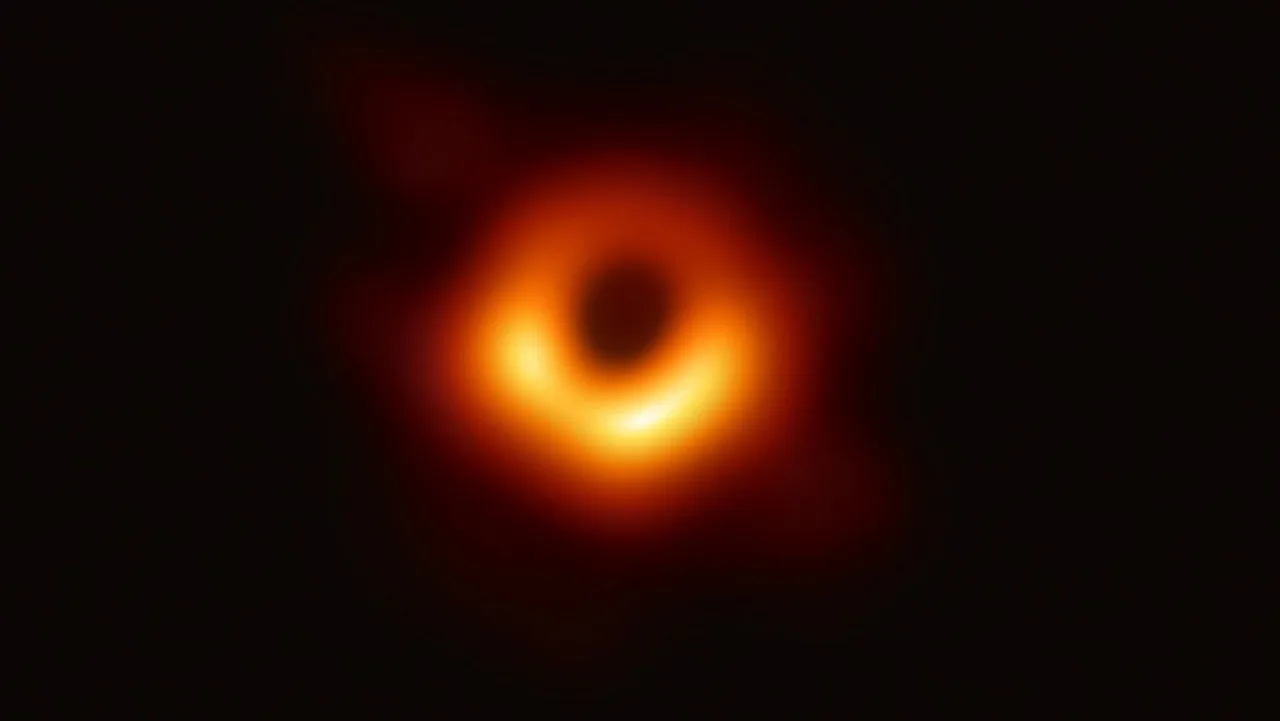
IMAGE SOURCE: NASA

Freedom 7, the first American in space

Alan Shepard was the first American astronaut to orbit the Earth in 1961. He was not the first human in space, as the credit goes to a Soviet astronaut named Yuri Gagarin. But Alan led the way for every other NASA manned mission to come. 

During a joint session of Congress on May 25, 1961, President John F. Kennedy shared his vision to take the next step. He said, “We choose to go to the moon in this decade and do the other things, not because they are easy, but because they are hard.” And then came the giant leap to the moon.

20 / 21
First image of a Black Hole
IMAGE SOURCE: EVENT HORIZON TELESCOPE COLLABORATION

First image of a Black Hole

For decades, black holes existed only in equations and imagination. Then scientists used the Event Horizon Telescope to capture this image. Here you can see a black hole at the heart of galaxy M87, and it’s visible by the glowing ring of hot gas swirling under its immense gravity near the event horizon. 

Interestingly, our own galaxy also hides one of these giants at its center. Yet despite this breakthrough, black holes remain one of the universe's least understood phenomena.

21 / 21
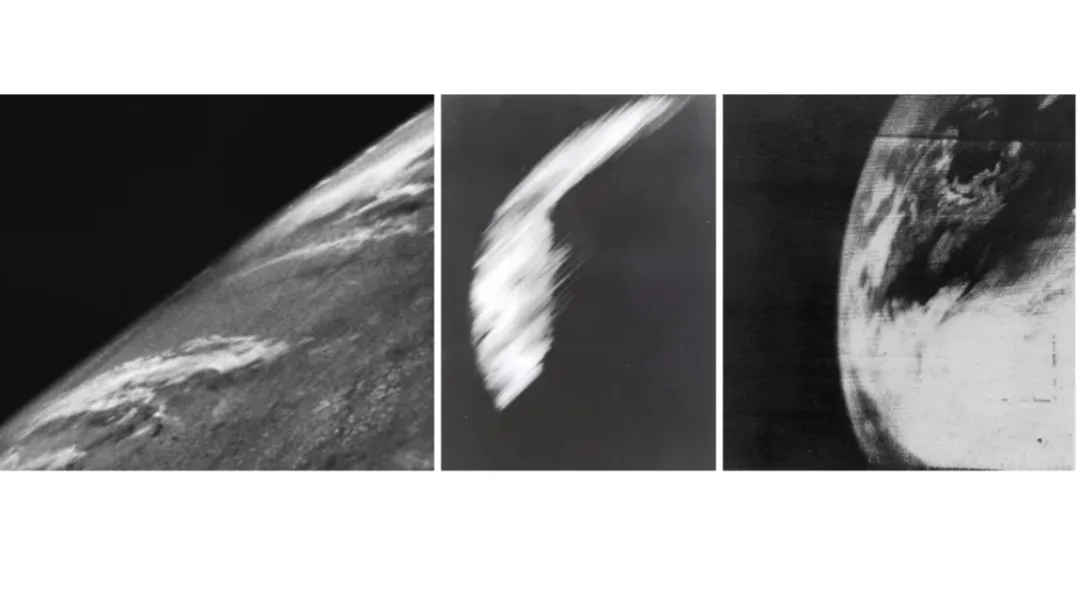
First-ever look at Earth from outer space
IMAGE SOURCE: WHITE SANDS MISSILE RANGE/APPLIED PHYSICS LABORATORY

First-ever look at Earth from outer space

Over 75 years ago, people on Earth got their very first view of our planet from outer space (the first image on the right). It was taken by a V-2 missile carrying a 35-millimeter motion picture camera. The missile was launched from the White Sands Missile Range in New Mexico. 

While we now have countless images of our planet taken from space, decades ago, this was our glimpse of Earth from above. This image changed our understanding of our home planet, as well as the universe we live in.

MORE GALLERIES

Curiosity images mysterious 'pits' on Martian soil: What does NASA have to say about them? 4

Curiosity images mysterious 'pits' on Martian soil: What does NASA have to say about them?

Sep 11, 2026
The Sun's most detailed images yet reveal whirlpools never spotted before 5

The Sun's most detailed images yet reveal whirlpools never spotted before

Sep 10, 2026
Scientists say the universe could tear itself apart. Here's how 6

Scientists say the universe could tear itself apart. Here's how

Sep 10, 2026
The Golden Record: When humanity sent a message specifically for aliens 5

The Golden Record: When humanity sent a message specifically for aliens

Sep 10, 2026
20 unforgettable photos from humanity’s first Moon landing 21

20 unforgettable photos from humanity’s first Moon landing

Sep 9, 2026
Nobel Prize winner now questions the standard model of the universe, says it might be wrong 5

Nobel Prize winner now questions the standard model of the universe, says it might be wrong

Sep 9, 2026
Strange repeating radio signal from deep space case finally cracked; Here's what it is 5

Strange repeating radio signal from deep space case finally cracked; Here's what it is

Sep 8, 2026
Is the 'empty' space in our universe really empty? Here's what a new study found 5

Is the 'empty' space in our universe really empty? Here's what a new study found

Sep 7, 2026
Could we ever reach a parallel universe? Here's what physicists really think 5

Could we ever reach a parallel universe? Here's what physicists really think

Sep 7, 2026
A 'skull' rock on Mars? The eerie formation NASA can't yet explain 5

A 'skull' rock on Mars? The eerie formation NASA can't yet explain

Sep 5, 2026
Did our universe begin inside a quantum multiverse? One physicist thinks so 5

Did our universe begin inside a quantum multiverse? One physicist thinks so

Sep 5, 2026
330 million light-years of darkness: The mystery of The Great Nothing—the Boötes Void 5

330 million light-years of darkness: The mystery of The Great Nothing—the Boötes Void

Sep 5, 2026
What if Earth-like planets existed before the first galaxies? Scientists have an answer 4

What if Earth-like planets existed before the first galaxies? Scientists have an answer

Sep 4, 2026
Strange 'spiderweb' formations spotted on Mars: NASA explains what's really going on 5

Strange 'spiderweb' formations spotted on Mars: NASA explains what's really going on

Sep 3, 2026
What if black holes are actually doorways to another universe? 6

What if black holes are actually doorways to another universe?

Sep 3, 2026
What if the universe is a loop? This study suggests the Big Bang may not have been the beginning 5

What if the universe is a loop? This study suggests the Big Bang may not have been the beginning

Sep 3, 2026
‘Time mirrors’ are actually real: physicists confirmed a 65-year-old theory in a new study 6

‘Time mirrors’ are actually real: physicists confirmed a 65-year-old theory in a new study

Sep 2, 2026
September 2026 skywatching guide: Planetary conjunctions, Full Harvest Moon, and more 7

September 2026 skywatching guide: Planetary conjunctions, Full Harvest Moon, and more

Sep 2, 2026
Is the universe really infinite, or is there an end? Oxford astrophysicist explains 5

Is the universe really infinite, or is there an end? Oxford astrophysicist explains

Sep 1, 2026
Starlust.org is part of the Scale Content Inc. publishing group.

Google Source

About Us
Editorial Guidelines
Privacy Policy
Cookie Policy
Terms of Use
Contact Us
Link to Facebook
Link to Instagram

© Scale Content Inc. 1178 Broadway, 3rd Floor #3469, New York, NY 10001, United States