Earth's atmosphere hidden on the Moon may prove to be life-sustaining for future astronauts
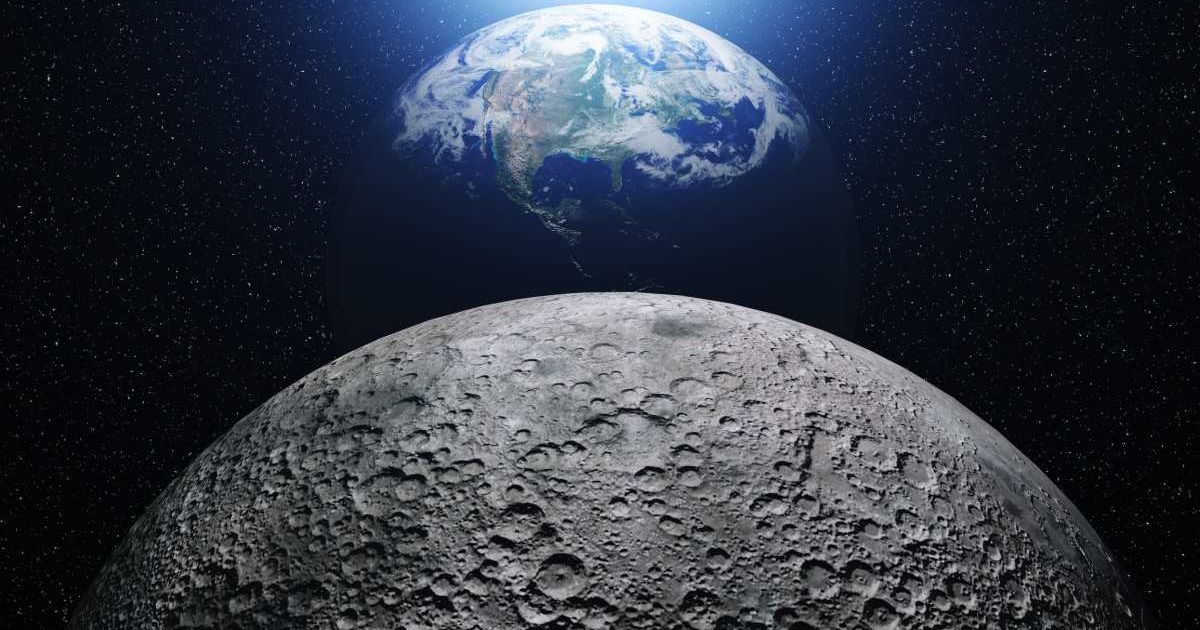
Scientists have found that the dusty surface of the Moon, long thought of as a desolate wasteland, could harbor resources essential to sustaining future human visitors, and those resources came from right here on Earth, according to the University of Rochester. New research contradicts the long-held view that Earth's magnetic field serves as a shield preventing atmospheric particles from leaking into space and reaching the Moon.
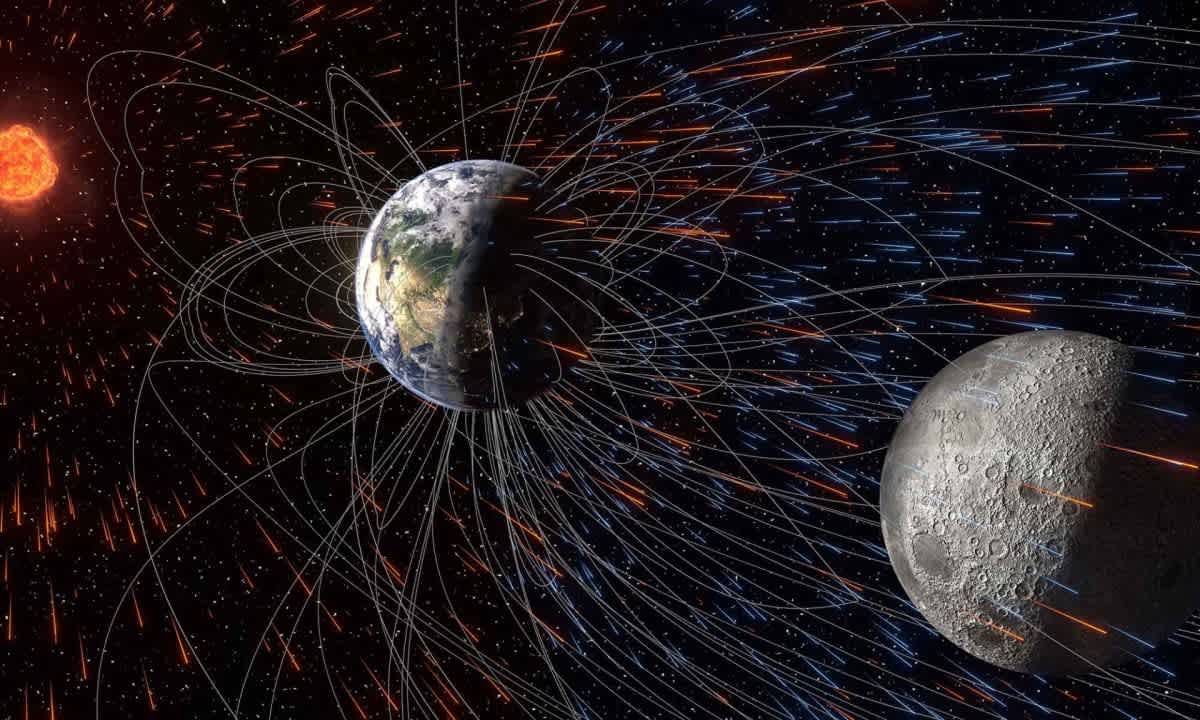
Instead, researchers at the University of Rochester have found evidence that the Earth's magnetic field may have funnelled key elements to the lunar surface. The study, appearing in Nature Communications Earth and Environment, used sophisticated computer modeling, which simulated the interaction between Earth's atmosphere and the solar wind—the constant stream of charged particles emitted by the Sun.
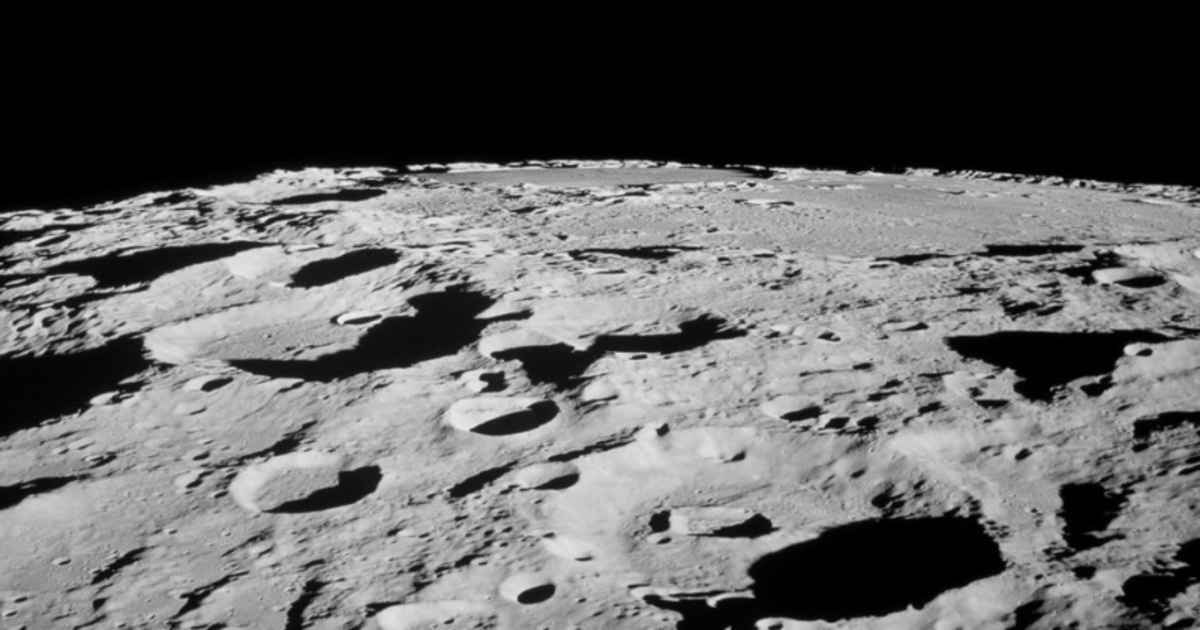
Over billions of years, the magnetic field may have acted like a long-distance pipeline, guiding small amounts of Earth's atmosphere along its lines and depositing them into the lunar soil, known as regolith. Lunar soil samples brought back to Earth by the Apollo missions have shown the presence of certain volatile substances like carbon dioxide, argon, water, helium, and nitrogen.
Granted, some of these may have their origin in solar winds, but the exceptionally high concentration of substances like nitrogen cannot be attributed to solar winds alone. According to Professor Eric Blackman, a celebrated scientist at the University of Rochester's Laboratory for Laser Energetics, analyzing these preserved particles in the lunar soil, combined with the new modeling, provides a long-term chemical record of Earth's atmosphere.
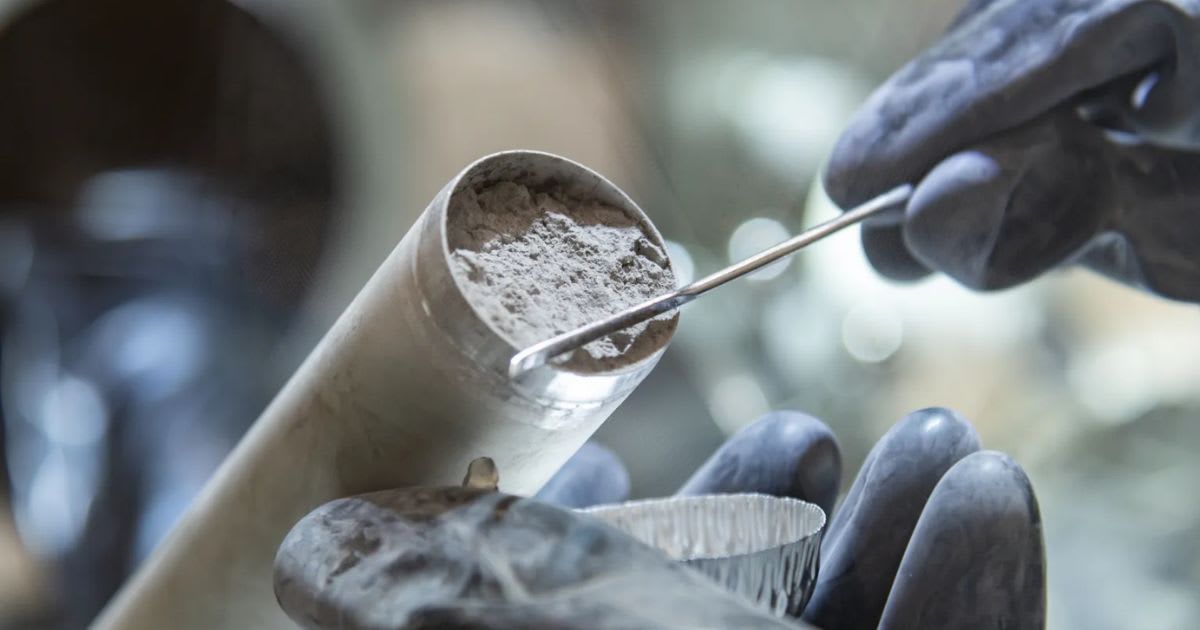
There are two implications of this continuous ancient transfer: first, the Moon's regolith contains a record of Earth's atmosphere going back billions of years—a record that is invaluable to scientists for obtaining new information related to our climate and the development of Earth; and second, these essential elements may provide a critical supply of resources for astronauts. Using these resources derived from the Moon would greatly reduce the cost and challenge of lunar exploration. On a broader level, the study could also present new ways to understand the atmospheric escape on other planets, such as Mars.
In related news, a fresh examination of the historic lunar soil samples, brought back to Earth over half a century ago by the Apollo missions, is providing deeper insights into how the Moon's surface evolves. Scientists from the Southwest Research Institute (SwRI) and the University of Texas at San Antonio are currently using advanced instruments to analyze just a few grains of dirt from the Apollo 11, 16, and 17 missions. Their focus is on understanding "space weathering," the long-term process by which the Moon's surface is constantly changed by the barrage of solar wind particles and tiny meteorites.
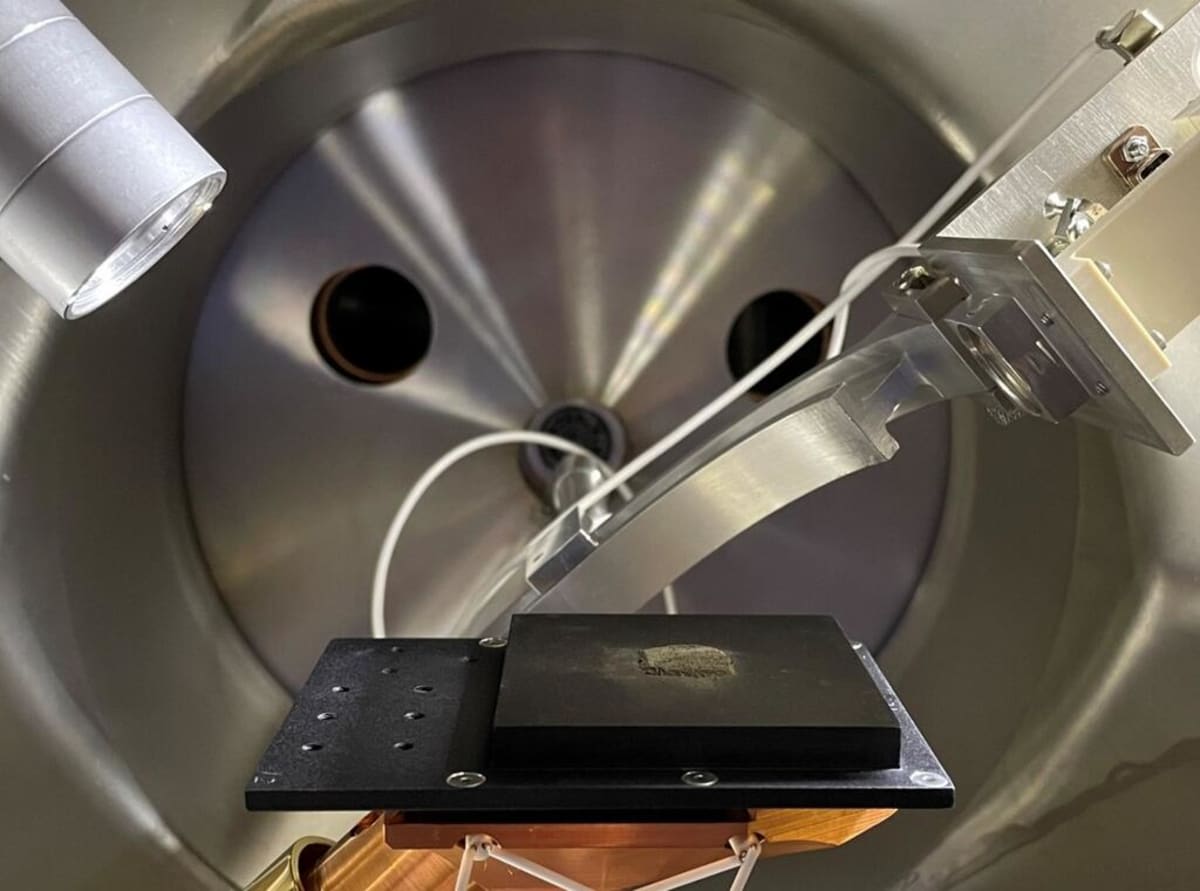
Dr. Ujjwal Raut, the principal investigator at SwRI, expressed particular enthusiasm for the fact that these samples continue to remain so valuable. “These Apollo-era samples continue to be a cornerstone of lunar science, providing the most direct link to the Moon’s surface processes and evolution, including space weathering,” Dr. Raut stated.
More on Starlust
5 stunning lunar events to watch after the Cold Supermoon in December 2025