September 2026 skywatching guide: Planetary conjunctions, Full Harvest Moon, and more
September 2026 offers a variety of treats for skywatchers
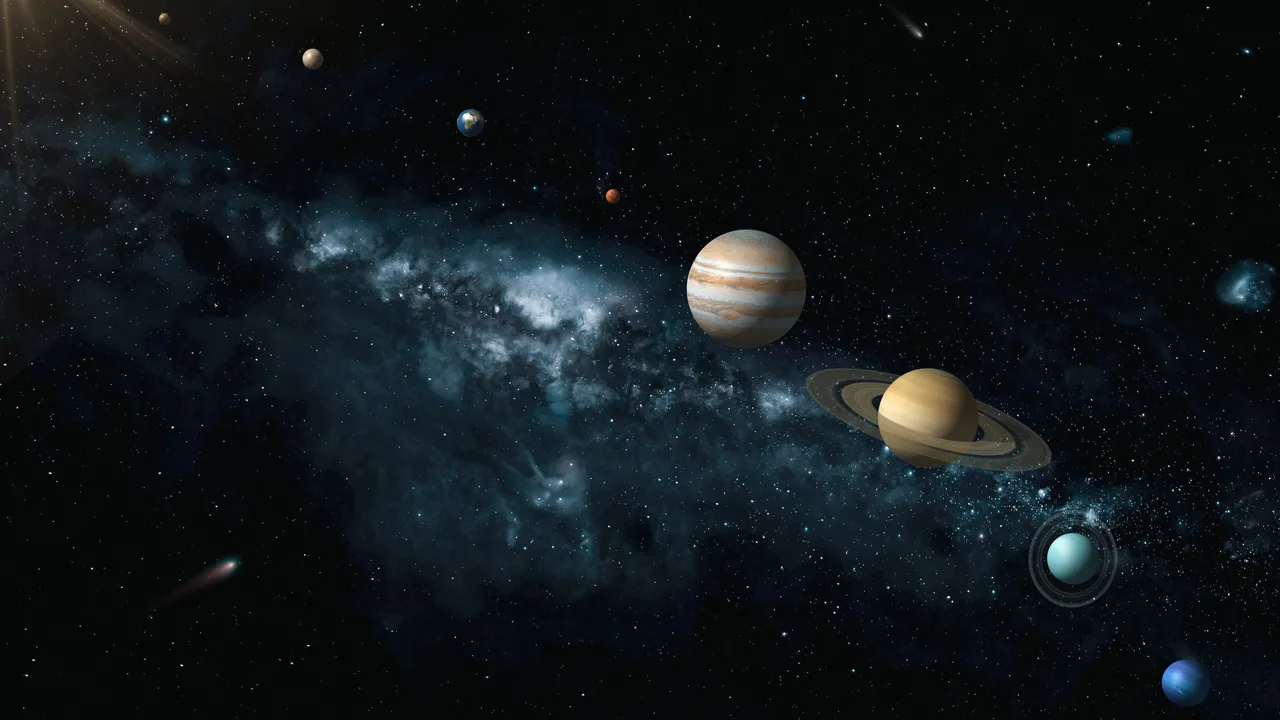
As summer gives way to autumn in the Northern Hemisphere, September 2026 is set to deliver a rich observing window for stargazers. Although September's events aren't quite as spectacular as August's total solar eclipse, there's something for everybody, ranging from planetary conjunctions, to meteor showers, to spectacular views of the Moon. Here are five celestial events that should be on your calendar in September 2026.
Conjunctions of Mars and Jupiter with the Moon
September 6 and 8 will offer early risers views of the Moon with Mars and Jupiter, respectively. Before daybreak on September 6, stargazers in the Northern Hemisphere can catch a glimpse of the Moon at just three degrees of separation or three pinky-widths away from the Red Planet, Mars. Subsequently, prior to sunrise on September 8, stargazers will be treated to a spectacular view of the Moon hanging over Jupiter.
Venus at peak illumination
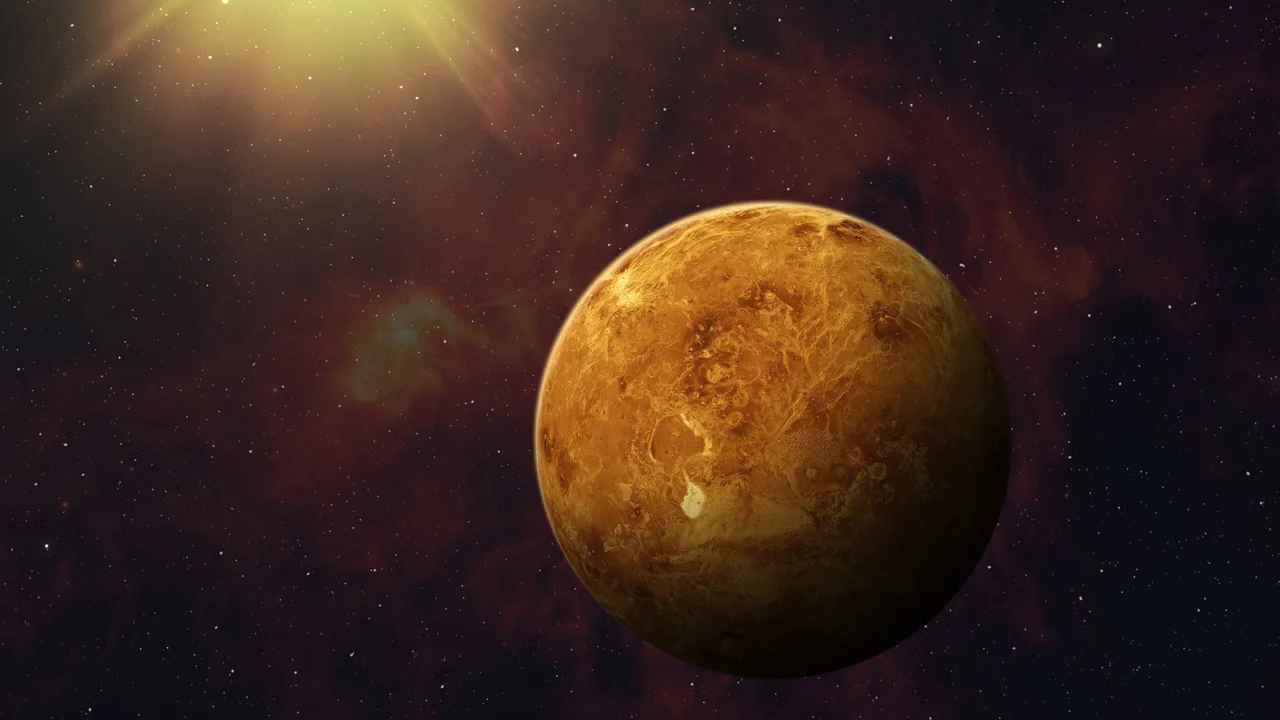
The brightest planet in the night sky, Venus, is set to reach its peak illumination for the entirety of 2026 this month. Prior to reaching its brightest, Venus will hang just half a degree lower than the Moon on September 14. Then, on September 18, the second planet in our solar system will hit peak illumination, reaching a visual magnitude of -4.8, nearly 20 times brighter than the night sky's brightest star, Sirius.
Autumnal equinox and aurora season
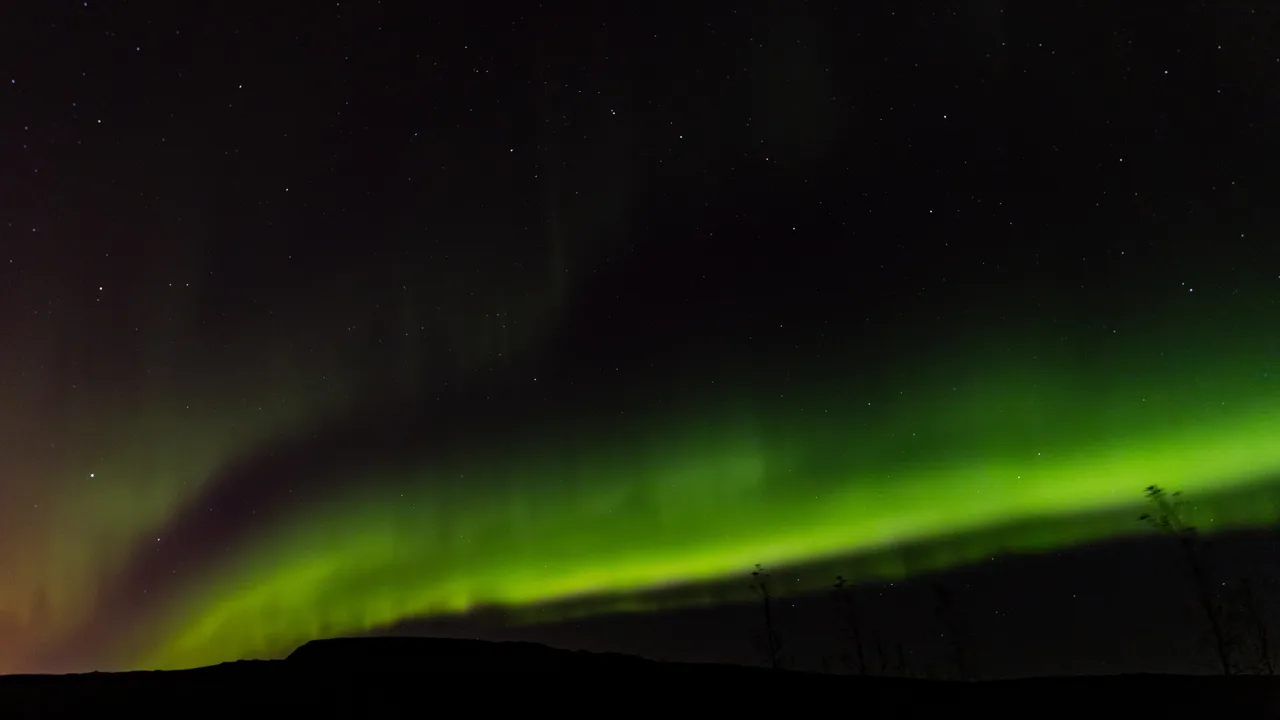
Earth will reach its equinox on September 23 at 12:05 am UTC, marking the start of autumn in the Northern Hemisphere. While the equinox itself won't offer anything for stargazers, these biannual events are known to trigger an uptick in the activity of northern lights, which could provide impressive displays for skywatchers in high northern latitudes. While the occurrence of northern lights is tough to predict, the possibility of mesmerizing displays to mark the start of aurora season should nonetheless get skywatchers excited.
Neptune in full opposition
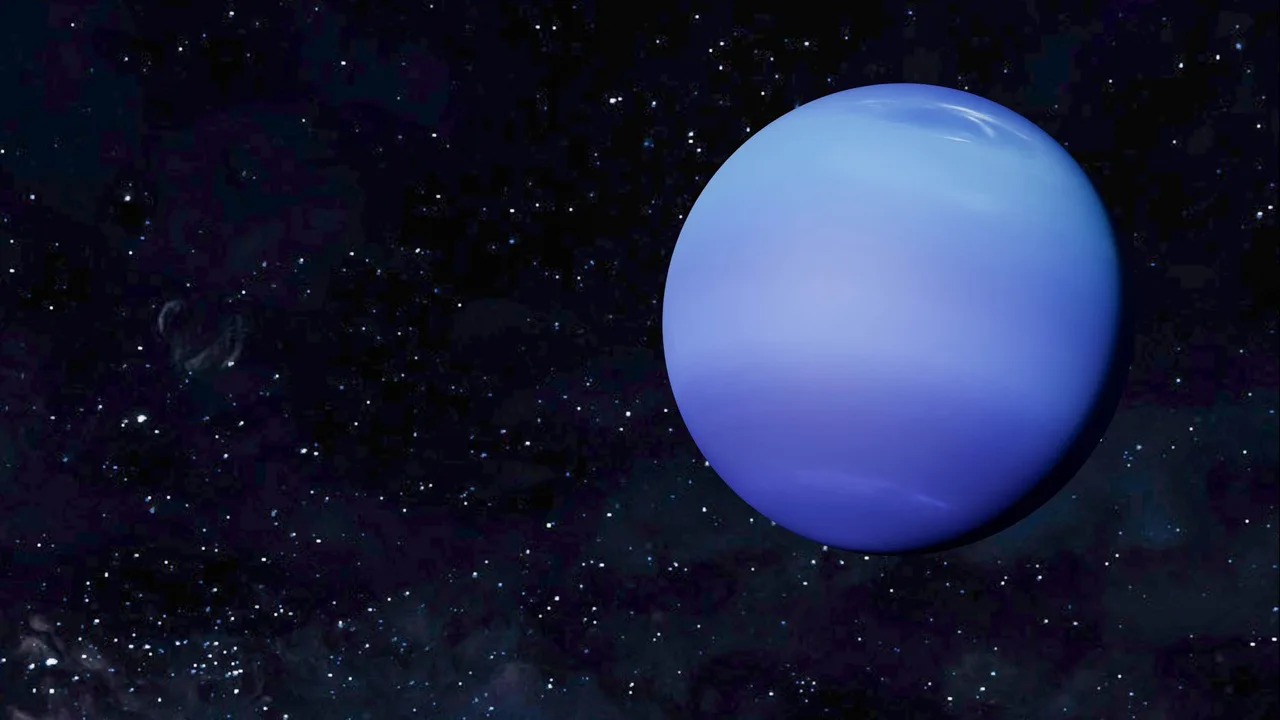
The solar system's most distant planet, Neptune, is set to reach peak brightness on the night of September 25–26, when Earth will be directly positioned between it and the Sun. At this time, Neptune will reach its closest point to Earth for the year at 2.68 billion miles (4.31 billion kilometers) away, and will reach a peak visual magnitude of 7.8. Although the ice giant will remain invisible to the naked eye despite its closeness, skywatchers with powerful binoculars or a modest telescope should be able to catch a glimpse of Neptune.
Full Harvest Moon
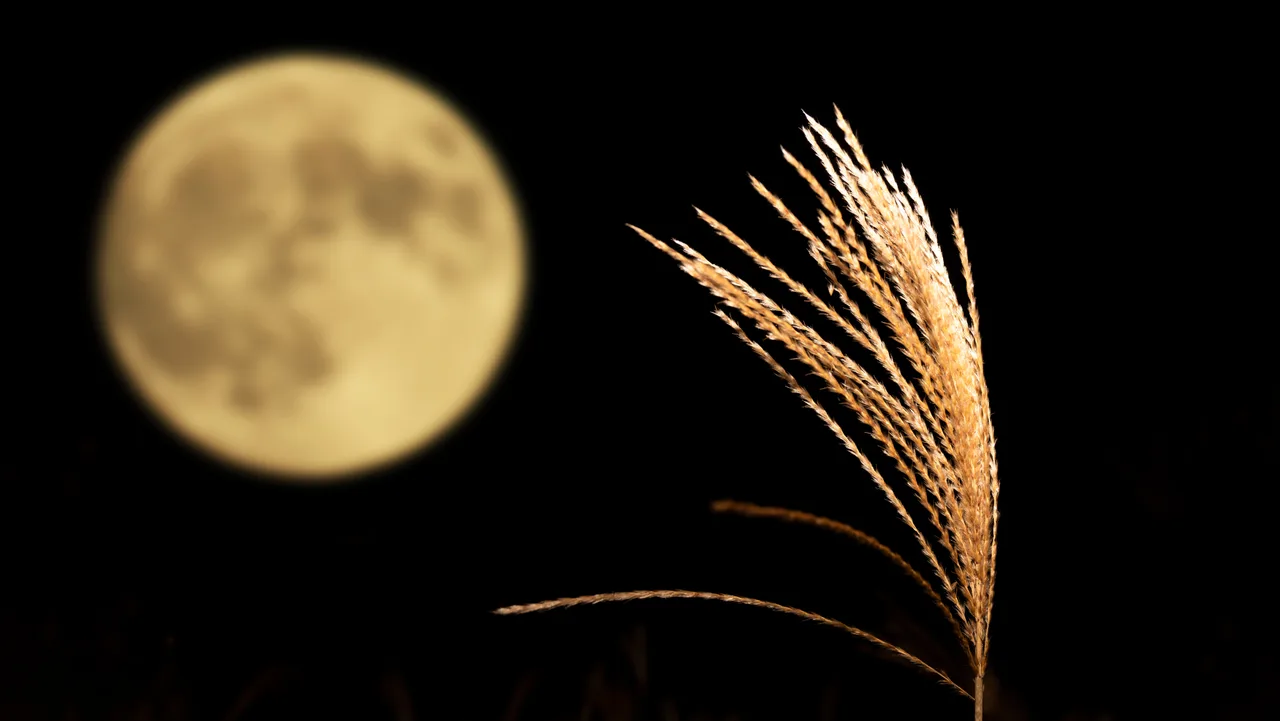
September 2026 will offer a memorable finale for stargazers, with the Full Harvest Moon reaching peak illumination at 4:49 pm UTC on September 26. Defined as the full moon occurring closest to the autumnal equinox, the Harvest Moon will light up several consecutive evenings, offering stargazers an opportunity to see it and photograph it in its full glory.
Views of Andromeda
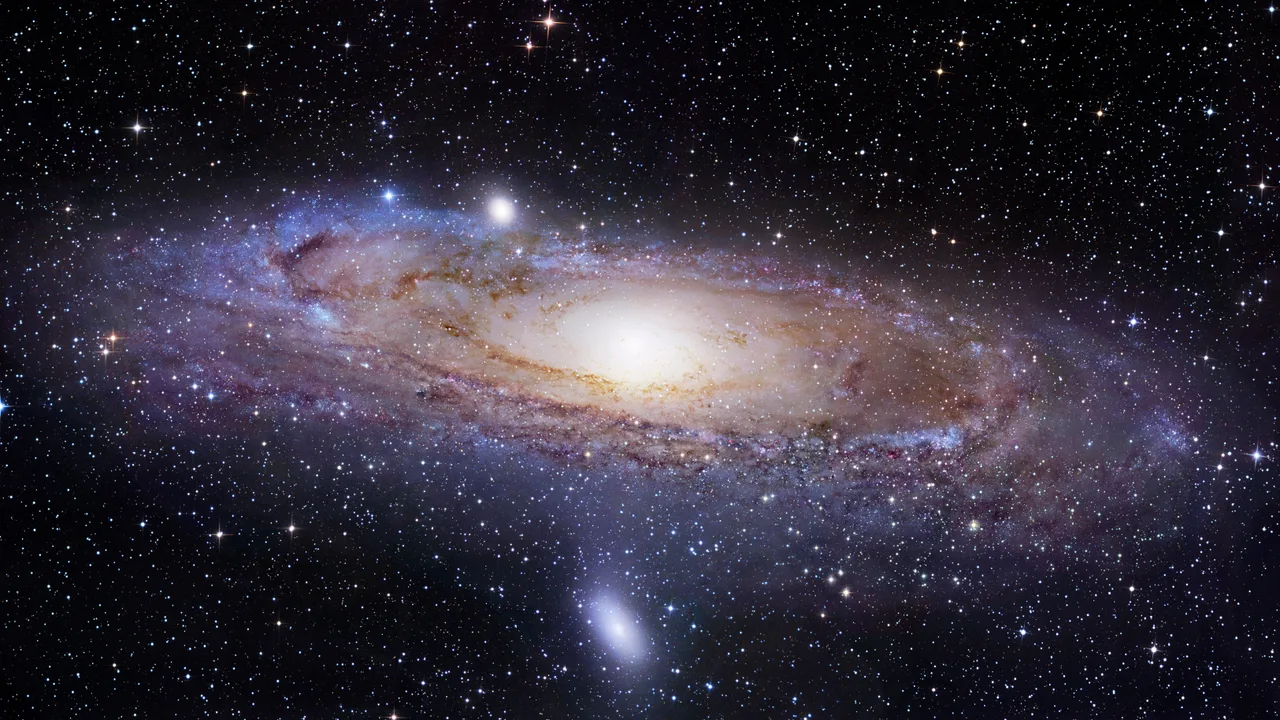
In addition to the aforementioned events, the Andromeda galaxy, the Milky Way's closest neighbor, will be visible all throughout September 2026. While it can technically be spotted with the naked eye, our galactic neighbor is best viewed with a telescope. As one of the most popular targets for deep-space astrophotography, Andromeda's continued visibility through September will offer enthusiasts and professionals alike a chance to photograph our nearest major galaxy from 2.5 million light-years away.