20 unforgettable photos from humanity’s first Moon landing
A journey to another world
“That’s one small step for [a] man, one giant leap for mankind.” These were the famous words spoken by astronaut Neil Armstrong, who became the first human to ever set foot on another world on July 20, 1969. NASA’s Apollo 11 mission was a historic feat for humankind.
Here’s a look at the mission that forever changed the course of human space history through a few iconic images.
Meet the crew who made history
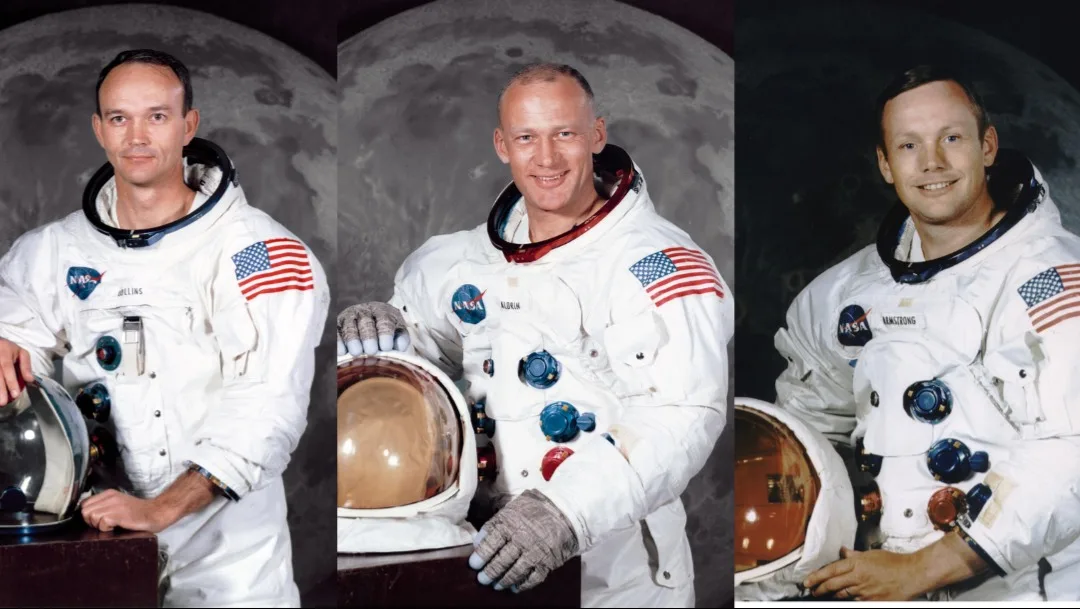
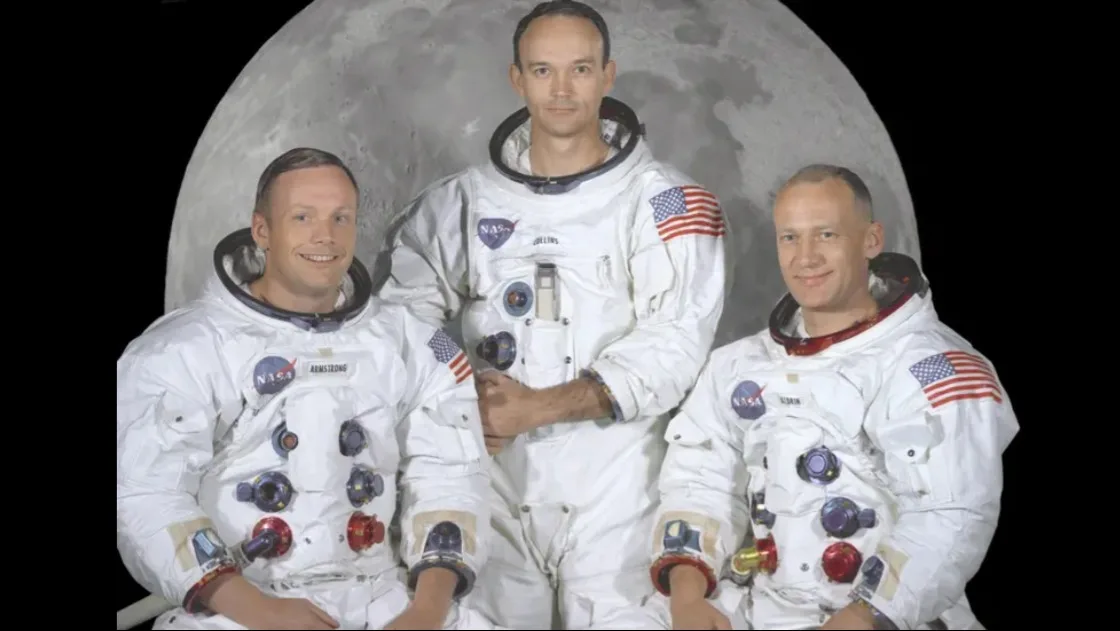
In the images, the mission crew posed for their individual official Apollo 11 portrait. This includes the Commander Neil Armstrong, Command Module Pilot Michael Collins, and Lunar Module Pilot Edwin "Buzz" Aldrin. The mission was the second and final spaceflight for all crew members.
The first steps on the Moon
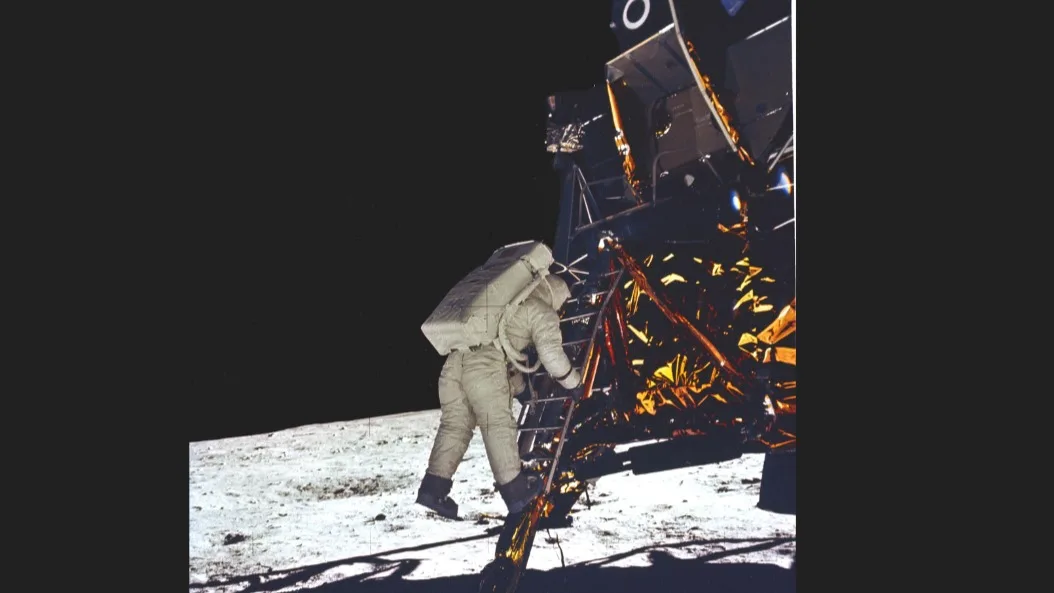
The first steps were taken by American astronaut Neil Armstrong. This photograph captures Aldrin's own first step onto the lunar surface. “Houston, Tranquility Base here, the Eagle has landed,” said Armstrong on July 20, 1969, after the Lunar Module Eagle successfully touched down on the surface of Mare Tranquillitatis.
Inside the spacecraft before launch
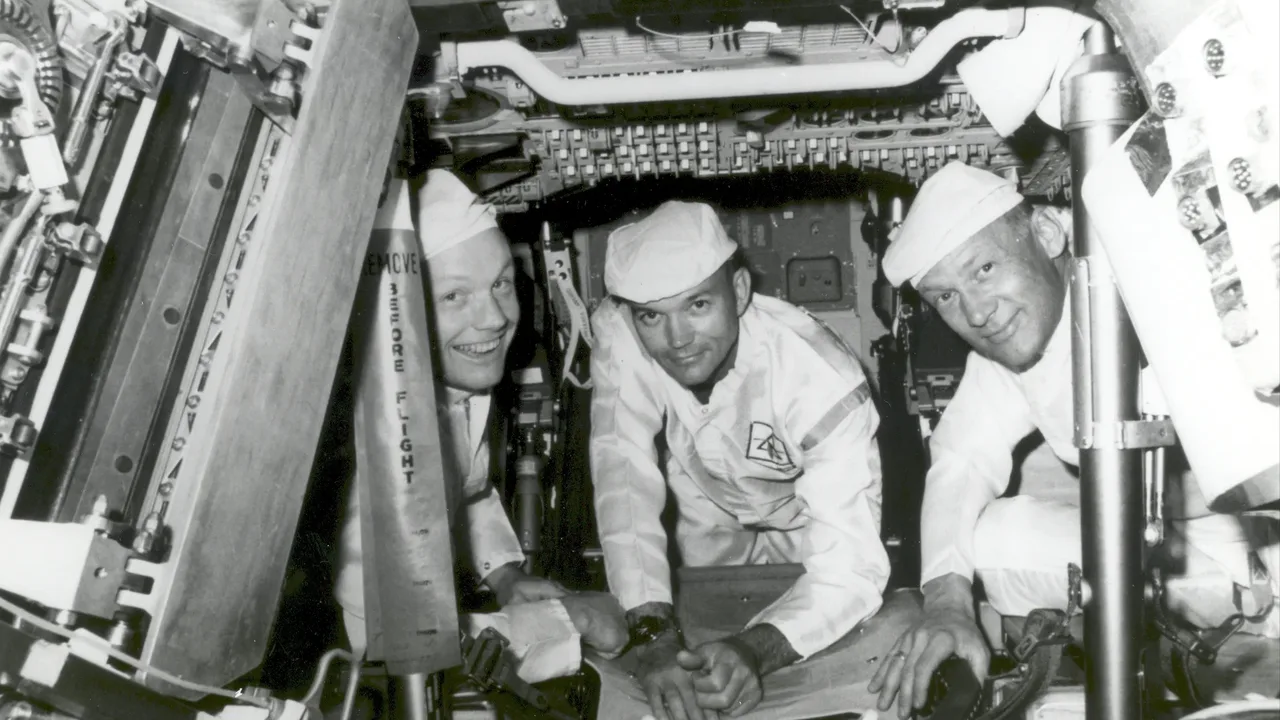
The Apollo 11 crew can be seen conducting a fit and functional check inside their command module. They were checking the equipment and storage locations inside the spacecraft as part of their preparations for the mission.
The final moments before launch
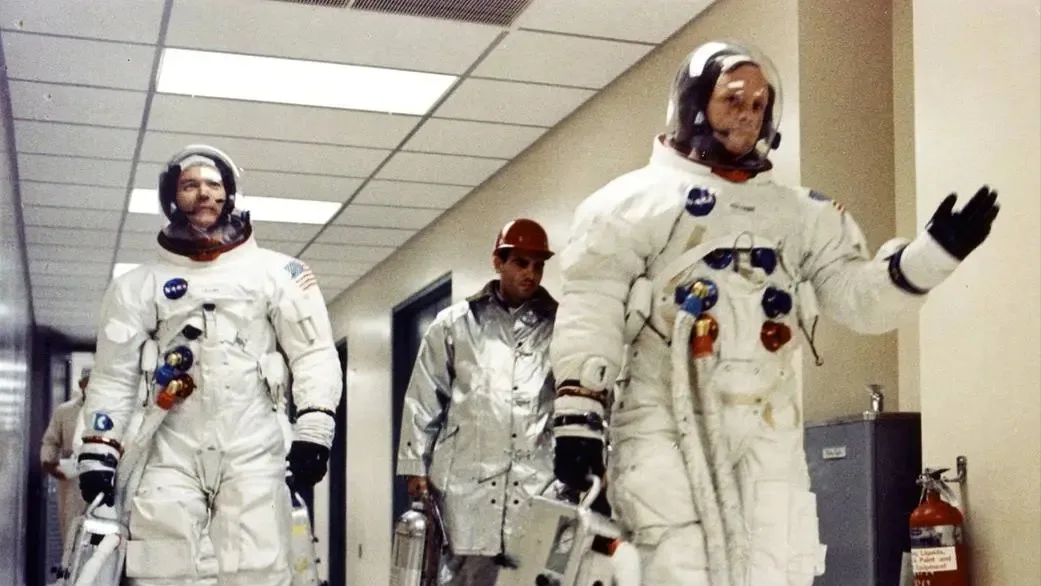
Just before the historic mission launch, Commander Neil A. Armstrong stopped to wave at the well-wishers who were gathered inside the Manned Spacecraft Operations Building. Here you can see Armstrong, Michael Collins, and Edwin E. “Buzz” Aldrin Jr. on their way to Launch Complex 39A.
The emblem that marked a historic mission
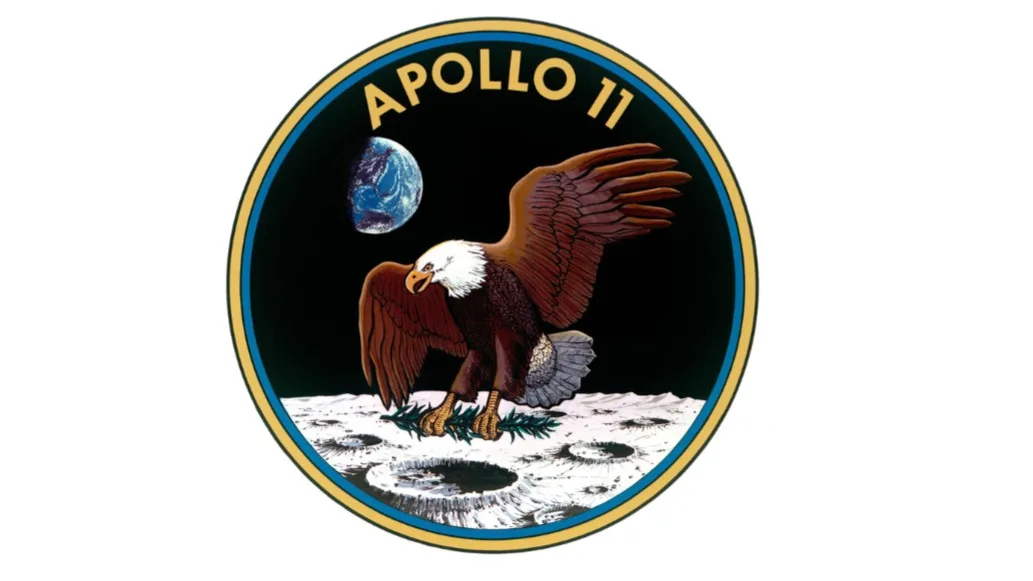
This was the official emblem designed by NASA for the Apollo 11 mission. This design is reserved only for Apollo flights and may be used only by the astronauts and for other official purposes, as instructed by the NASA administration.
Three men, one historic mission
This is the official portrait of the Apollo 11 crew. From left to right are Commander Neil A. Armstrong, Command Module Pilot Michael Collins, and Lunar Module Pilot Edwin E. “Buzz” Aldrin Jr. Just a few days after this photograph was taken, the three would go on to make history.
The journey begins here
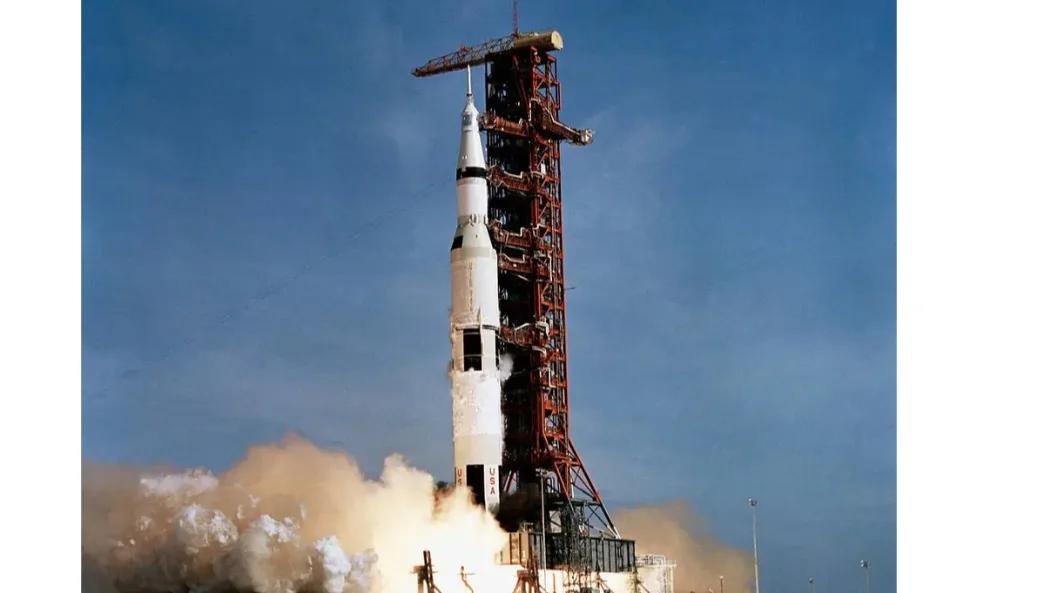
This is the same spacecraft that took the crew on one of the most historic missions in human history. Apollo 11 launched from NASA’s Kennedy Space Center and carried the crew on their journey to the Moon.
Liftoff to the Moon
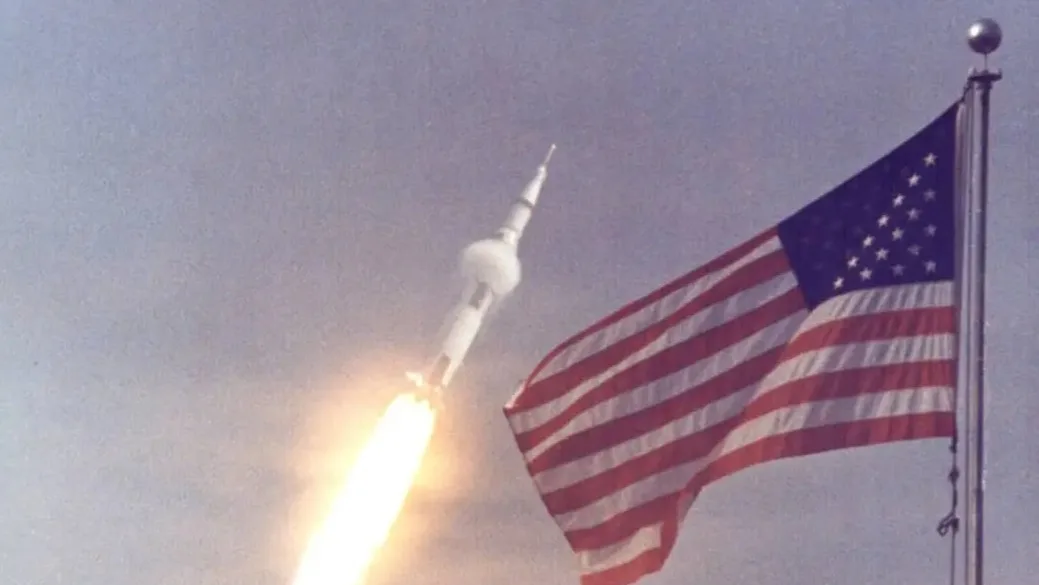
On July 16, 1969, at 9:32 a.m. EDT, the Apollo 11 Saturn V lifted off from Launch Complex 39A. In the background, you can see the American flag. During liftoff, Michael Collins said, "We are off! And do we know it, not just because the world is yelling 'Liftoff' in our ears, but because the seats of our pants tell us so!”
A front-row seat to history
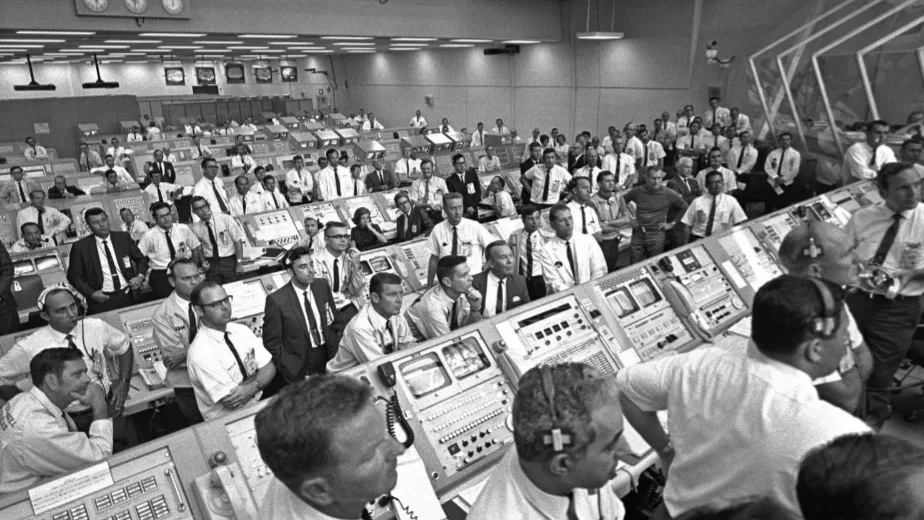
Here’s a look at some of the people at the Kennedy Space Center who watched the historic launch from the Launch Control Center. Among them was JoAnn H. Morgan, who is seated in the center with her hand on her chin. At the time, Morgan was NASA’s only female engineer.
A flag on another world
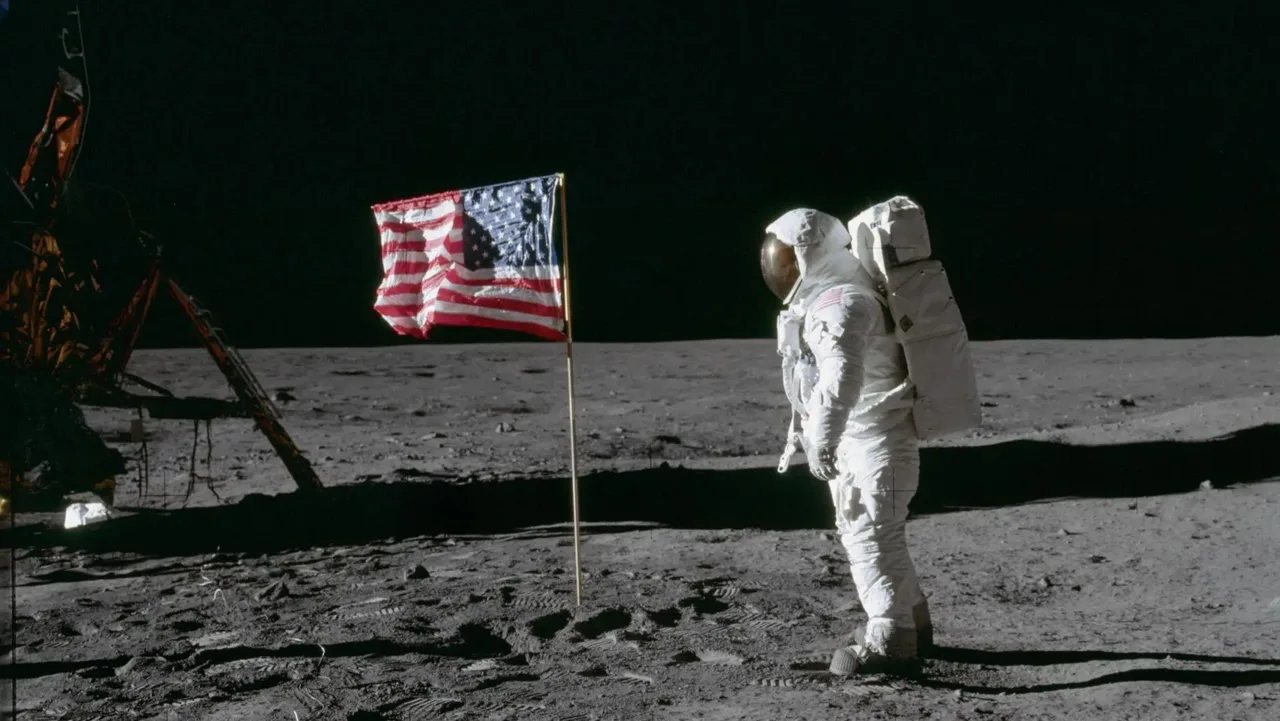
Astronaut Edwin E. Aldrin Jr can be seen here posing for a photograph. Beside him is the deployed United States flag as well as the Apollo 11 extravehicular activity (EVA). You can also see footprints of the astronauts in the soil of the Moon.
A view no one had seen before
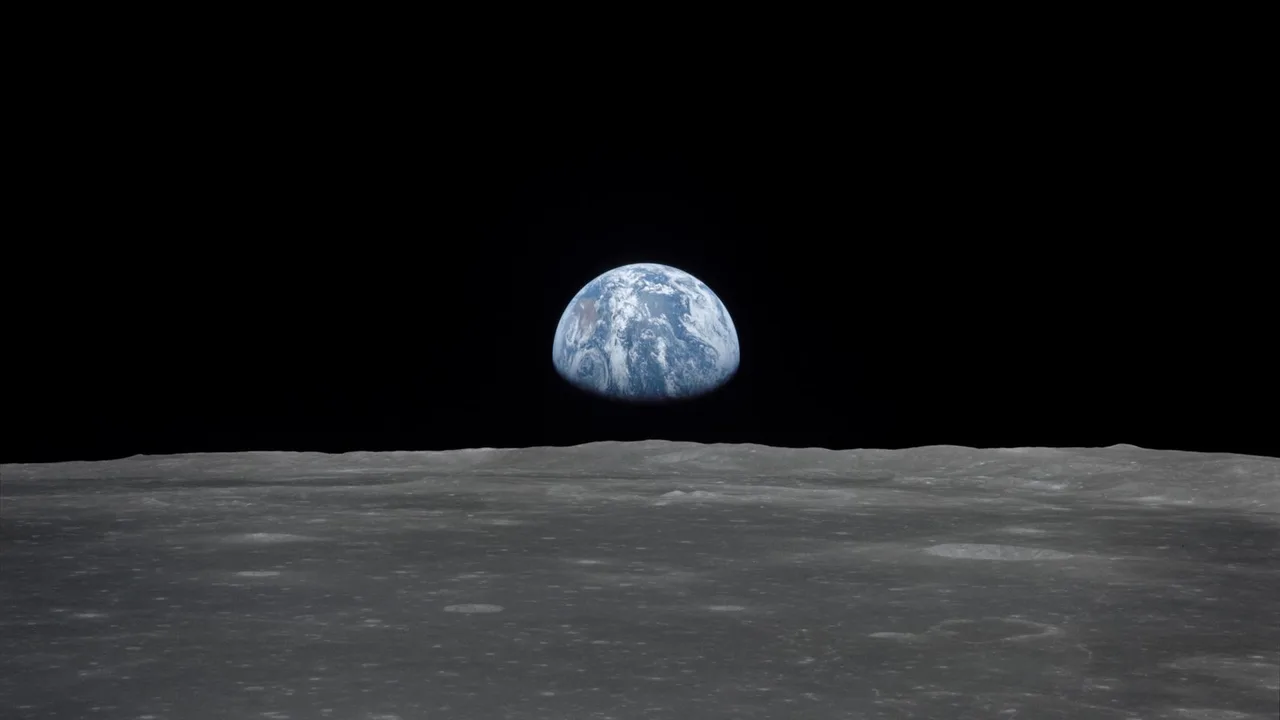
Here, the Earth is rising above the Moon's horizon near the area, which is well known as Smyth's Sea. This is one of the many images taken by the crew. During this mission, Armstrong and Aldrin spent about 21 hours and 36 minutes on the surface.
Armstrong’s view of Aldrin
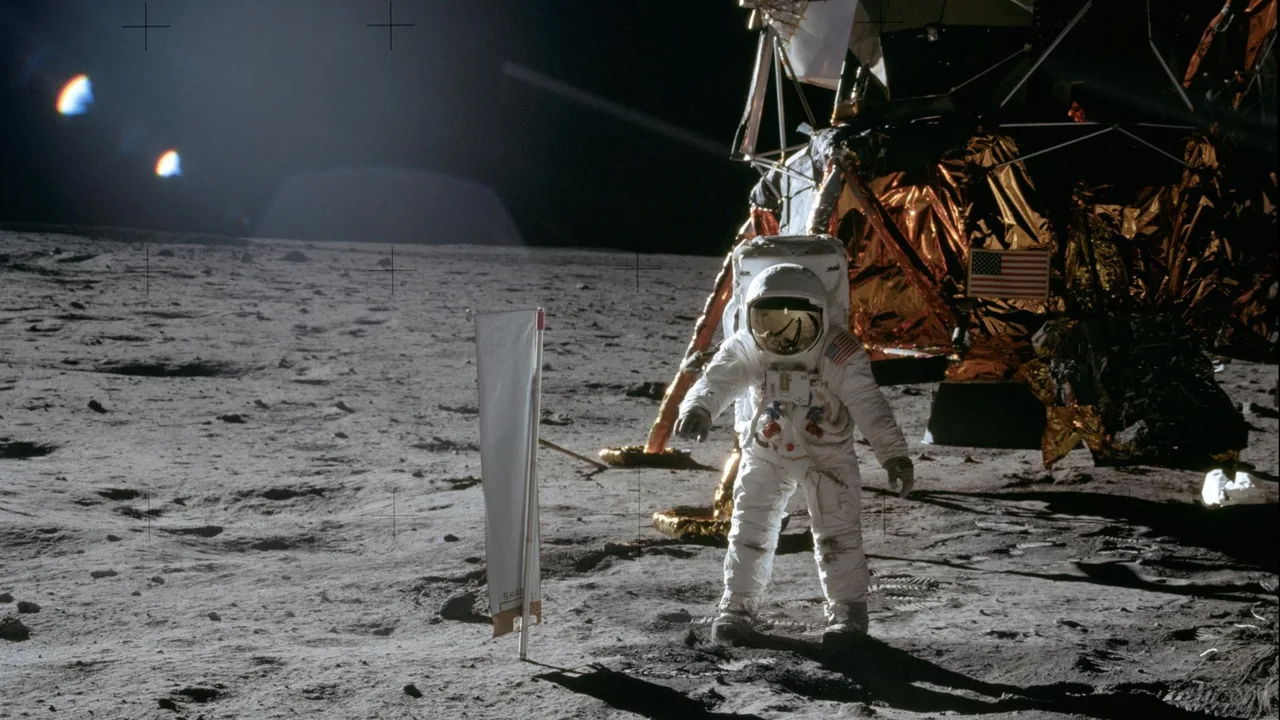
This is another image of Edwin E. Aldrin Jr., lunar module pilot, taken on the lunar surface. In the background, you can see the Solar Wind Composition (SWC) experiment on the right side. This photograph was taken by Neil A. Armstrong with his camera.
Can you spot Armstrong?
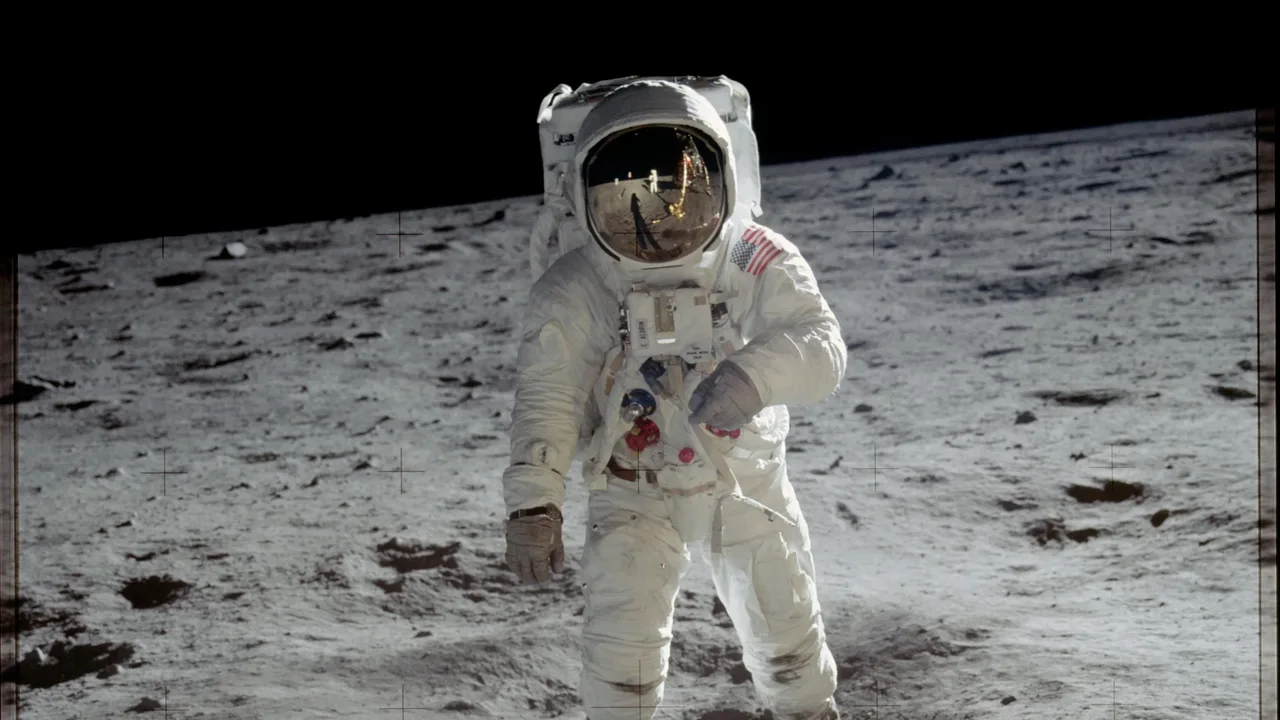
This one is even more special, as if you look closely at Aldrin’s visor, you can see the reflection of another human. This reflection is Armstrong himself. In fact, this is one of the very few photographs from the Moon where the first man to ever set foot on another world can actually be seen.
A glimpse of home from space
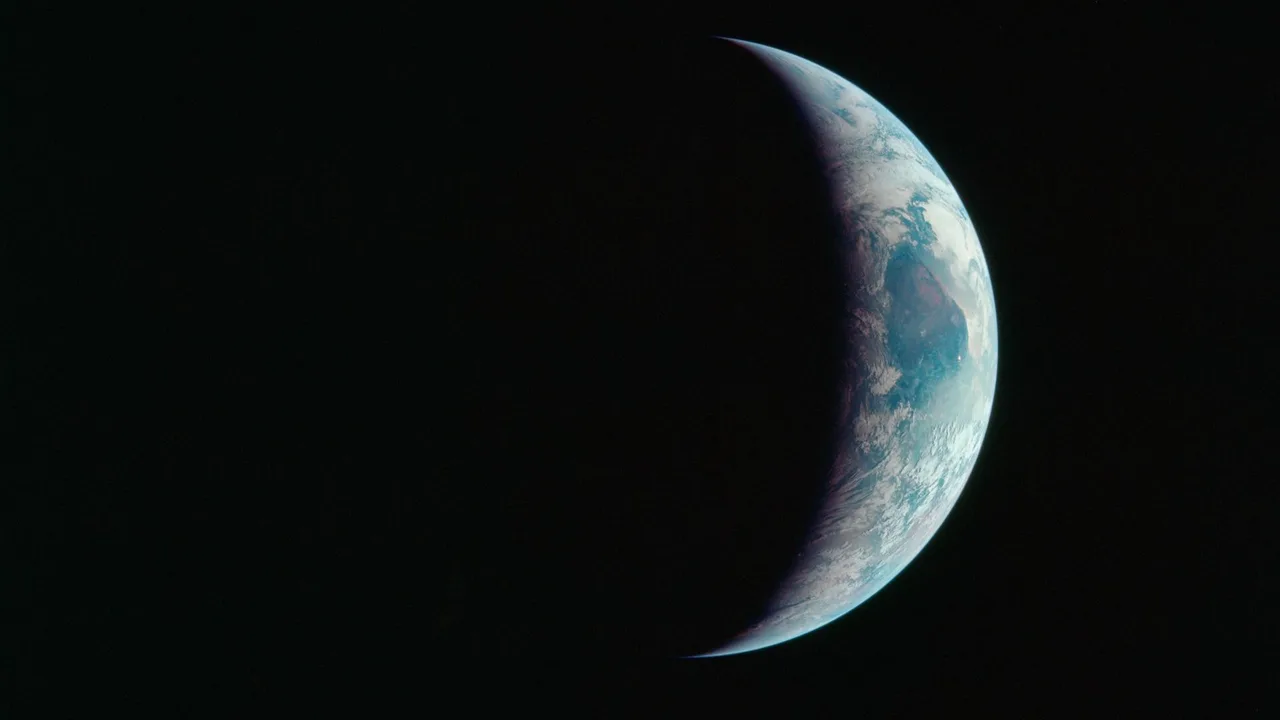
Here’s a rare view of Earth captured during the mission. This was taken from the spacecraft as the crew made their way to the Moon. You can see about one-third of Earth illuminated, with a portion of East Africa visible along the surface.
A footprint frozen in history
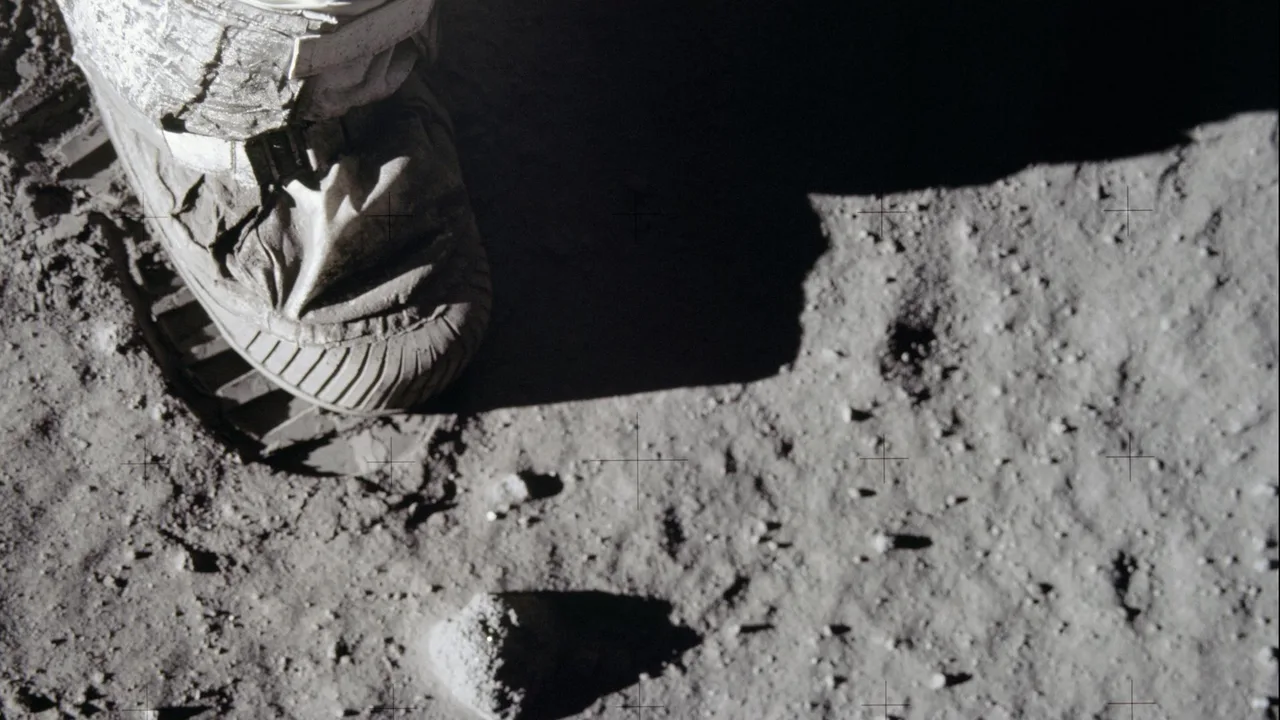
Down on the surface, every footprint they left behind was becoming part of human history. This is a close-up photograph of an astronaut’s boot and the footprint it left behind in the lunar soil during the Apollo 11 mission on July 20, 1969.
And it could last millions of years
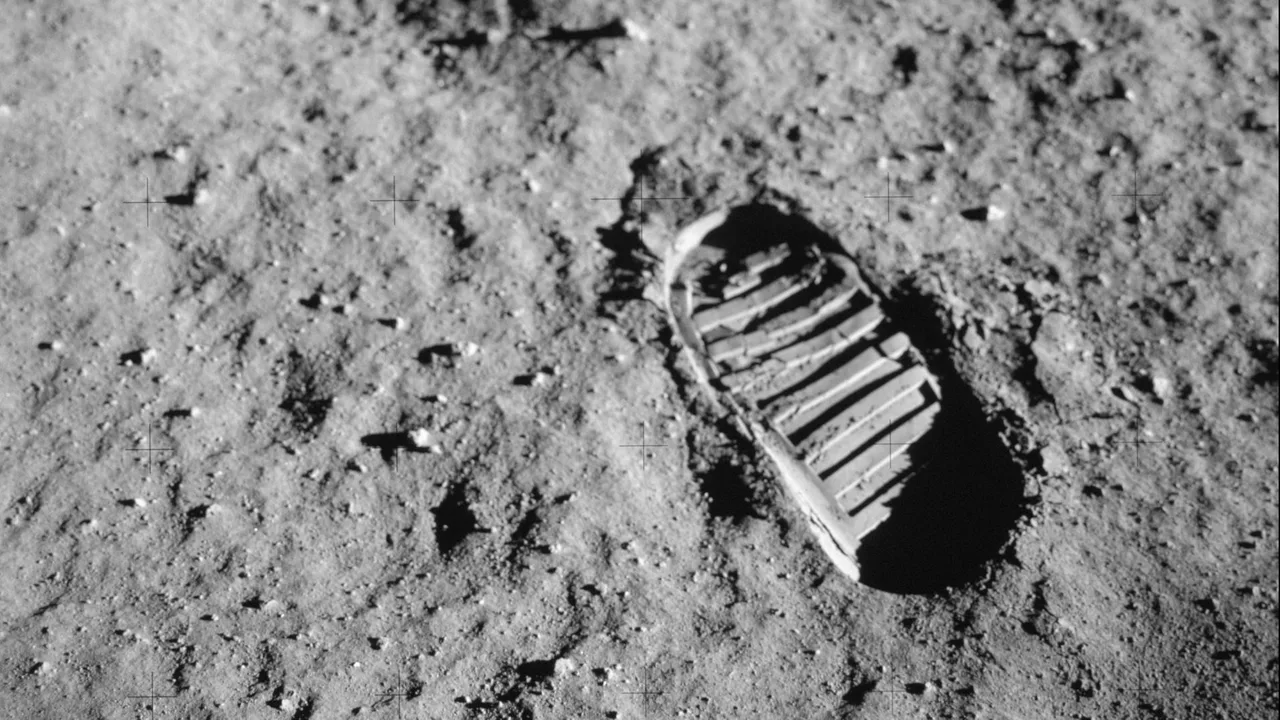
It may look like just a footprint, but it was something the world had never seen before. This footprint will remain there for at least ten million years. This is because there is no wind or anything to erase it.
Back from the Moonwalk
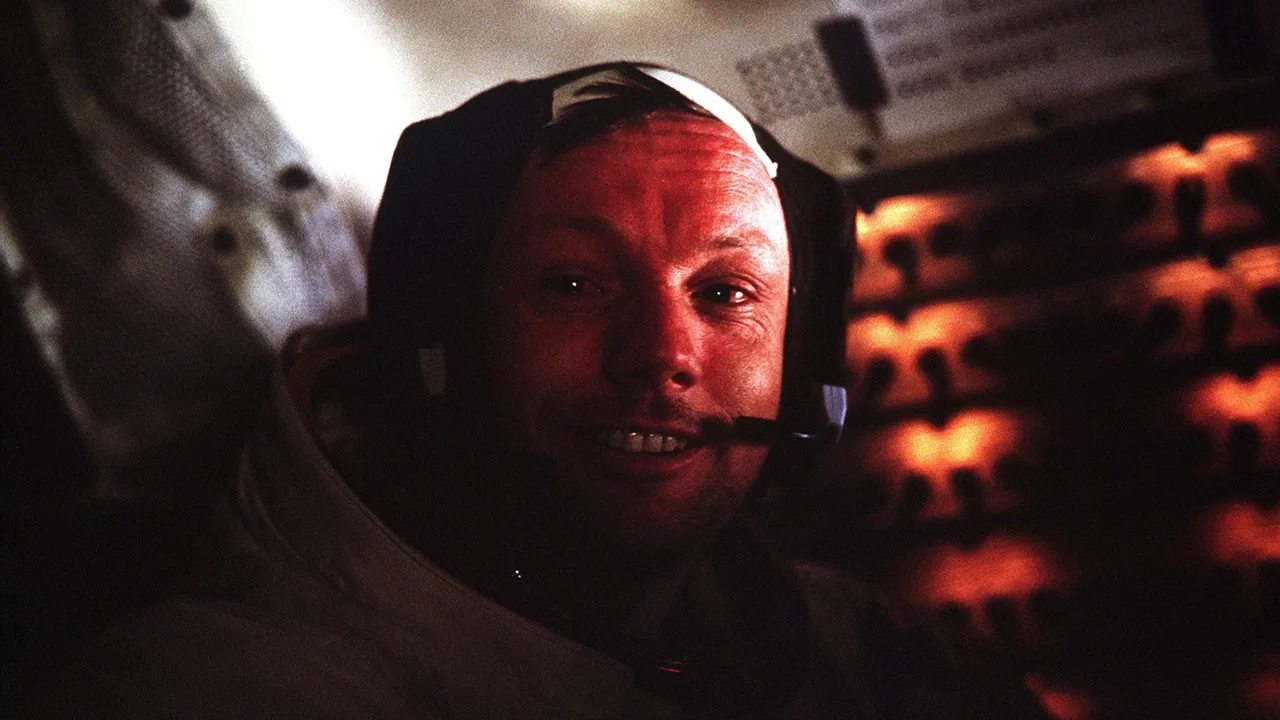
This photograph shows Neil Armstrong inside the lunar module Eagle after he and Edwin “Buzz” Aldrin had completed their historic walk on the Moon. The two astronauts had spent hours exploring the lunar surface before returning to the module, while Michael Collins remained behind in lunar orbit aboard Columbia.
The journey home begins
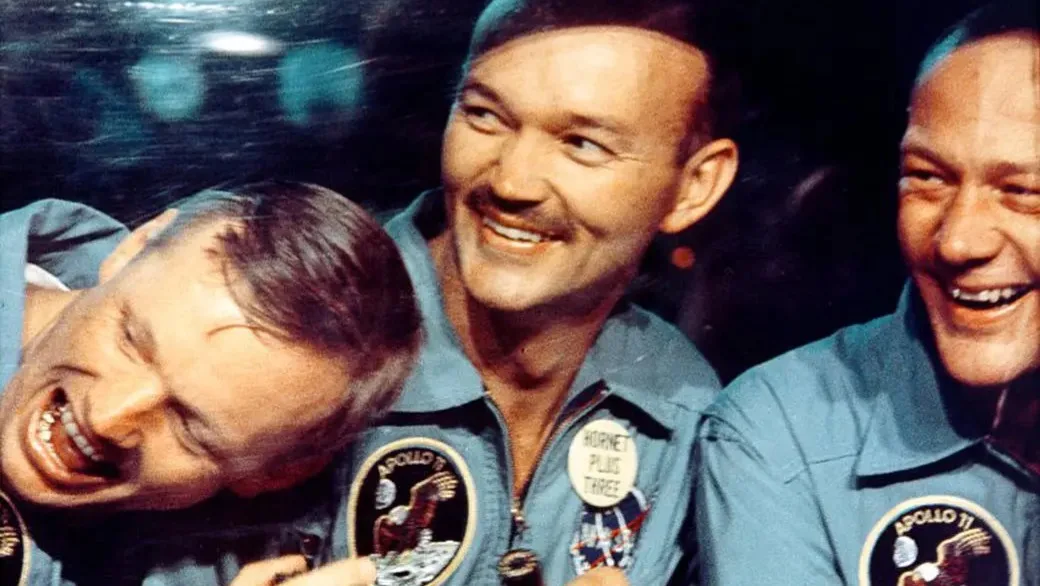
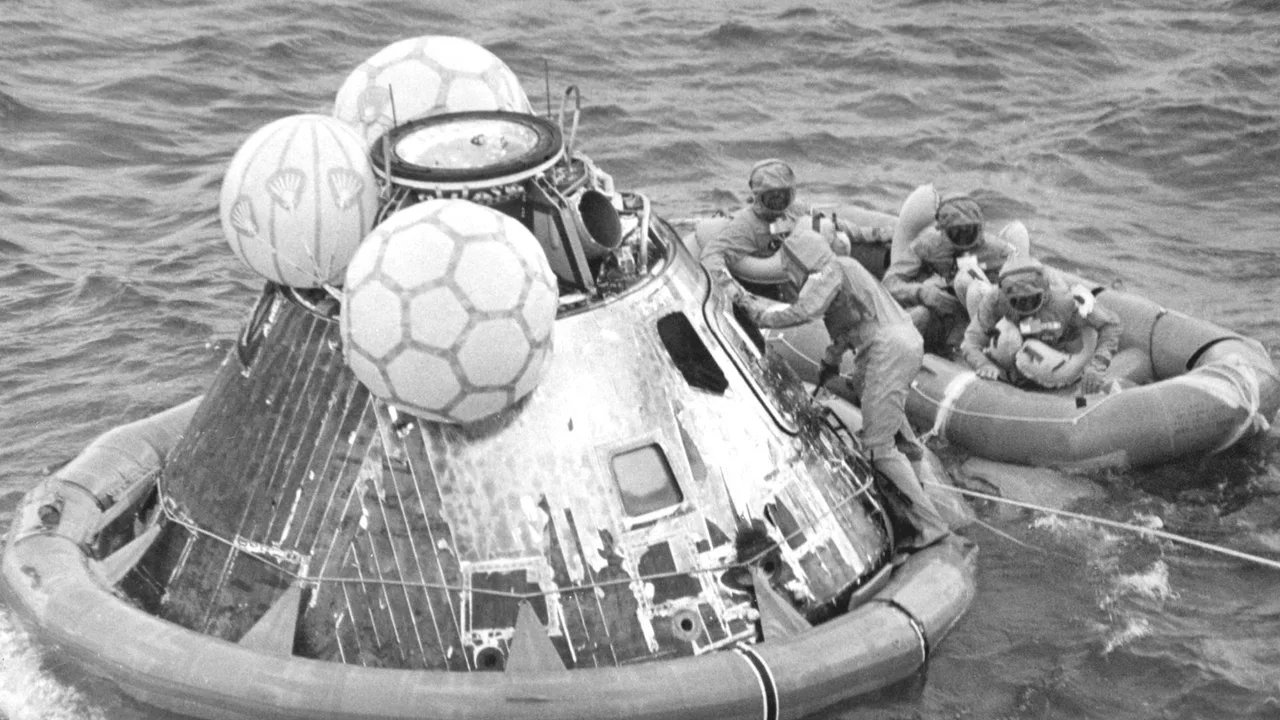
After traveling to the Moon and making history, the Apollo 11 crew finally returned to Earth on July 24, 1969. This photograph shows the recovery operation in the Pacific Ocean after the spacecraft splashed down.
President Richard M. Nixon welcomes the astronauts
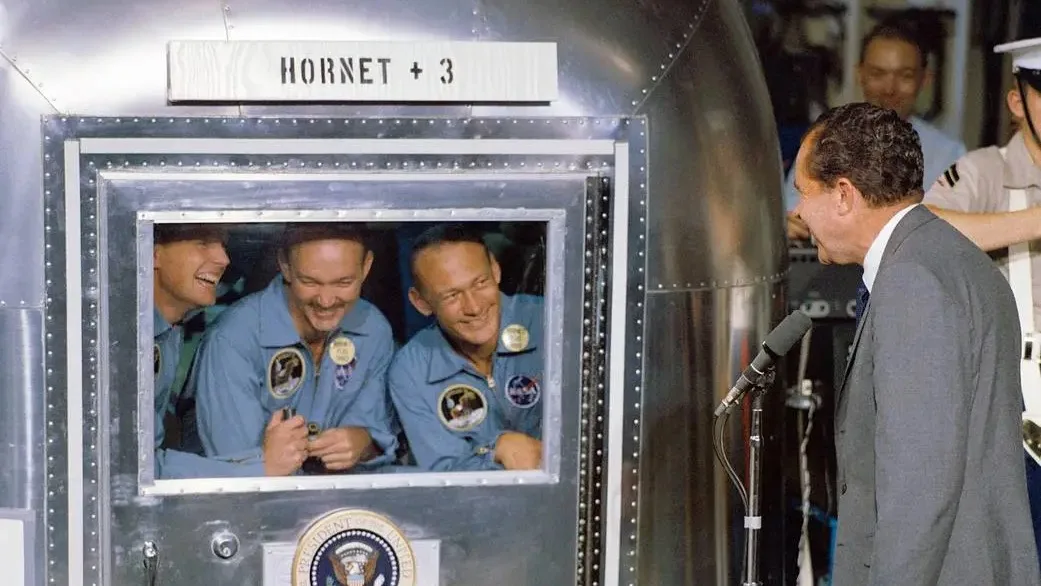
The Apollo 11 astronauts were welcomed back by President Richard M. Nixon in the central Pacific. Nixon had traveled to the recovery area to greet Neil Armstrong, Michael Collins, and Edwin “Buzz” Aldrin aboard the USS Hornet, which served as the mission’s primary recovery ship.
A homecoming like no other
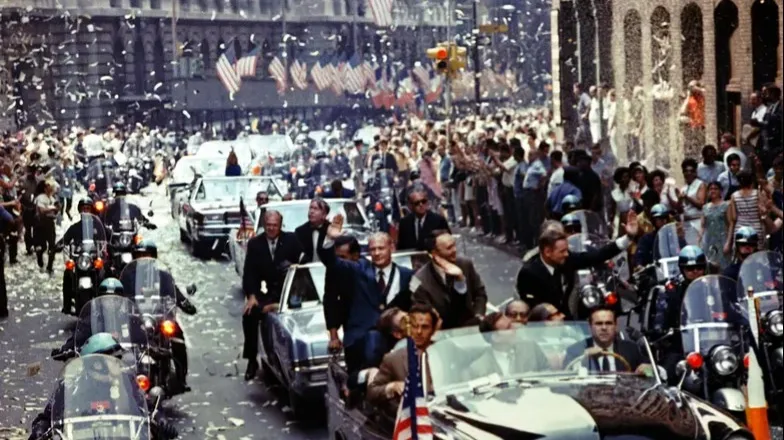
The astronauts were given a hero’s welcome in New York City. In the image, you can see thousands of people as they filled the streets to see the Apollo 11 astronauts. Crowds threw so much paper from the buildings that it became a record-breaking celebration.