Strange 'spiderweb' formations spotted on Mars: NASA explains what's really going on
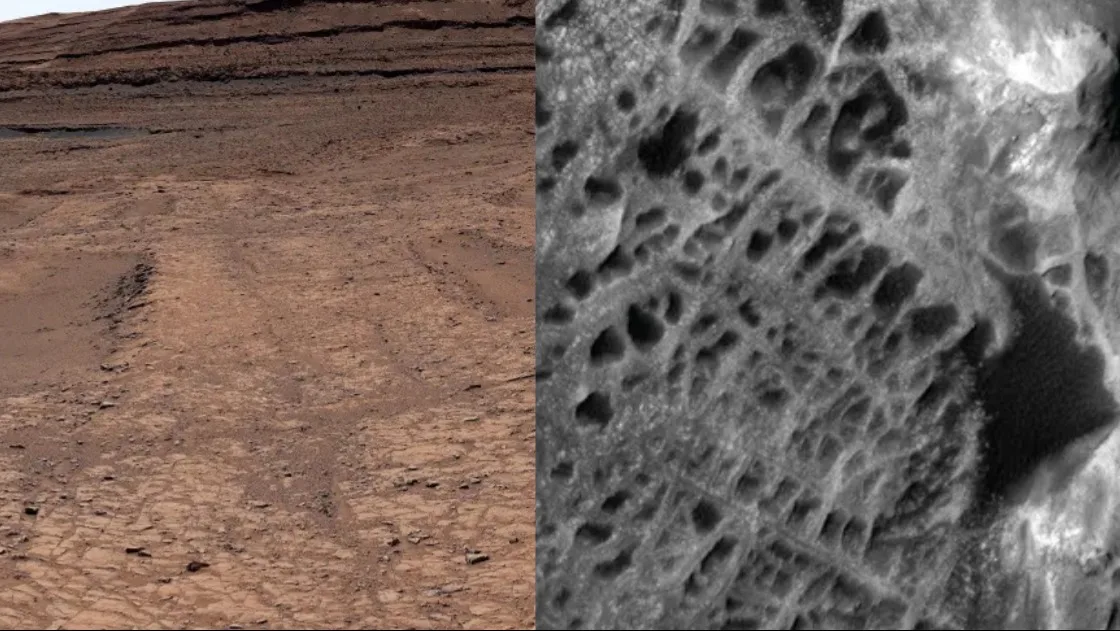
The strange "spiderwebs" of Mars
NASA's rovers on Mars have seen quite some strange objects on the surface of the planet. This includes strange, heat-shaped formations and even a perfectly cut ‘doorway’ that has raised many questions.
Out of all the images the rovers have captured so far, there are some strange, giant "spiderweb" structures seen on the surface that have puzzled scientists for a long time. Here's what NASA says about them.
Giant 'spiderwebs' spotted with tiny egg-like structures
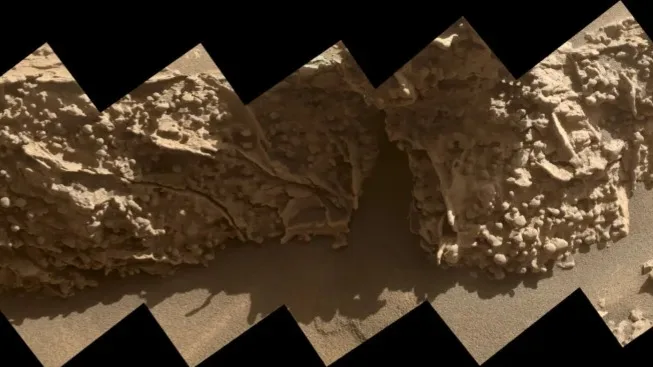
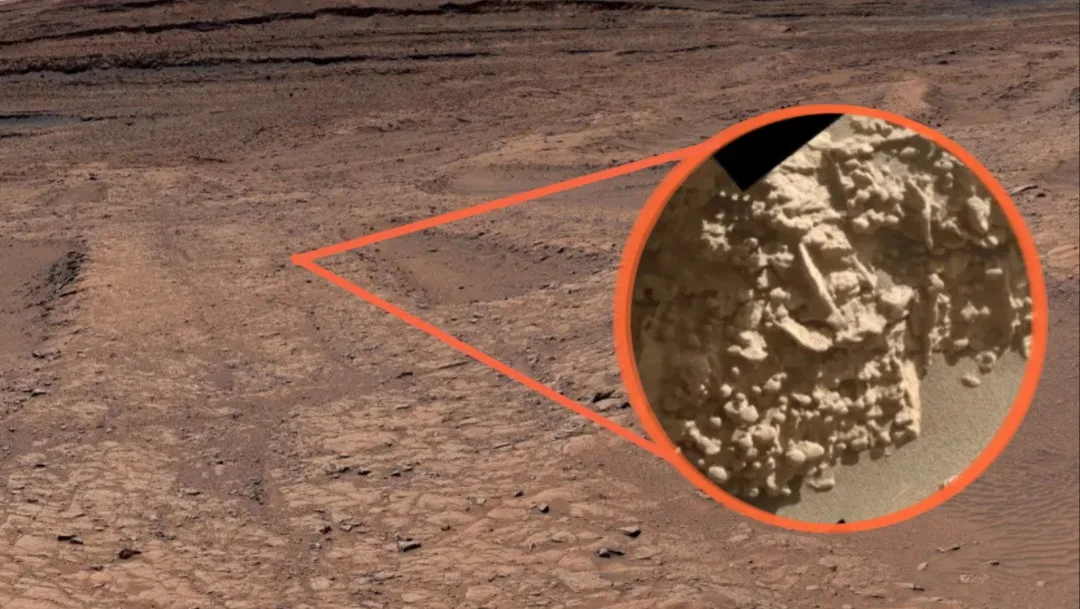
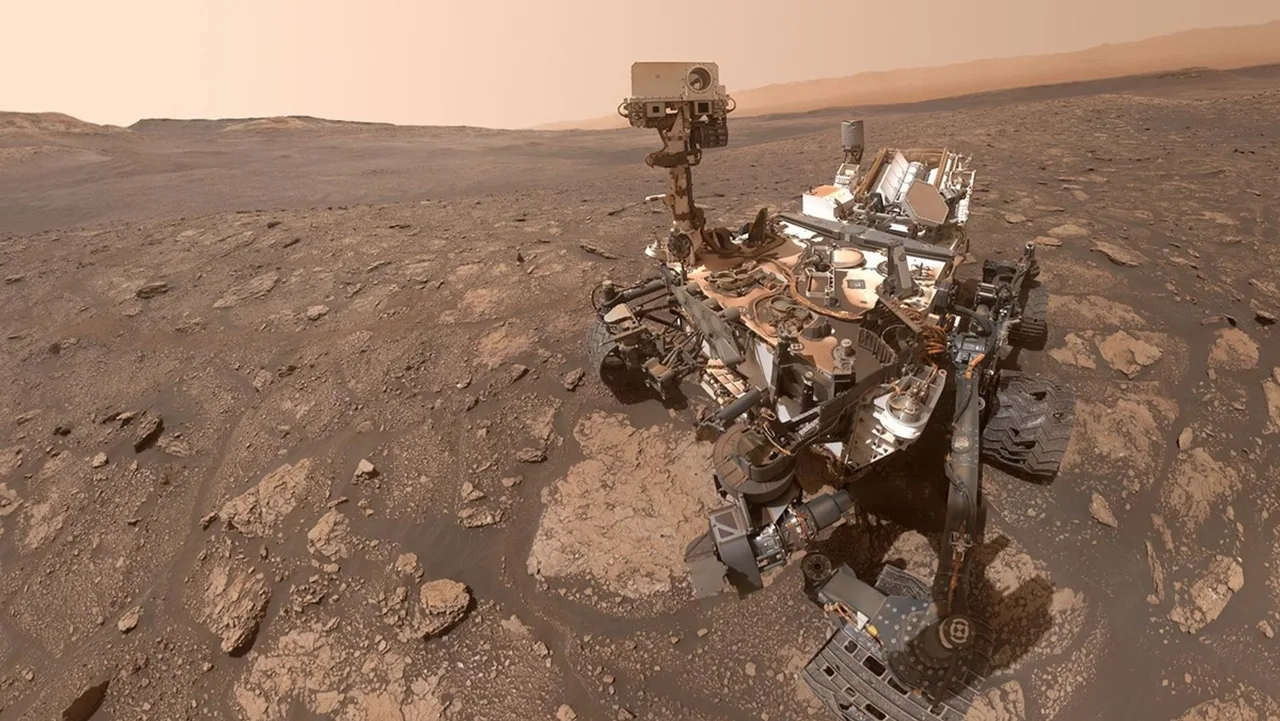
The Curiosity rover has shared some of the strange images of spiderweb-like "boxwork" structures that appeared on the surface of Mars. These images show egg-like spheroids. These ridges cover an area of up to 12 miles (20 kilometers) across, and scientists say they can't be sure what these are.
Commenting on this, Tina Seeger, a planetary scientist at Rice University in Houston who is leading Curiosity's boxwork investigations, said, "We can't quite explain yet why the nodules appear where they do. Maybe the ridges were cemented by minerals first, and later episodes of groundwater left nodules around them." But more work is needed to confirm if this is the case.
A close-up look that scientists had been waiting for
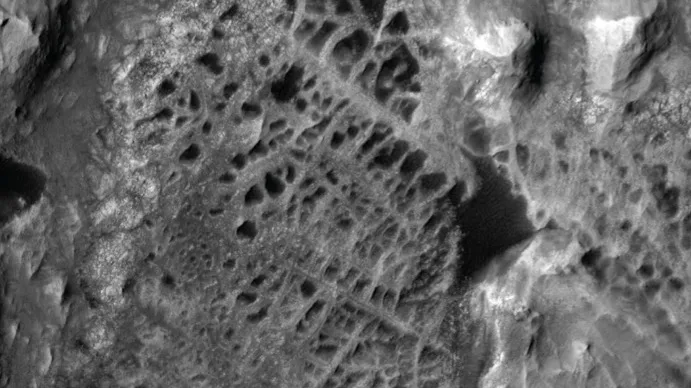
These boxwork ridges were actually first spotted by spacecraft orbiting Mars back in 2006, but nobody had gotten a close look until now. Curiosity has been carefully exploring the area and capturing detailed photos.
As per NASA, these ridges themselves stand 3 to 6 feet tall. Also, these are not the other famous ‘spiders on Mars’ spotted by the rover before. Those were formed when frozen carbon dioxide beneath the surface turned into gas and burst through the ground in a spidery pattern.
So what's actually behind these giant ‘spiderwebs’?
As per NASA, the answer is water. Billions of years ago, water beneath the surface of Mars slowly made its way through cracks in the Martian rocks. As this water moved through the cracks, it left behind mineral deposits that slowly hardened over time.
Then, over millions and millions of years, the softer rock around these hardened cracks was blasted away by Martian winds. But the mineral-filled cracks were much harder and survived. Over time, this created the strange ridges that now look almost like giant ‘spiderwebs’.
What makes this patch of Mars so unique?
Interestingly, this place is located high on Mount Sharp, which is the mountain Curiosity has been climbing since it landed in Gale Crater in 2012. If these signs really came from ancient groundwater, then it could mean water may have existed at much greater heights on the Red Planet.
Commenting on this, Tina Seeger said, “Seeing boxwork this far up the mountain suggests the groundwater table had to be pretty high. And that means the water needed for sustaining life could have lasted much longer than we thought looking from orbit.”