330 million light-years of darkness: The mystery of The Great Nothing—the Boötes Void
Where the light of galaxies gives way to nothingness
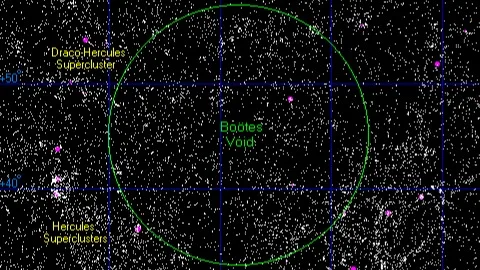
When astronomers peer into the night sky, they expect to see a multitude of lights, a glowing network of galaxies anchored by gravity. But, deep in the direction of the constellation of Boötes, 700 million light-years away, lies one of the most terrifying and dark places in the universe. Often nicknamed 'The Great Nothing', the Boötes Void was discovered in 1981 by astronomer Robert Kirshner and his team, and is one of the largest empty pockets in the known universe.
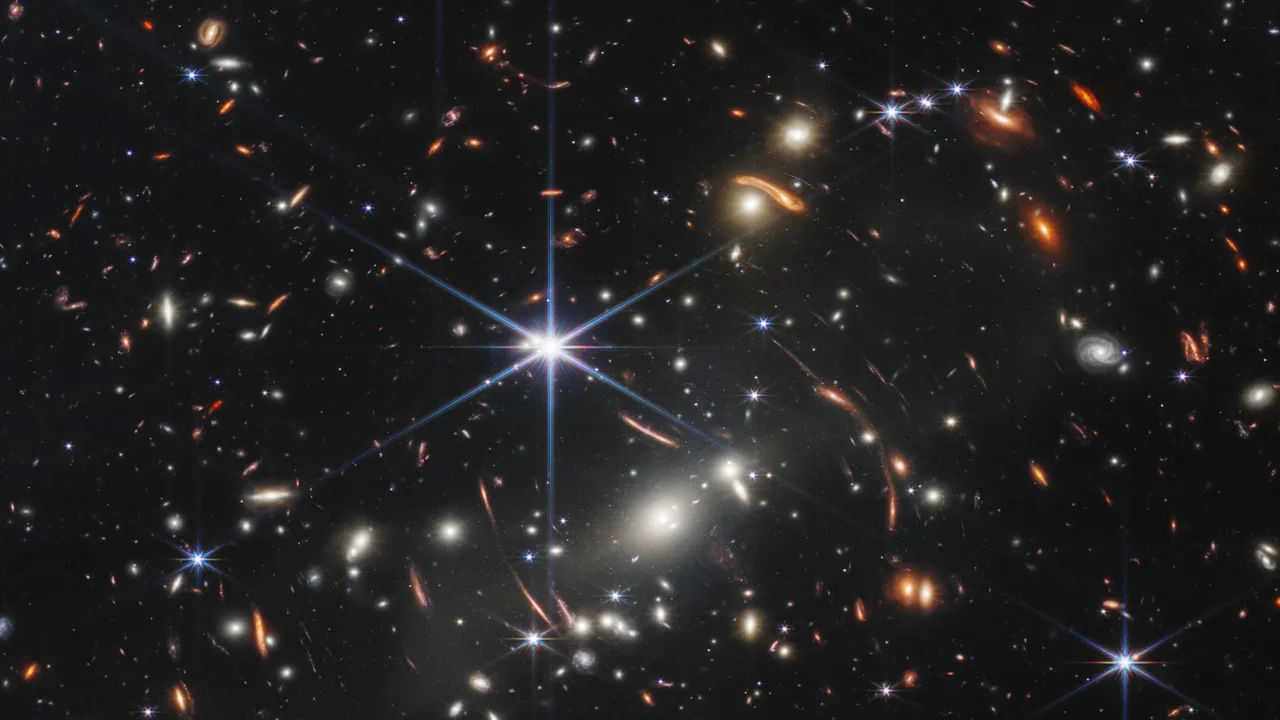
This near-infrared image of galaxy cluster SMACS 0723 by the James Webb Space Telescope (JWST) shows thousands of galaxies flood.
330 million light-years of darkness
The Boötes Void isn't just an empty patch of sky, but a literal hole in the universe. Spanning a mind-boggling 330 million light-years across, it is wide enough to fit more than three thousand galaxies like the Milky Way end-to-end. Yet, instead of containing galaxies in the thousands, this colossal patch of space is almost empty, with deep space observations detecting a measly 60 isolated galaxies inside this 'supervoid'.
A pitch-black abyss
Despite being located in the Orion Arm, about halfway to the edge of the Milky Way, the view of the night sky from Earth is nothing short of brilliant, replete with millions of points of light, from distant stars to nebulae and other galaxies like Andromeda that are close enough to be seen with a simple telescope. However, if our Solar System were to be located inside the Boötes Void, the view would be entirely different: as astronomer Greg Aldering famously noted, if such were the case, "we wouldn't have known there were other galaxies until the 1960s." In other words, because the Boötes Void has such unimaginably large patches of empty space, an observer deep in its center would find the nearest galaxy to be over 100 million light-years away instead of being only a few million light-years off in the distance. Hence, to an observer in the void, the sky wouldn't be the spectacle we see, but an abyss hiding the rest of the universe.
How did such a terrifying place even come to be?
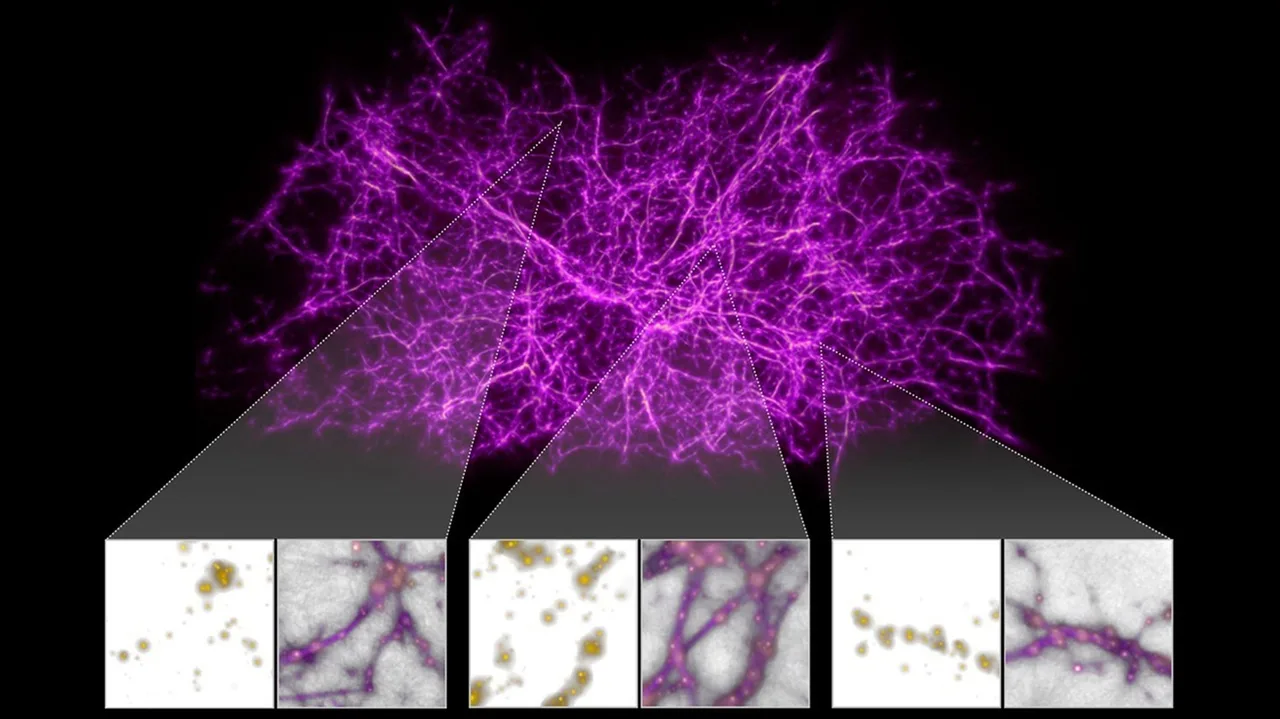
Despite its mind-boggling scale, astronomers believe the Boötes Void did not start out as a giant cosmic hole, but evolved into the monstrosity that it is. In the early universe, small variations in density caused gravity to pull matter towards denser regions, giving rise to the web-like structure comprising filaments of galaxies and empty gaps in between. Over billions of years, some of these empty gaps or voids collided to form larger supervoids like the Boötes Void.
A dark energy lab?
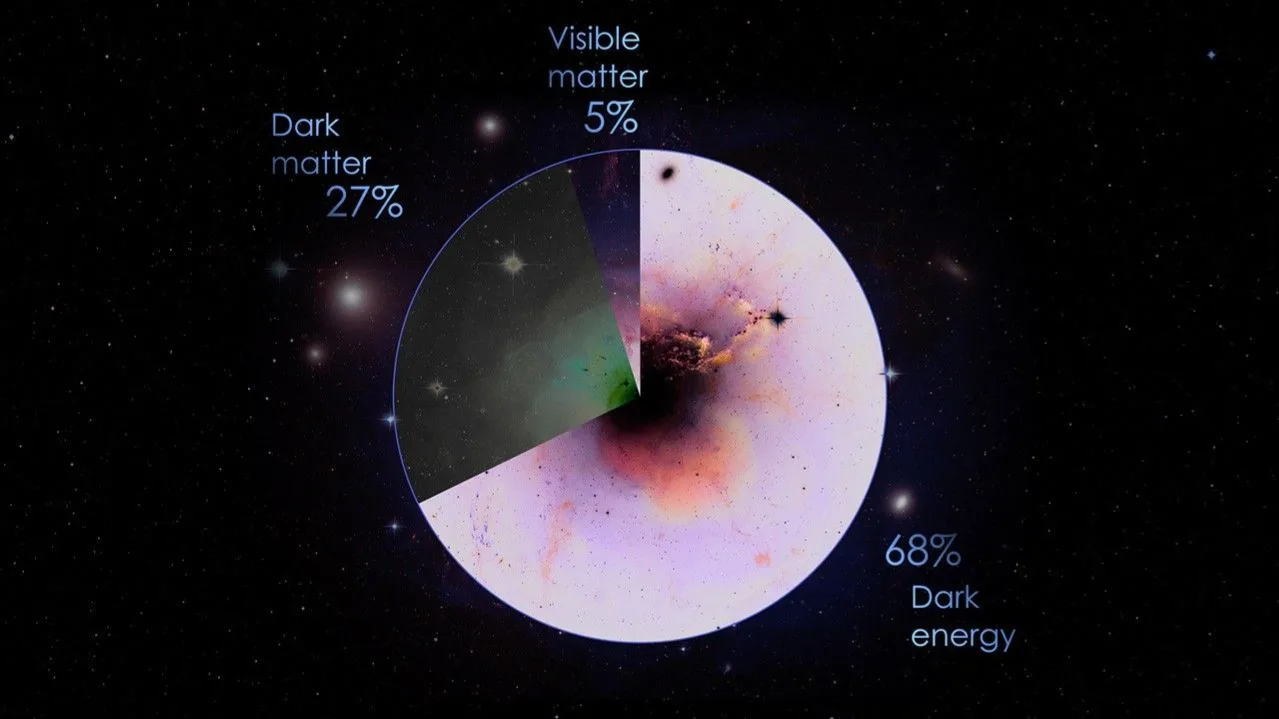
While it is tempting to think of the Boötes Void as a cosmic anomaly inspiring terror, it actually serves as an important laboratory for astrophysics. Being almost entirely devoid of normal matter, these voids are believed to be dominated by dark energy, the mysterious force scientists believe is causing the universe's expansion to accelerate. By studying how supervoids grow and how light from distant background galaxies bends around them, scientists can test Einstein’s theory of General Relativity in these extreme environments, which can offer insights into how dark matter shapes the universe and how galaxies migrate over billions of years.