NASA’s permanent Moon base could span hundreds of square miles: 'We'll not slow down'
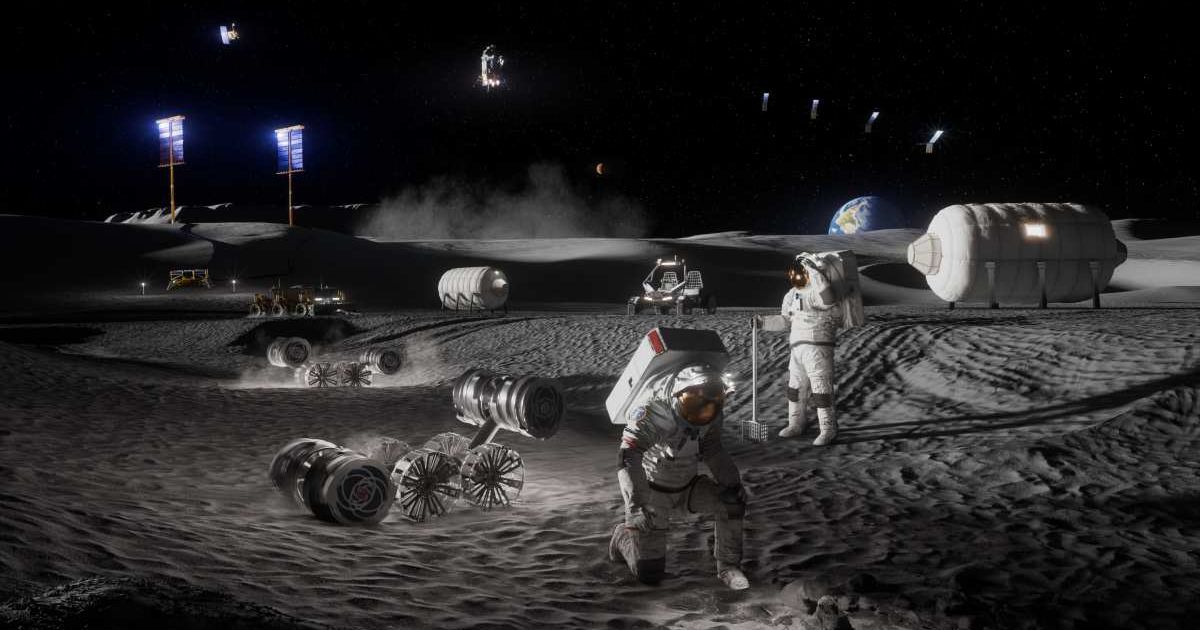
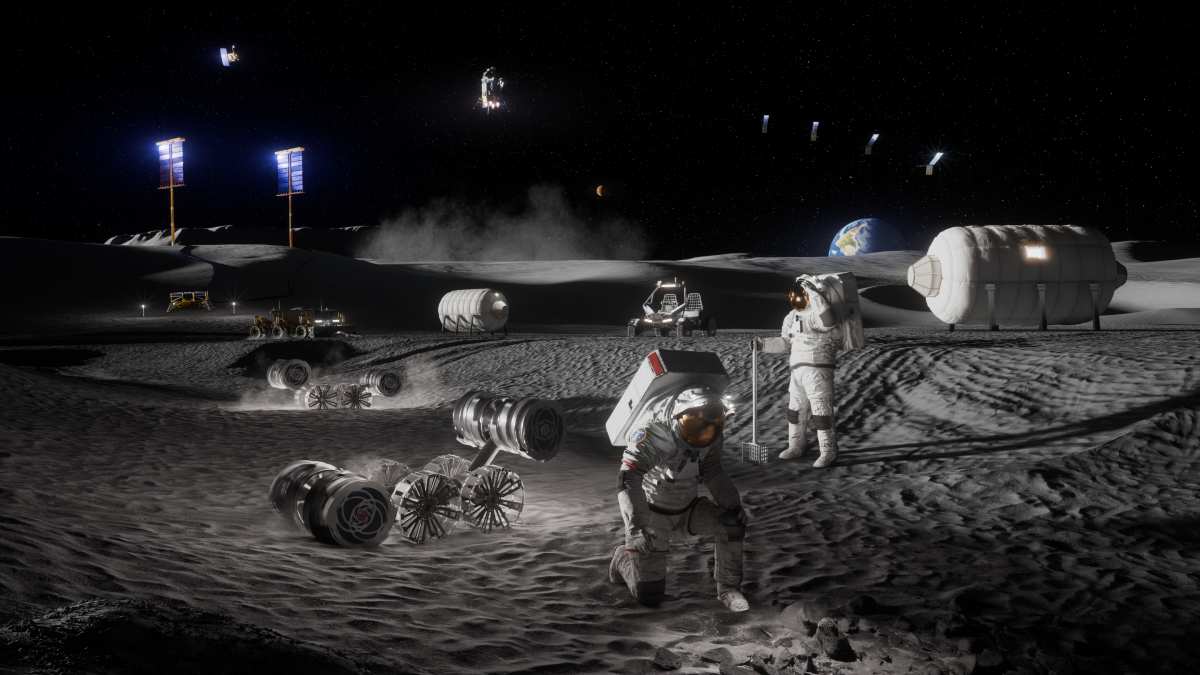
NASA’s vision for a Moon base is far larger than a traditional, compact outpost. On May 26, the agency revealed its plans for a lunar presence near the Moon’s South Pole that could eventually span hundreds of square miles. The base will be equipped with scout drones, autonomous crewed rovers, and a phased construction timeline stretching well into the 2030s. NASA has already begun collaborating with commercial partners to make this goal a reality, with initial preparatory lunar missions expected in 2026.
Commenting on the scale and ambition of the Moon Base, NASA Administrator Jared Isaacman said, "The Moon Base will be America's and humanity's first outpost on another celestial world. Every mission, crewed and uncrewed, will be a learning opportunity as we return to the lunar surface, build the infrastructure to stay, and master the skills required to live and operate in one of the most demanding and dangerous environments imaginable."
Why does the Moon base need so much space?
While the scale of the base may seem surprising, NASA shared that it emerged naturally. The large footprint is required because the base will include habitats that sit on elevated terrain to catch sunlight for power, and will also require nuclear power for its energy needs. These nuclear power systems would need to be placed at least a kilometer away from the crew quarters due to the radiation concerns. On top of that, science sites, landing zones, and supporting infrastructure will each need their dedicated space. All of these facilities combined, the layout of the base will look more like a well-structured city than a temporary campsite.
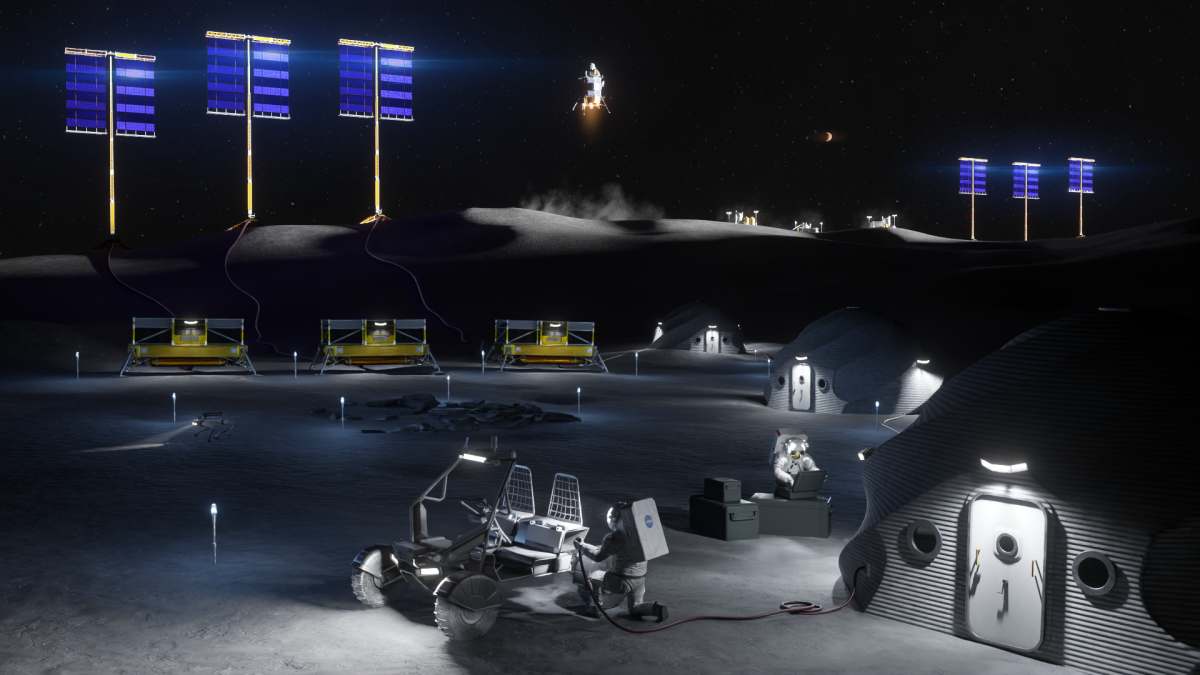
Another reason for the lunar base's sprawl is the rugged topography of the South Pole, which features uneven terrain and deep, shadowed craters. Because of the terrain, it is not possible to closely cluster facilities. With this initiative, NASA is working to turn the Moon from a destination for short visits into a place where astronauts can live and conduct research. Speaking about the plans, Moon Base Program Executive Carlos García-Galán said, “We’re going to want to explore different sites to really maximize the mix of scientific objectives and viability of a permanent presence. We’re going to be able to basically put them at the corners of the areas where we think we have either key scientific objectives or where we want to build up the moon base. Then we’ll be able to say, ‘Hey, we’re permanently here and we’re not giving it up.’”
How NASA plans to build the Moon base?
Before NASA can start constructing the main base and supporting infrastructure, the agency must map the treacherous terrain of the lunar South Pole. Enter MoonFall, a mission tasked with using drone scouts to survey the terrain and identify potential landing sites for future Artemis astronauts. Developed by NASA's Jet Propulsion Laboratory (JPL), these drones will feature propulsion systems that allow them to leap across the Moon's surface to map hard-to-reach areas. For this mission, Firefly Aerospace will provide the Elytra spacecraft to transport drones from Earth's orbit to the Moon, with a launch targeted for 2028. In additon to scounting for landing sites, the drones sent in MoonFall will also essential establish a robotic perimeter for humanity's first outpost on another world.
Additionally, NASA is working closely with two companies to build Lunar Terrain Vehicles (LTVs). These are large, unpressurized, open-air rovers designed to carry suited-up astronauts across the lunar surface. These LTVs will also have the ability to operate autonomously when no crew is present. In many ways, they will function like cars or utility vehicles on Earth. For the development of these rovers, NASA awarded Astrolab $219 million and Lunar Outpost $220 million to build and deliver the first phase of LTVs, with the goal of deploying crewed and uncrewed mobility systems to the lunar surface by 2028. Both rovers will be dropped off on the Moon by Blue Origin's Blue Moon lander, under contracts totaling around $468 million.
The bigger picture
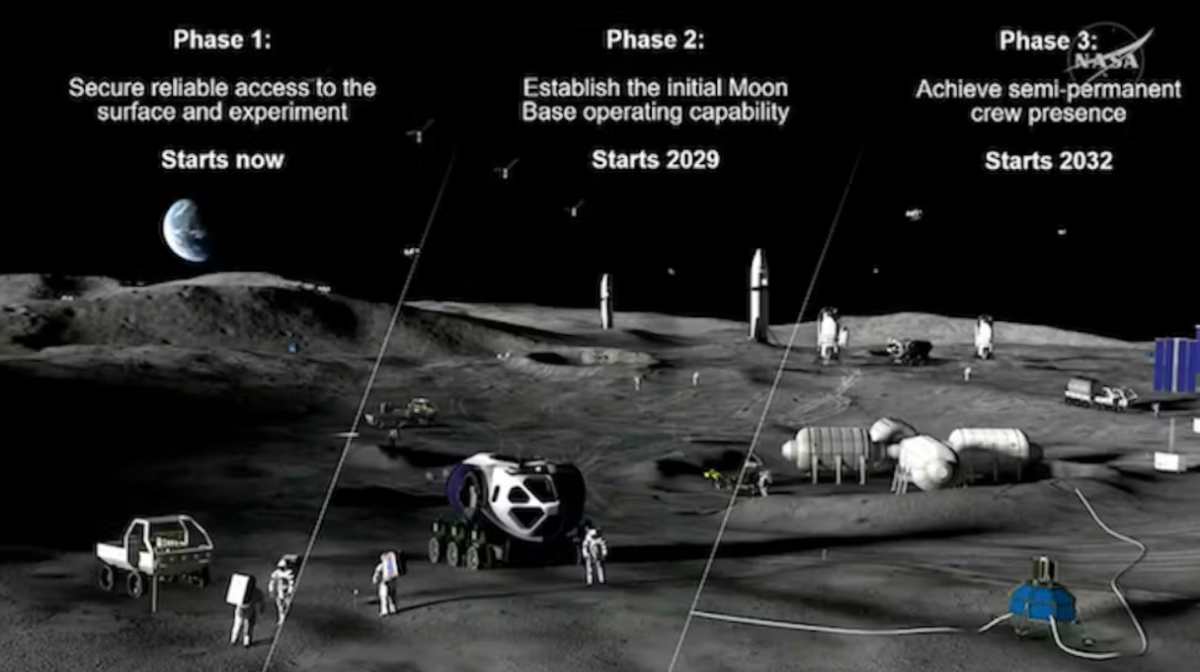
The construction of the Moon Base will take place in three phases: early robotic missions and site surveys through 2029, initial base operations from 2029 to 2032, and semi-permanent human presence from 2032 onwards. More than a dozen missions are expected to be announced this year alone, each designed to generate operational data and reduce risk ahead of crewed Artemis surface activities.
This push toward a long-term presence on the Moon is also tied to growing international interest in the lunar South Pole. Speaking at NASA's Moon Base press conference on May 26, NASA Administrator Jared Isaacman said, "I think it's important for us to get there first. The idea that there are areas of great interest on the lunar surface—we do want to get there and explore them. We also obviously want to be very mindful of the Outer Space Treaty, so that we are respectful of other nations that are putting assets on the lunar surface. We would expect that to be reciprocal." He added, "For those waiting patiently, the grand return is close at hand, and we will not slow down. We are really just getting started."
More on Starlust
ISS cosmonauts to perform the 2nd spacewalk of the year this week—here's how you can watch it live
SpaceX's Starship V3: Five things we learned from the launch of the most powerful rocket ever built