✕
Astronomy Constellation Deep Sky Objects Skywatching Instruments Spaceflight Videos
Home / Galleries

Scientists say the universe could tear itself apart. Here's how

Astronomy Sep 10, 2026
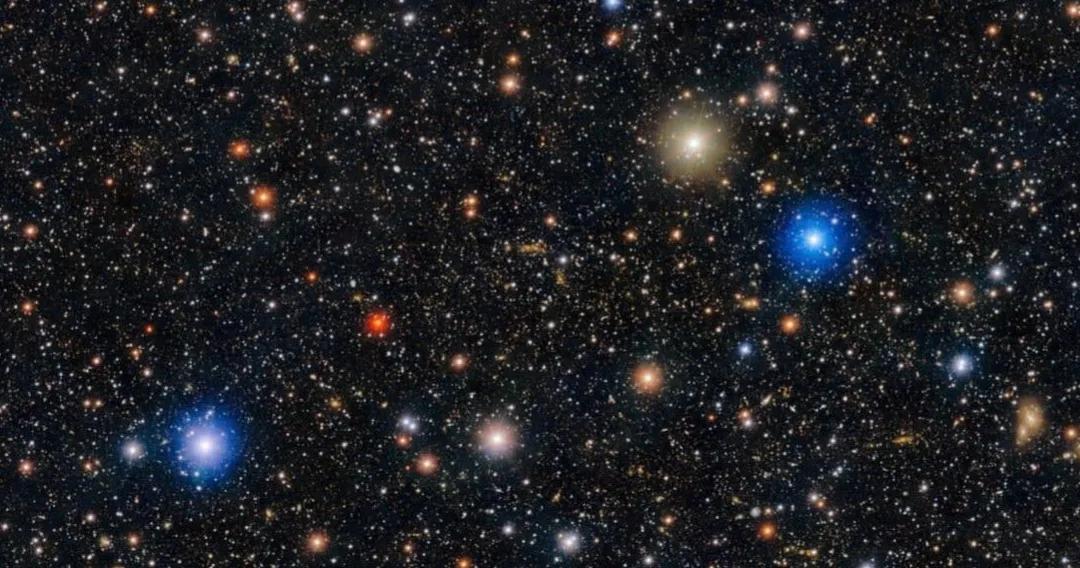
BY ANKITA GARKOTI
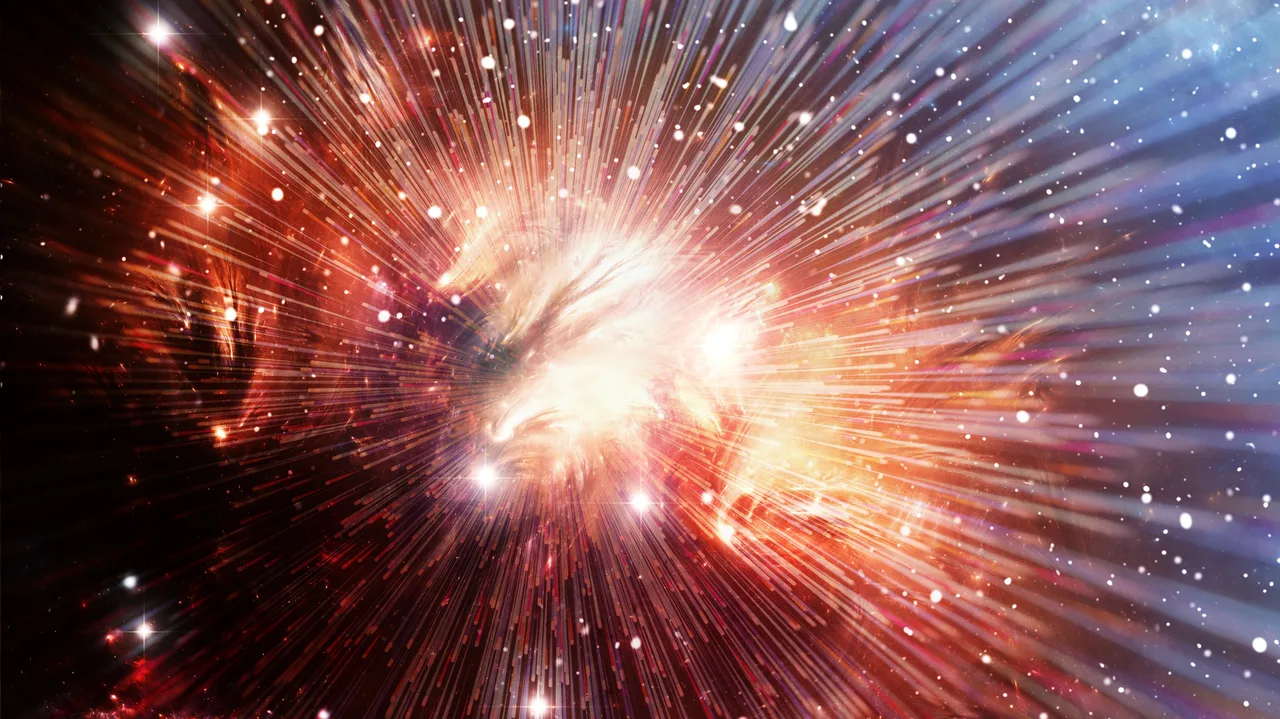
Streaking colored lights represent an expanding universe. (Representative Cover Image Source: John Lund/Getty Images)
What if the universe doesn’t simply fade into nothing, but literally starts coming apart? That’s the eerie premise of the Big Rip.
6 Photos
1 / 6
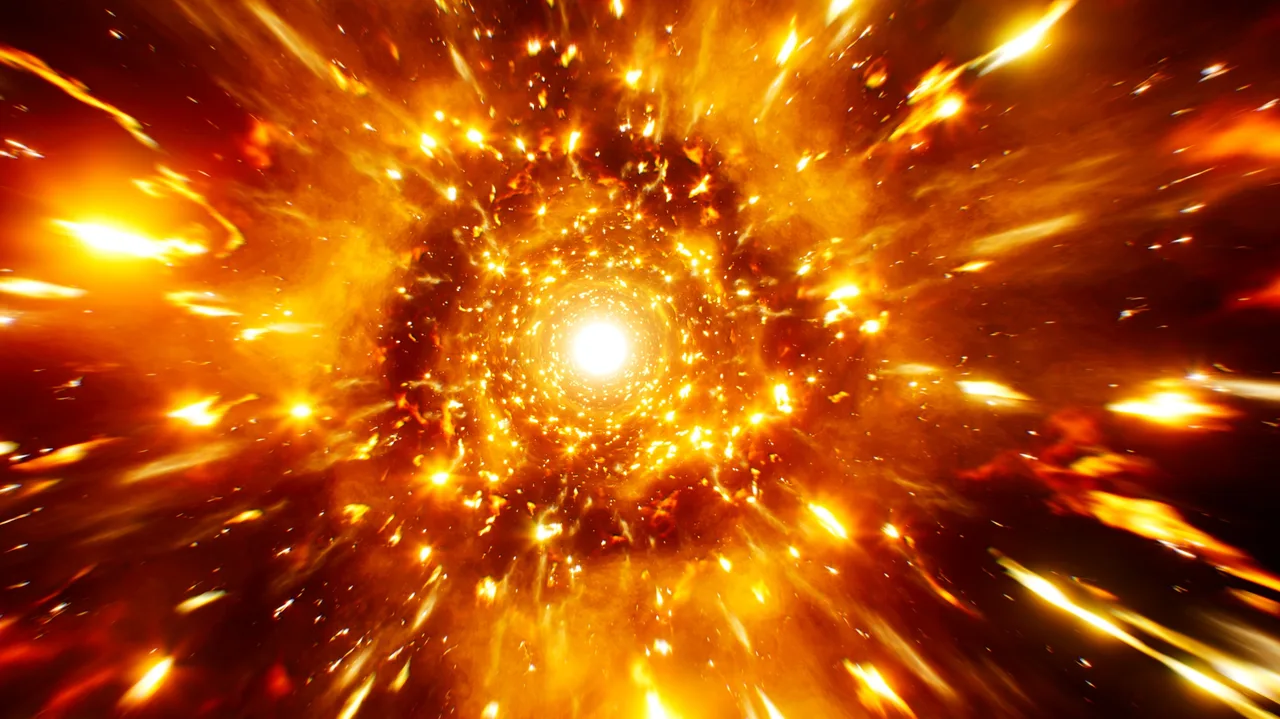
The universe’s most violent ending
IMAGE SOURCE: NONVFXSTUDIO/GETTY IMAGES

The universe’s most violent ending

When we think about how everything would come to an end, we often imagine that the universe would slowly fade into dark nothingness over time. But there’s a theory, famously known as the Big Rip, that says it could end in the worst way possible. And if that really comes true, the universe would eventually start tearing itself apart and rip apart the very fabric of space itself.

But how could something like that actually happen? Here’s how.

2 / 6
What exactly is the Big Rip?
IMAGE SOURCE: NOIRLAB | PHOTO BY CTIO/NOIRLAB/DOE/NSF/AURA

What exactly is the Big Rip?

This theory was first introduced in a 2003 paper by Dartmouth physicist Dr. Robert Caldwell, who at that time worked alongside Dr. Marc Kamionkowski and Dr. Nevin Weinberg of Caltech. Even Caldwell said, "In some ways it sounds more like science fiction than fact." 

Explaining this, Dr Marcelo Disconzi, the mathematician at Vanderbilt University in Tennessee, told The Guardian, “The idea of the Big Rip is that eventually even the constituents of matter would start separating from each other. You’d be seeing all the atoms being ripped apart ... it’s fair to say that it’s a dramatic scenario.”

3 / 6
And this could come true in about 22 billion years
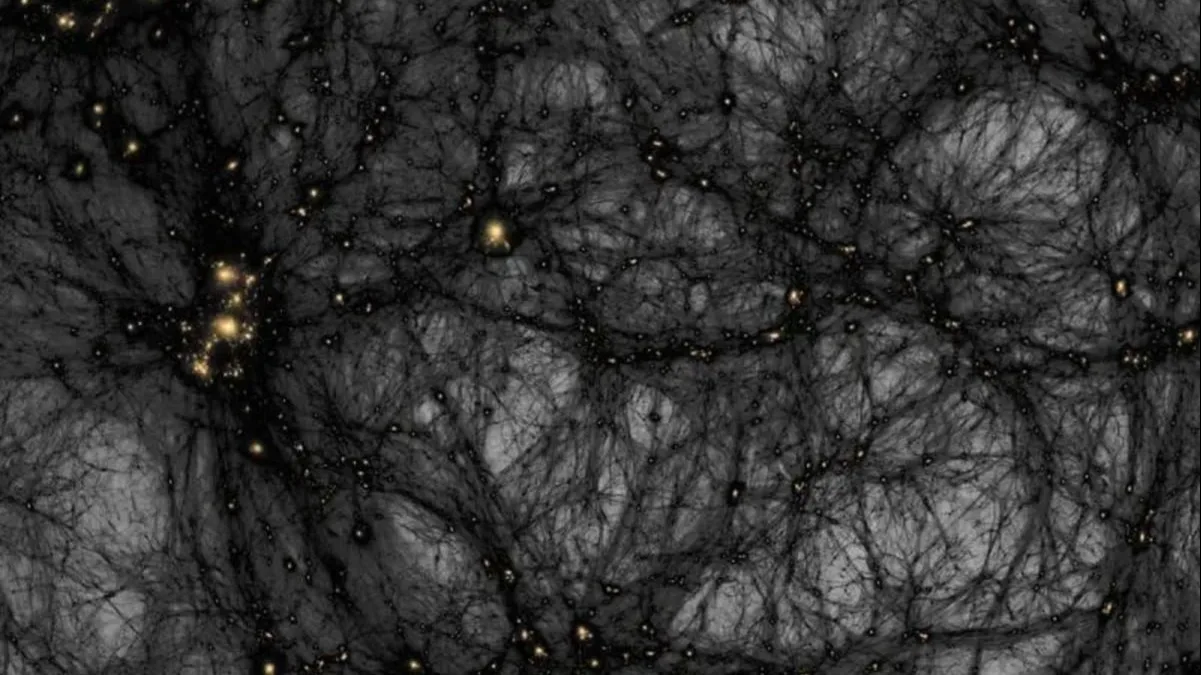
IMAGE SOURCE: ALFRED PASIEKA/SCIENCE PHOTO LIBRARY/GETTY IMAGES

And this could come true in about 22 billion years

In 2015, Vanderbilt University professor Marcelo Disconzi worked with physics professors Thomas Kephart and Robert Scherrer and took this theory one step further. The team built a model that estimated when the Big Rip would actually take place. 

As per their estimations, the end of the world could happen in about 22 billion years from now. Their work focused on something called cosmological viscosity, which describes how much resistance the universe has to expanding or contracting. Their model suggests that this resistance has a direct impact on how the universe would eventually break down.

4 / 6
The destruction wouldn’t leave anything behind
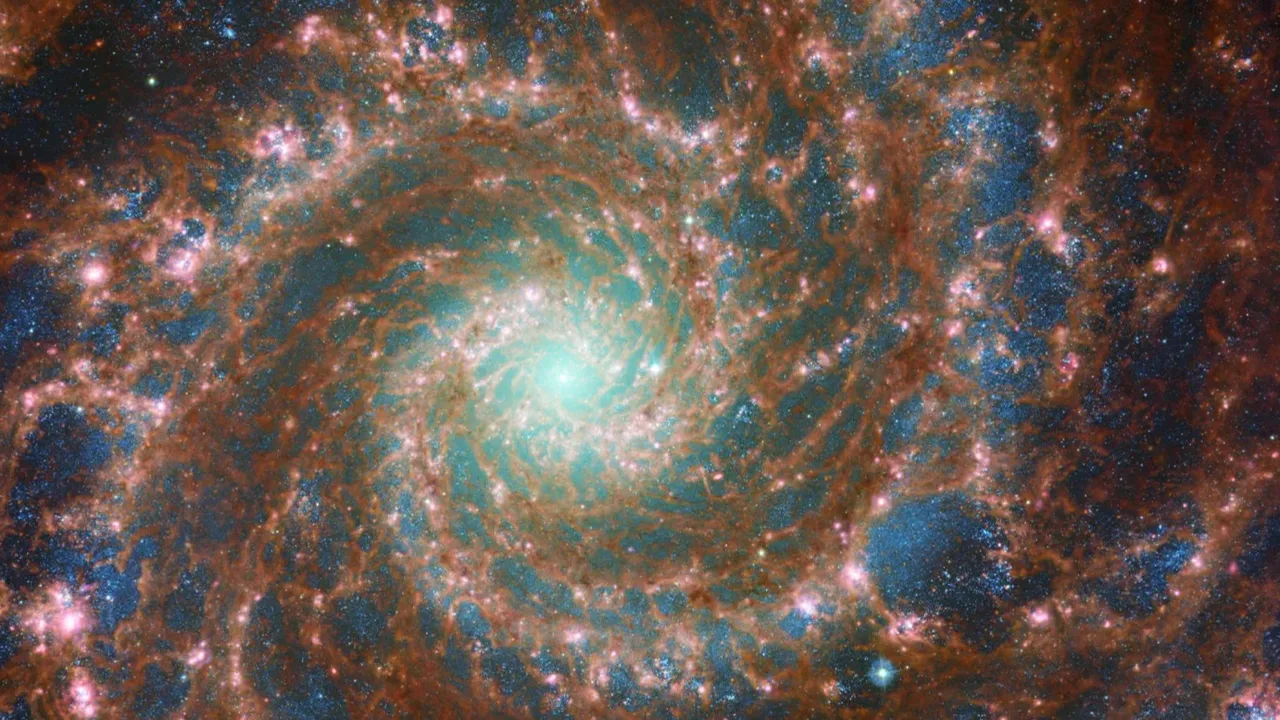
IMAGE SOURCE: RALF KAEHLER/SLAC NATIONAL ACCELERATOR LABORATORY, AMERICAN MUSEUM OF NATURAL HISTORY

The destruction wouldn’t leave anything behind

If dark energy ever got strong enough to win out over gravity, the effects would hit largest structures and spread downward. First, the galaxy clusters would be pulled apart and then individual galaxies, then star systems, and ultimately the planets, including the one we live on. 

“Under the rip scenario, dark energy gets stronger, and you get this wild expansion that essentially rips space-time apart,” Dr Marcelo Disconzi added. “The universe would vanish in front of your eyes. Basically, you don’t want to be around for it.”

5 / 6
There's an even stranger version of dark energy behind this
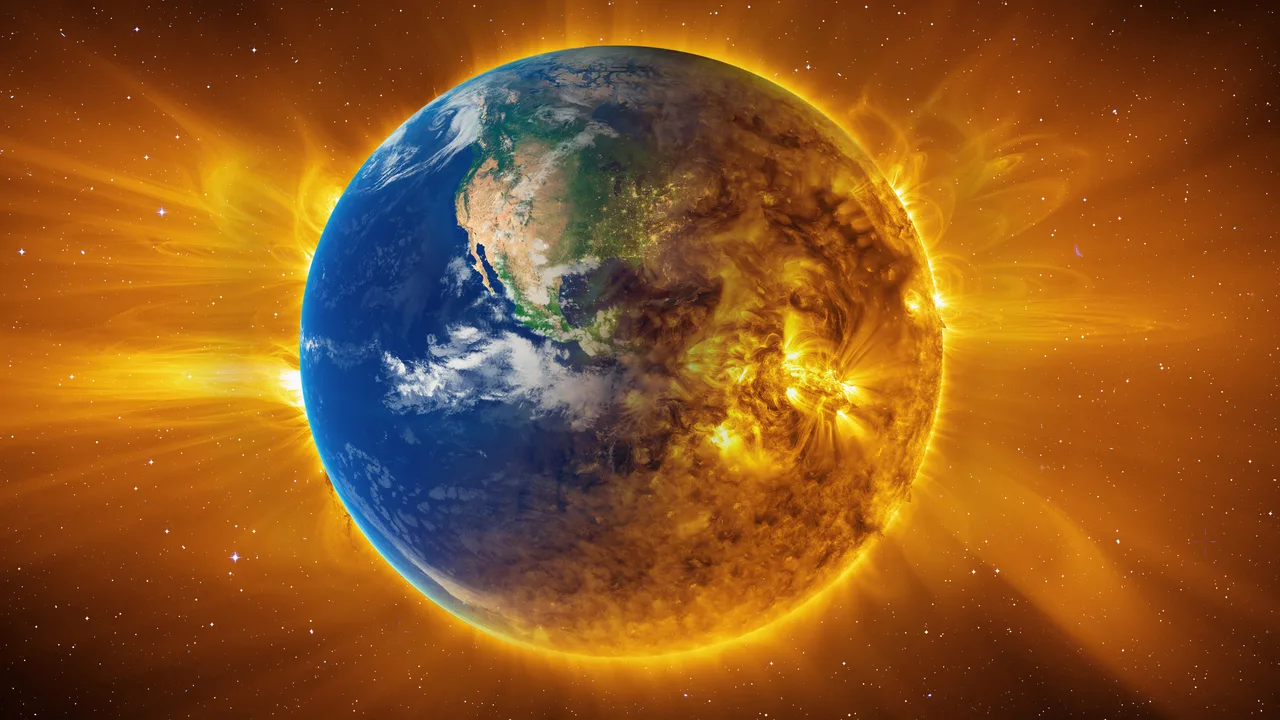
IMAGE SOURCE: ESA/WEBB, NASA & CSA, J. LEE AND THE PHANGS-JWST TEAM

There's an even stranger version of dark energy behind this

The Big Rip depends on dark energy acting in a very unusual way. In this scenario, which is known as “phantom energy,” dark energy would grow stronger and stronger over time.

Eventually, the universe would expand so fast that even distant parts of space would recede from each other faster than light. Once that happened, they’d be completely cut off from one another.

6 / 6
Most physicists doubt this will actually happen
IMAGE SOURCE: MURAT4ART/GETTY IMAGES

Most physicists doubt this will actually happen

Even though this theory is mathematically possible, the Big Rip isn’t considered a likely scenario by most scientists. That is because the theory predicts that even the tiniest structures would eventually be torn apart.

Quarks are a good example of why this scenario is hard to believe. They can’t just be ripped apart because separating them takes so much energy that new quarks form from the vacuum. For many researchers, that’s enough to cast doubt on the whole idea.

MORE GALLERIES

The Golden Record: When humanity sent a message specifically for aliens 5

The Golden Record: When humanity sent a message specifically for aliens

Sep 10, 2026
20 unforgettable photos from humanity’s first Moon landing 21

20 unforgettable photos from humanity’s first Moon landing

Sep 9, 2026
Nobel Prize winner now questions the standard model of the universe, says it might be wrong 5

Nobel Prize winner now questions the standard model of the universe, says it might be wrong

Sep 9, 2026
Strange repeating radio signal from deep space case finally cracked; Here's what it is 5

Strange repeating radio signal from deep space case finally cracked; Here's what it is

Sep 8, 2026
Is the 'empty' space in our universe really empty? Here's what a new study found 5

Is the 'empty' space in our universe really empty? Here's what a new study found

Sep 7, 2026
Could we ever reach a parallel universe? Here's what physicists really think 5

Could we ever reach a parallel universe? Here's what physicists really think

Sep 7, 2026
A 'skull' rock on Mars? The eerie formation NASA can't yet explain 5

A 'skull' rock on Mars? The eerie formation NASA can't yet explain

Sep 5, 2026
Did our universe begin inside a quantum multiverse? One physicist thinks so 5

Did our universe begin inside a quantum multiverse? One physicist thinks so

Sep 5, 2026
330 million light-years of darkness: The mystery of The Great Nothing—the Boötes Void 5

330 million light-years of darkness: The mystery of The Great Nothing—the Boötes Void

Sep 5, 2026
What if Earth-like planets existed before the first galaxies? Scientists have an answer 4

What if Earth-like planets existed before the first galaxies? Scientists have an answer

Sep 4, 2026
Strange 'spiderweb' formations spotted on Mars: NASA explains what's really going on 5

Strange 'spiderweb' formations spotted on Mars: NASA explains what's really going on

Sep 3, 2026
What if black holes are actually doorways to another universe? 6

What if black holes are actually doorways to another universe?

Sep 3, 2026
What if the universe is a loop? This study suggests the Big Bang may not have been the beginning 5

What if the universe is a loop? This study suggests the Big Bang may not have been the beginning

Sep 3, 2026
‘Time mirrors’ are actually real: physicists confirmed a 65-year-old theory in a new study 6

‘Time mirrors’ are actually real: physicists confirmed a 65-year-old theory in a new study

Sep 2, 2026
September 2026 skywatching guide: Planetary conjunctions, Full Harvest Moon, and more 7

September 2026 skywatching guide: Planetary conjunctions, Full Harvest Moon, and more

Sep 2, 2026
Is the universe really infinite, or is there an end? Oxford astrophysicist explains 5

Is the universe really infinite, or is there an end? Oxford astrophysicist explains

Sep 1, 2026
Could the universe be a living thing? Here's what scientists think 5

Could the universe be a living thing? Here's what scientists think

Aug 31, 2026
Why is the night sky dark if the universe is full of stars? Neil deGrasse Tyson explains 6

Why is the night sky dark if the universe is full of stars? Neil deGrasse Tyson explains

Aug 31, 2026
The 2026 total solar eclipse in photos: Best shots of the historic event from August 12 7

The 2026 total solar eclipse in photos: Best shots of the historic event from August 12

Aug 31, 2026
Starlust.org is part of the Scale Content Inc. publishing group.

Google Source

About Us
Editorial Guidelines
Privacy Policy
Cookie Policy
Terms of Use
Contact Us
Link to Facebook
Link to Instagram

© Scale Content Inc. 1178 Broadway, 3rd Floor #3469, New York, NY 10001, United States