Our solar system may have looked very different had it not been for a third ice giant, study finds
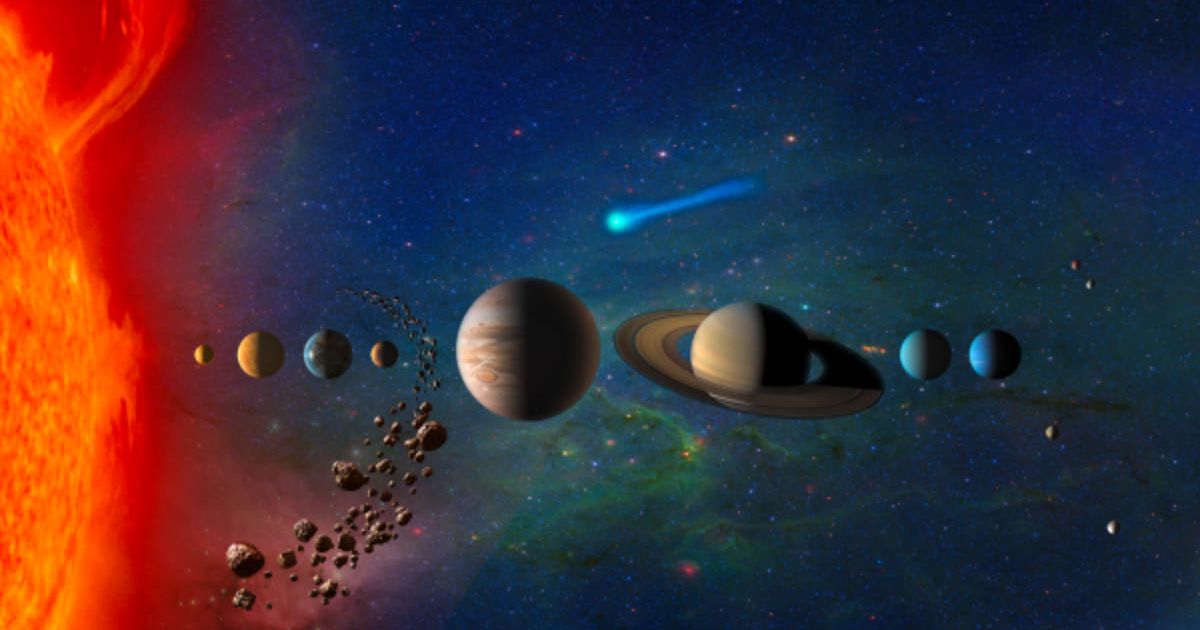
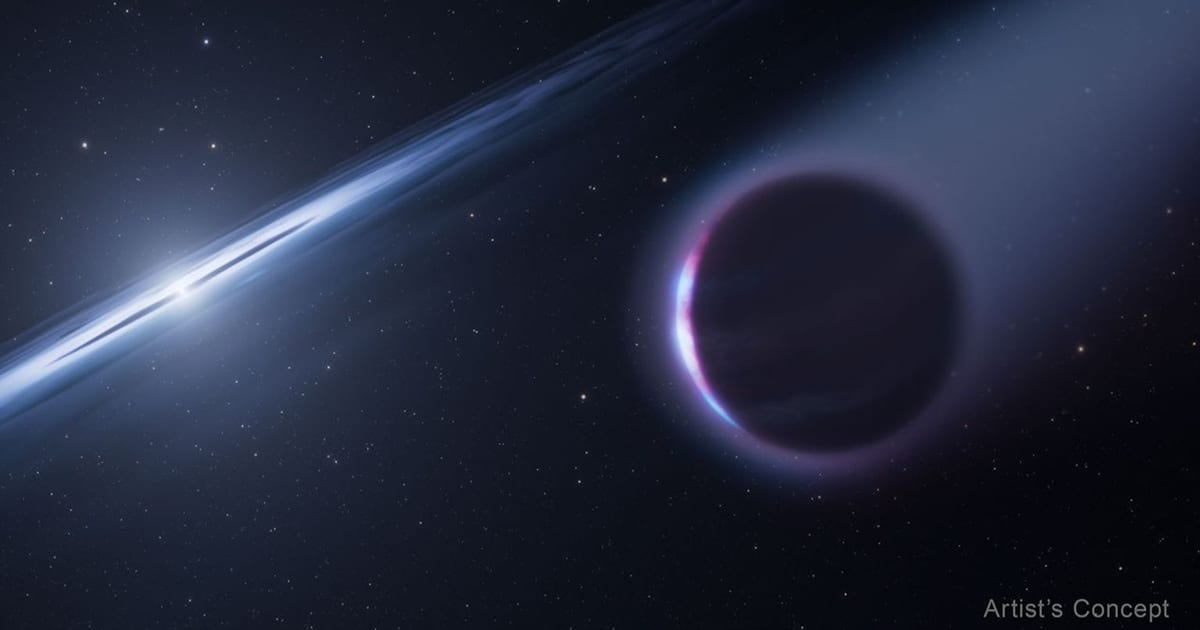
Billions of years ago, the solar system may have had a third ice giant that may have triggered a violent planetary shuffling. That ice giant, now missing, probably disrupted some of the moons of Jupiter and Uranus and played a role in the birth of others, according to a study published in the journal Icarus.
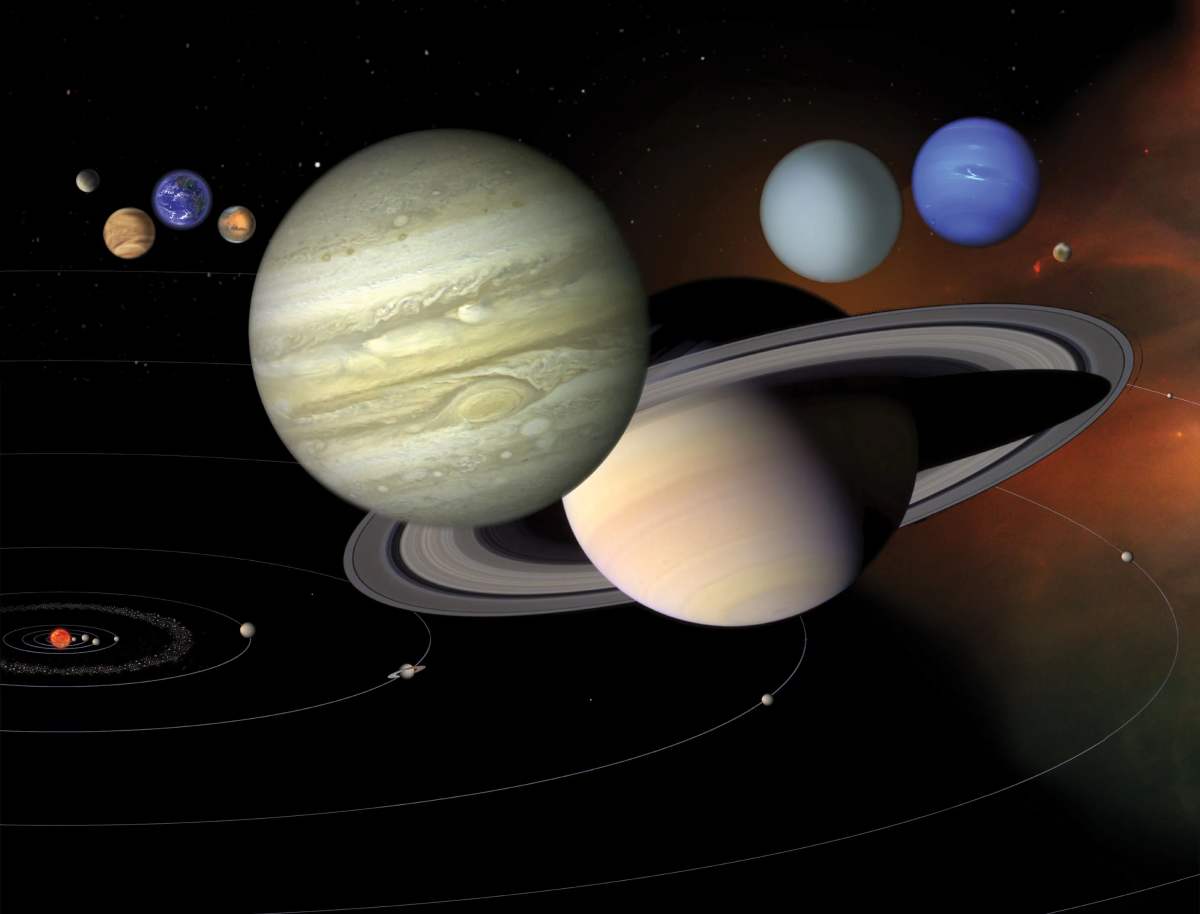
Between 4 and 4.5 billion years ago, the outer solar system faced an epoch of extreme chaos, which is described as the Nice Model Instability. The orbits of the giant planets, such as Jupiter, Saturn, Uranus, and Neptune, underwent dramatic shifts and became highly unstable. This instability brought the planets nearer to each other and caused them to pull at each other with immense gravitational forces. Then the chaos gradually died, allowing the planets to settle down into their current states and orbits. But astronomers have long wondered how the lighter and smaller moons of the giant planets survived in such a topsy-turvy world.
To better understand what the moons of Jupiter and Uranus went through, a team of astronomers from the Johns Hopkins University Applied Physics Laboratory, Rice University, the Planetary Science Institute, and the Southwest Research Institute ran 122 computer simulations that mimicked the conditions of the early solar system. They used specific software that allowed them to track and study the complex gravitational interactions between the planets, moons, the Sun, and passing space rocks over millions of years.
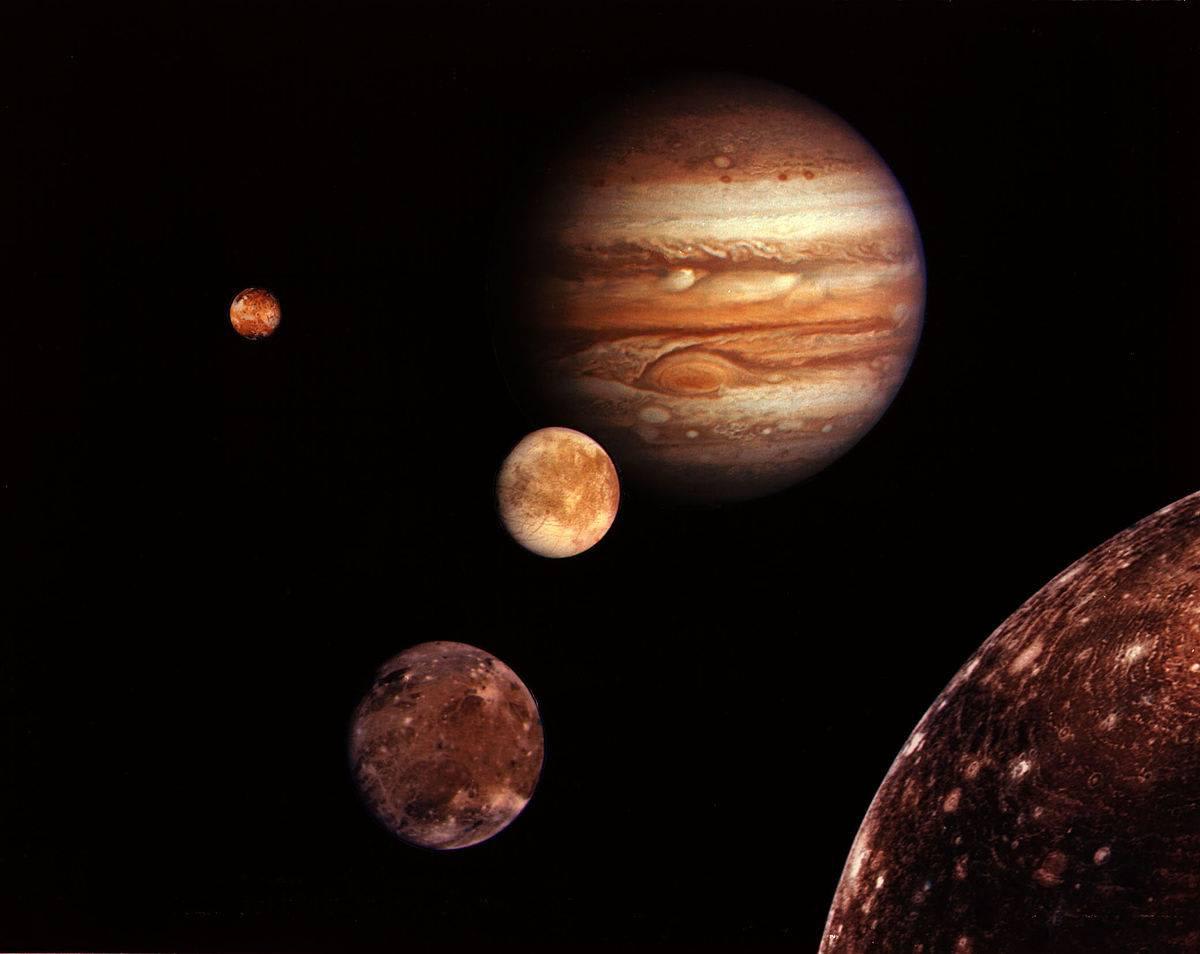
Of these interactions, they picked up those that were limited to five or six giant planets. The reason behind it is that the Nice Model portrays scenarios where one or two additional giants were evicted from the solar system. The results of the simulations show that the moons of Jupiter and Uranus had a slim chance of surviving the cataclysmic phase of the outer solar system. The researchers estimated that both the Jovian and Uranian moon systems’ survival probability was less than 15%. The simulations, in fact, revealed that only under one scenario could both Jupiter and Uranus, along with their moons, have survived.
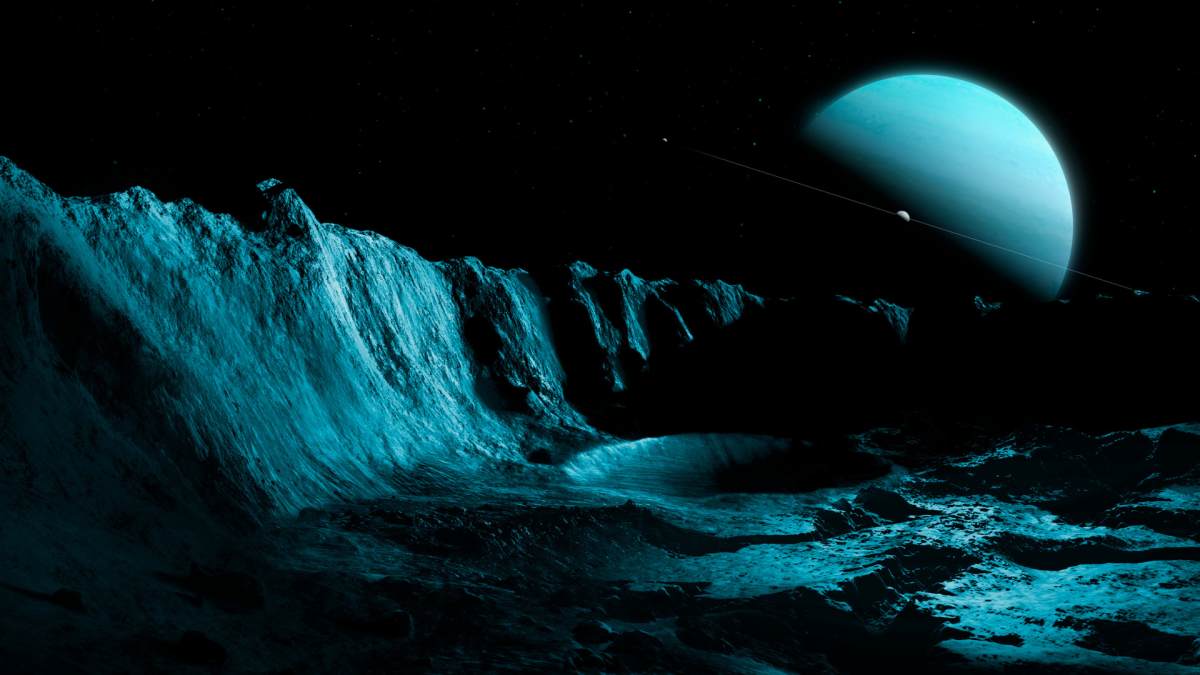
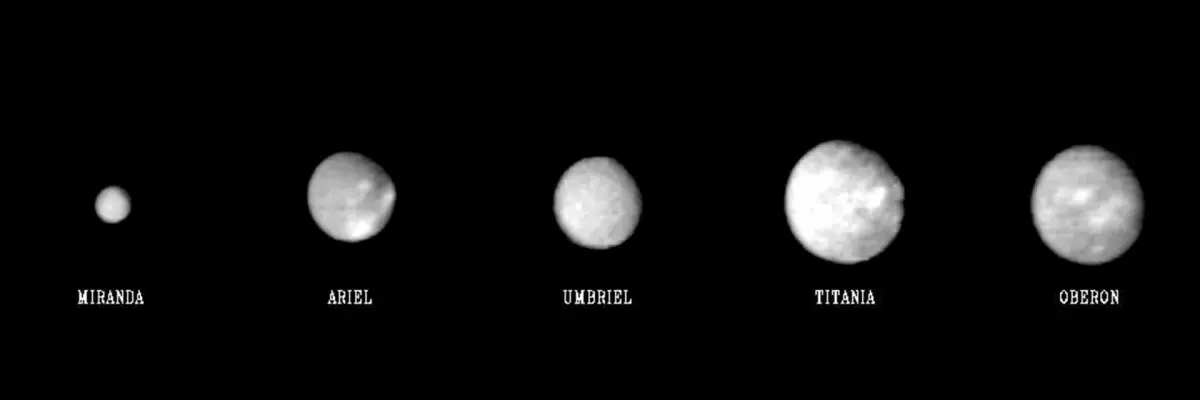
The researchers simulated what may have happened when the planets wandered too close to Uranus. The moons got decimated by the immense gravity. But instead of flying off, the debris collided and clumped together. This may have been how Uranus's moon Miranda came into being. The simulations revealed that Uranian moons collided twice in their lives. The impact of such collisions also tilted the ice giant, creating the giant planet instability. All that said, as fascinating as their results are, the researchers note that the simulations cannot uncover every detail, suggesting that more modeling and observations are needed to shed more light on the fate of individual moons and the role of the missing ice giant.
More on Starlust
A new solar system may have been caught in the act of formation, study suggests
Astronomers have discovered a unique planetary system where planets are arranged 'inside out'