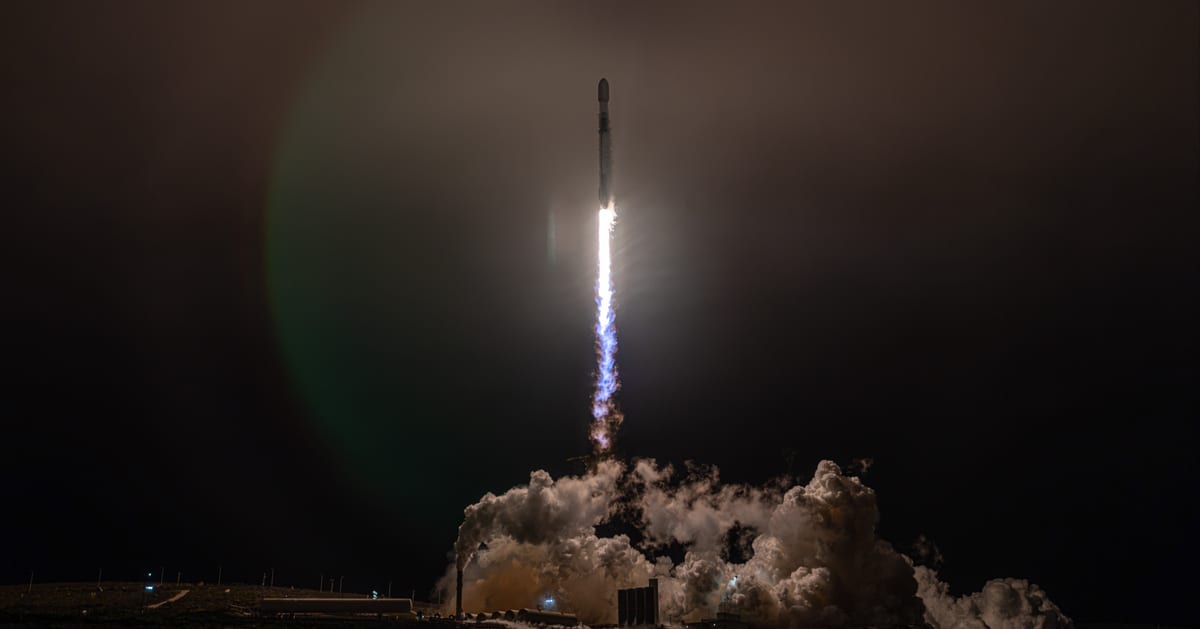
Ahead of the first crewed mission to the Moon in over 50 years, watch restored Apollo 11 moonwalk
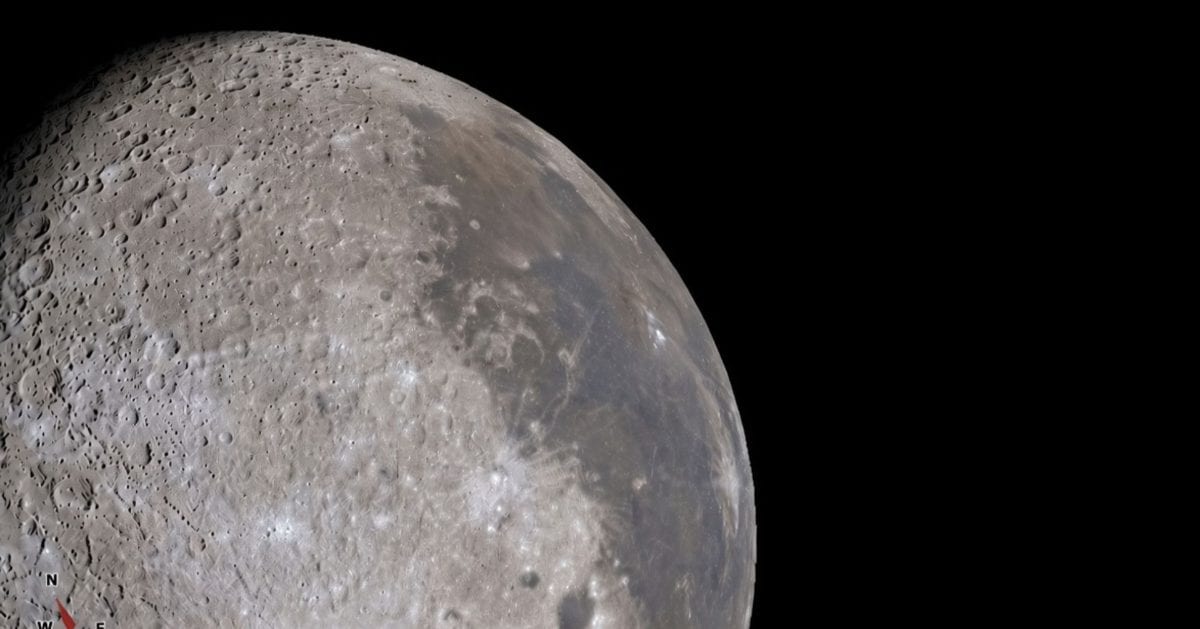
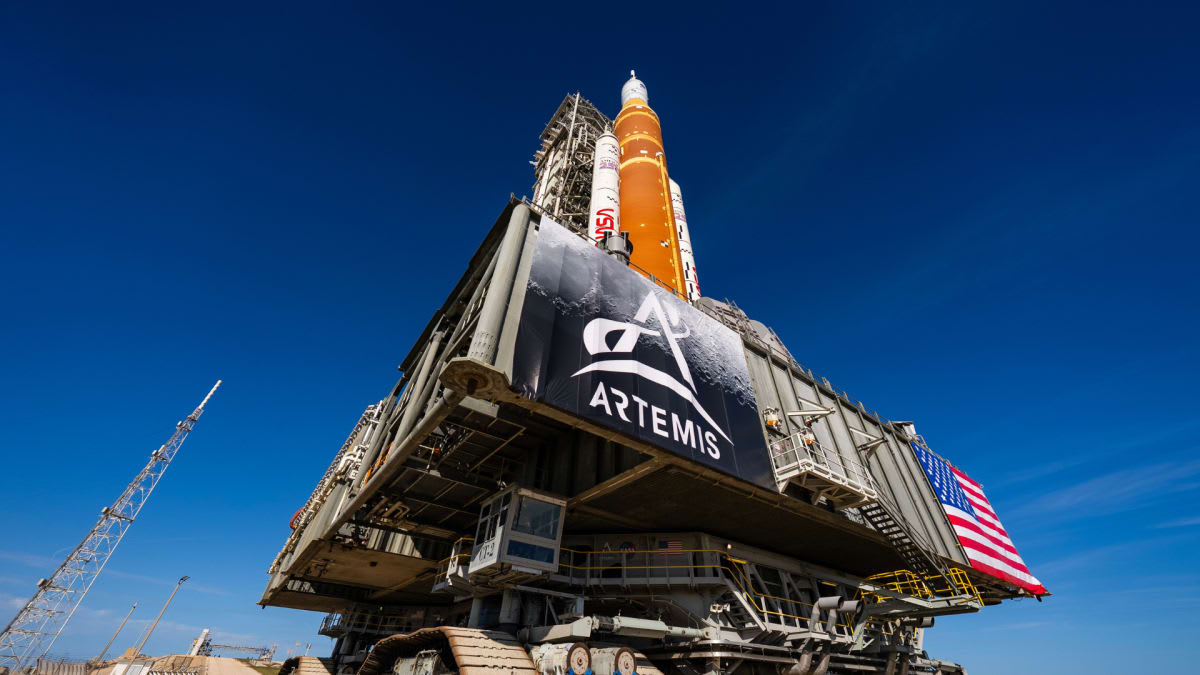
It's only a matter of time before NASA's Artemis II—the first crewed lunar mission in over 50 years—takes off from Launch Pad 39B at the Kennedy Space Center in Florida. The 10-day mission will see NASA astronauts Reid Wiseman, Victor Glover, and Christina Koch, and CSA (Canadian Space Agency) astronaut Jeremy Hansen travel beyond the far side of the Moon and back to Earth on a free-return trajectory.
While the astronauts will not set foot on the lunar surface, they will experience deep-space radiation and test life support, navigation, and communication systems, thereby paving the way for subsequent Artemis missions, beginning with Artemis III, which will put humans on the lunar surface again. With the launch period, due to open on February 6, 2026, nearing, there is no better time to look back at the Apollo 11 mission, which saw its commander Neil Armstrong become the first human to touch down on the surface of the Moon on July 20, 1969. A restored version of the historic moonwalk was released by NASA 11 years ago.
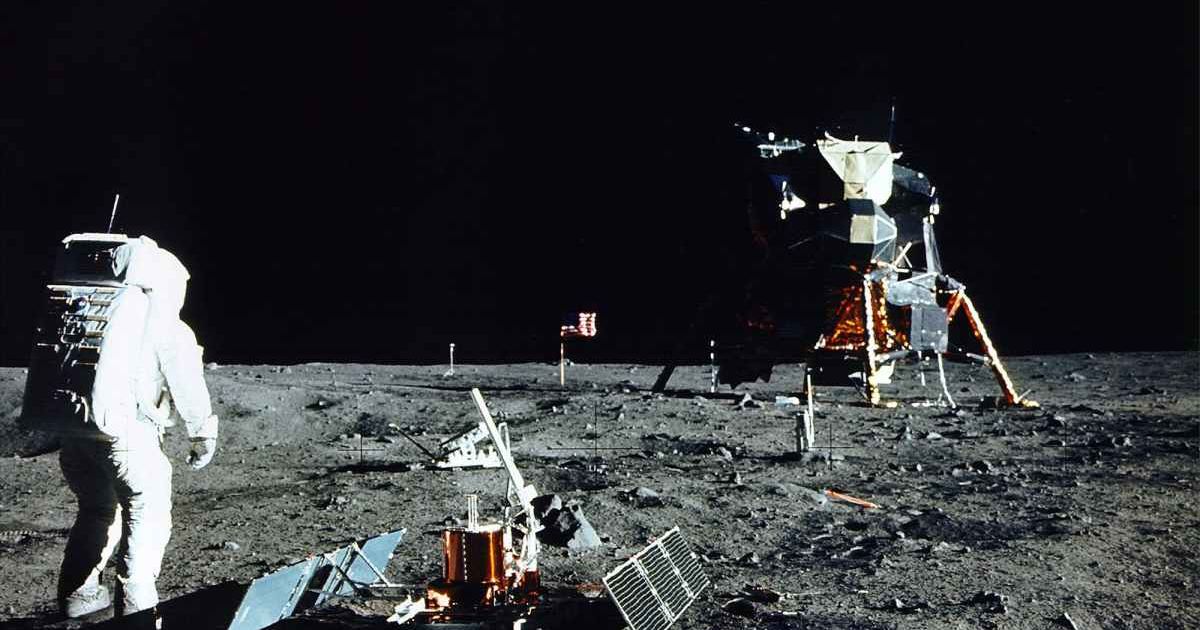
Originally released in July 1969, the video shows the Apollo 11 astronauts conducting several tasks during the extravehicular activity (EVA) operations on the lunar surface. The EVA began at 10:39 p.m. EDT on July 20, 1969, when Armstrong emerged first from the spacecraft. He released the Modularized Equipment Stowage Assembly on the Lunar Module's descent stage.
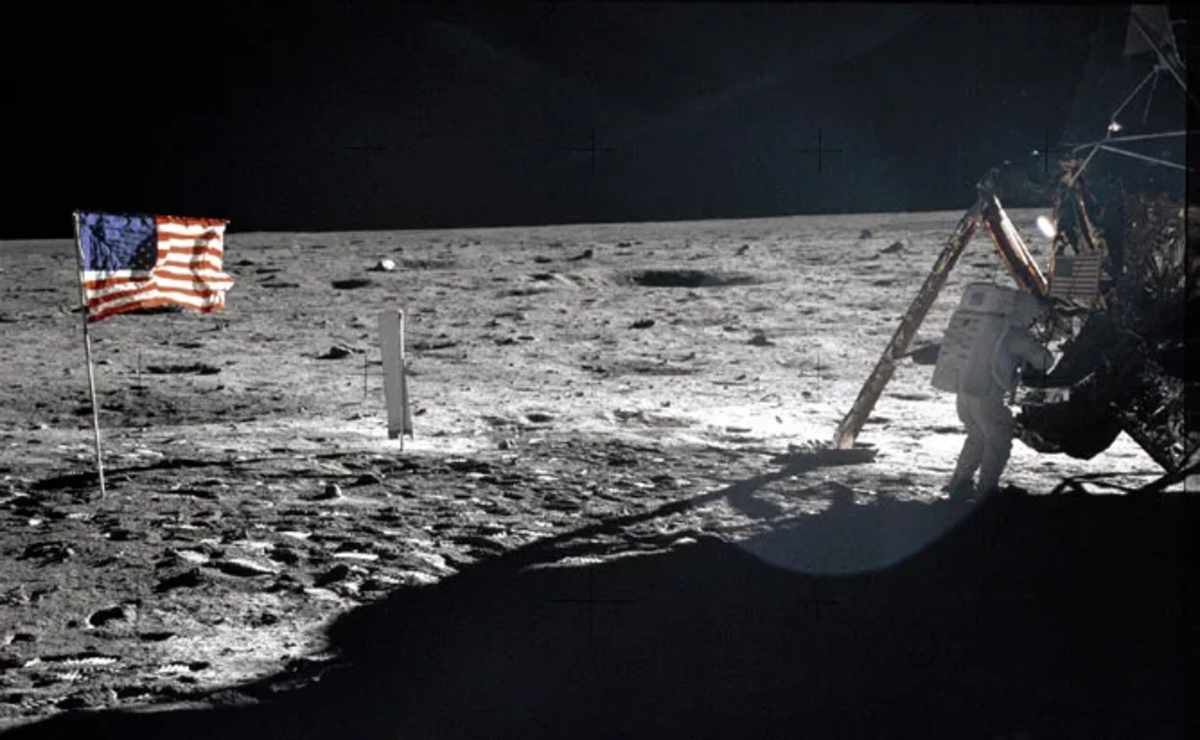
The live television coverage of the first human step on the Moon was covered by a camera on this very module. The one and only EVA conducted was short, and the astronauts had to manage their time accordingly. They stayed within 100 meters of the lunar module, collecting around 47 pounds of samples and deploying four experiments. The EVA ended at 1:11 a.m. EDT on July 21 after the astronauts had spent approximately 2 hours and 31 minutes on the surface. While visuals like this may become commonplace as the Artemis program progresses and humanity establishes a sustained presence on its closest neighbor, the Apollo 11 mission will always be remembered the way Armstrong intended it to be—"one small step for a man, one giant leap for mankind."
More on Starlust
Artemis II mission: What's on the schedule in the final week of January
NASA's Artemis II mission: Why the four astronauts won't land on the Moon