What if black holes are actually doorways to another universe?
The mystery of what lies beyond
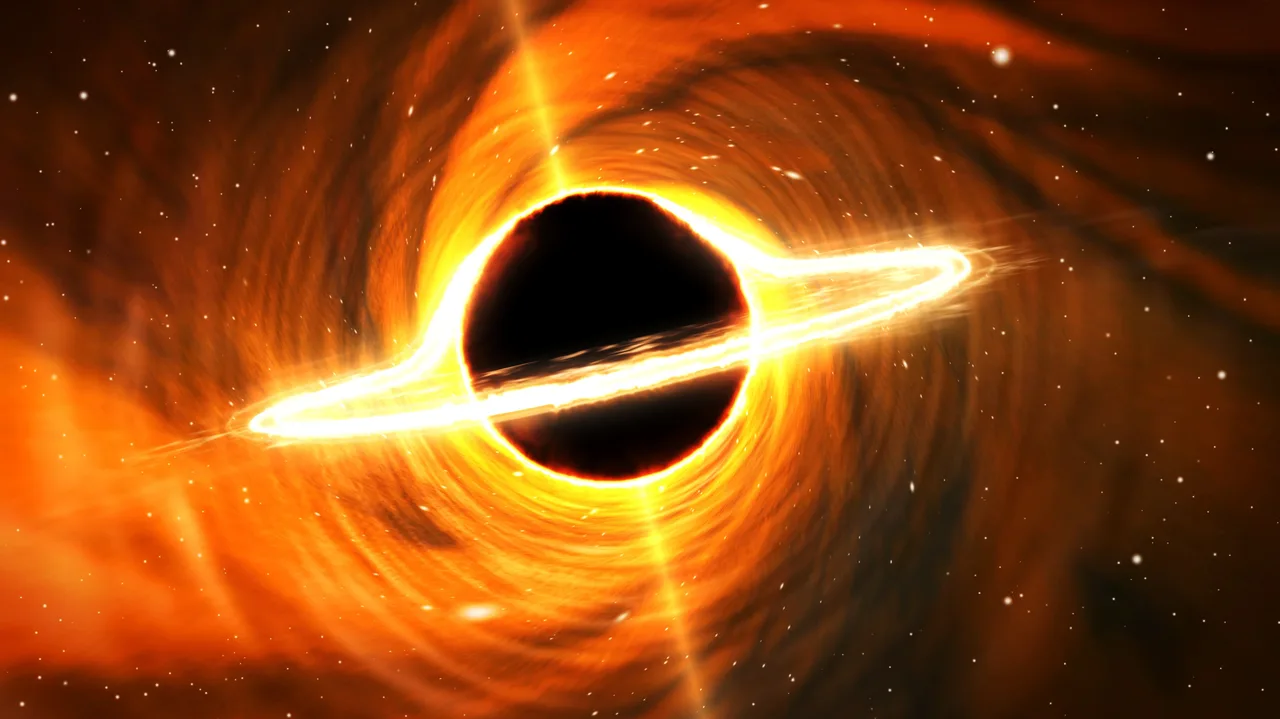
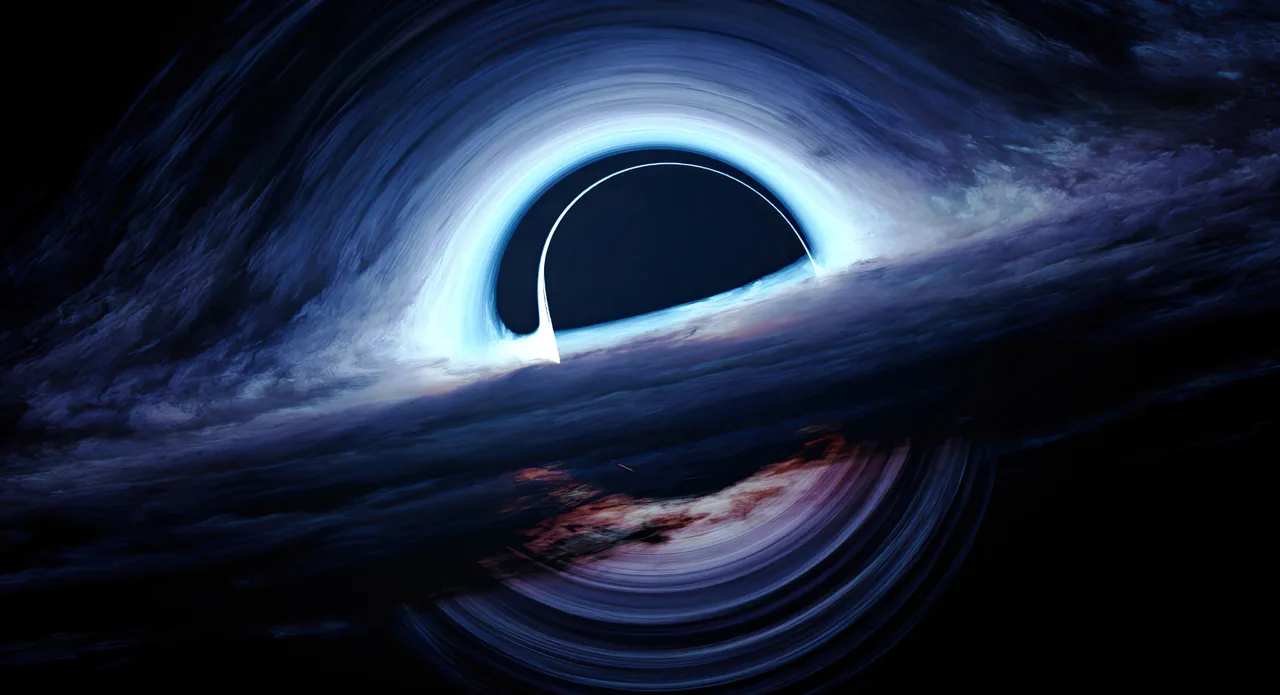
Black holes are some of the most mysterious objects ever found in our universe. This is because, while scientists from around the world have studied them for years, we still do not fully understand them. They are so dense that nothing can escape them, not even gravity or light itself.
Now, scientists claim that they could themselves be a doorway to another universe. But how true is that? Here’s what scientists believe could be on the other side of a black hole.
What is beyond the point of no return?
At the point of no return, which is called the event horizon, gravity is so extreme that even matter gets squeezed into what scientists call a singularity. This is a spot where the normal rules of physics do not apply. This is one of the many things about our universe that we still don't fully understand.
While studying this back in 2010, theoretical physicist Nikodem Poplawski proposed a very different idea. Instead of ending at a singularity, he asked what if a black hole could lead somewhere else. He explored this idea in his paper "Radial motion into an Einstein–Rosen bridge."
There could be a bridge to the other universe
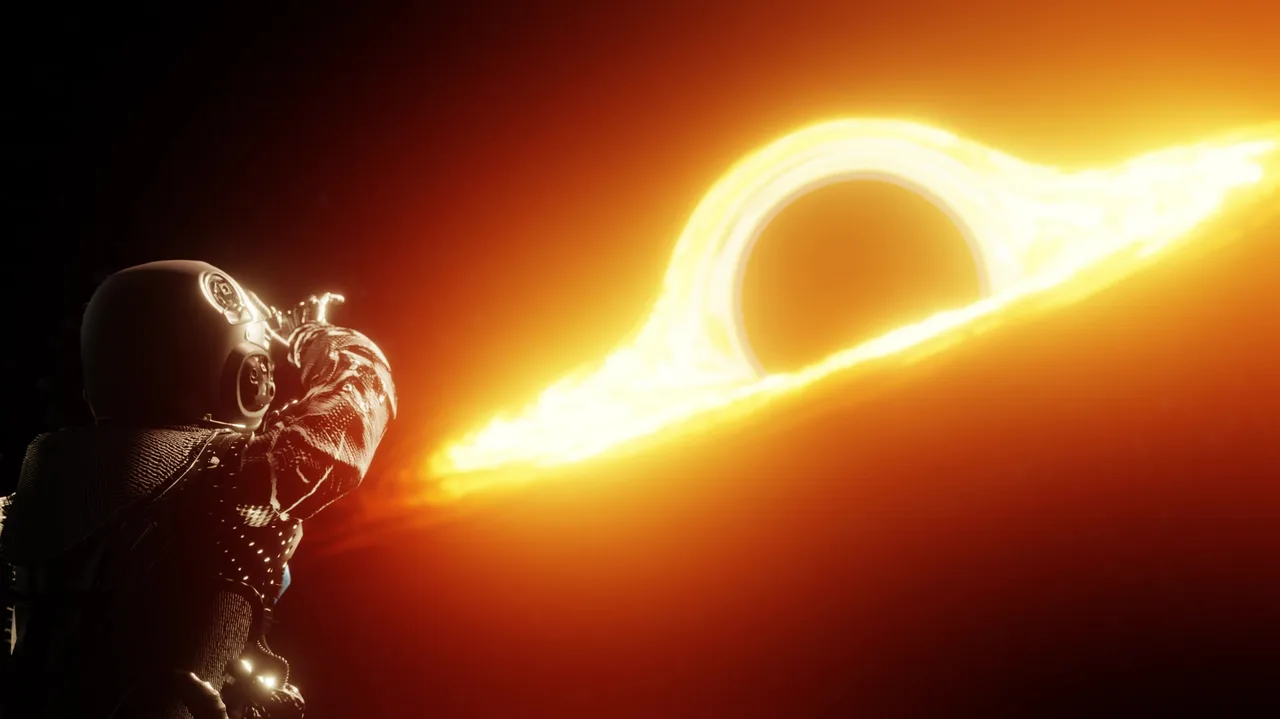
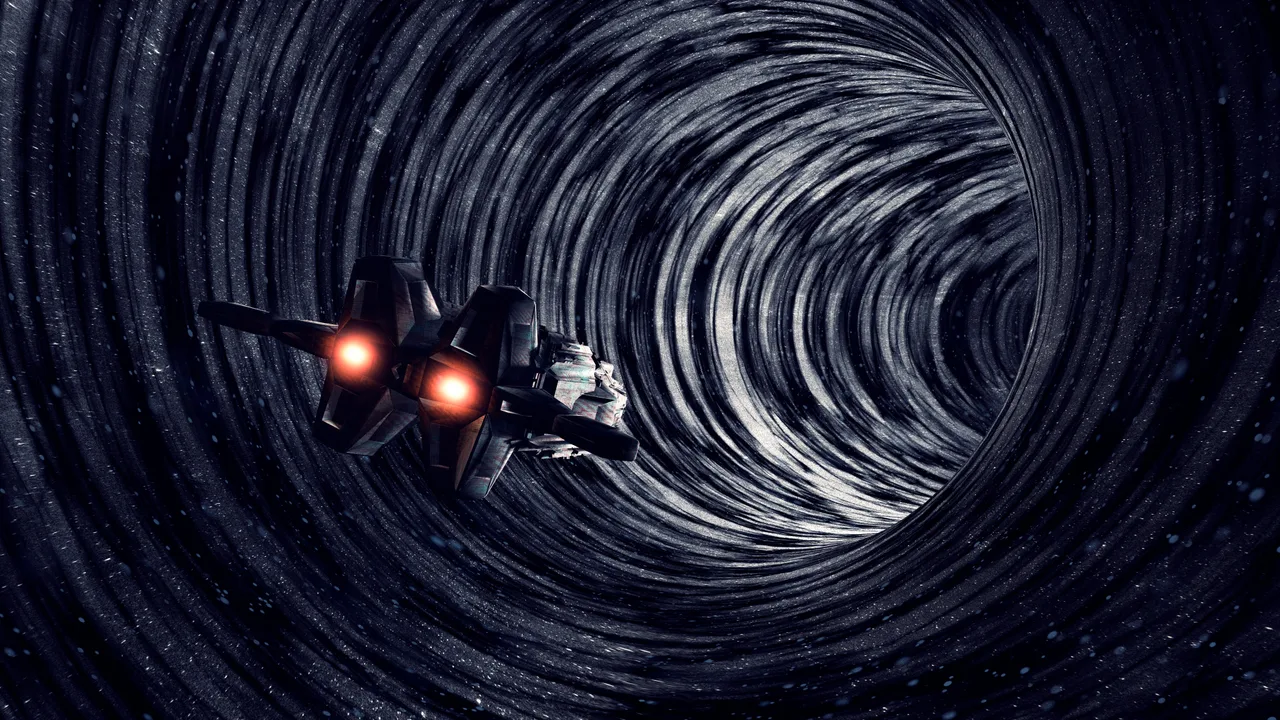
As per Poplawski, at the other end, there is something called an Einstein- Rosen bridge (also known as a wormhole). So, instead of matter getting crushed inside a black hole, it would then travel through this bridge and come out on the other side through a white hole.
A black hole only pulls matter and light in. But in the case of a white hole, it would only push them back out. This idea was also raised back in the 1960s and 70s, but scientists from that time never had a physical explanation for how it might actually work.
And the deeper you go, the stranger it gets
The missing piece, according to Poplawski, is something called torsion. Under extreme conditions, like the crushing densities inside a black hole, torsion may act almost like reverse gravity. So, instead of pulling matter inward, it could push it back apart.
Explaining this, Poplawski shared that "at extremely large densities, torsion appears like a gravitational, repulsive force. That's how it can prevent singularities.” In his words, "Torsion makes physics finite.”
Did our own universe start inside a black hole?
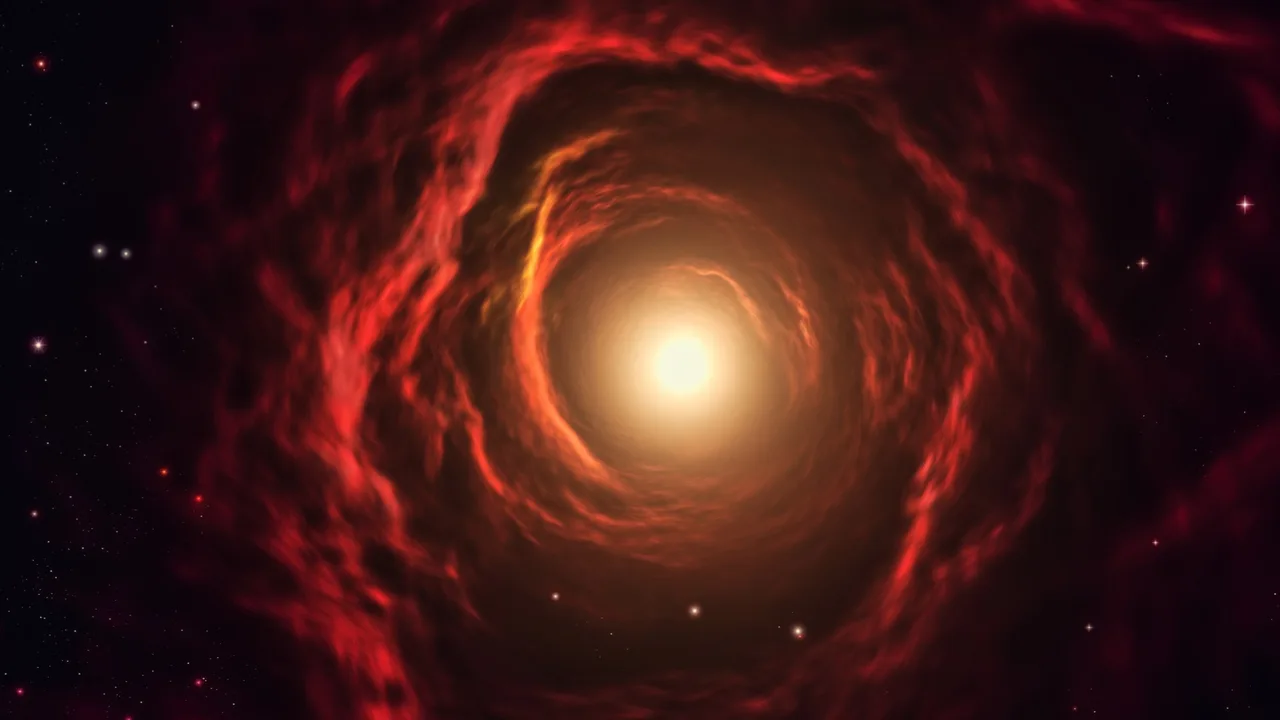
Poplawski also thinks this same process might explain how our universe began. He suggests that when the black hole in some "parent" universe started to collapse, torsion kicked in before a singularity could form.
"Because the matter was already within the event horizon and it wanted to move, it decided to create new space. Which is basically our growing universe," he noted.
But most scientists remain unconvinced (for now)
Cosmologist Dejan Stojkovic says the theory holds together logically, but that doesn't mean it matches reality. "Torsion... is a legitimate prediction of a self-consistent theory, [but] the question is whether our universe is described by such a theory," he noted.
He added, "So far, we have not encountered any observations that require introduction of torsion." He also shared that torsion might only show up under the most extreme gravity conditions, the same ones found near a singularity, which we still can't observe directly.